 EN
EN


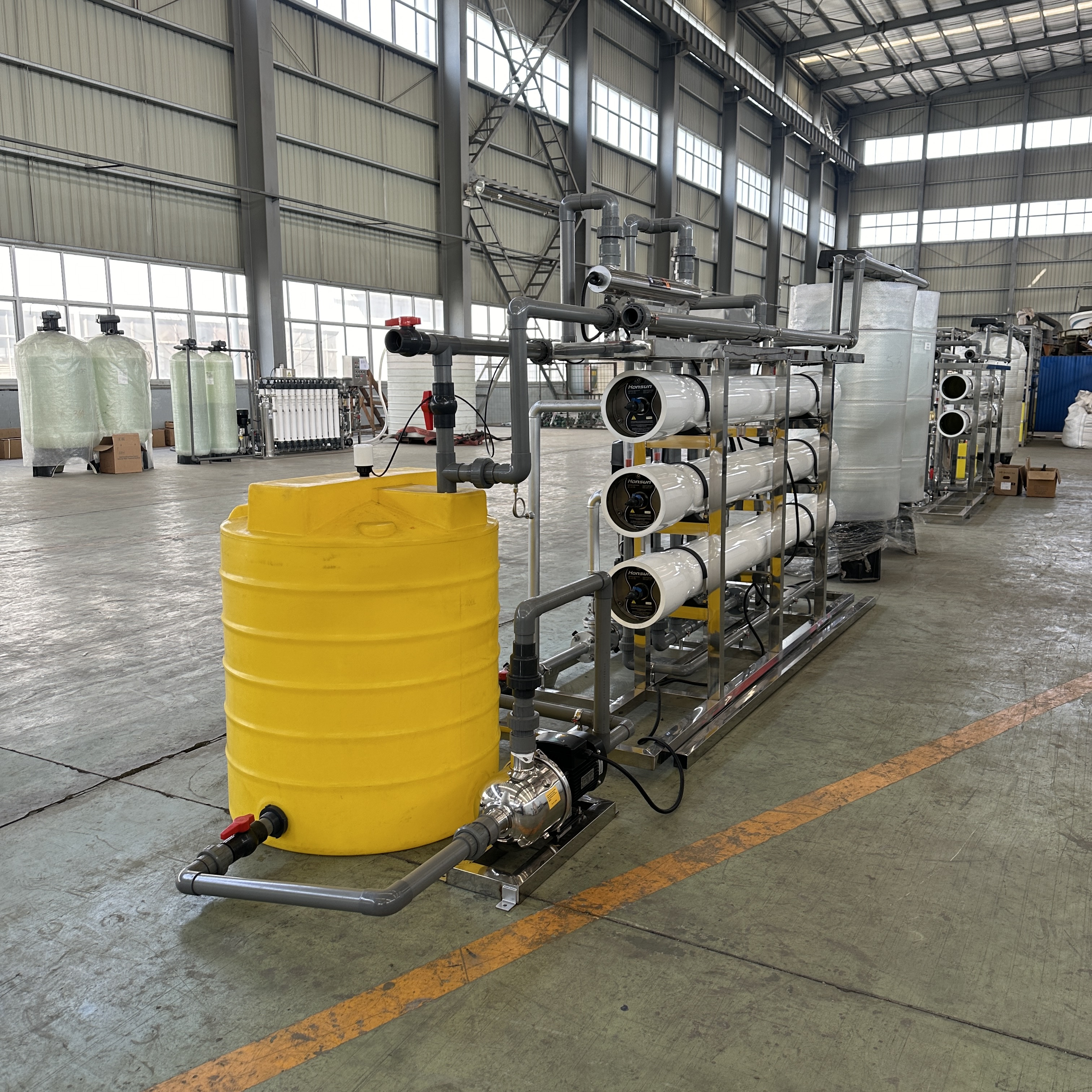
When choosing a water treatment solution, understanding the distinction between an RO water system and a reverse osmosis plant is essential for making an informed investment. Many people use these terms interchangeably, yet they represent different scales, applications, and technical configurations. An RO water system typically refers to smaller-scale filtration units designed for residential, commercial, or light industrial use, while a reverse osmosis plant denotes larger-capacity installations built for heavy industrial production, municipal supply, or enterprise-level water treatment demands. The choice between an RO water system vs reverse osmosis plant depends on your water volume requirements, contamination profile, budget constraints, and operational goals.
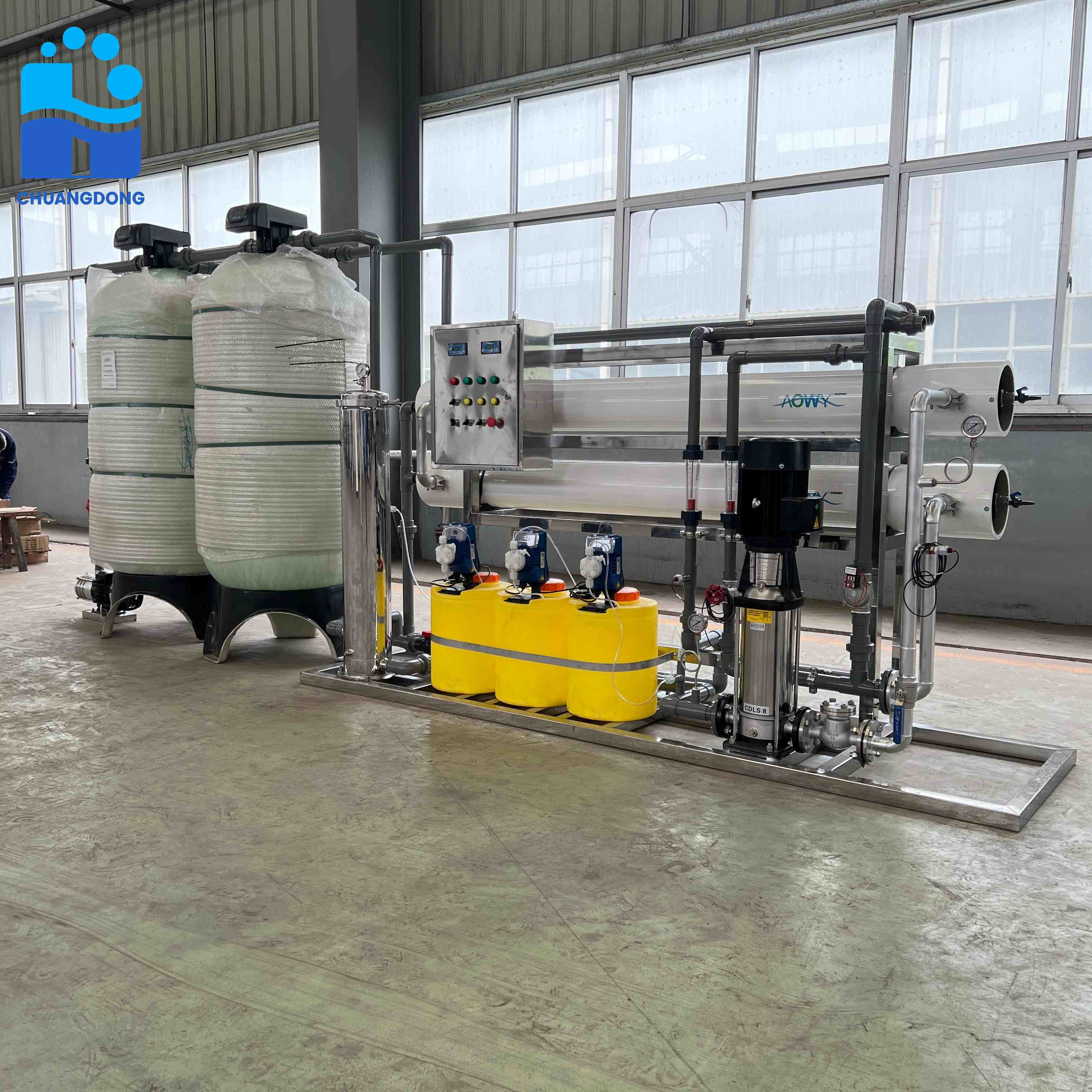
Both RO water system and reverse osmosis plant technologies rely on semi-permeable membranes to remove dissolved solids, microorganisms, and unwanted minerals from water. The fundamental filtration principle remains constant across both scales, but their engineering, throughput, and operational complexity differ significantly. Understanding these differences helps facility managers, procurement professionals, and business owners select the right solution that balances performance, reliability, and cost-effectiveness for their specific water treatment challenges.
Scale and Capacity Differences
RO Water System Specifications
An RO water system designed for smaller operations typically processes between 10 and 500 liters per hour, making it suitable for offices, laboratories, small cafeterias, or light manufacturing environments. These compact RO water system units occupy limited floor space and integrate easily into existing infrastructure without requiring extensive structural modifications. The modular design of a standard RO water system allows for straightforward installation and maintenance by trained technicians. Common RO water system configurations include under-sink models, countertop units, or wall-mounted enclosures that serve departments or small facilities with predictable daily consumption rates.
Reverse Osmosis Plant Specifications
A reverse osmosis plant operates at industrial scale, typically producing 500 to 50,000 liters per hour or more, depending on membrane arrays and system architecture. Industrial-grade reverse osmosis plant systems are engineered for continuous, round-the-clock operation in chemical processing, pharmaceuticals, food and beverage manufacturing, semiconductor fabrication, and municipal water treatment. The reverse osmosis plant requires dedicated equipment rooms, robust pre-filtration infrastructure, and often includes advanced monitoring, automated valve controls, and redundant safety systems. Designing and installing a reverse osmosis plant demands specialized engineering expertise, site surveys, and compliance with environmental and regulatory standards specific to each industry sector.
Filtration Architecture and Pre-treatment
RO Water System Pre-filtration
A typical RO water system incorporates two to four pre-filtration stages, usually consisting of sediment filters, activated carbon cartridges, and sometimes a micron filter. The RO water system pre-treatment protects the reverse osmosis membrane from fouling, chlorine damage, and biological growth that could shorten membrane lifespan. Simple RO water system designs prioritize affordability and ease of cartridge replacement, making them accessible for non-specialized operators. Maintenance intervals for an RO water system typically span 6 to 12 months for cartridge changes, depending on raw water quality and daily usage volume.
Reverse Osmosis Plant Pre-filtration
A reverse osmosis plant incorporates multi-stage pre-treatment systems featuring sand filters, multimedia filters, activated carbon beds, micron cartridges, and sometimes iron and sulfur removal stages. The reverse osmosis plant pre-filtration is customized to handle the specific contaminant profile of source water, whether it originates from municipal supplies, wells, surface sources, or recycled streams. Industrial reverse osmosis plant systems often employ dual-bed ion exchange softeners or chelation processes to prevent scale formation on high-capacity membranes. Monitoring instrumentation on a reverse osmosis plant continuously tracks turbidity, conductivity, pH, and pressure, triggering alerts and automated shutdowns if feed water quality degrades.
Operational Performance and Maintenance
RO Water System Operation
Operating an RO water system requires minimal technical oversight beyond periodic cartridge replacement and basic water quality checks. Most RO water system units feature automatic shutoff valves, tank storage, and simple indicator lights showing filter saturation or operational status. The RO water system produces treated water on-demand or stores it in a holding tank, typically yielding 50 to 75 percent pure water recovery depending on membrane configuration. Troubleshooting an RO water system usually involves identifying worn cartridges, adjusting inlet pressure, or replacing failed check valves, tasks that facility staff can often handle independently or with vendor support calls.
Reverse Osmosis Plant Operation
Operating a reverse osmosis plant demands trained operators, predictive maintenance protocols, and comprehensive documentation systems. A reverse osmosis plant typically achieves 40 to 60 percent water recovery rates depending on system design and feed water characteristics, with reject water recycled or managed through secondary treatment processes. The reverse osmosis plant requires regular monitoring of membrane integrity through salt rejection testing, pressure drop analysis, and periodic CIP (clean-in-place) chemical cleaning cycles. Advanced reverse osmosis plant installations include remote monitoring capabilities, data logging for regulatory compliance, and automated alarms that notify operators of anomalies before failures occur.
Cost Considerations and ROI
RO Water System Investment
Initial capital investment for an RO water system ranges from $500 to $5,000 depending on capacity and features, making it accessible for small businesses and departmental use. Operating costs for an RO water system include periodic cartridge replacement, membrane replacement every 2 to 5 years, and minimal electricity consumption due to low operating pressures. An RO water system payback occurs rapidly through reduced bottled water purchases, improved product quality, or eliminated external water treatment fees. The total cost of ownership for an RO water system remains low because components are standardized, warranty support is available from numerous vendors, and spare parts are widely accessible.
Reverse Osmosis Plant Investment
A reverse osmosis plant requires capital investment between $50,000 and $500,000 or more depending on capacity, customization, feed water pretreatment complexity, and regulatory requirements. Operating expenses for a reverse osmosis plant include annual membrane replacement, chemical cleaning supplies, operator labor, energy consumption, waste disposal, and predictive maintenance contracts. The reverse osmosis plant justifies high investment through significant water cost savings in high-volume applications, compliance with stricter water quality specifications, and reduced reliance on municipal or trucked water. ROI for a reverse osmosis plant typically materializes over 3 to 7 years in industrial settings where water demand is continuous and incoming water requires substantial treatment.
Industry Applications and Fit
RO Water System Applications
An RO water system serves dental offices, restaurants, small pharmaceutical labs, office break rooms, and light assembly environments where daily demand remains predictable and modest. RO water system technology is ideal for applications requiring high-purity water but where production volume does not justify industrial plant investment. Organizations using an RO water system benefit from flexibility to relocate units, minimal training requirements, and straightforward scalability by adding additional units as demand grows. The RO water system fits perfectly when water quality matters but capital constraints or operational complexity must remain minimal.
Reverse Osmosis Plant Applications
A reverse osmosis plant is standard in pharmaceutical manufacturing, food and beverage processing, semiconductor fabrication, chemical production, and desalination facilities. Industries deploying a reverse osmosis plant require certified water quality documentation, regulatory compliance tracking, and continuous operational reliability to avoid production disruptions. The reverse osmosis plant becomes economically justified when daily water consumption exceeds 1,000 liters, when municipal water quality proves unreliable, or when product specifications demand water purity levels that standard sources cannot provide. Strategic deployment of a reverse osmosis plant reduces supply chain vulnerability, improves product consistency, and enables manufacturing independence from external water supplier constraints.
FAQ
What is the main difference between an RO water system and a reverse osmosis plant?
The primary difference lies in scale and application. An RO water system is a smaller-capacity unit producing 10 to 500 liters per hour for residential, commercial, or light industrial use, while a reverse osmosis plant is a large-scale industrial installation producing 500 to 50,000+ liters per hour for heavy manufacturing, municipal supply, or enterprise operations. Both use reverse osmosis membrane technology, but reverse osmosis plant systems include more sophisticated pre-filtration, monitoring, and redundancy features to handle continuous high-volume demands and stringent water quality requirements.
How often do membranes need replacement in an RO water system versus a reverse osmosis plant?
An RO water system typically requires membrane replacement every 2 to 5 years depending on raw water quality and usage frequency, with users often replacing cartridges annually. A reverse osmosis plant with higher throughput and continuous operation may require membrane replacement annually or every 18 to 24 months, supplemented by regular chemical cleaning cycles to extend membrane lifespan. The reverse osmosis plant membrane replacement schedule is more aggressive because industrial membranes operate under higher pressure and process larger volumes, causing faster fouling and degradation compared to RO water system membranes.
Can an RO water system be upgraded to function like a reverse osmosis plant?
No, an RO water system cannot be practically upgraded to reverse osmosis plant capacity because they differ fundamentally in pump power, membrane array design, pre-filtration sophistication, and control systems. Attempting to scale an RO water system by adding more units may improve total output but lacks the integration, efficiency, and reliability engineering built into a purpose-designed reverse osmosis plant. Organizations outgrowing an RO water system should plan for a complete transition to a reverse osmosis plant rather than attempting incremental modifications that may compromise performance and regulatory compliance.