 EN
EN


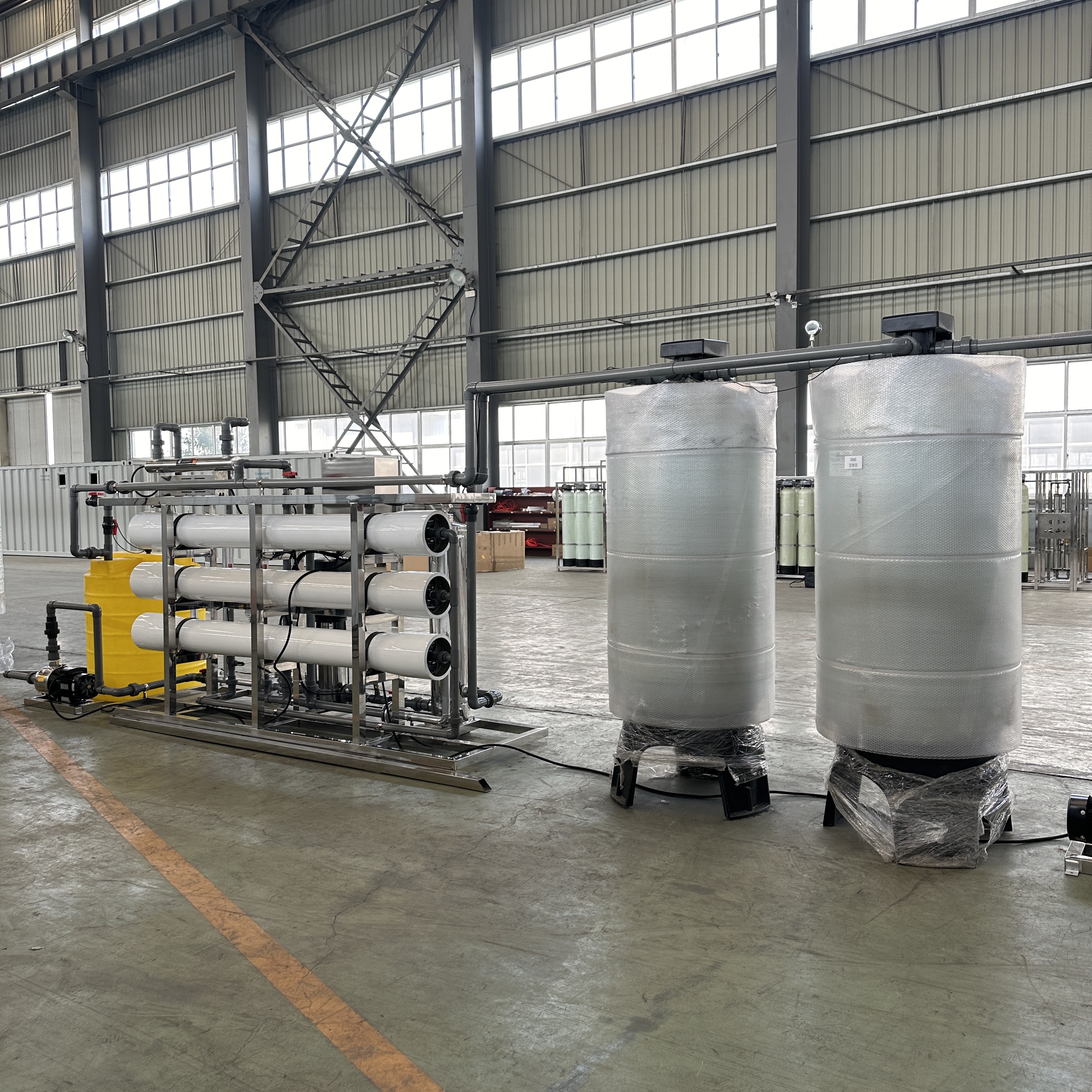
Proper RO water system maintenance is essential for ensuring your reverse osmosis system delivers clean, safe drinking water consistently. Many homeowners and businesses invest in RO water system maintenance solutions but overlook the routine care required to keep them functioning optimally. Understanding how to perform RO water system maintenance correctly can extend your system's lifespan, reduce operational costs, and maintain water quality standards that meet your household or business needs.
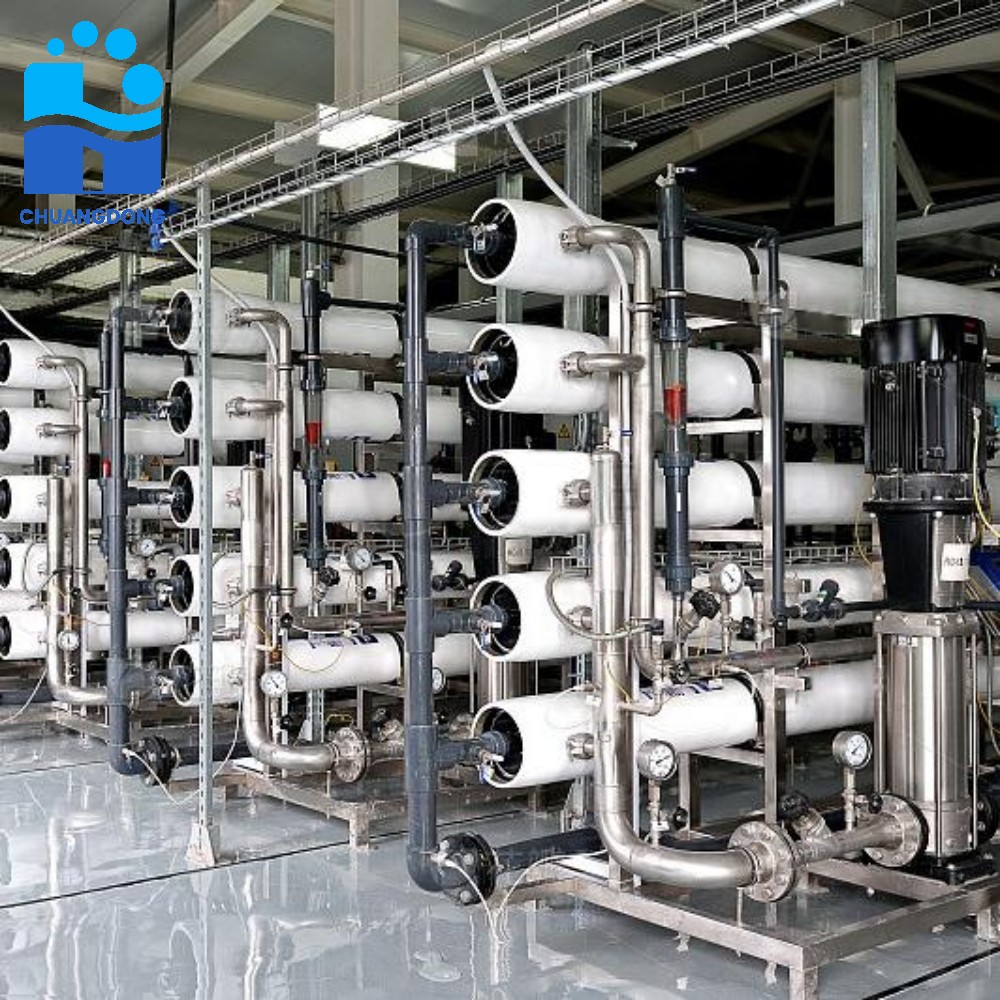
Neglecting RO water system maintenance can lead to reduced water pressure, contaminated output, filter clogging, and premature system failure. Regular RO water system maintenance prevents these issues and ensures your investment continues to protect your family or customers. This guide walks you through every essential step of RO water system maintenance, from filter inspection to membrane flushing, so you can confidently maintain your system yourself.
Understanding Your RO System Components
Pre-Filter and Carbon Filter Stages
The pre-filter and carbon filters are the first line of defense in your RO water system maintenance routine. These filters trap sediment, chlorine, and organic compounds before water reaches the reverse osmosis membrane. During RO water system maintenance, inspect these filters monthly and replace them every six to twelve months, depending on your water quality and usage volume. Neglecting pre-filter replacement during RO water system maintenance accelerates membrane fouling and reduces overall system efficiency.
The Reverse Osmosis Membrane
The RO membrane is the core component requiring careful attention in any RO water system maintenance program. This semi-permeable membrane removes dissolved solids, contaminants, and impurities through reverse osmosis technology. Effective RO water system maintenance includes periodic membrane inspection, cleaning, and scheduled replacement every two to three years under normal use. The membrane's condition directly affects your water's purity and your system's daily output capacity.
Monthly RO Water System Maintenance Checks
Visual Inspection and Pressure Testing
Begin your monthly RO water system maintenance by checking water pressure at key points. Measure inlet pressure, storage tank pressure, and output pressure using a pressure gauge. Normal RO water system maintenance readings typically show inlet pressure between sixty and eighty psi, storage tank pressure around twenty psi, and output pressure varying by system design. A significant pressure drop signals that RO water system maintenance involving filter cleaning or replacement is needed immediately.
Water Quality Assessment
As part of comprehensive RO water system maintenance, test your output water monthly using a total dissolved solids (TDS) meter. RO water system maintenance should produce water with TDS readings below fifty ppm for quality drinking water. If your readings exceed this threshold, your RO water system maintenance schedule may require accelerated filter changes, membrane cleaning, or professional inspection. Consistent monitoring during RO water system maintenance helps you catch problems before they worsen.
Seasonal Deep Maintenance and Filter Replacement
Quarterly Filter Change Protocol
Seasonal RO water system maintenance requires replacing pre-filters and carbon filters every quarter or more frequently if your water supply is heavily contaminated. Shut off water supply before beginning any RO water system maintenance work to prevent leaks and system damage. Drain the storage tank, depressurize the system, and carefully remove old filters from their housings as part of proper RO water system maintenance technique. Install new filters hand-tight, ensuring o-rings are properly seated, then slowly reopen water supply valves while monitoring for leaks during RO water system maintenance startup.
Membrane Cleaning and Sanitization
Annual RO water system maintenance should include professional membrane cleaning or a thorough sanitization cycle using food-grade biocide. This RO water system maintenance step removes biofilm, scaling, and bacterial growth that accumulate on the membrane surface. RO water system maintenance kits often include cleaning chemicals formulated for reverse osmosis membranes. Follow manufacturer instructions precisely during this critical RO water system maintenance procedure to avoid membrane damage.
Troubleshooting Common RO Water System Maintenance Issues
Low Water Pressure and Flow Rate
When RO water system maintenance reveals reduced output pressure or slow flow rates, check your pre-filters and carbon filters first. Clogged pre-filters are the most common cause requiring immediate RO water system maintenance intervention. If replacing filters doesn't resolve the issue, your RO water system maintenance may require membrane inspection and possible cleaning. Storage tank pressure should also be verified during RO water system maintenance troubleshooting, as improper tank pressure reduces output.
Unusual Taste or Odor in Water
Bad taste or odor signals that your RO water system maintenance schedule needs adjustment. Carbon filters lose effectiveness when saturated with chlorine or organic compounds, making RO water system maintenance filter replacement critical. Bacterial contamination also affects water quality, requiring RO water system maintenance sanitization and membrane evaluation. Always address water quality issues promptly as part of your RO water system maintenance protocol to maintain safe drinking water.
FAQ
How often should I perform RO water system maintenance?
Basic RO water system maintenance should occur monthly, with deeper filter replacement happening quarterly or semi-annually depending on water quality. Seasonal RO water system maintenance including membrane cleaning typically occurs annually. Your specific RO water system maintenance schedule depends on your water supply hardness, contamination levels, and manufacturer recommendations.
Can I perform RO water system maintenance myself or do I need a professional?
Most routine RO water system maintenance tasks like filter replacement and pressure testing can be done by homeowners following proper procedures. However, RO water system maintenance involving membrane cleaning, biocide treatment, or complex repairs should be performed by qualified technicians to avoid damage and maintain warranty coverage.
What signs indicate that RO water system maintenance is urgently needed?
Pressure drops, slow water flow, cloudy or discolored water, and unusual tastes or odors all signal that RO water system maintenance cannot wait. If TDS readings spike above fifty ppm, immediate RO water system maintenance attention is necessary to prevent further degradation of your system.