 EN
EN


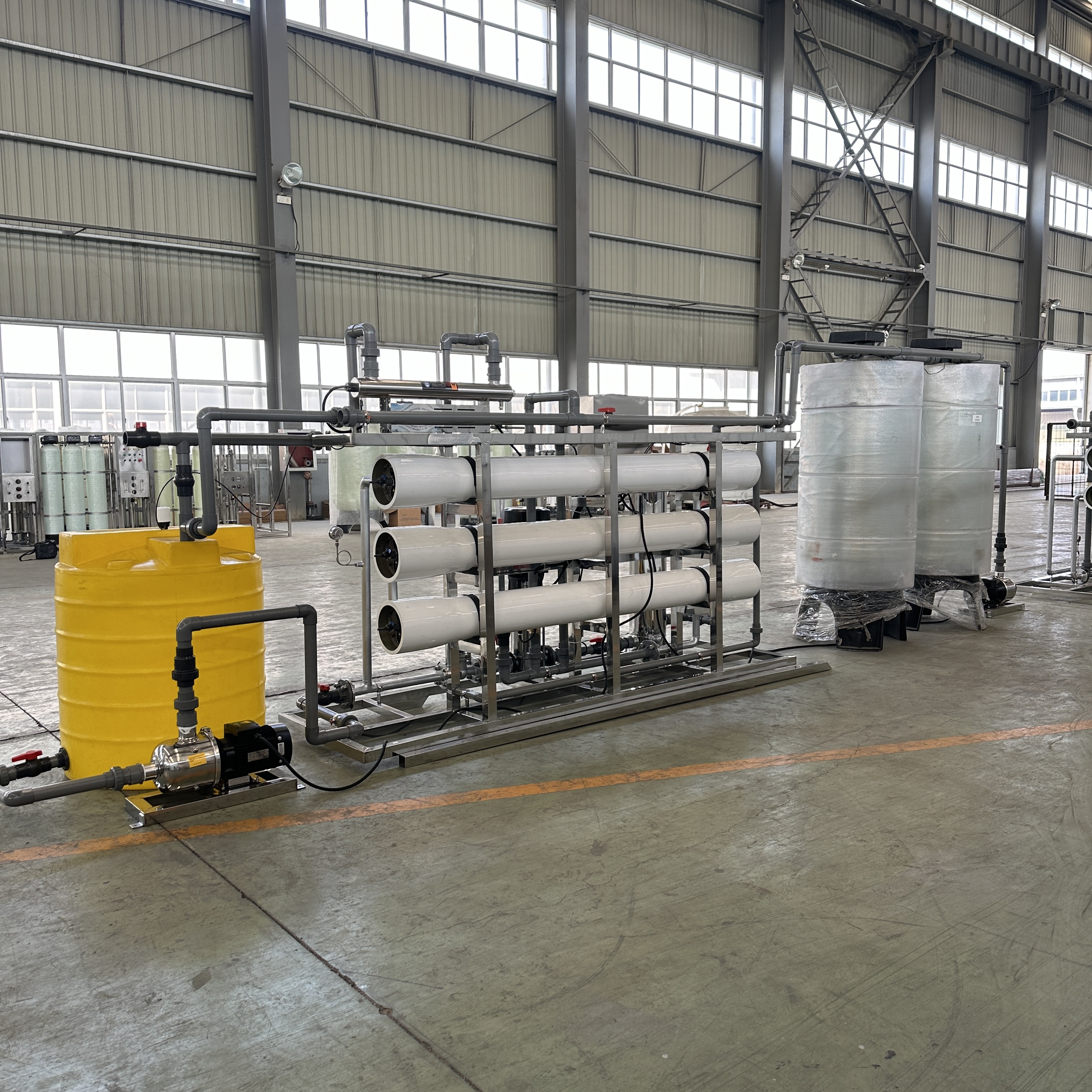
A reverse osmosis plant maintenance program is essential for ensuring consistent water quality, extending equipment lifespan, and minimizing operational costs. Reverse osmosis plant maintenance requires attention to multiple components, from pre-filters to membrane systems, each playing a critical role in the purification process. Without a structured approach to reverse osmosis plant maintenance, facilities risk experiencing reduced output, contaminated water, and costly emergency repairs. Understanding the fundamentals of reverse osmosis plant maintenance empowers operators to prevent failures before they occur and maintain regulatory compliance across all operational metrics.
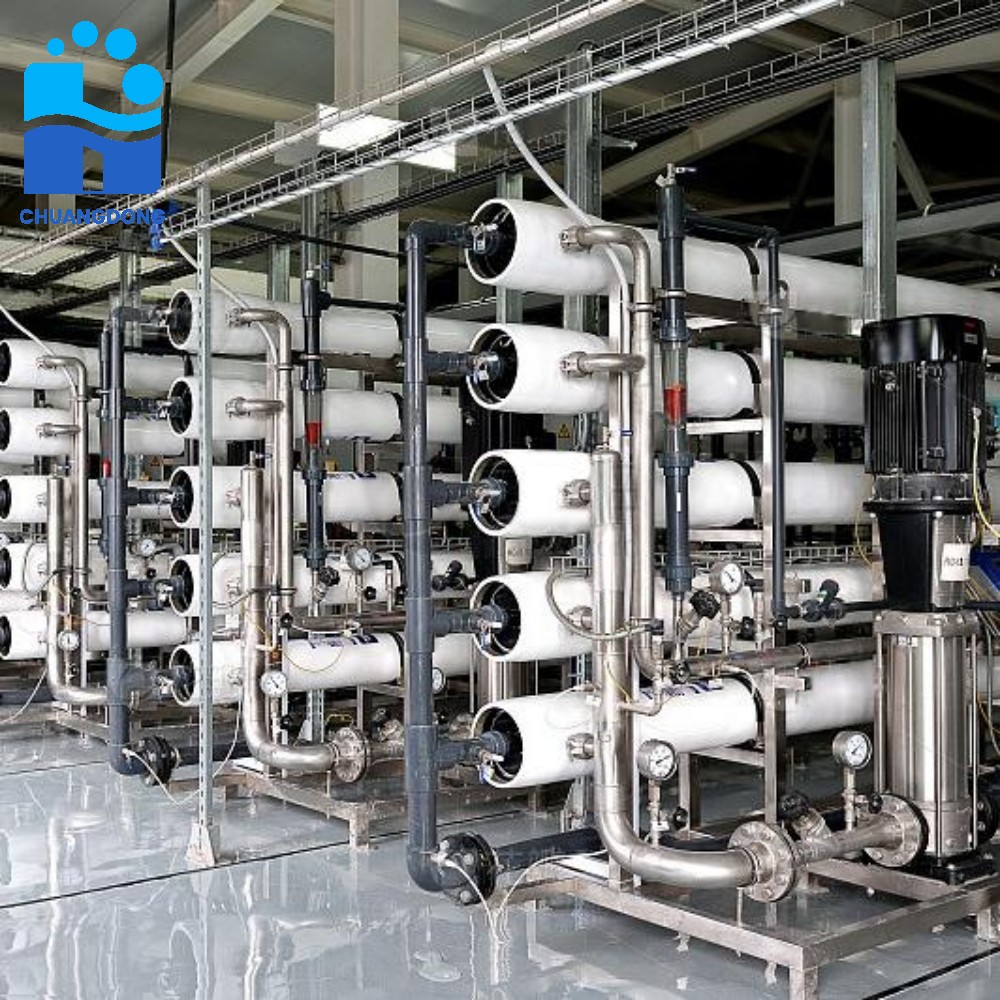
The foundation of effective reverse osmosis plant maintenance lies in understanding that each component works interdependently. When reverse osmosis plant maintenance is neglected, even one failing element can compromise the entire system's output and water quality. This comprehensive guide outlines practical strategies, inspection protocols, and maintenance schedules that help operators manage reverse osmosis plant maintenance with confidence and efficiency.
Understanding Core Maintenance Requirements
Pre-Filter and Sediment Management in Reverse Osmosis Plant Maintenance
Pre-filters form the first defense in any reverse osmosis plant maintenance protocol. These filters remove suspended solids, sediment, and particulates before water reaches the reverse osmosis membranes. During reverse osmosis plant maintenance inspections, operators should monitor pre-filter pressure drop regularly; excessive pressure indicates blockage and signals replacement timing. Neglecting pre-filter changes as part of reverse osmosis plant maintenance allows sediment to accumulate, forcing the RO membranes to work harder and shortening their lifespan significantly. Most facilities performing effective reverse osmosis plant maintenance replace sediment filters every three to six months, depending on source water quality and flow rates.
Membrane Performance Monitoring
The reverse osmosis membrane represents the heart of any reverse osmosis plant maintenance strategy. Membrane performance degradation often indicates the need for deeper reverse osmosis plant maintenance interventions. During routine reverse osmosis plant maintenance, operators track key parameters including feed pressure, permeate flow rate, rejection rate, and conductivity measurements. A gradual increase in feed pressure while permeate flow decreases suggests membrane fouling, a common trigger for chemical cleaning in reverse osmosis plant maintenance protocols. Advanced reverse osmosis plant maintenance programs use real-time monitoring systems to detect anomalies early, allowing preventive action before performance drops below acceptable thresholds.
Implementing Preventive Maintenance Schedules
Daily and Weekly Reverse Osmosis Plant Maintenance Tasks
Establishing daily and weekly routines forms the foundation of sustainable reverse osmosis plant maintenance. Daily reverse osmosis plant maintenance includes visual inspections for leaks, unusual noises, or pressure gauge abnormalities. Operators performing daily reverse osmosis plant maintenance should record feed water temperature, pressure readings, and permeate quality measurements in maintenance logs. Weekly reverse osmosis plant maintenance extends these observations to include pre-filter pressure drop assessment and system flow rate validation. Consistent weekly reverse osmosis plant maintenance prevents small issues from escalating into significant problems requiring expensive repairs or system shutdowns.
Monthly and Quarterly Deep Inspections
Monthly reverse osmosis plant maintenance sessions involve more detailed examinations of mechanical components, seals, and connections. During monthly reverse osmosis plant maintenance, operators should inspect all visible seals for cracks or degradation and check valve operation to ensure proper system pressure management. Quarterly reverse osmosis plant maintenance includes more comprehensive tasks such as cleaning or replacing post-treatment filters, sanitizing storage tanks, and conducting detailed pressure vessel inspections. These deeper interventions, part of comprehensive reverse osmosis plant maintenance protocols, help identify developing issues before they affect water quality or system reliability.
Chemical Cleaning and Membrane Recovery
Recognizing When Chemical Cleaning Becomes Necessary
Chemical cleaning represents a critical intervention within reverse osmosis plant maintenance when fouling occurs despite preventive measures. Identifying the need for chemical cleaning is a key aspect of reactive reverse osmosis plant maintenance planning. Membrane fouling manifests through increased feed pressure, reduced permeate flow, or declining rejection rates, all measurable indicators that signal reverse osmosis plant maintenance intervention is required. Biological fouling, scaling from mineral deposits, or organic matter accumulation each require different cleaning protocols, making accurate fouling identification essential to effective reverse osmosis plant maintenance. Most facilities incorporate chemical cleaning into annual reverse osmosis plant maintenance budgets as a routine element of system care.
Executing Safe Chemical Cleaning Procedures
Chemical cleaning procedures demand precise execution as part of professional reverse osmosis plant maintenance. Reverse osmosis plant maintenance teams must follow manufacturer specifications regarding cleaning agent concentrations, circulation times, and temperature parameters to avoid membrane damage. Low-pH cleaners address mineral scaling while high-pH solutions remove biological and organic fouling, representing different facets of comprehensive reverse osmosis plant maintenance. After chemical cleaning as part of reverse osmosis plant maintenance protocols, systems require thorough flushing and performance validation before returning to normal operation. Improper execution of reverse osmosis plant maintenance chemical procedures can permanently damage membranes, making professional guidance essential for this critical maintenance phase.
System Documentation and Compliance
Maintaining Detailed Records
Documentation forms the backbone of professional reverse osmosis plant maintenance management. Effective reverse osmosis plant maintenance requires recording all maintenance activities, parts replaced, and performance metrics to establish equipment history and identify recurring patterns. Regulatory agencies require facilities to maintain comprehensive reverse osmosis plant maintenance records demonstrating system reliability and water quality assurance. When analyzing reverse osmosis plant maintenance performance over time, historical records reveal seasonal trends, component aging rates, and optimization opportunities. Digital maintenance management systems enhance reverse osmosis plant maintenance tracking by centralizing records and automating alert notifications for upcoming maintenance windows.
Training and Operator Competency
Operator training represents an often-underestimated component of successful reverse osmosis plant maintenance. Well-trained operators performing reverse osmosis plant maintenance consistently recognize early warning signs and execute procedures correctly, preventing costly mistakes. Ongoing education about reverse osmosis plant maintenance technologies, new cleaning methods, and safety protocols ensures operators remain current with industry best practices. Facilities investing in comprehensive operator training for reverse osmosis plant maintenance typically experience higher uptime, better water quality consistency, and reduced emergency repair expenses. Certification programs specifically focused on reverse osmosis plant maintenance provide operators with recognized credentials demonstrating competency in system management.
FAQ
How often should reverse osmosis plant maintenance be performed?
Reverse osmosis plant maintenance frequency depends on feed water quality, system capacity, and local regulations. Daily visual inspections and weekly performance monitoring form the baseline for most facilities. Pre-filter replacement typically occurs every three to six months, while comprehensive reverse osmosis plant maintenance inspections happen quarterly or as needed based on performance metrics. Chemical cleaning, a specialized form of reverse osmosis plant maintenance, occurs annually or more frequently if fouling develops rapidly. Consulting with system manufacturers provides site-specific recommendations for your reverse osmosis plant maintenance schedule.
What signs indicate a reverse osmosis plant needs maintenance?
Several indicators signal that reverse osmosis plant maintenance becomes necessary. Increased feed pressure without corresponding changes in source water conditions suggests membrane fouling requiring reverse osmosis plant maintenance intervention. Declining permeate flow rates, reduced water quality measured by conductivity increases, or visible leaks all warrant immediate reverse osmosis plant maintenance attention. Unusual sounds from the pump or pressure vessels may indicate mechanical problems requiring reverse osmosis plant maintenance inspection. Addressing these warning signs promptly through appropriate reverse osmosis plant maintenance procedures prevents further system degradation.
Can facility operators perform reverse osmosis plant maintenance themselves?
Routine reverse osmosis plant maintenance tasks including filter replacement and performance monitoring fall within operator capabilities after proper training. Daily inspections and basic cleaning are standard reverse osmosis plant maintenance activities that trained facility staff can safely execute. However, complex procedures such as membrane removal, advanced chemical cleaning, or pressure vessel inspection often require specialized expertise, making professional reverse osmosis plant maintenance services preferable for these interventions. Many facilities adopt a hybrid approach, with trained operators handling routine reverse osmosis plant maintenance while contracting specialized services for complex procedures. Consulting system documentation and local regulations helps determine which reverse osmosis plant maintenance tasks are appropriate for in-house handling.