 EN


Understanding the differences between manual and automatic RO system operation is critical for industrial water treatment facilities seeking to optimize performance, reduce labor costs, and maintain consistent output quality. The choice between these two approaches affects operational efficiency, capital investment, staffing requirements, and long-term maintenance expenses. Organizations handling high-volume water treatment must carefully evaluate how each RO system operation method aligns with their production demands, regulatory compliance needs, and technical capabilities. This decision shapes not only daily operations but also the facility's competitive positioning and sustainability profile in increasingly demanding industrial markets.
Modern water treatment facilities face growing pressure to balance cost control with output consistency and environmental compliance. RO system operation methodologies have evolved dramatically, offering operators a spectrum of choices from fully manual processes to entirely automated systems. The fundamental distinction lies in control responsibility, data monitoring, intervention frequency, and system responsiveness. Manual approaches place greater responsibility on skilled operators to monitor pressures, flow rates, recovery ratios, and product water quality through regular testing and adjustment. Automatic RO system operation systems delegate these tasks to programmable logic controllers, sensors, and feedback mechanisms that respond continuously to changing conditions without human intervention.
Core Operational Differences Between Manual and Automatic RO System Operation
Manual RO System Operation and Operator Involvement
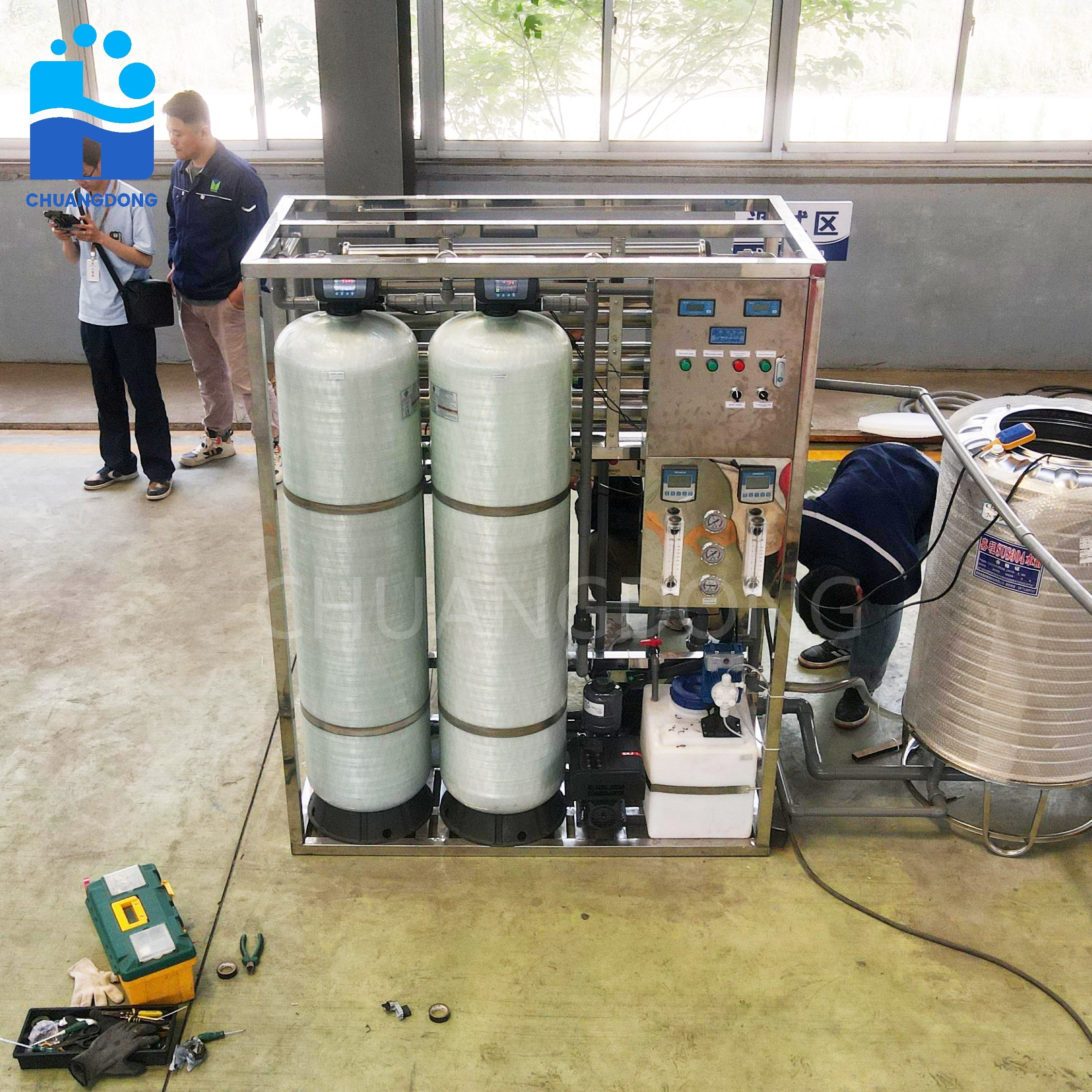
Manual RO system operation requires trained operators to monitor system parameters throughout each shift using analog gauges, direct observation, and periodic water quality testing. Operators manually adjust feed pressure, flowrates, and valve positions based on observed conditions and testing results. This hands-on approach demands significant technical knowledge and consistent attention, as operators must recognize when conditions drift outside acceptable ranges and implement corrective actions promptly. Manual RO system operation works best in facilities with stable feed water characteristics, moderate production volumes, and experienced technical staff committed to rigorous monitoring protocols.
Automatic RO System Operation and Continuous Adjustment
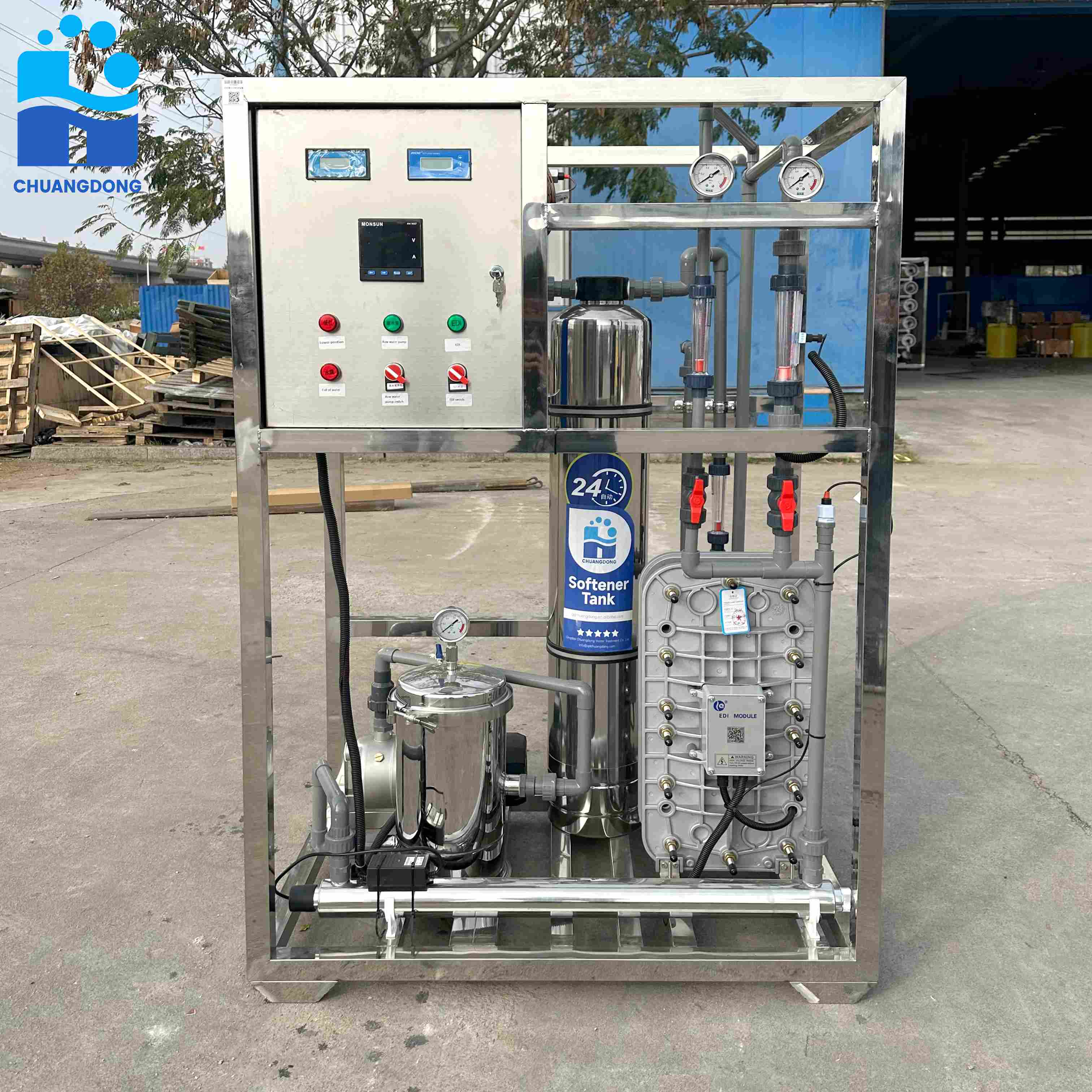
Automatic RO system operation relies on integrated sensors, programmable controllers, and automated valve mechanisms to maintain optimal conditions continuously. These systems monitor feed water pressure, product water quality, system temperature, and membrane conditions in real time, making micro-adjustments to maintain target specifications without operator intervention. The RO system operation becomes self-regulating, allowing operators to focus on monitoring alarms, scheduled maintenance, and system diagnostics rather than constant parameter adjustment. Automatic RO system operation excels in high-volume production environments where consistency, uptime reliability, and reduced human error are paramount business priorities.
Efficiency, Productivity, and Economic Impact of RO System Operation
Labor Cost and Staffing Implications
Manual RO system operation typically requires continuous operator presence, with facilities often staffing multiple shifts with skilled technicians to maintain round-the-clock monitoring and response capability. Labor costs accumulate substantially over time, particularly when accounting for training expenses, overtime premiums during peak production, and the need to maintain redundant staffing for backup coverage. Automatic RO system operation systems reduce hands-on labor requirements significantly, allowing one operator to oversee multiple systems simultaneously or handle broader facility responsibilities while the RO system operation automation handles routine monitoring. The shift from labor-intensive to automation-intensive models often delivers payback within two to four years for high-volume facilities, though initial capital investment remains substantial.
Energy Efficiency and Recovery Optimization
Experienced operators skilled in manual RO system operation can achieve respectable recovery ratios and energy efficiency, but consistency depends heavily on individual attention and environmental variability. Automatic RO system operation systems optimize energy usage by continuously adjusting feed pressure to the minimum required for target product flow, reducing concentrate generation and minimizing energy waste. Advanced RO system operation automation incorporates variable frequency drives, proportional pressure control, and adaptive recovery management that responds instantly to feed water quality changes. Facilities transitioning from manual to automatic RO system operation typically achieve five to ten percent energy savings while simultaneously improving product water quality consistency and extending membrane lifespan through more precise operational parameters.
Maintenance Requirements and System Reliability in RO System Operation
Predictive Maintenance and System Diagnostics
Manual RO system operation depends on scheduled preventive maintenance and operator observations to detect emerging problems, often resulting in reactive repairs after equipment failure or performance degradation becomes apparent. Automatic RO system operation systems collect continuous performance data, monitor pressure differential trends across membrane stages, track flux decline patterns, and alert technicians to maintenance needs before they impact production. Historical RO system operation data helps maintenance teams identify optimal cleaning cycles, predict membrane lifespan with greater accuracy, and optimize replacement scheduling around production schedules. This data-driven approach minimizes unexpected downtime, extends component lifespan, and enables more efficient inventory management for replacement parts and cleaning chemicals.
Alarm Response and Contingency Protocol
Manual RO system operation facilities rely on operators to notice problems and implement corrective actions, which introduces delays and human error potential during high-stress situations. Automatic RO system operation systems trigger immediate alarms for specific fault conditions—low product pressure, high conductivity, membrane differential pressure exceeding limits, or temperature excursions—and can execute pre-programmed responses like adjusting setpoints or isolating affected sections. Facilities utilizing advanced RO system operation automation achieve significantly higher uptime percentages, typically ninety-eight to ninety-nine percent compared to ninety-two to ninety-six percent for well-maintained manual systems. The reliability advantage becomes increasingly valuable in mission-critical applications where water supply interruptions trigger cascading production halts or safety concerns.
Quality Control, Consistency, and Compliance Benefits of RO System Operation
Product Water Quality Stability
Manual RO system operation produces product water quality that fluctuates within broader ranges because operator-adjusted setpoints cannot respond as quickly as automated systems to feed water variations. Automatic RO system operation maintains tighter control over conductivity, pH, and other quality parameters by making continuous adjustments measured in seconds rather than minutes or hours. Industries requiring ultra-pure water for semiconductors, pharmaceuticals, or high-precision manufacturing depend on this consistency; manual RO system operation cannot reliably meet such stringent specifications. Facilities with automatic RO system operation generate more consistent product throughout each shift and across consecutive days, reducing quality-related product waste and customer complaints.
Regulatory Documentation and Compliance Reporting
Automatic RO system operation systems capture detailed operational logs automatically, documenting pressures, flows, quality measurements, and alarm events in electronic records that satisfy regulatory audit requirements with minimal effort. Manual RO system operation facilities must maintain operator log sheets, which introduce transcription errors and require substantial administrative effort to compile into compliance reports. Regulated industries including pharmaceuticals, food processing, and medical device manufacturing increasingly demand electronic records of RO system operation parameters to demonstrate consistent process control. The compliance advantage of automatic RO system operation is substantial, reducing audit preparation burden while providing defensible evidence of process integrity and quality assurance.
FAQ
Is automatic RO system operation worth the initial capital investment for small facilities?
For facilities producing under five thousand gallons daily, manual RO system operation may remain economically optimal because capital costs for automation systems typically exceed operational savings within reasonable payback periods. However, if feed water quality is highly variable, product quality requirements are strict, or skilled operators are difficult to recruit and retain, automatic RO system operation can justify investment even at smaller scales. Facilities should analyze expected operator labor costs over ten-year equipment lifespan, energy savings potential, anticipated downtime reductions, and product quality impact before deciding against automation for RO system operation.
Can manual RO system operation achieve the same product water quality as automatic systems?
Experienced operators conducting manual RO system operation can achieve excellent average quality results, but automatic RO system operation systems maintain tighter real-time consistency because sensors and control systems respond to parameter changes infinitely faster than human operators. For applications where product water quality must remain within extremely narrow ranges throughout each shift, automatic RO system operation is essentially mandatory. Manual RO system operation succeeds best when product quality requirements allow reasonable variation ranges and feed water characteristics remain relatively stable.
What training and technical skills does manual RO system operation require?
Manual RO system operation operators need comprehensive understanding of reverse osmosis principles, membrane behavior, pressure relationships, feed water chemistry, and troubleshooting methodologies. Effective manual RO system operation training programs typically require four to eight weeks of structured instruction plus several months of supervised hands-on experience before operators achieve independent competency. Automatic RO system operation systems require different skill emphasis: operators focus on monitoring system status, interpreting alarms, performing routine maintenance tasks, and understanding controller interface functionality rather than real-time parameter optimization.