 EN


Selecting the right water treatment system is one of the most important decisions you can make for your home or business. The quality of water directly impacts your health, operational efficiency, and long-term costs. Whether you need a water treatment system for residential use, industrial applications, or process water purification, understanding your specific requirements and available options is essential. A water treatment system tailored to your unique circumstances will provide reliable performance, cost savings, and peace of mind for years to come.
The process of choosing a water treatment system requires careful evaluation of multiple factors, including your water source, contamination levels, daily consumption volume, and budget constraints. Different water treatment system technologies address different contaminants and serve different purposes, so matching the right solution to your actual water quality challenges is critical. This guide will help you navigate the selection process and identify the water treatment system that delivers the performance and reliability your situation demands.
Understanding Your Water Quality and Needs
Assessing Current Water Conditions
Before selecting a water treatment system, you must understand what impurities currently exist in your water supply. Test your water for common contaminants including sediment, chlorine, bacteria, viruses, heavy metals, and dissolved solids. Your local water utility can provide a water quality report, but a professional third-party water analysis often reveals issues that standard reports miss. Understanding your baseline water quality directly shapes which water treatment system technologies will be most effective for your specific situation. A water treatment system designed for sediment removal alone won't address bacterial contamination, so accurate water testing forms the foundation of your decision.
Determining Your Water Volume Requirements
Calculate how much treated water you actually need daily. Residential households typically require 50 to 100 gallons per person per day, while industrial facilities need calculations based on production processes. Your water treatment system capacity must match or exceed this demand, as an undersized system will struggle to keep pace or require frequent maintenance cycles. Conversely, an oversized water treatment system wastes energy and increases operational costs unnecessarily. Matching system capacity to your genuine water consumption ensures your water treatment system performs efficiently without degradation during peak usage periods.
Evaluating Water Treatment System Technologies
Reverse Osmosis and Advanced Filtration
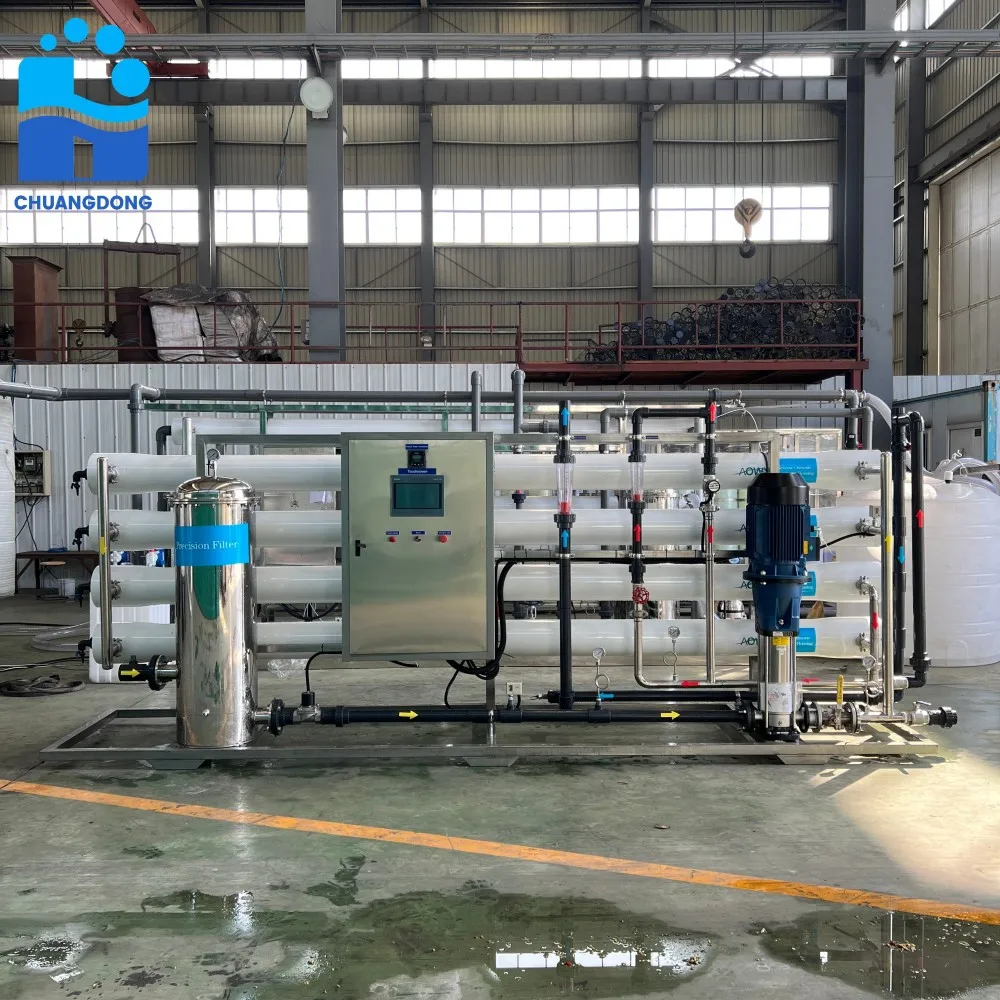
Reverse osmosis represents one of the most comprehensive water treatment system approaches available today. This technology forces water through a semipermeable membrane, removing up to 99 percent of dissolved solids, minerals, bacteria, and chemical contaminants. A reverse osmosis water treatment system excels at producing high-purity water suitable for drinking, laboratory work, and sensitive industrial processes. However, reverse osmosis water treatment system units typically waste water during the filtration process and may require pre-filtration stages to protect the delicate membrane. Understanding the specific advantages and limitations of a reverse osmosis water treatment system helps you determine whether this technology aligns with your purity requirements and sustainability concerns.
Multi-Stage Filtration Approaches
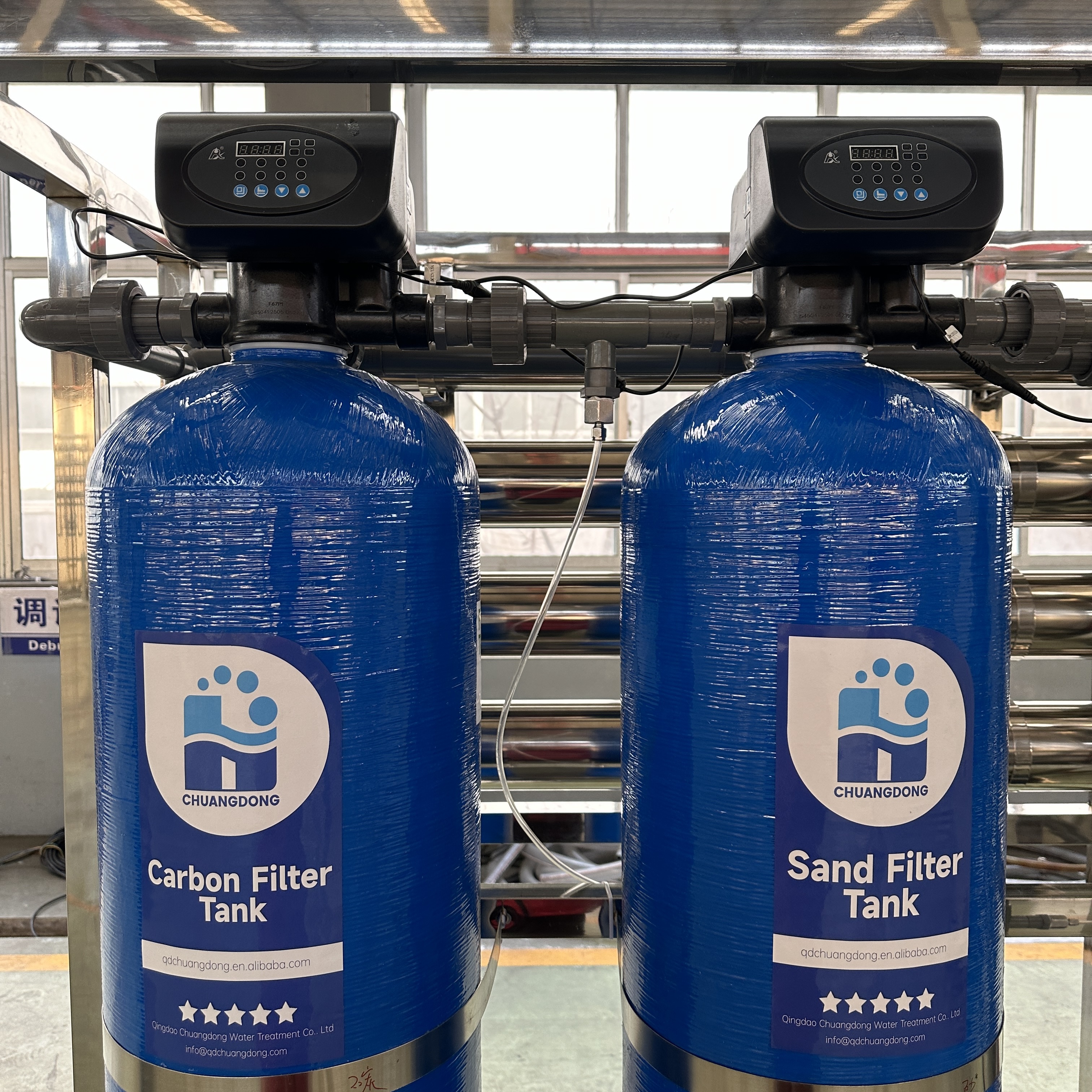
Many effective water treatment system solutions employ multiple filtration stages working in sequence. A typical water treatment system configuration might include sediment pre-filters, activated carbon filters, and specialized removal stages targeting specific contaminants. This layered water treatment system approach prevents any single filter from becoming overloaded and extends the service life of all components. The best water treatment system for your application depends on your specific contaminant profile and performance goals. Multi-stage water treatment system designs provide flexibility and often deliver superior results compared to single-technology solutions, especially for complex water quality challenges.
Practical Implementation and Maintenance Considerations
Installation Compatibility and Infrastructure
Your chosen water treatment system must integrate properly with your existing plumbing infrastructure and available space. Some water treatment system models mount under counters, while others require dedicated installation areas or outdoor placement. Industrial water treatment system installations demand additional considerations including pressure requirements, drainage specifications, and electrical connections. Consulting with a qualified technician before purchasing your water treatment system ensures compatibility and prevents costly mistakes. A water treatment system that looks ideal on paper may prove impractical if your facility cannot accommodate its physical footprint or operational requirements.
Ongoing Maintenance and Filter Replacement
Every water treatment system requires regular maintenance to sustain peak performance. Filter replacement schedules, sanitization protocols, and membrane cleaning procedures vary significantly depending on your water treatment system type and local water conditions. Budget for replacement filters, parts, and professional servicing when evaluating total cost of ownership for your water treatment system. A water treatment system with lower upfront costs may become expensive if filters require frequent replacement or professional maintenance proves difficult to access. Understanding the long-term maintenance demands of your chosen water treatment system prevents operational disruptions and hidden expenses down the road.
FAQ
What size water treatment system do I need for my household?
Most households need a water treatment system capable of handling 50 to 100 gallons per person daily. A family of four typically benefits from a water treatment system with a capacity of 200 to 400 gallons per day under normal usage. However, your specific water treatment system size should account for peak usage periods, guest visits, and any outdoor water needs. Consult system manufacturers' capacity guidelines and consider whether your water treatment system will serve only drinking water or multiple applications throughout your home.
Can a water treatment system remove all contaminants?
No single water treatment system technology removes every possible contaminant. A high-quality reverse osmosis water treatment system removes approximately 99 percent of dissolved solids and most biological contaminants, but specialized systems target specific issues like iron, sulfur, or radioactive particles. Your water treatment system selection should prioritize the contaminants most prevalent in your supply. Professional water testing ensures your chosen water treatment system addresses your actual challenges rather than unnecessary treatments that add cost and complexity.
How often should I replace filters in my water treatment system?
Filter replacement frequency depends on your water quality, daily usage volume, and specific water treatment system design. Most sediment pre-filters require replacement every 3 to 6 months, while activated carbon filters typically last 6 to 12 months. Reverse osmosis membranes in a quality water treatment system may perform effectively for 2 to 3 years with proper maintenance. Monitor water flow rate and taste changes as indicators that your water treatment system needs filter replacement, and follow manufacturer recommendations for optimal performance and water quality.