 EN
EN



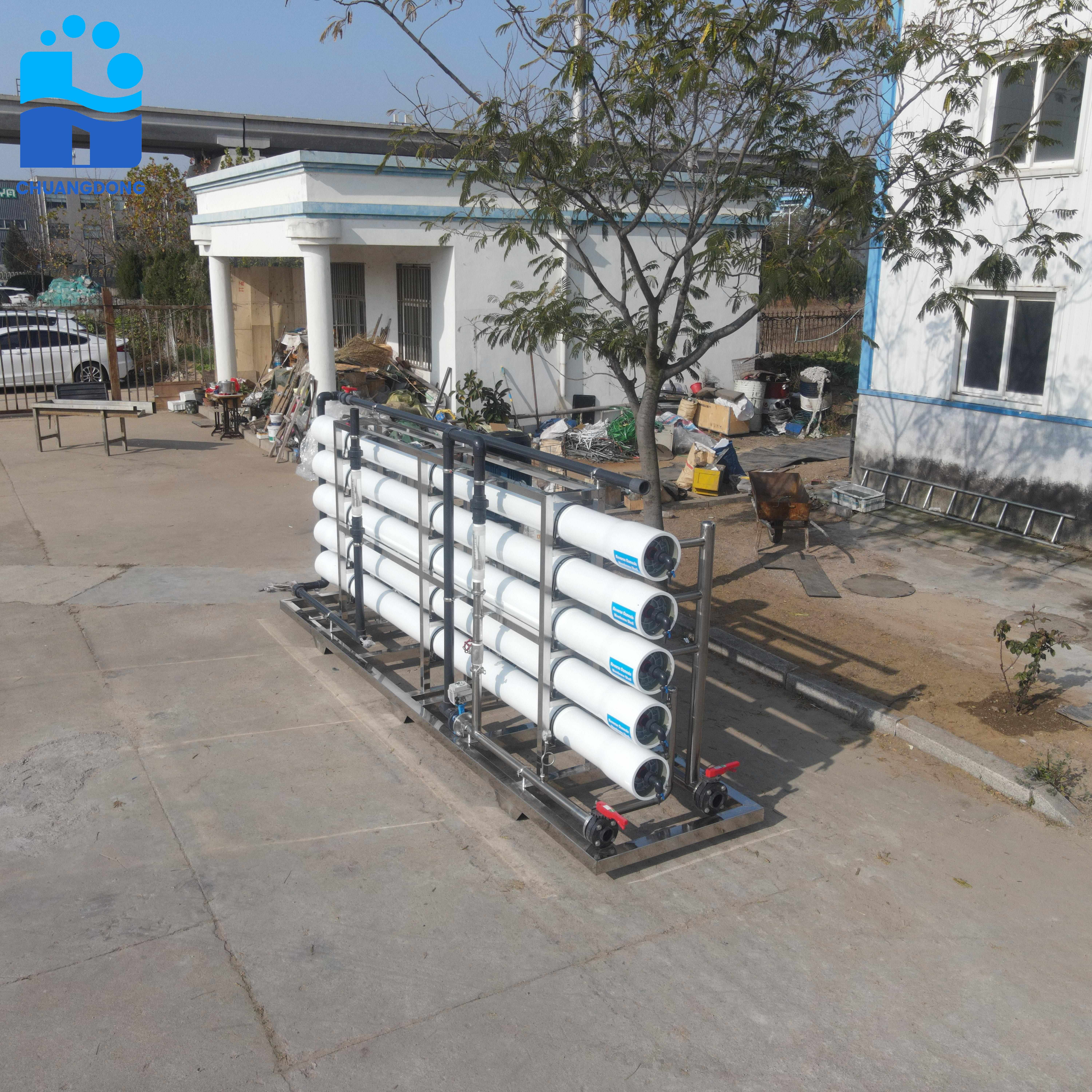
Modern industries and households increasingly demand effective solutions that eliminate contaminants without relying on harsh chemical additives. A water purification system has evolved dramatically over the past decade, with advanced technologies like ultraviolet light and ozone emerging as game-changing alternatives to traditional chemical-based treatment methods. These innovations represent a fundamental shift in how we approach drinking water safety, industrial process water quality, and environmental responsibility. Understanding how a water purification system leverages these chemical-free technologies helps facility managers and consumers make informed decisions about their water treatment infrastructure.
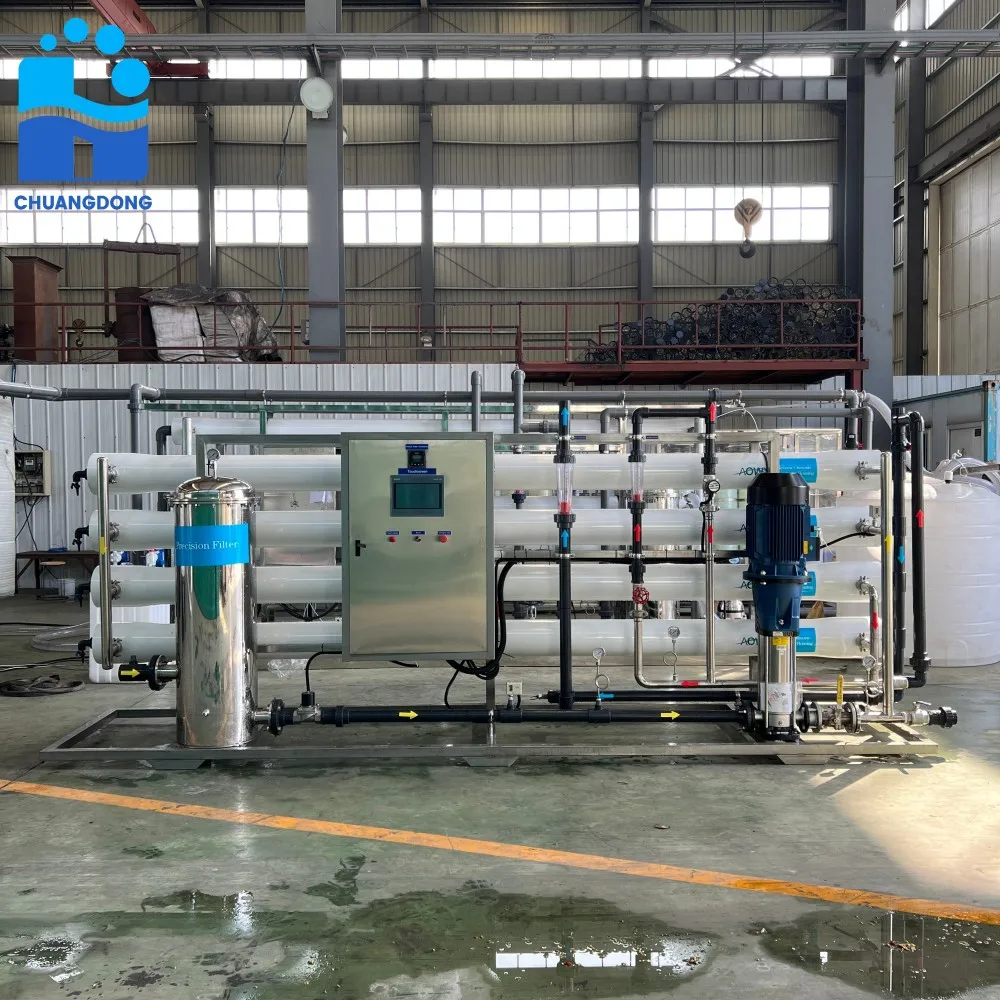
The integration of UV and ozone technologies into a water purification system delivers measurable benefits: pathogen elimination, taste and odor removal, extended equipment lifespan, and compliance with stringent water quality standards. These methods work through completely different mechanisms than chemical disinfection, making them ideal for applications where chemical residues pose concerns or where sustainability drives purchasing decisions. A water purification system built around these technologies can serve residential properties, commercial facilities, industrial manufacturing operations, and municipal water distribution networks with equal effectiveness.
How UV Technology Functions in a Water Purification System
The Mechanism Behind Ultraviolet Disinfection
Ultraviolet light operates within the electromagnetic spectrum at wavelengths between 200 and 400 nanometers. When integrated into a water purification system, UV technology targets the DNA and RNA of microorganisms including bacteria, viruses, and protozoa, rendering them unable to reproduce or cause infection. The UV rays penetrate cell membranes and damage genetic material within milliseconds, creating an instantaneous disinfection effect. Unlike chemical disinfectants, a water purification system using UV produces no harmful byproducts or residual chemicals that could contaminate downstream processes or affect human health.
Advantages and Operational Considerations
A water purification system employing UV technology requires no chemical additives, making it exceptionally clean for sensitive applications like pharmaceutical manufacturing, food and beverage production, and high-purity laboratory water systems. The operational cost remains low because UV lamps require only electrical power; there are no chemical inventories to purchase, store, or dispose of safely. However, a water purification system with UV depends on water clarity, because suspended particles and turbidity can shield microorganisms from UV exposure. Pre-filtration stages become essential components of any comprehensive water purification system using this approach. Maintenance involves periodic lamp replacement, typically every 8,000 to 10,000 operating hours, making it predictable and budget-friendly compared to ongoing chemical purchases.
Ozone Treatment in Modern Water Purification Systems
The Science of Ozone-Based Purification
Ozone is an unstable gas molecule composed of three oxygen atoms that breaks down into standard oxygen after disinfecting contaminants. When a water purification system generates and injects ozone into treatment chambers, the gas attacks microorganisms, oxidizes taste and odor compounds, and neutralizes chemical pollutants through powerful oxidation reactions. A water purification system using ozone eliminates bacteria, viruses, fungi, and protozoa while also removing iron, manganese, pesticides, and other complex organic molecules that traditional filtration cannot address alone. The oxidation process happens within seconds, making ozone one of the fastest-acting disinfectants available for any water purification system application.
Ozone Advantages and Implementation
A water purification system incorporating ozone technology offers superior performance against resistant organisms like cryptosporidium that chlorine-based systems struggle to eliminate effectively. The process produces no toxic residues; ozone converts back to oxygen within 20 to 30 minutes, leaving behind only pure water. For industrial facilities requiring exceptional water quality standards, a water purification system with ozone integration delivers competitive advantages in product consistency and safety compliance. Generator equipment for a water purification system varies in scale from small on-site units to large centralized systems, allowing flexibility across different facility sizes. The primary consideration involves ensuring adequate ventilation and monitoring, since ozone is a potent oxidant and direct exposure poses respiratory risks if not properly managed within a water purification system design.
Combining Technologies for Optimal Water Purification System Performance
Multi-Stage Integration Strategies
Leading-edge facilities deploy a water purification system combining multiple treatment stages to maximize safety and quality outcomes. Pre-filtration removes sediment and suspended solids, then ozone treatment addresses microorganisms and oxidizable contaminants, while UV technology provides final-stage disinfection to guarantee complete pathogen elimination. A water purification system structured this way offers redundancy; if one treatment stage experiences temporary issues, the subsequent stages provide backup protection. The combination approach also addresses the specific weakness of UV technology regarding pre-treatment requirements, since ozone oxidation reduces turbidity and improves downstream UV effectiveness within the water purification system.
Selection Factors for Different Applications
Choosing between ozone and UV for a water purification system depends on specific water quality challenges and facility requirements. High iron or manganese content makes ozone-based water purification system designs preferable because ozone oxidizes these metals into removable precipitates. Facilities prioritizing chemical-free operation with minimal maintenance favor UV technology in their water purification system because lamp replacement represents straightforward maintenance compared to ozone generator servicing. Some applications require both technologies in a water purification system to address complex contamination profiles or to meet exceptionally stringent regulatory standards. Cost analysis for a water purification system installation should evaluate capital equipment expenses, ongoing operational costs, utility consumption, and maintenance labor requirements across the five to ten-year facility planning horizon.
FAQ
Can a water purification system using only UV technology eliminate all types of pathogens?
UV technology in a water purification system effectively destroys most bacteria, viruses, and protozoa through DNA damage, but it does not address chemical contaminants, taste, odor, or non-living pollutants. A water purification system relying solely on UV also requires excellent pre-filtration to prevent suspended particles from blocking UV rays and sheltering microorganisms. For comprehensive contamination removal, most industrial applications combine UV with other treatment stages to create a complete water purification system solution.
Does ozone treatment in a water purification system leave residual chemicals in the water?
Ozone present in a water purification system naturally decomposes into oxygen within 20 to 30 minutes, leaving no harmful residues behind. This makes ozone an attractive option for a water purification system when zero-chemical-residue requirements are critical, such as in pharmaceutical production or food processing. The absence of lasting chemical byproducts distinguishes ozone-based water purification system designs from chlorine treatments, which can leave detectable residues requiring additional removal stages.
What maintenance demands does a water purification system with UV and ozone technologies require?
A water purification system using UV requires periodic lamp replacement every 8,000 to 10,000 operating hours and routine cleaning of the lamp housing to maintain effectiveness. An ozone-based water purification system demands monitoring of generator performance, electrode inspection, and periodic replacement of ozone-producing components. Both types of water purification system require regular pre-filtration maintenance and system water quality monitoring to ensure optimal performance and regulatory compliance across facility operations.