 EN



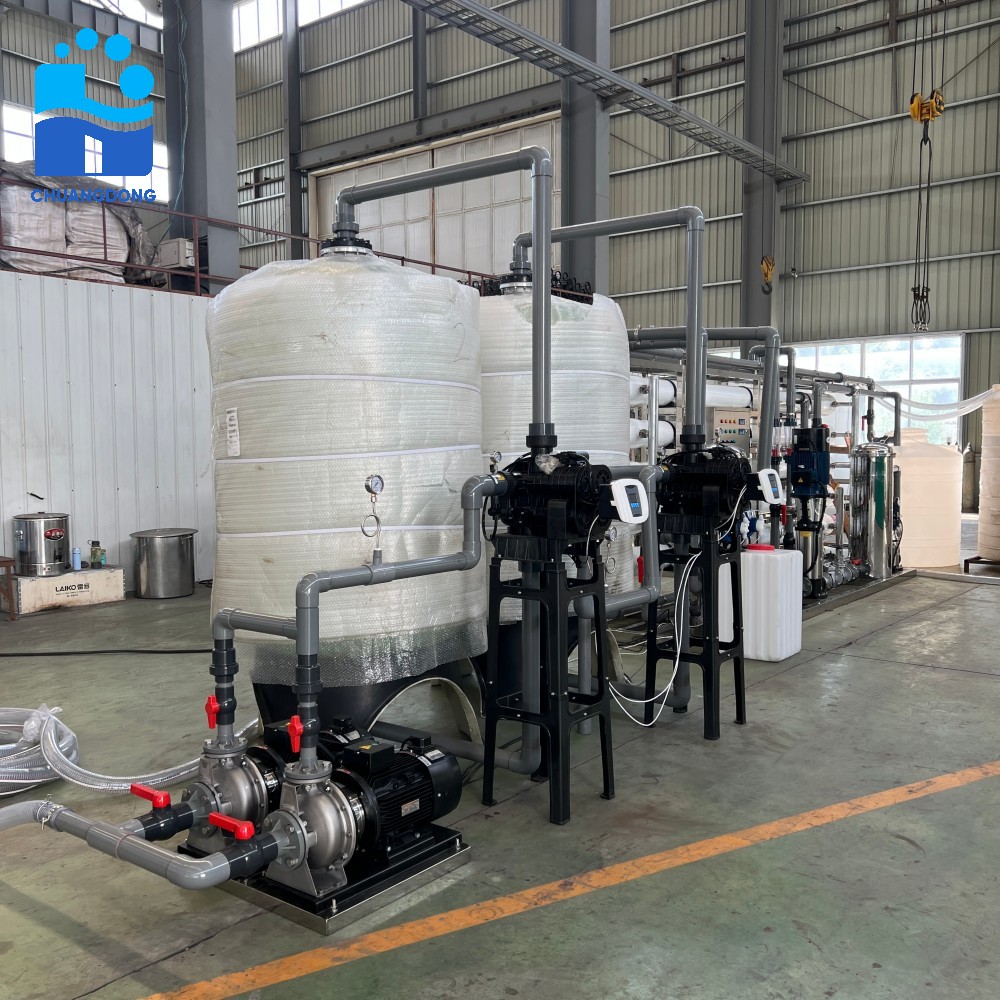
Understanding the TDS rejection rate of RO filter systems is fundamental to evaluating water treatment effectiveness and choosing the right filtration technology for your specific needs. Total dissolved solids, commonly abbreviated as TDS, represent the concentration of inorganic salts, minerals, and other dissolved compounds present in water, measured in parts per million (ppm). The TDS rejection rate of RO filter systems determines how efficiently a reverse osmosis system removes these contaminants from contaminated water sources, making it a critical performance metric for industrial, commercial, and residential applications.
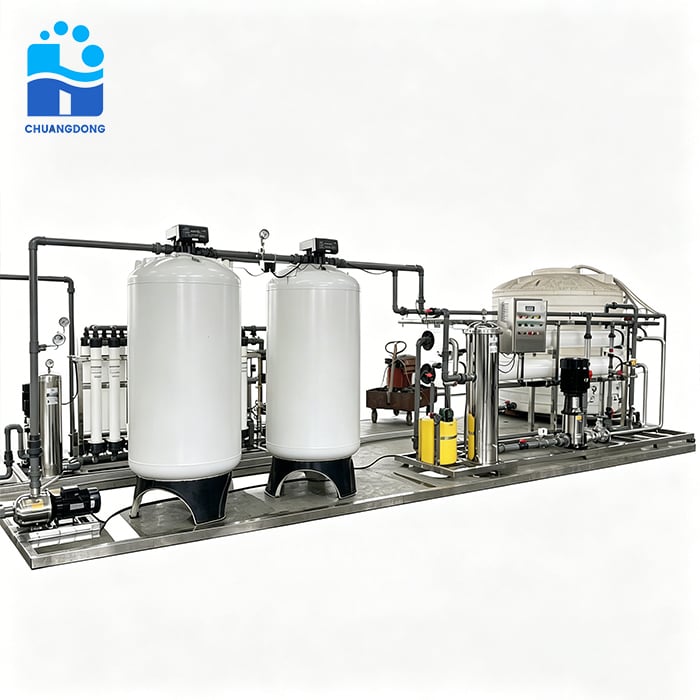
The TDS rejection rate of RO filter systems typically ranges from 85 to 99 percent, depending on membrane quality, system design, operating pressure, and feed water characteristics. A high TDS rejection rate of RO filter systems indicates that the reverse osmosis membrane effectively separates dissolved minerals and contaminants from the water supply, producing clean permeate water suitable for consumption or further processing. Understanding how the TDS rejection rate of RO filter systems functions is essential for water treatment professionals, facility managers, and anyone relying on reverse osmosis technology to meet strict water quality standards.
How TDS Rejection Rate of RO Filter Systems Works
Membrane Technology and Separation Process
The TDS rejection rate of RO filter systems depends primarily on the semipermeable membrane's capability to block dissolved ions and molecules while allowing water molecules to pass through. Reverse osmosis membranes possess pores measuring approximately 0.0001 microns, small enough to exclude dissolved salts, minerals, and most contaminants. When feed water is pressurized across the membrane at 150 to 300 pounds per square inch (psi), water molecules penetrate the membrane structure, while larger dissolved compounds remain in the concentrate stream. The TDS rejection rate of RO filter systems improves when operating pressure increases, feed water temperature rises moderately, or membrane age remains recent and the membrane remains unsoiled.
Factors Influencing TDS Rejection Performance
The TDS rejection rate of RO filter systems varies based on several interconnected operational and environmental factors. Feed water temperature directly impacts the TDS rejection rate of RO filter systems because higher temperatures increase molecular kinetic energy and water viscosity changes, potentially improving ion separation efficiency. The initial TDS concentration in feed water also affects performance because higher inlet TDS concentrations may reduce the TDS rejection rate of RO filter systems slightly. System recovery rate, which represents the percentage of feed water converted to permeate, influences the TDS rejection rate of RO filter systems because higher recovery rates push the membrane harder and may decrease rejection efficiency. Membrane age and fouling directly determine the TDS rejection rate of RO filter systems, as accumulated deposits and scaling reduce effective membrane surface area and compromise rejection capability.
Measuring and Monitoring TDS Rejection Rate
Calculation Method and Performance Assessment
The TDS rejection rate of RO filter systems is calculated using a straightforward formula that compares inlet and outlet TDS concentrations. Professional technicians measure TDS in the feed water stream and the permeate stream using calibrated TDS meters, then apply this calculation: (Feed TDS - Permeate TDS) divided by Feed TDS, multiplied by 100 to express the TDS rejection rate of RO filter systems as a percentage. For example, if feed water contains 2000 ppm TDS and the permeate contains 50 ppm TDS, the TDS rejection rate of RO filter systems equals (2000-50)/2000 × 100, which equals 97.5 percent. Regular monitoring of the TDS rejection rate of RO filter systems helps operators detect membrane degradation, fouling, or system malfunction before water quality deteriorates beyond acceptable limits.
Real-World Monitoring Practices
Industrial facilities and water treatment plants establish baseline TDS rejection rate measurements for their RO filter systems during initial commissioning to establish performance benchmarks. Operators typically measure the TDS rejection rate of RO filter systems daily, weekly, or monthly depending on feed water quality variability and regulatory requirements. When the TDS rejection rate of RO filter systems declines by more than five to ten percent from the established baseline, this signals potential membrane fouling, scaling, or mechanical degradation requiring immediate investigation. Many modern RO filter systems incorporate automated monitoring equipment that continuously measures the TDS rejection rate of RO filter systems and alerts operators when performance falls outside acceptable ranges.
Optimizing TDS Rejection Rate in RO Filter Systems
Maintenance and Preventive Strategies
Maintaining high TDS rejection rate performance in RO filter systems requires consistent preventive maintenance and proper feed water pretreatment. Installing sediment filters, activated carbon units, and water softeners upstream of the RO filter systems removes suspended particles, organic compounds, and hardness minerals that otherwise reduce the TDS rejection rate of RO filter systems through fouling and scaling. Chemical cleaning procedures performed quarterly or semi-annually restore membrane surface cleanliness and recover degraded TDS rejection rate of RO filter systems caused by fouling or biological growth. Membrane replacement schedules, typically every three to five years depending on feed water quality, ensure the TDS rejection rate of RO filter systems remains consistently high by using fresh membranes with optimal rejection capability.
System Design Optimization
Advanced RO filter systems now incorporate multi-stage configurations that enhance overall TDS rejection rate by combining two or more membrane stages in series. The first-stage TDS rejection rate of RO filter systems typically achieves 95 to 98 percent removal, while concentrate from the first stage enters a second-stage membrane where the TDS rejection rate of RO filter systems further processes remaining dissolved solids. This two-stage or multi-stage approach produces polished permeate with TDS levels as low as 10 to 20 ppm, meeting stringent requirements for semiconductor manufacturing, pharmaceutical production, and power generation facilities. Operating pressure optimization and feed flow rate adjustment also influence the TDS rejection rate of RO filter systems, with experienced operators carefully balancing production volume against the TDS rejection rate of RO filter systems performance.
FAQ
What is a typical TDS rejection rate for standard RO filter systems?
Most commercial and industrial RO filter systems achieve a TDS rejection rate between 90 and 99 percent under normal operating conditions. The specific TDS rejection rate of RO filter systems depends on membrane type, operating pressure, feed water characteristics, and system age. Premium high-rejection membranes may deliver TDS rejection rates exceeding 98 percent, while older or lower-grade systems might achieve 85 to 90 percent rejection rates. Manufacturers typically specify the expected TDS rejection rate of RO filter systems in technical documentation.
How does membrane fouling affect the TDS rejection rate of RO filter systems?
Membrane fouling progressively reduces the TDS rejection rate of RO filter systems by coating the membrane surface with particles, minerals, or biological material that partially blocks water passage and compromises ion separation. As fouling accumulates, the effective TDS rejection rate of RO filter systems may decline by five to fifteen percent or more, necessitating chemical cleaning or membrane replacement. Regular pretreatment, feedwater quality monitoring, and preventive maintenance help maintain consistent TDS rejection rate performance in RO filter systems throughout their operational life.
Can the TDS rejection rate of RO filter systems be improved through operational adjustments?
Yes, optimizing feed water pressure, temperature, and recovery rate can improve the TDS rejection rate of RO filter systems within limits. Increasing operating pressure from 150 to 225 psi typically enhances the TDS rejection rate of RO filter systems by 2 to 5 percent because higher pressure forces more water through the membrane while blocking dissolved ions more effectively. However, excessive pressure may reduce membrane life or encourage fouling, so operators must balance the TDS rejection rate of RO filter systems performance against system durability and operational costs.