 EN



Desalination plants require substantial energy input to convert seawater into fresh water, making energy consumption one of the largest operational expenses in the industry. Understanding how to reduce energy use in desalination plants directly impacts profitability, sustainability, and long-term viability of water treatment operations. Modern facilities face pressure to decrease costs while meeting rising water demand, creating an urgent need for energy optimization strategies that maintain output quality without compromising system reliability.
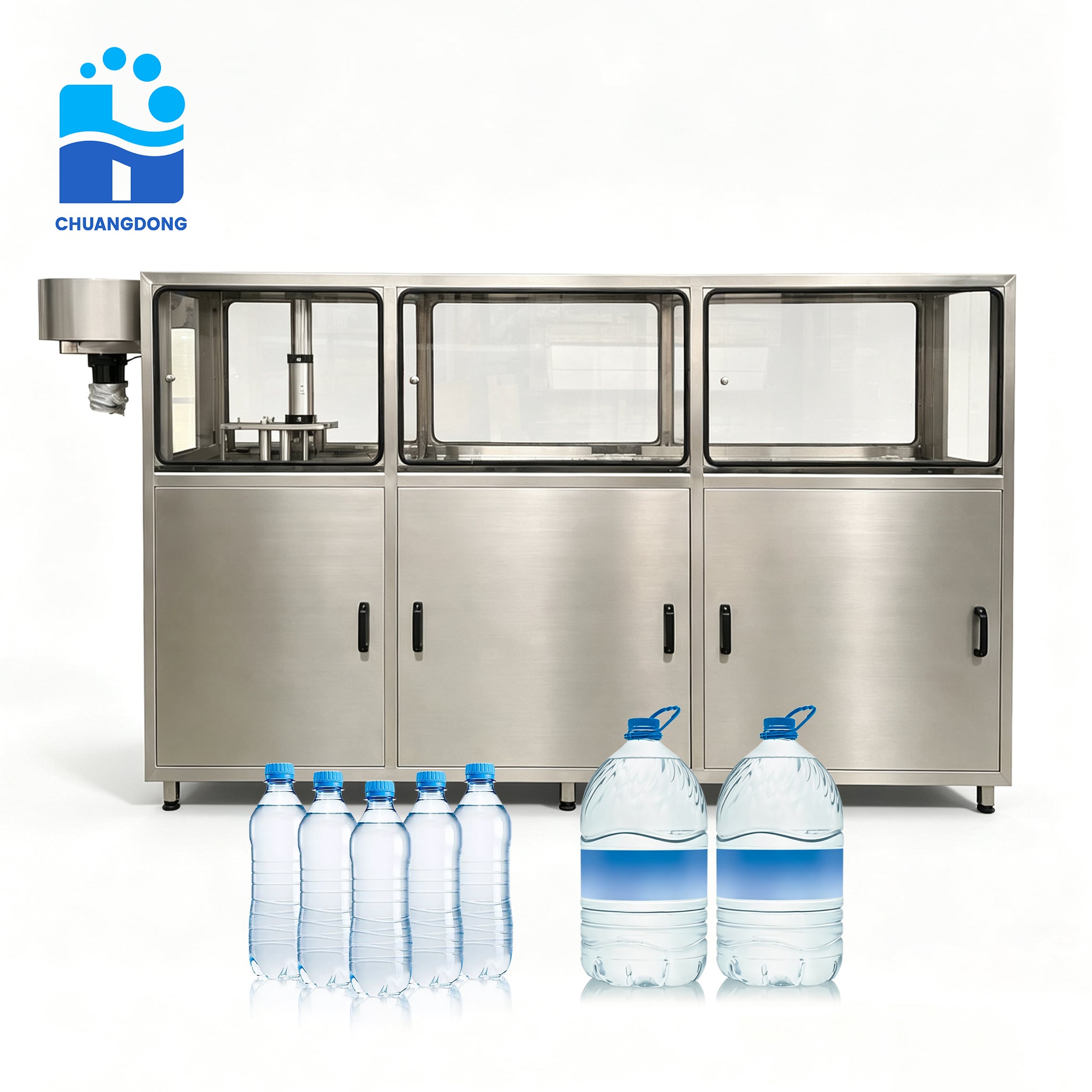
Energy optimization in water treatment facilities involves multiple interconnected technical and operational improvements. To reduce energy use in desalination plants effectively, operators must address reverse osmosis membrane efficiency, pre-treatment systems, pressure recovery mechanisms, and real-time monitoring protocols. Implementing these solutions systematically can reduce total energy consumption by 20 to 40 percent, depending on baseline conditions and facility design.
Optimizing Reverse Osmosis Membrane Performance
Membrane Selection and Maintenance Impact
Reverse osmosis membranes represent the core energy-consuming component in most modern desalination operations. When membranes become fouled or degraded, they require higher operating pressures to achieve the same permeate output, directly increasing energy demand. To reduce energy use in desalination plants, operators should establish rigorous membrane maintenance schedules, including regular chemical cleaning, integrity testing, and timely replacement protocols. High-quality membranes with improved salt rejection characteristics enable lower pressure operation while maintaining output standards, reducing overall energy requirements by 10 to 15 percent in many installations.
Feed Water Pre-treatment Strategies
Poor quality feed water forces reverse osmosis systems to operate at higher pressures and accelerates membrane fouling cycles. Implementing multi-stage pre-treatment systems including multimedia filtration, cartridge filters, and micron-level screening prevents particles and colloids from reaching membranes. When you reduce energy use in desalination plants through effective pre-treatment, membrane life extends significantly, operational pressure decreases, and maintenance downtime becomes less frequent. Advanced pre-treatment also enables longer intervals between membrane cleaning, reducing chemical costs and operational interruptions that compound energy inefficiency.
Implementing Pressure Recovery Technology
Energy Recovery Systems and Their Benefits
Reject brine streams from reverse osmosis systems contain significant pressure energy that conventional facilities waste completely. Pressure exchanger technology and turbine-based energy recovery devices capture this wasted hydraulic energy and redirect it to pressurize incoming feed water. Installing pressure recovery equipment can reduce energy use in desalination plants by 15 to 25 percent in facilities processing high volumes of seawater. These systems work continuously whenever the plant operates, providing automatic efficiency gains without requiring operator intervention or disrupting existing workflows.
System Design Integration
Energy recovery effectiveness depends on proper system configuration and equipment sizing. Facilities designed with pressure recovery from initial construction achieve higher efficiency than retrofitted installations, but retrofit applications still deliver substantial energy savings. To reduce energy use in desalination plants during expansion or upgrades, planners should prioritize pressure recovery installations in high-flow sections where brine volumes support meaningful energy capture. Hybrid systems combining multiple pressure recovery methods maximize overall efficiency gains and improve system reliability through redundancy.
Advanced Monitoring and Process Optimization
Real-Time Performance Analytics
Modern instrumentation enables continuous monitoring of operating parameters including feed pressure, permeate flow rates, salt rejection levels, and energy consumption per unit of water produced. By establishing baseline performance metrics and tracking deviations, operators identify emerging inefficiencies before they significantly impact energy use. To reduce energy use in desalination plants effectively, facilities should implement automated alert systems that trigger investigation when performance parameters drift outside optimal ranges. Real-time data dashboards give operators visibility into which process stages consume the most energy, enabling targeted improvement efforts.
Operational Protocol Refinement
Operating parameters including flow rates, pressure settings, and recovery ratios directly influence total energy consumption. Through systematic testing and data analysis, operators can identify optimal settings that balance energy efficiency with production targets and product water quality specifications. Seasonal adjustments to inlet water temperature, salinity levels, and demand patterns require corresponding operating parameter modifications to maintain efficiency. When facilities continuously refine operational protocols based on performance data, they reduce energy use in desalination plants by optimizing every element of the water treatment cycle.
FAQ
What percentage of operational costs in desalination plants represents energy expenses?
Energy typically accounts for 40 to 50 percent of total operational costs in seawater desalination facilities, making it the single largest expense category. This proportion varies based on facility location, energy source costs, system age, and operational efficiency. For this reason, initiatives to reduce energy use in desalination plants deliver immediate financial benefits alongside environmental improvements. Even modest efficiency improvements compound significantly across annual operating cycles.
How long do pressure recovery systems typically take to deliver payback?
Quality pressure recovery installations generally achieve full cost recovery within three to five years through energy savings alone, depending on water production volume and local energy pricing. This relatively short payback period makes pressure recovery one of the most economically attractive improvements available. As energy costs continue rising across global markets, payback timelines for pressure recovery investments continue decreasing. Many operators prioritize pressure recovery as their first investment when seeking to reduce energy use in desalination plants.
Can renewable energy sources power desalination facilities effectively?
Solar, wind, and other renewable energy sources can power desalination plants when paired with appropriate battery storage or grid connection strategies. Many coastal facilities benefit from combining renewable power with reduce energy use in desalination plants through integrated system design. Containerized systems with built-in solar capacity enable distributed water production in remote locations while minimizing grid dependency. Renewable-powered desalination reduces both operational costs and carbon emissions significantly over system lifetime.