 EN



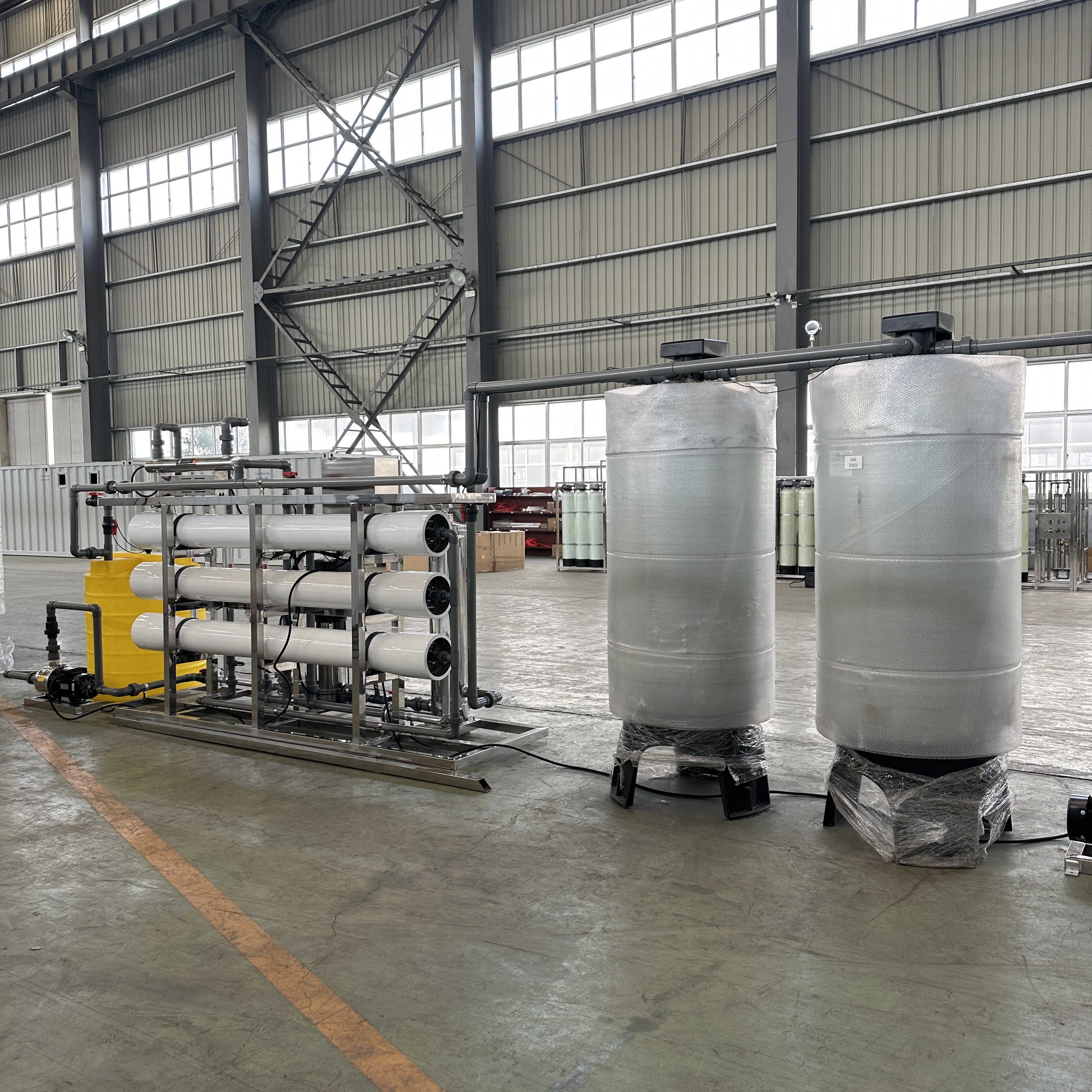
Brackish water treatment presents unique challenges that require careful pretreatment selection to ensure system longevity and operational efficiency. When industrial facilities face brackish water sources, understanding which pretreatment methods suit brackish water treatment becomes essential for protecting downstream equipment and maintaining consistent water quality. The salinity levels, suspended solids, and mineral content found in brackish water sources demand a thoughtful approach to pretreatment strategy.
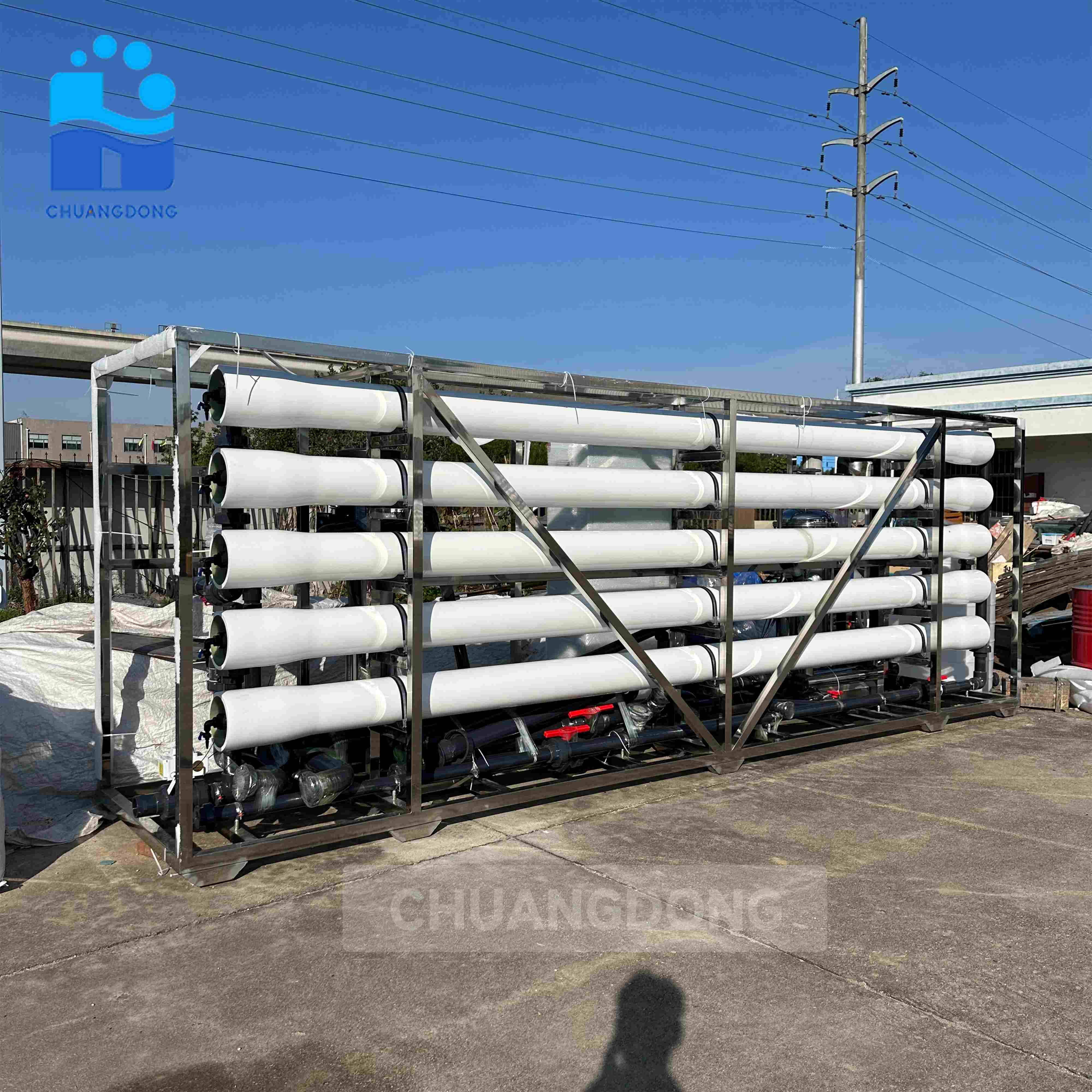
Selecting the right pretreatment for brackish water treatment depends on source water characteristics, operational goals, and downstream equipment requirements. Different pretreatment methods address distinct water quality challenges, and combining multiple pretreatment approaches often yields superior results. Understanding which pretreatment suits brackish water treatment in your specific application allows facilities to optimize both capital expenditure and long-term operating costs.
Understanding Brackish Water Characteristics and Pretreatment Needs
Source Water Analysis for Brackish Water Treatment
Effective brackish water treatment begins with comprehensive source water analysis. Brackish water typically contains total dissolved solids between 1,000 and 30,000 mg/L, placing it between fresh and seawater in salinity. For brackish water treatment applications, laboratories must measure turbidity, suspended solids, hardness, iron content, organic matter, and specific ions. This analysis directly informs which pretreatment suits brackish water treatment most effectively. Understanding your source water profile prevents over-treatment and ensures that each pretreatment step adds genuine value to the brackish water treatment process.
Critical Contaminants Addressed Through Pretreatment
Brackish water treatment requires addressing multiple contaminant categories. Suspended solids can foul membranes if not removed during pretreatment of brackish water treatment systems. Hardness minerals like calcium and magnesium require softening to prevent scaling. Iron and manganese oxidation prevents precipitation inside membranes used in brackish water treatment. Organic compounds can cause biofouling if inadequately removed. Chlorine residuals, if present, must be eliminated because they damage reverse osmosis membranes in brackish water treatment installations. Turbidity fluctuations demand responsive pretreatment to maintain consistent brackish water treatment performance.
Primary Pretreatment Methods for Brackish Water Treatment
Multimedia Filtration and Sediment Removal
Multimedia filtration forms the foundation of most brackish water treatment pretreatment strategies. This approach layers sand, anthracite, and gravel to capture suspended solids, turbidity, and particulate matter before brackish water treatment membranes encounter them. Brackish water treatment facilities typically target effluent turbidity below 1 NTU, and multimedia filters consistently achieve this target. Backwashing intervals depend on feed water quality and flow rate, but most brackish water treatment operators establish daily or every-other-day schedules. This fundamental pretreatment for brackish water treatment protects expensive downstream equipment and extends membrane life significantly.
Softening and Hardness Reduction
Softening represents critical pretreatment for brackish water treatment, particularly when source hardness exceeds 300 mg/L as CaCO3. Ion exchange softeners remove calcium and magnesium ions that would otherwise cause scale deposits inside reverse osmosis membranes. Some brackish water treatment facilities use lime softening instead, which reduces hardness while simultaneously lowering turbidity and removing some organics. The choice between ion exchange and chemical softening depends on brackish water treatment facility size, chemical costs, and waste disposal infrastructure. Proper softening pretreatment prevents membrane scaling, maintains consistent brackish water treatment performance, and reduces cleaning frequency significantly.
Iron and Manganese Oxidation and Removal
Many brackish water sources contain dissolved iron and manganese that must be addressed through pretreatment for brackish water treatment. These metals precipitate inside membranes, causing irreversible fouling that compromises brackish water treatment capacity. Pretreatment oxidation using aeration, chlorine, or potassium permanganate converts dissolved iron and manganese into particle forms that multimedia filters remove easily. For brackish water treatment applications with moderate iron levels, simple aeration followed by filtration often suffices. Higher iron concentrations may require chemical oxidation to ensure effective pretreatment of brackish water treatment influent.
Advanced Pretreatment Techniques and Integration Strategies
Activated Carbon Treatment
Activated carbon pretreatment removes organic compounds, residual chlorine, and taste and odor compounds that complicate brackish water treatment. This pretreatment step proves especially valuable when source water contains industrial contaminants or agricultural runoff. For brackish water treatment systems using chlorinated feed water, activated carbon pretreatment becomes mandatory because chlorine residuals destroy reverse osmosis membranes. Granular activated carbon columns provide economical pretreatment for brackish water treatment, though filter cartridges work well for smaller installations. Regular media replacement ensures that this pretreatment component continues protecting your brackish water treatment investment.
pH Adjustment and Chemical Conditioning
pH management forms an essential pretreatment component for successful brackish water treatment. Most reverse osmosis membranes operate optimally between pH 6.5 and 7.5, so pretreatment must condition source water to this range. Acid addition lowers pH when brackish water sources are alkaline, preventing calcium carbonate scaling during brackish water treatment. Alternatively, acid injection prevents scale formation by converting bicarbonate alkalinity to CO2 gas that readily escapes. This pretreatment technique for brackish water treatment reduces chemical softening requirements and improves overall system stability. Proper pH pretreatment minimizes membrane damage and extends the operating life of brackish water treatment equipment.
Multi-Stage Pretreatment System Design
Comprehensive brackish water treatment often incorporates multiple pretreatment stages working synergistically. A typical pretreatment sequence for brackish water treatment might include: aeration for iron oxidation, multimedia filtration for suspended solids removal, water softening for hardness reduction, carbon filtration for chlorine and organic removal, and pH adjustment before the membrane system. This layered approach to pretreatment ensures that brackish water treatment membranes receive optimally conditioned water, maximizing performance and lifespan. Selecting which pretreatment stages suit brackish water treatment in your facility depends on source water quality, target water specifications, and capital constraints.
Operational Considerations and System Monitoring
Pretreatment Effectiveness Monitoring
Continuous monitoring of pretreatment performance ensures that brackish water treatment systems operate at peak efficiency. Regular turbidity testing, hardness analysis, and silt density index measurements provide early warning of pretreatment problems. Feed pressure monitoring indicates when multimedia filters need backwashing, preventing excessive pressure on downstream brackish water treatment membranes. Temperature and pH fluctuations signal potential pretreatment failures. Operators managing brackish water treatment facilities should establish daily monitoring protocols and maintain detailed records. This proactive approach prevents unexpected downtime and protects the significant investment in your brackish water treatment system.
Maintenance and Replacement Schedules
Successful brackish water treatment depends on disciplined pretreatment maintenance. Multimedia filter media requires periodic replacement as particles compress and filter effectiveness declines. Softener resin eventually exhausts and requires regeneration or replacement to continue effective brackish water treatment pretreatment. Activated carbon becomes saturated and loses absorption capacity, necessitating cartridge changes on a fixed schedule. Chemical feed systems require calibration and pump maintenance to ensure precise pretreatment dosing. Establishing preventive maintenance schedules for each pretreatment component protects your brackish water treatment investment and prevents costly emergency repairs.
FAQ
What is the most important pretreatment step for brackish water treatment?
The most important pretreatment step depends on your source water characteristics, but multimedia filtration and hardness reduction typically provide the greatest protection for brackish water treatment systems. These two pretreatment measures address the most damaging contaminant categories. However, you should conduct source water analysis to identify your specific priorities. If iron content is high, iron oxidation and removal become equally critical. For most brackish water treatment applications, a combination approach addressing filtration, softening, and pH adjustment provides optimal results.
How often should pretreatment media be replaced in brackish water treatment systems?
Replacement frequency for brackish water treatment pretreatment media varies based on feed water quality and system flow rate. Multimedia filter media typically lasts 3 to 5 years before requiring replacement, though backwashing occurs much more frequently. Activated carbon in brackish water treatment pretreatment systems usually requires replacement every 6 to 12 months depending on organic load. Softener resin can function for 5 to 10 years in brackish water treatment applications before exhaustion occurs. Regular performance monitoring helps determine when each pretreatment component actually needs replacement rather than following arbitrary schedules.
Can pretreatment alone replace membrane treatment in brackish water treatment?
No, pretreatment alone cannot replace membrane treatment in brackish water treatment applications. Pretreatment protects membranes and improves their performance, but it does not remove dissolved salts that membranes address during brackish water treatment. Pretreatment removes suspended solids, hardness, and particulates, while reverse osmosis or other membrane processes accomplish the actual desalination during brackish water treatment. Combining effective pretreatment with appropriate membrane treatment delivers the comprehensive solution that brackish water treatment facilities require.