Advanced Water Purification Systems & Solutions

Get a Free Quote

Our representative will contact you soon.
Email
Name
Company Name
Message
0/1000

advanced water purification

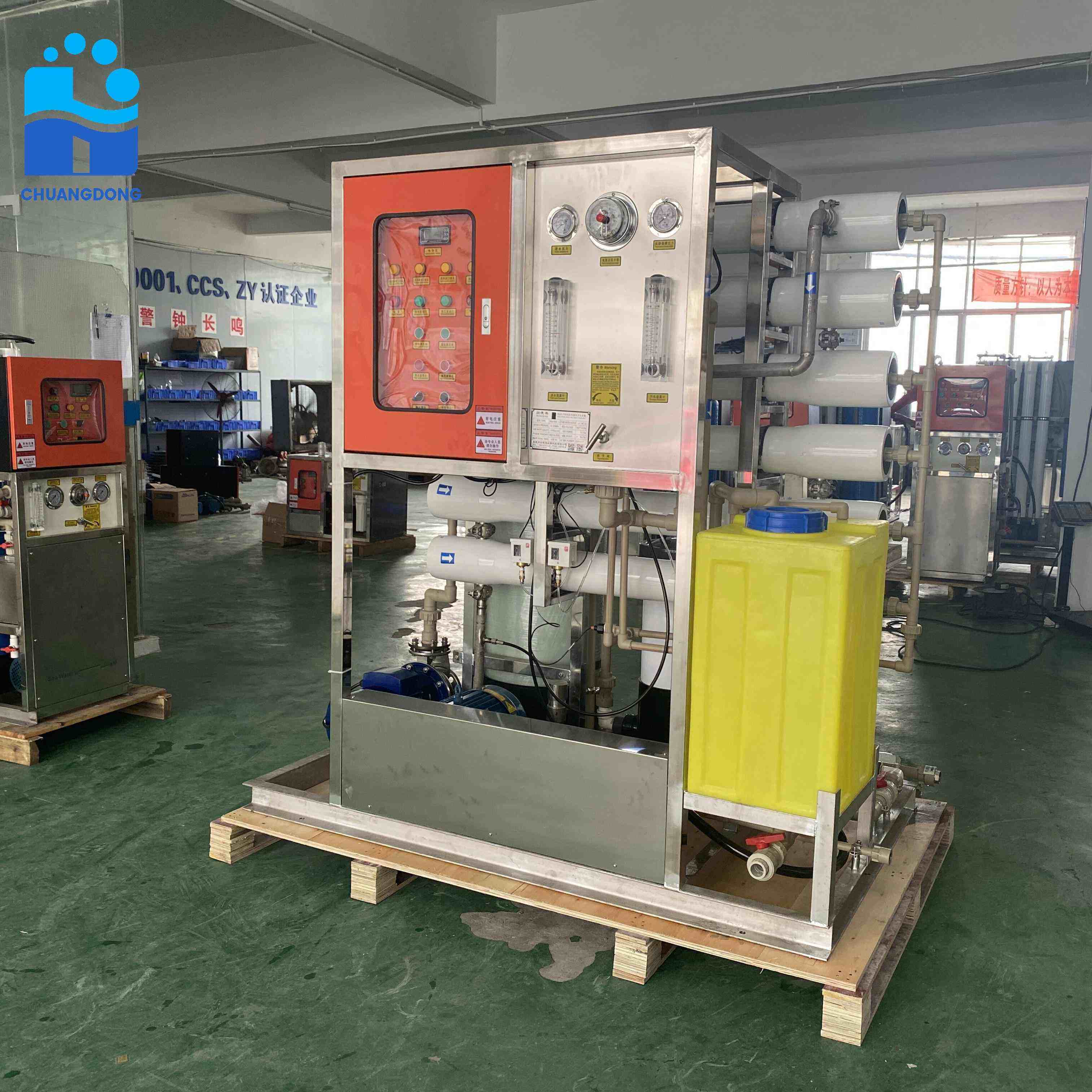
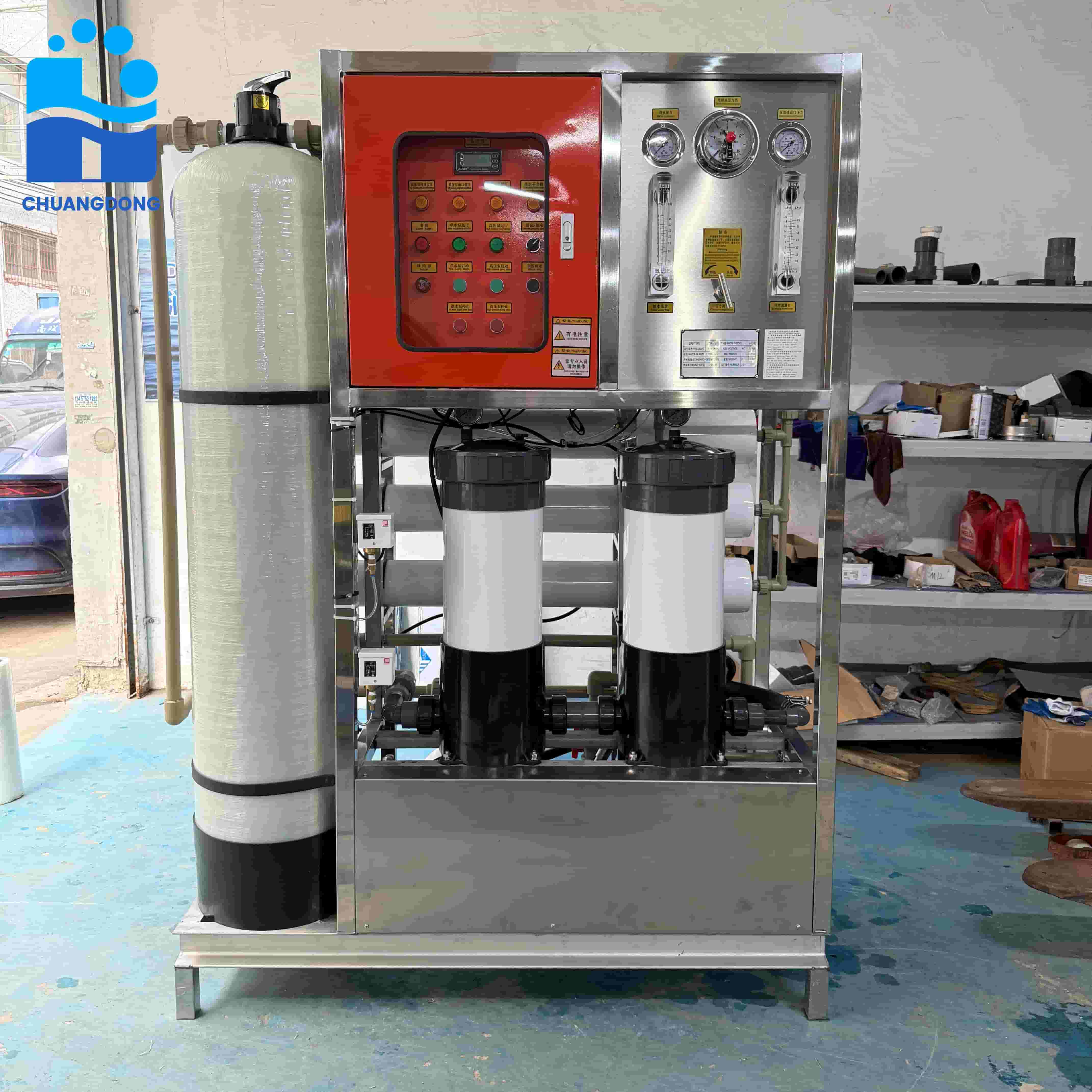
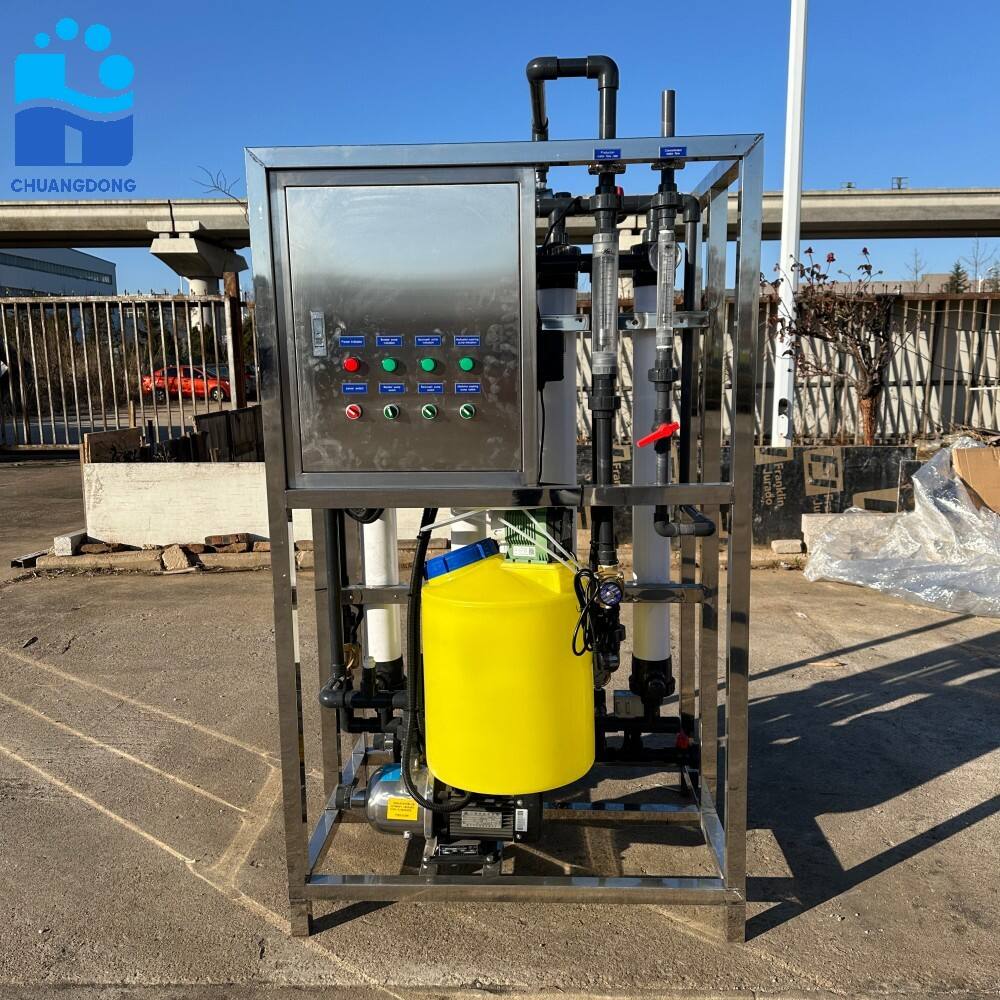
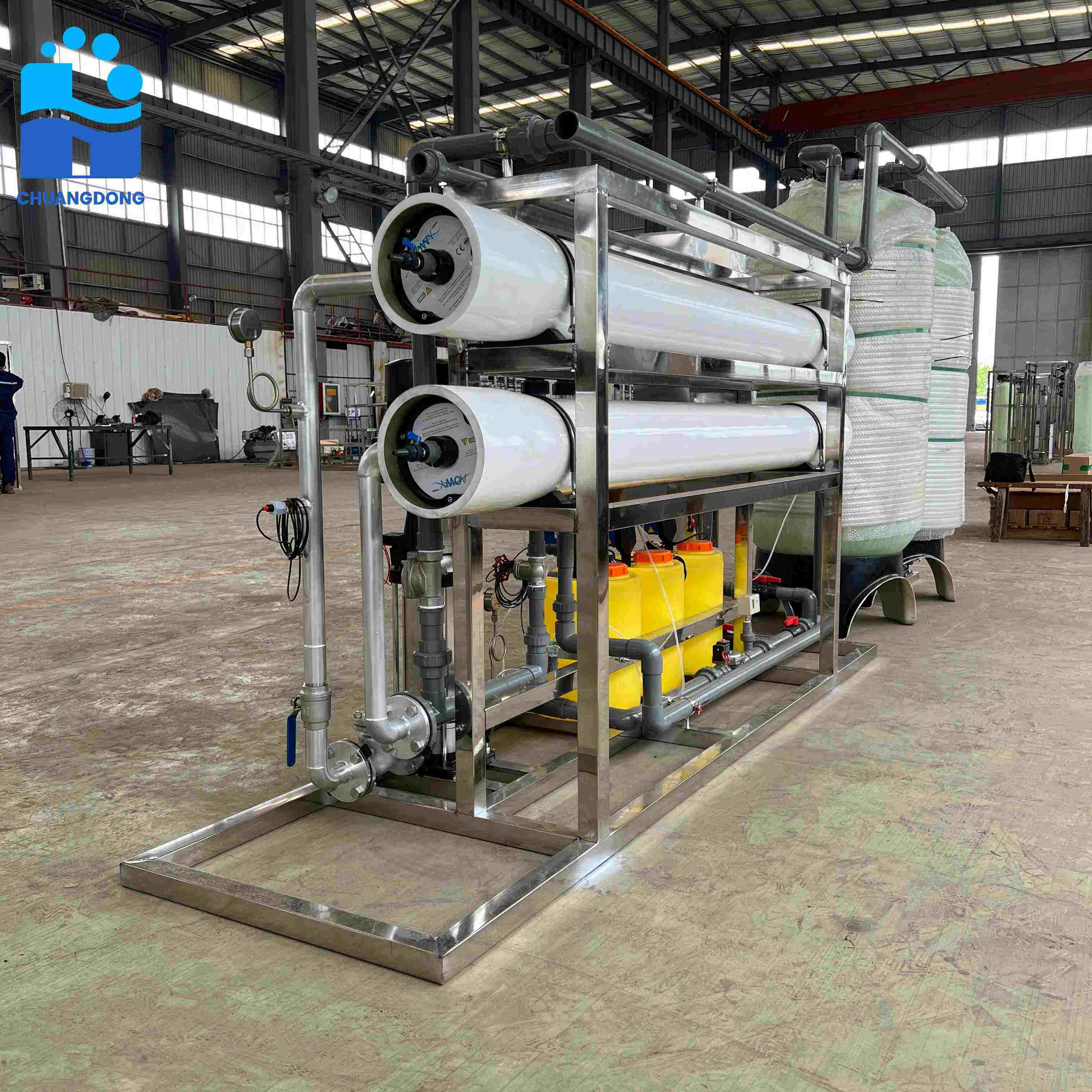
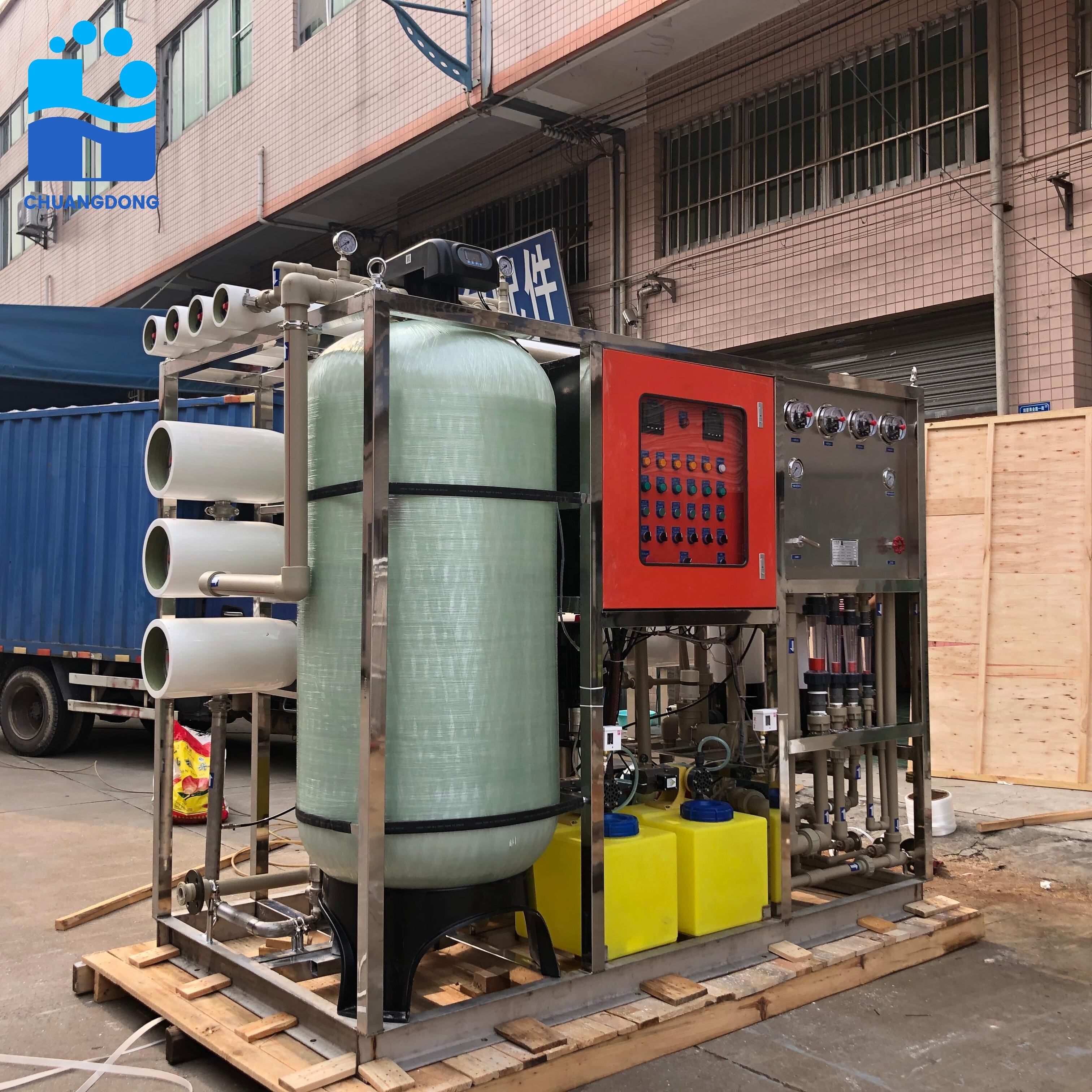
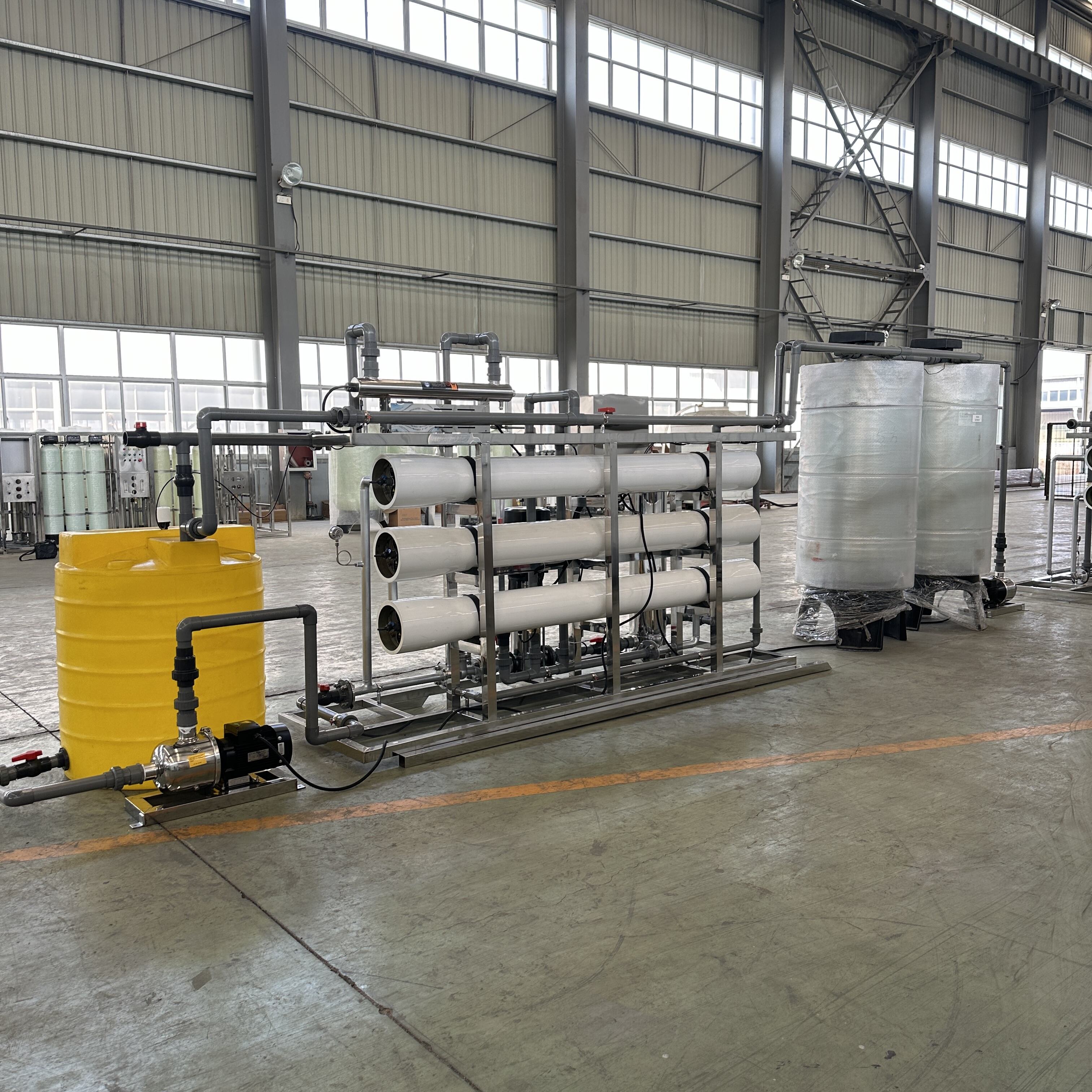
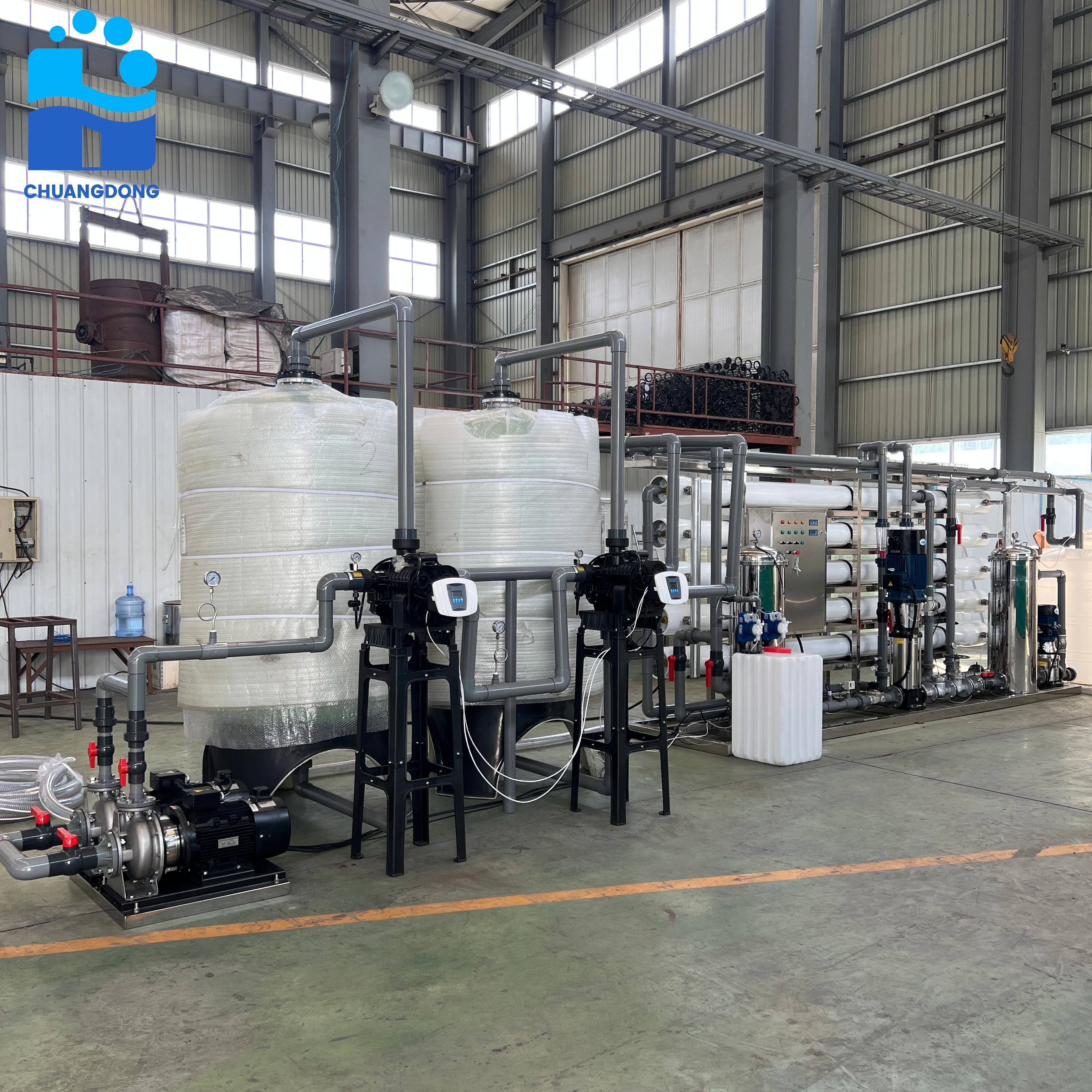
Advanced water purification represents a comprehensive approach to removing contaminants, impurities, and harmful substances from water sources to deliver safe, clean drinking water. This sophisticated technology combines multiple filtration stages and treatment methods to address diverse water quality challenges faced by residential, commercial, and industrial users. The main functions of advanced water purification include eliminating bacteria, viruses, heavy metals, chemicals, sediments, and dissolved solids while preserving essential minerals beneficial to health. Technological features encompass reverse osmosis membranes, ultraviolet sterilization, activated carbon filtration, ion exchange resins, and smart monitoring systems that continuously assess water quality parameters. These integrated components work synergistically to achieve superior purification results compared to conventional filtration methods. Advanced water purification systems find applications across numerous sectors including hospitals requiring sterile water, manufacturing facilities needing process water, restaurants demanding consistent water quality, laboratories utilizing ultra-pure water, and households seeking protection from municipal water contamination. The technology adapts to varying source water conditions, whether treating municipal tap water, well water, brackish water, or other challenging sources. Modern advanced water purification systems feature user-friendly interfaces, automated maintenance alerts, energy-efficient operation, and compact designs suitable for space-constrained environments. These systems deliver consistent performance while reducing environmental impact through minimized chemical usage and optimized water recovery rates, making them essential infrastructure for ensuring reliable access to purified water.

New Products

Investing in advanced water purification delivers substantial practical benefits that directly impact your health, finances, and daily operations. The most immediate advantage is comprehensive contaminant removal, providing peace of mind that your water is free from harmful substances including lead, chlorine, pesticides, pharmaceuticals, and microorganisms that conventional filters miss. This thorough purification protects your family or employees from waterborne illnesses and long-term health risks associated with contaminated water consumption. From an operational perspective, advanced water purification systems offer remarkable cost efficiency by eliminating the need for bottled water purchases, which accumulate significant expenses over time while generating plastic waste. The technology operates reliably with minimal maintenance requirements, typically needing only periodic filter replacements scheduled through intuitive monitoring systems that alert you before performance declines. These systems prove suitable for diverse applications, adapting seamlessly whether you need purified water for drinking, cooking, medical procedures, laboratory experiments, or industrial processes requiring specific water quality standards. The scalability of advanced water purification means you can select capacity appropriate to your usage volume, from compact under-sink units for home kitchens to large-scale installations serving entire facilities. Decision-making becomes straightforward when you consider the long-term value proposition: consistent water quality regardless of source water fluctuations, reduced plumbing maintenance due to scale prevention, improved taste and odor encouraging hydration, and compliance with regulatory water quality standards. Advanced water purification technology continuously evolves, with modern systems incorporating smart features enabling remote monitoring, performance optimization, and predictive maintenance that extends equipment lifespan while ensuring uninterrupted access to purified water. The investment pays dividends through enhanced safety, operational efficiency, and environmental responsibility.

Latest News

How Do You Properly Store and Maintain Your Reverse Osmosis System During Extended Vacations?

30

Mar

How Do You Properly Store and Maintain Your Reverse Osmosis System During Extended Vacations?

When planning an extended vacation, homeowners and facility managers often overlook a critical maintenance task that could prevent costly damage and ensure system longevity. Your reverse osmosis system requires specific preparation and storage proced...
View More
How Do You Sanitize and Maintain the Storage Tank of Your Residential Reverse Osmosis System?

30

Mar

How Do You Sanitize and Maintain the Storage Tank of Your Residential Reverse Osmosis System?

Proper sanitization and maintenance of your reverse osmosis system storage tank is crucial for ensuring clean, safe drinking water in your home. The storage tank serves as the reservoir that holds your purified water until you need it, but without re...
View More
What Advanced Monitoring Ensures a Desalination Plant Complies with Water Quality Standards?

07

May

What Advanced Monitoring Ensures a Desalination Plant Complies with Water Quality Standards?

Ensuring compliance with stringent water quality standards represents one of the most critical operational imperatives for modern desalination facilities. Advanced monitoring systems have evolved beyond simple measurement devices into sophisticated p...
View More
How Does a Booster Pump Improve the Efficiency of Your RO Plant with Low Water Pressure?

03

Jun

How Does a Booster Pump Improve the Efficiency of Your RO Plant with Low Water Pressure?

Running a reverse osmosis plant under low feed water pressure is one of the most common operational challenges faced by industrial and commercial water treatment facilities. When incoming water pressure falls below the minimum threshold required by t...
View More

Get a Free Quote

Our representative will contact you soon.
Email
Name
Company Name
Message
0/1000

advanced water purification

Multi-Stage Filtration Technology

Multi-Stage Filtration Technology

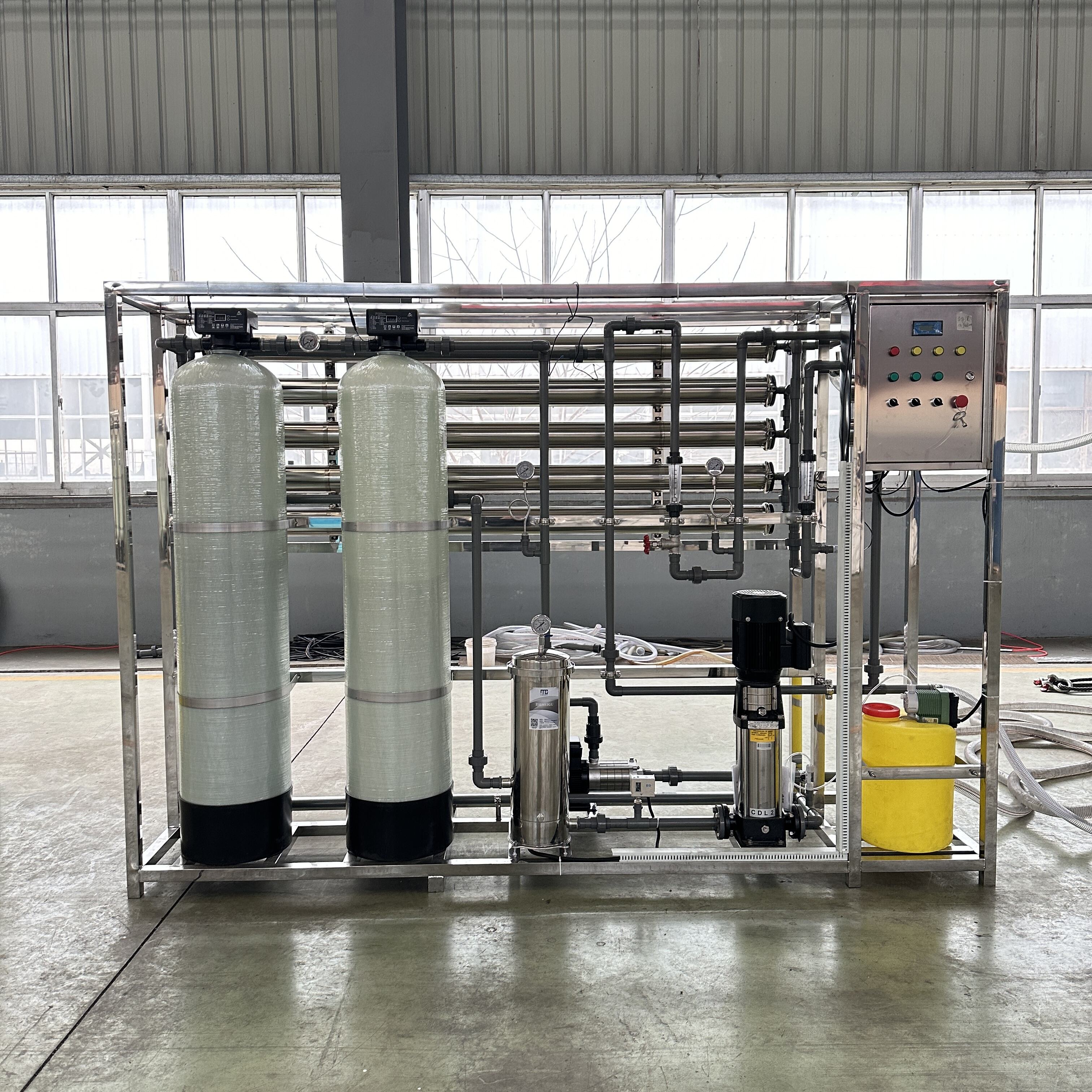
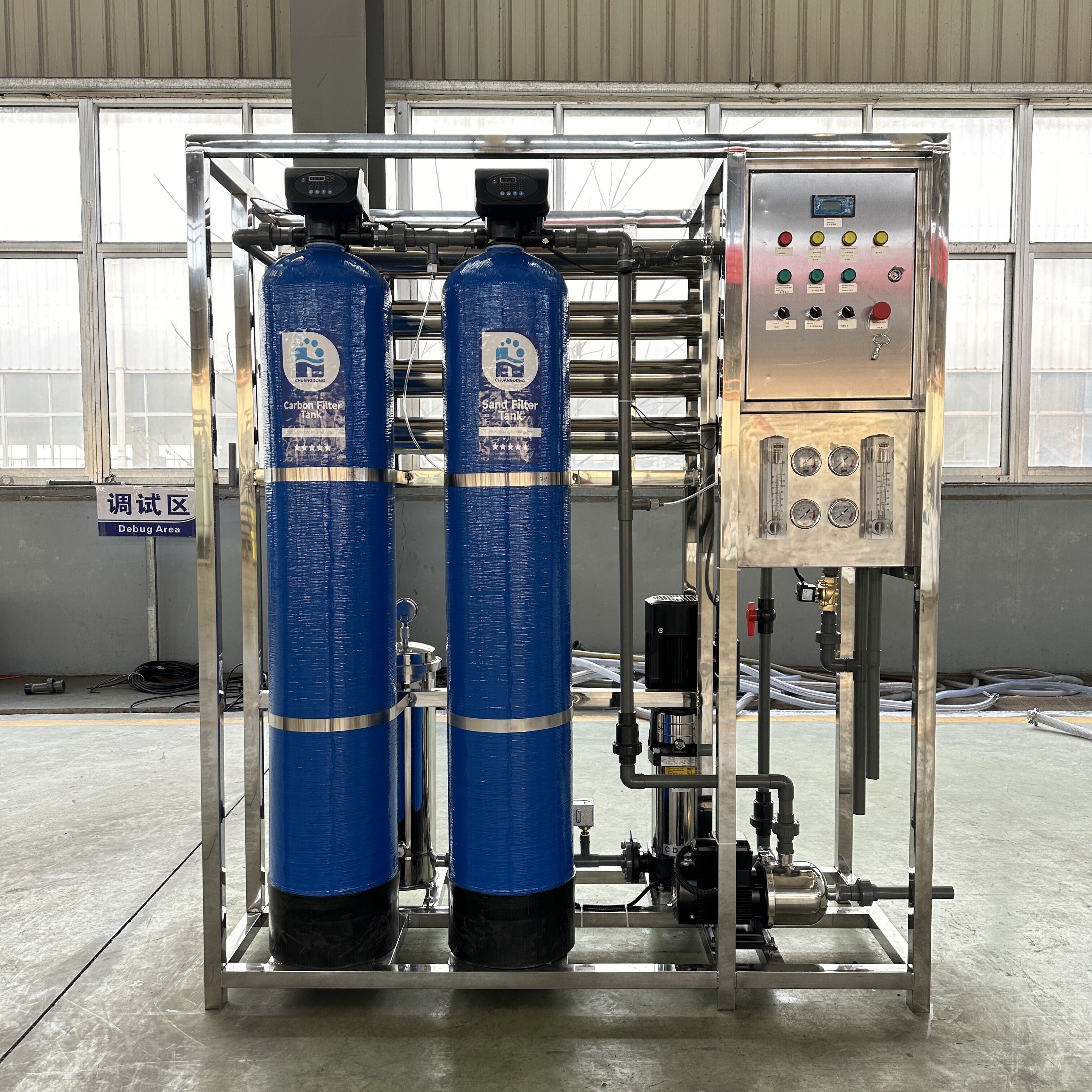
Advanced water purification employs sophisticated multi-stage filtration that addresses contaminants at molecular levels, delivering unparalleled water quality. The process typically begins with sediment pre-filters capturing particles, rust, and debris, protecting downstream components while extending system longevity. Activated carbon stages then remove chlorine, volatile organic compounds, and substances affecting taste and odor through adsorption processes. The heart of advanced water purification lies in reverse osmosis membranes with microscopic pores that block dissolved solids, heavy metals, and contaminants as small as 0.0001 microns. Post-filtration stages include remineralization to restore beneficial minerals and ultraviolet treatment that destroys any remaining microorganisms through DNA disruption. This comprehensive approach ensures that water emerging from advanced water purification systems meets or exceeds the most stringent quality standards. The multi-stage design provides redundancy, so if one component experiences reduced efficiency, other stages continue protecting water quality. This layered defense proves particularly valuable when source water quality varies seasonally or unexpectedly, as the system automatically compensates. Users benefit from consistently pure water regardless of input conditions, making multi-stage filtration the cornerstone of reliable advanced water purification performance.
Smart Monitoring and Control Systems

Smart Monitoring and Control Systems

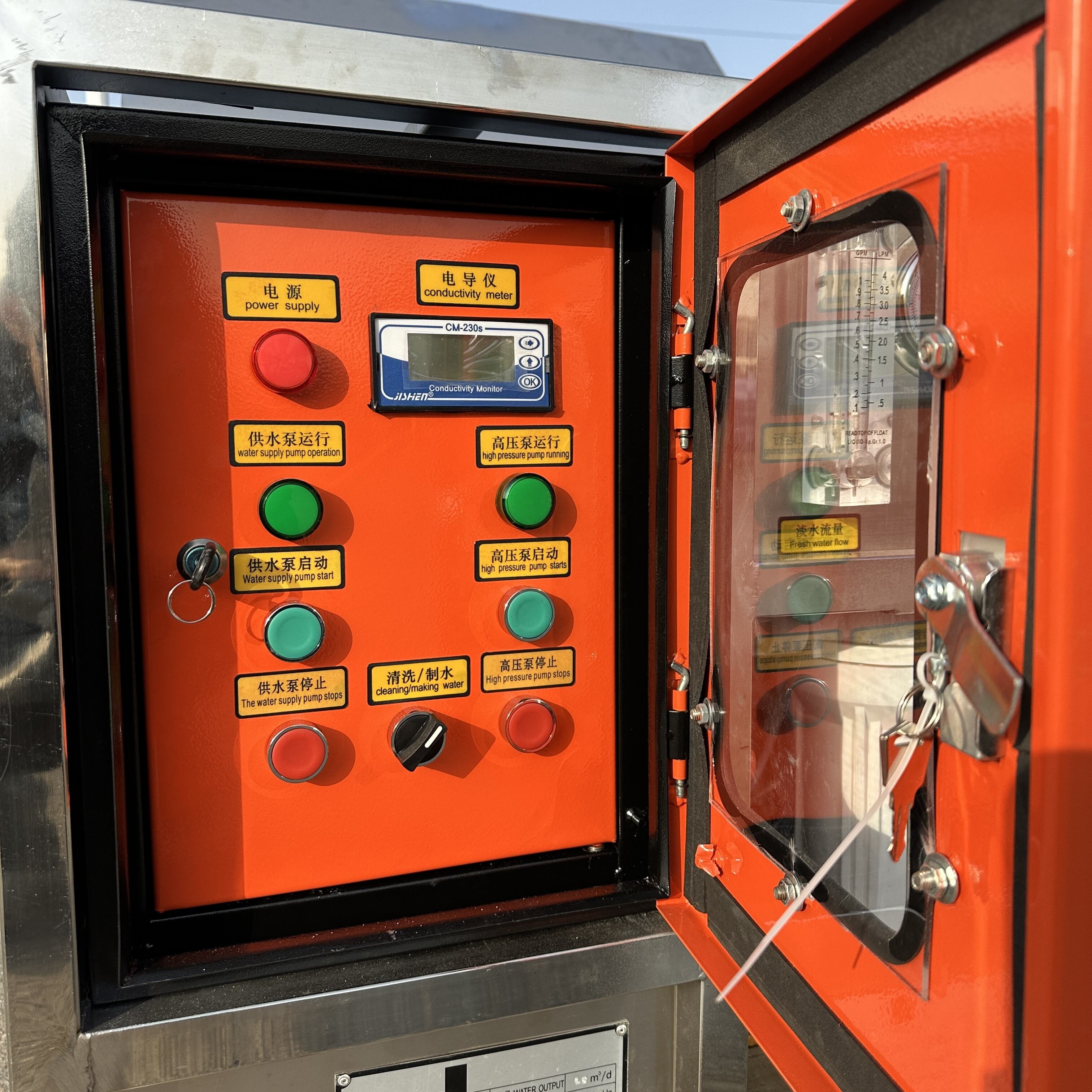
Modern advanced water purification integrates intelligent monitoring technology that transforms water treatment from reactive maintenance to proactive management. Built-in sensors continuously measure critical parameters including flow rates, pressure levels, total dissolved solids, and filter performance metrics in real-time. This data feeds into microprocessor-controlled systems that optimize purification processes automatically, adjusting operation based on demand patterns and water quality variations. Users receive notifications through mobile applications or display panels when filters require replacement, preventing performance degradation before it affects water quality. The smart systems track water production volumes, efficiency ratios, and consumption patterns, providing insights that help optimize usage and identify potential issues early. Advanced water purification systems with these capabilities enable remote diagnostics, allowing technicians to troubleshoot problems without on-site visits, reducing downtime and service costs. The monitoring technology also documents water quality compliance, generating reports valuable for facilities requiring regulatory documentation. Energy management features detect periods of non-use and activate power-saving modes, reducing electricity consumption without compromising readiness. This intelligence extends equipment lifespan by preventing operation under suboptimal conditions that accelerate component wear. For organizations managing multiple advanced water purification installations, centralized monitoring consolidates data across locations, enabling efficient fleet management and strategic planning for maintenance and upgrades.
Environmental Sustainability Features

Environmental Sustainability Features

Contemporary advanced water purification prioritizes environmental responsibility through innovative designs that minimize ecological footprint while maximizing resource efficiency. Modern systems achieve impressive water recovery rates, converting significantly more source water into purified product compared to older technologies, thereby reducing wastewater generation that burdens municipal treatment facilities or septic systems. Energy-efficient components including high-performance pumps and optimized membrane configurations reduce electricity consumption, lowering operational costs and carbon emissions associated with power generation. Advanced water purification eliminates dependence on bottled water, preventing plastic bottles from entering landfills and oceans while reducing the carbon footprint of water transportation. The technology reduces chemical usage by employing physical and mechanical filtration methods rather than chemical disinfection, preventing introduction of treatment byproducts into water supplies or discharge streams. Durable construction using corrosion-resistant materials extends system service life, reducing replacement frequency and associated manufacturing environmental impacts. Many advanced water purification systems incorporate recyclable components and support refurbished part programs that promote circular economy principles. The concentrated contaminants removed during purification can be managed responsibly, with some installations recovering valuable minerals or safely neutralizing hazardous substances. By providing localized water treatment, advanced water purification reduces infrastructure demands on centralized municipal systems, promoting distributed resource management that enhances community resilience and sustainability.

Get a Free Quote

Our representative will contact you soon.
Email
Name
Company Name
Message
0/1000