 EN
EN



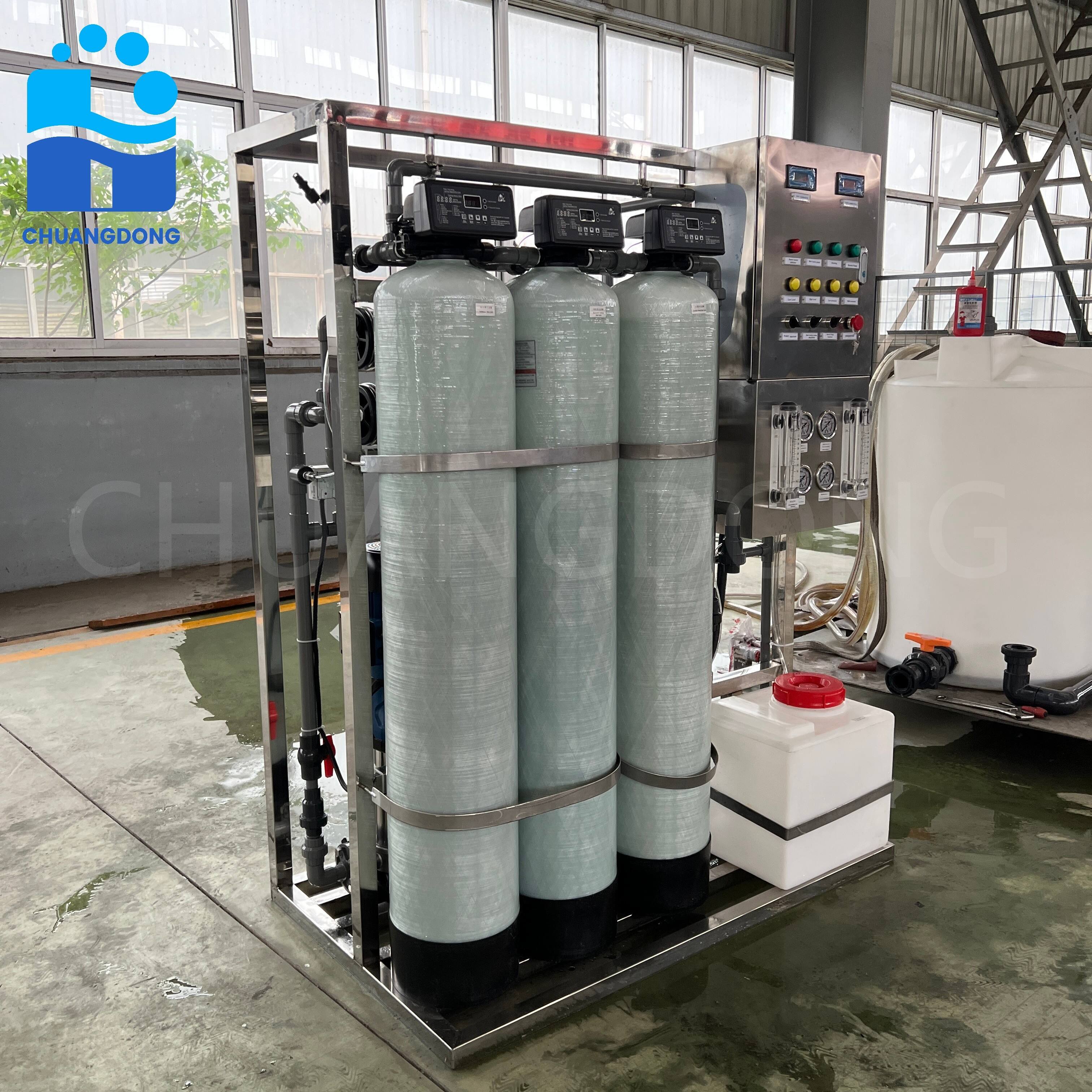
Kritisko sūkņu un vārstu uzturēšana liela mēroga ūdens apstrādes iekārta prasa sistēmisku plānošanu, specializētu ekspertīzi un stingrus izpildes protokolus. Mūsdienu ūdens attīrīšanas iekārtu sarežģītība prasa, lai operatori saprastu gan savas aprīkojuma mehāniskās smalkumus, gan komponentu atteices operacionālās sekas. Efektīvas uzturēšanas stratēģijas nodrošina nepārtrauktu ūdens piegādi, atbilstību regulatīvajām prasībām un optimālu sistēmas darbību, vienlaikus minimizējot dārgu ekspluatācijas pārtraukumu un ārkārtas remontdarbus.
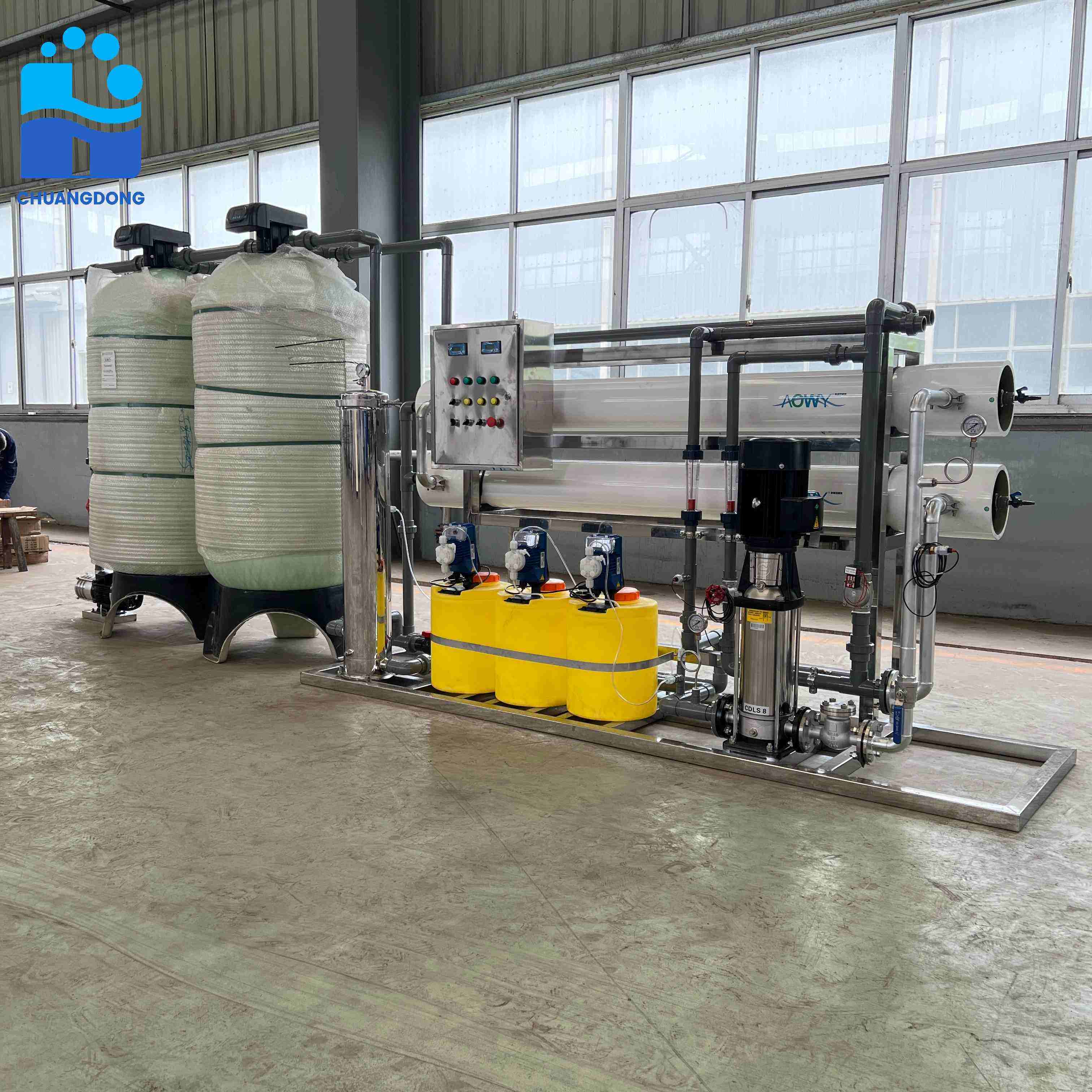
Uzturēšanas pieeja ūdens attīrīšanas stacijas sūkņiem un vārstiem ietver vairākas savstarpēji saistītas disciplīnas, tostarp mehānisko inženierzinātņu, procesu vadības, prognozējošās analītikas un regulatīvās atbilstības jomas. Stacijas ekspluatācijas personālam ir jāsaskaņo proaktīvā uzturēšanas grafika izveide ar reaktīviem remonta protokoliem, vienlaikus nodrošinot ūdens kvalitātes standartu ievērošanu visās uzturēšanas darbībās. Šī visaptverošā pieeja nodrošina, ka kritiskie infrastruktūras komponenti darbojas uzticami rūpnieciskās ūdens attīrīšanas operāciju prasību pilnīgi stingrajā vidē.
Kritisko komponentu funkciju izpratne ūdens attīrīšanas operācijās
Galvenās sūkņu sistēmas un to ekspluatācijas prasības
Galvenās sūkņu sistēmas lielā mēroga ūdens attīrīšanas stacijā veido visu apstrādes procesu cirkulācijas pamatu. Šie sūkņi pārvieto neapstrādāto ūdeni caur ieejas sistēmām, sadala apstrādāto ūdeni caur izplatīšanas tīkliem un cirkulē procesa šķidrumus caur dažādām apstrādes stadijām. Katram sūkņa tipam ir nepieciešami specifiski apkopas protokoli, kas balstīti uz tā darbības vidi, plūsmas prasībām un pakļaušanu ķīmiskajām apstrādēm vai piesārņotiem ūdens avotiem.
Augstspiediena pastiprinātājsūkņi, ko izmanto pretvirdes sistēmās ūdens apstrādes iekārta darbojas īpaši smagos apstākļos. Šiem sūkņiem jānodrošina precīzi spiediena līmeņi, vienlaikus apstrādājot ūdeni ar mainīgu minerālu saturu un ķīmiskajiem piedeviem. Šo sūkņu apkope koncentrējas uz blīvējumu integritāti, spārnu rata stāvokli un bultu darbību, lai novērstu apstrādātā ūdens piesārņojumu un saglabātu sistēmas efektivitāti.
Centrifūgās sūkņus, ko izmanto ķīmisko vielu dozēšanai un procesa cirkulācijai, raksturo citādi apkopas apsvērumi, jo tie ir pakļauti agresīvām ķīmiskām vielām un mainīgiem plūsmas prasījumiem. Sūkņu korpusus, spiedlāpstiņas un blīvēšanas sistēmas regulāri jāpārbauda attiecībā uz ķīmisko koroziju, nodiluma pazīmēm un izlīdzinājuma problēmām, kas var samazināt darbības efektivitāti vai radīt drošības riskus apkopas personālam.
Vārstu kategorijas un apkopas prioritātes
Ūdens attīrīšanas stacijās regulējošie vārsti regulē plūsmas ātrumu, spiediena līmeni un ķīmisko vielu dozēšanu visā attīrīšanas procesā. Šiem vārstiem jāreģistrē automātiskās vadības signāli ar precizitāti, vienlaikus nodrošinot stingru aizvēršanu, kad tas nepieciešams. Apkopas protokoli koncentrējas uz izpildmehānisma kalibrēšanu, sēdekļa stāvokli un stieņa blīvējuma integritāti, lai nodrošinātu precīzu regulēšanu un novērstu iekšēju noplūdi, kas var ietekmēt attīrīšanas efektivitāti.
Izolācijas vārsti nodrošina kritiskas sistēmu segmentācijas iespējas apkopēs un avārijas situācijās. Šiem vārstiem jānodrošina uzticama noslēguma darbība ilgstošas statiskās darbības laikā, vienlaikus saglabājot darbības spēju, kad tas ir nepieciešams. Apkopju pieeja uzsvērt stemla smērēšanu, sēdekļa saglabāšanu un darbības pārbaudes, lai nodrošinātu vārstu pareizu darbību kritiskās situācijās.
Atpakaļgaitas vārsti novērš atpakaļplūsmu sūkņu izvadlīnijās un aizsargā aprīkojumu no bojājumiem sistēmas pārejas režīmos. Šīs pasīvās ierīces prasa apkopi, kas koncentrējas uz iekšējo komponentu stāvokli, svira spriegumu un noslēguma virsmu integritāti. Regulāras pārbaudes nodrošina, ka atpakaļgaitas vārsti darbojas automātiski bez manuālas iejaukšanās, vienlaikus novēršot dārga aprīkojuma bojājumus, ko izraisa pretplūsma.
Preventīvo apkopju grafiku un protokolu izstrāde
Stāvokļa balstītās uzraudzības sistēmas
Stāvokļa balstītas uzraudzības ieviešana ūdens attīrīšanas stacijas sūknos ietver sensoru izvietošanu, kas nepārtraukti reģistrē vibrāciju raksturu, bultu temperatūru un dzinēja strāvas signālus. Šī uzraudzības pieeja ļauj tehniskās apkopes komandām identificēt problēmu attīstību pirms tā izraisa aprīkojuma atteici vai ūdens kvalitātes problēmas. Datu analīzes platformas apstrādā sensoru informāciju, lai ģenerētu tehniskās apkopes brīdinājumus un optimizētu pārbaudes grafikus, pamatojoties uz faktisko aprīkojuma stāvokli, nevis patvaļīgiem laika intervāliem.
Vibrācijas analīze sniedz agrāku brīdinājumu par mehāniskām problēmām, tostarp liesuma noturību, vilces nebalansu un virzuļa izkārtojumu. Uzraudzības tehniski darbinieki izmanto portatīvos vibrāciju analizatoriem un pastāvīgi uzstādītām monitoringa sistēmām, lai noteiktu katra sūkņa un vārsta kustības ierīces pamatvērtības. Regulāri vibrāciju mērījumi identificē tendences, kas norāda uz problēmām, kas rodas, un ļauj plānot tehniskās apkopes darbus plānotā darbības pārtraukuma laikā, nevis veikt ārkārtas remontus kritiskās darbības laikā.
Termisko attēlu analizēšana atklāj karstas vietas elektrisko savienojumu, liesuma korpusu un motora vāciņu konstrukcijās, kas liecina par problēmām. Šādas neinvazīvas pārbaudes var veikt, kamēr iekārtas darbojas normāli, sniedzot vērtīgu diagnostikas informāciju, traucējot ūdens attīrīšanas procesus. Temperatūras tendenču analīze palīdz tehniskās apkopes komandai pirms kļūdu gadījuma plānot liesmju nomaiņu, motora pārbūvi un elektriskās savienojuma remontus.
Saldēšanas vadības programmas
Pareiza smērvielu pārvaldība sūkņiem un vārstu darbinātājiem ūdens attīrīšanas stacijā prasa izpratni par katras iekārtas veida un ekspluatācijas vides specifiskajām prasībām. Gultņu smēršanas grafikiem jāņem vērā darbības ātrumi, slodzes apstākļi un vides faktori, tostarp mitruma iedarbība un ķīmiskie tvaiki.
Smērvielu savietojamība kļūst kritiska, kad vienu un to pašu iekārtu laika gaitā apkopē vairāki tehniskās apkopes speciālisti. Nesavietojamu smērvielu formulāciju maisīšana var izraisīt gultņu bojājumus pat tad, ja atsevišķas smērvielas atbilst iekārtas specifikācijām. Tehniskās apkopes programma ietver skaidrus marķēšanas sistēmu, standartizētu smērvielu izvēli un apmācību protokolus, kas novērš nejaušu nesavietojamu produktu maisīšanu ikdienas tehniskās apkopes aktivitāšu laikā.
Eļļas analīzes programmas uzrauga zobrata reduktoru, hidraulisko sistēmu un eļļā smērēto bultiņu stāvokli visā ūdens attīrīšanas stacijā. Regulāras paraugu ņemšanas un laboratorijas analīzes ļauj noteikt piesārņojumu, piedevu iztukšošanos un nodiluma daļiņas, kas norāda uz attīstību mehāniskajām problēmām. Šī informācija nosaka eļļas maiņas intervālus, filtru nomaiņas grafikus un aprīkojuma pārbūves plānošanu, lai novērstu negaidītas atteices kritisku operāciju laikā.
Korektīvo uzturēšanas procedūru ieviešana
Sūkņu remonts un atjaunošanas protokoli
Korektīvā apkope ūdens attīrīšanas stacijas sūkņiem sākas ar pareizu diagnostiku, lai noteiktu nepieciešamo remontu apjomu un atbilstošo remonta vietu. Nelielus remontus, tostarp blīvējumu nomaiņu un rullbultu maiņu, bieži vien var veikt uz vietas, izmantojot pārnēsājamus rīkus un aprīkojumu. Lielāku apmēru remonti, kuros nepieciešama sūkņa demontāža, apstrāde vai detaļu nomaiņa, parasti prasa sūkņu noņemšanu un transportēšanu uz specializētām apkopes darbnīcām, kurās ir piemērots celšanas aprīkojums, precīzi mērinstrumenti un tīrīšanas iekārtas.
Sūkņa demontāžas procedūrām jāņem vērā iespējamā piesārņojuma ietekme no procesa šķidrumiem un tīrīšanas ķīmiskajām vielām, ko izmanto visā ūdens attīrīšanas stacijā. Tehniskās apkopes personāls ievēro noteiktos drošības protokolus, tostarp prasības par individuālo aizsardzības līdzekļu izmantošanu, ventilācijas procedūrām un atkritumu izvietošanas protokoliem. Dokumentējot demontāžu, nodrošina pareizu atkalbūvēšanas secību un identificē nodiluma raksturu, kas sniedz diagnostikas informāciju nākamajai tehniskās apkopes plānošanai.
Ritenīša pārbaude un atjaunošana ietver spraugu mērīšanu, izskalošanās vai korozijas bojājumu pārbaudi un līdzsvara stāvokļa novērtējumu. Nodilušus ritenīšus var atjaunot, izmantojot metināšanas un apstrādes procesus, vai aizvietot ar jauniem komponentiem — atkarībā no bojājumu apmēriem un ekonomiskajām apsvērumiem. Lēmums par remontu vai aizvietošanu balstās uz ilgtermiņa uzticamības prasībām, rezerves daļu pieejamību un ilgstošas ekspluatācijas pārtraukuma ietekmi uz ūdens attīrīšanas stacijas darbību.
Vārstu apkope un testēšanas procedūras
Vārstu apkope ūdens attīrīšanas stacijā prasa specializētas procedūras, kas ņem vērā vārsta tipu, ekspluatācijas apstākļus un sistēmas integrācijas prasības. Regulējošo vārstu apkope ietver izpildmehānisma kalibrēšanu, pozicionētāja regulēšanu un iekšējo komponentu pārbaudi. Šīs procedūras bieži prasa koordināciju ar vadības sistēmu tehniskajiem speciālistiem, lai nodrošinātu pareizu mehānisko komponentu un elektronisko vadības sistēmu integrāciju.
Sēdekļa šlifēšanas un līmēšanas procedūras atjauno noslēguma virsmas vārstos — vārtvārstos, griezumvārstos un lodīšu vārstos, ko izmanto visā ūdens attīrīšanas iekārtā. Šīs precīzās operācijas prasa specializētus rīkus un metodes, lai sasniegtu atbilstošu virsmas apdari un izmēru precizitāti. Apkopes tehniskie speciālisti ir jāsaprot metālurģiskie aspekti, virsmas sagatavošanas prasības un montāžas procedūras, lai nodrošinātu, ka atjaunotie vārsti atbilst veiktspējas specifikācijām.
Vārstu testēšanas protokoli pārbauda darbības veiktspēju pirms aprīkojuma atgriešanas ekspluatācijā pēc apkopēm. Testēšanas procedūras ietver spiediena testēšanu, gaitas laika mērīšanu un noplūdes ātruma verifikāciju. Šie testi nodrošina, ka apkoptie vārsti atbilst sākotnējiem veiktspējas specifikācijām un uzticami darbosies normālos ekspluatācijas apstākļos ūdens attīrīšanas stacijas vidē.
Rezerves daļu un apkopes resursu pārvaldība
Stratēģiska krājumu plānošana
Ūdens attīrīšanas stacijas rezerves daļu krājumu pārvaldība prasa līdzsvarot krājumu uzturēšanas izmaksas pret risku, ka kritisku komponentu atteice izraisīs ilgstošu darbības pārtraukumu. Krājumu stratēģija ņem vērā aprīkojuma kritiskumu, aizvietošanas daļu piegādes laikus un aprīkojuma atteices sekas ūdens ražošanas jaudai. Kritiskām rezerves daļām, tostarp sūkņu impulseriem, mehāniskajām blīvēm un vārstu regulējošajām daļām, tiek piešķirta prioritāte krājumu uzkrāšanā, ņemot vērā to ietekmi uz stacijas darbību.
Standartizācijas pasākumi samazina krājumu sarežģītību, izvēloties sūkņus un vārstus, kuriem ir kopīgi komponenti vairākām lietojumprogrammām ūdens attīrīšanas stacijā. Šis pieeja samazina unikālo rezerves daļu kopējo skaitu, vienlaikus nodrošinot, ka kritiskās sastāvdaļas paliek pieejamas ārkārtas remontam. Tehniskās apkopes komandas sadarbojas ar iepirkumu speciālistiem, lai identificētu iespējas komponentu standartizācijai iekārtu nomaiņas un modernizācijas projektos.
Piegādātāju attiecības un pakalpojumu līgumi nodrošina piekļuvi specializētām komponentēm un ārkārtas atbalsta pakalpojumiem, kas papildina iekšējās tehniskās apkopes spējas. Šajās attiecībās ietvertas noteikumi par paātrinātu piegādi, tehnisko atbalstu un lauka pakalpojumu palīdzību kritiskās remonta situācijās. Ūdens attīrīšanas stacijas tehniskās apkopes programma ietver regulāru piegādātāju snieguma un spēju novērtēšanu, lai nodrošinātu uzticamu atbalstu, kad tas nepieciešams.
Tehniskās apkopes darbinieku sagatavošana
Apkopes personāla apmācības programmas ūdens attīrīšanas stacijās ir jārisina gan tehniskās prasmes, gan drošības prasības, kas ir specifiskas ūdens attīrīšanas pielietojumiem. Tehniķiem nepieciešamas zināšanas par sūkņu hidrauliku, vārstu darbības principiem un mehānisko komponentu un procesa vadības sistēmu mijiedarbību. Nenovirzītā apmācība nodrošina, ka apkopes personāls paliek informēts par mainīgo tehnoloģiju un regulatīvajām prasībām, kas ietekmē ūdens attīrīšanas darbības.
Sertifikācijas programmas apliecina tehniķu kompetenci specializētās jomās, tostarp vibrāciju analīzē, elektrodzinēju pārbaudēs un precīzās izlīdzināšanas procedūrās. Šie sertifikāti nodrošina, ka apkopes darbi atbilst profesionālajiem standartiem, vienlaikus piedāvājot tehniķiem karjeras attīstības iespējas. Ūdens attīrīšanas stacija gūst priekšrocības, jo tai ir sertificēti speciālisti, kuri spēj veikt sarežģītas diagnostikas procedūras un sarežģītus remontus, nebalstoties uz ārējiem uzņēmumiem.
Krustvadības iniciatīvas attīsta apkopēju komandas elastīgumu, nodrošinot, ka vairāki tehniskie speciālisti var apkalpot kritiskus aprīkojuma tipus. Šī redundance novērš apkopes sastrēgumus, ja atsevišķi speciālisti nav pieejami, un nodrošina rezerves iespējas ārkārtas situācijās. Krustvadības programmas ietver praktisko pieredzi ar dažādiem aprīkojuma tipiem un iepazīšanos ar dažādām apkopes procedūrām, kas tiek izmantotas visā ūdens attīrīšanas stacijā.
BIEŽI UZDOTIE JAUTĀJUMI
Cik bieži ūdens attīrīšanas stacijā jāpārbauda sūkņi?
Sūkņu pārbaudes biežums ir atkarīgs no konkrētās lietojumprogrammas un darbības apstākļiem ūdens attīrīšanas stacijā. Kritiskie sūkņi, kas darbojas nepārtraukti, parasti prasa nedēļas vizuālas pārbaudes, mēneša vibrāciju mērījumus un ceturkšņa detalizētas pārbaudes. Rezerves sūkņiem nepieciešama mēneša darbības testēšana un pusgada detalizētas pārbaudes, lai nodrošinātu to gatavību, kad tie ir nepieciešami.
Kādas ir visbiežāk sastopamās vārstu problēmas ūdens attīrīšanas iekārtās?
Biežākais vārstu problēmu cēlonis ir sēdekļa noplūde, ko izraisa netīrumi vai nodilums, aktuatora kalibrēšanas nobīde, kas ietekmē vadības precizitāti, un stieņa blīvējuma noplūdes, kas rada ārēju izplūdi. Iekšējā korozija, ko izraisa ķīmisko vielu iedarbība, un nogulsnes no minerālu nogulsnēm arī rada ekspluatācijas problēmas, kuras ūdens attīrīšanas stacijās prasa regulāru apkopju uzmanību.
Kā novērst piesārņojumu, veicot sūkņa apkopi?
Piesārņojuma novēršana prasa sūkni izolēt no procesa sistēmas, iztukšot un izskalot visas iekšējās caurules, kā arī izmantot atbilstošas tīrīšanas procedūras pirms demontāžas. Apkopju personāls valkā aizsargapģērbu, izmanto specializētus rīkus dažādām darba vietām un ievēro noteiktās procedūras detaļu tīrīšanai un atkārtotai montāžai, lai novērstu krustenisku piesārņojumu ūdens attīrīšanas stacijā.
Kādas avārijas procedūras jāizstrādā kritisku aprīkojuma atteices gadījumā?
Ārkārtas procedūras ietver nekavējoties jāveicamo paziņošanas protokolus, rezerves sistēmu aktivizācijas secību un ātrās reaģēšanas komandu mobilizāciju. Ūdens attīrīšanas stacijai jāuztur ārkārtas rezerves daļu krājums, iepriekš noslēgti pakalpojumu līgumi ar specializētiem uzņēmumiem un detalizēti ārkārtas kontaktu saraksti. Regulāri mācību pasākumi nodrošina, ka personāls spēj efektīvi izpildīt ārkārtas procedūras pat stresa apstākļos.