 EN
EN



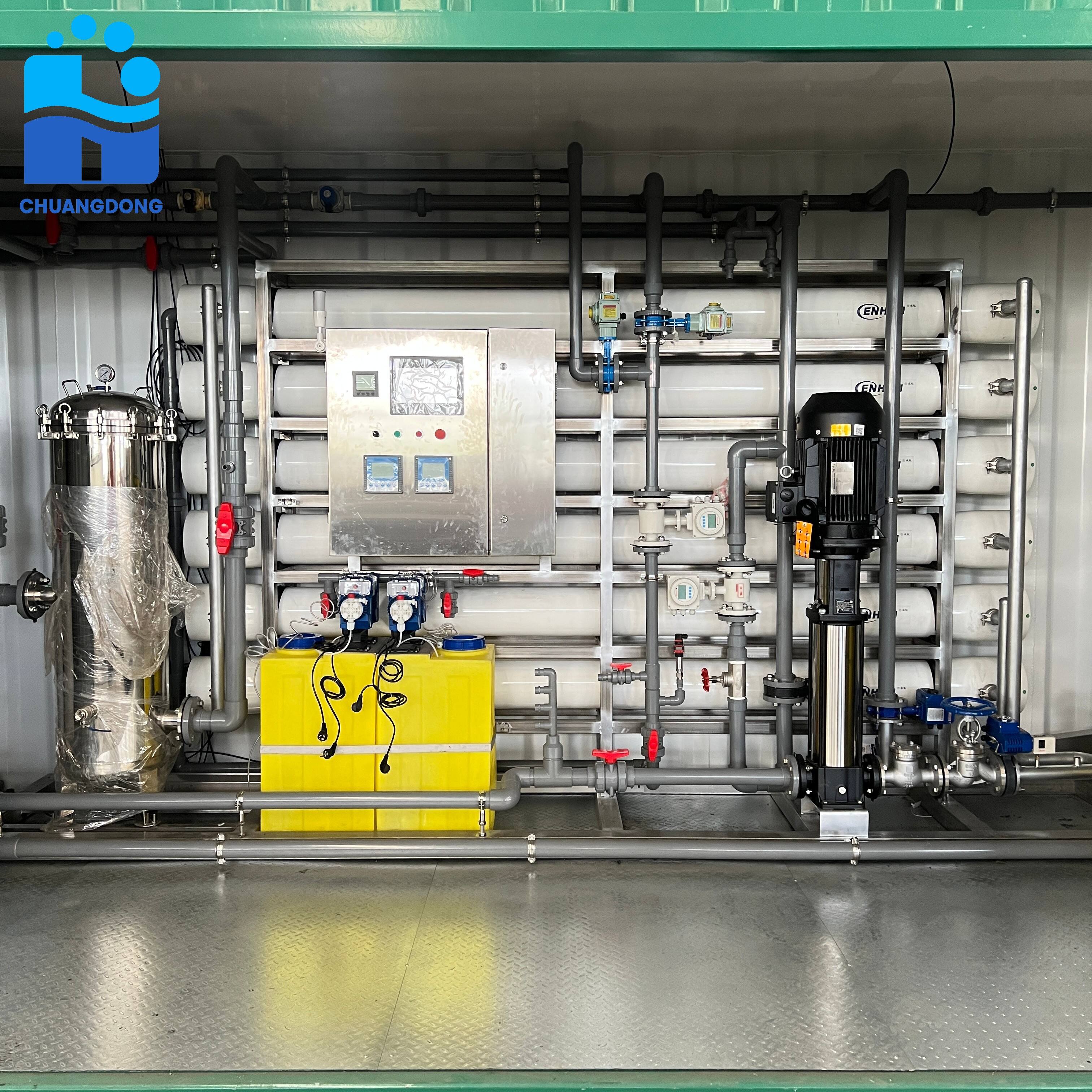
Īsā atbilde ir jā—reversās osmozes sistēma ar alkalisko remineralizāciju patiešām var ražot labāk garšojošu dzēriena ūdeni salīdzinājumā ar standarta reversās osmozes sistēmām. Šis uzlabojums novērš vienu no visbiežāk izteiktajām kritiskajām piezīmēm par tradicionālo reversās osmozes tehnoloģiju: blāvo, bezdzīvīgo garšu, kas rodas, no ūdens izvadot gandrīz visus šķīdušos minerālus. Iekļaujot alkalisko remineralizācijas tehnoloģiju, šīs uzlabotās sistēmas atjauno būtiskos minerālus, vienlaikus saglabājot augstas kvalitātes filtrācijas spējas, kas padara reverso osmozi vienā no efektīvākajām ūdens attīrīšanas metodēm, kas šodien ir pieejamas.
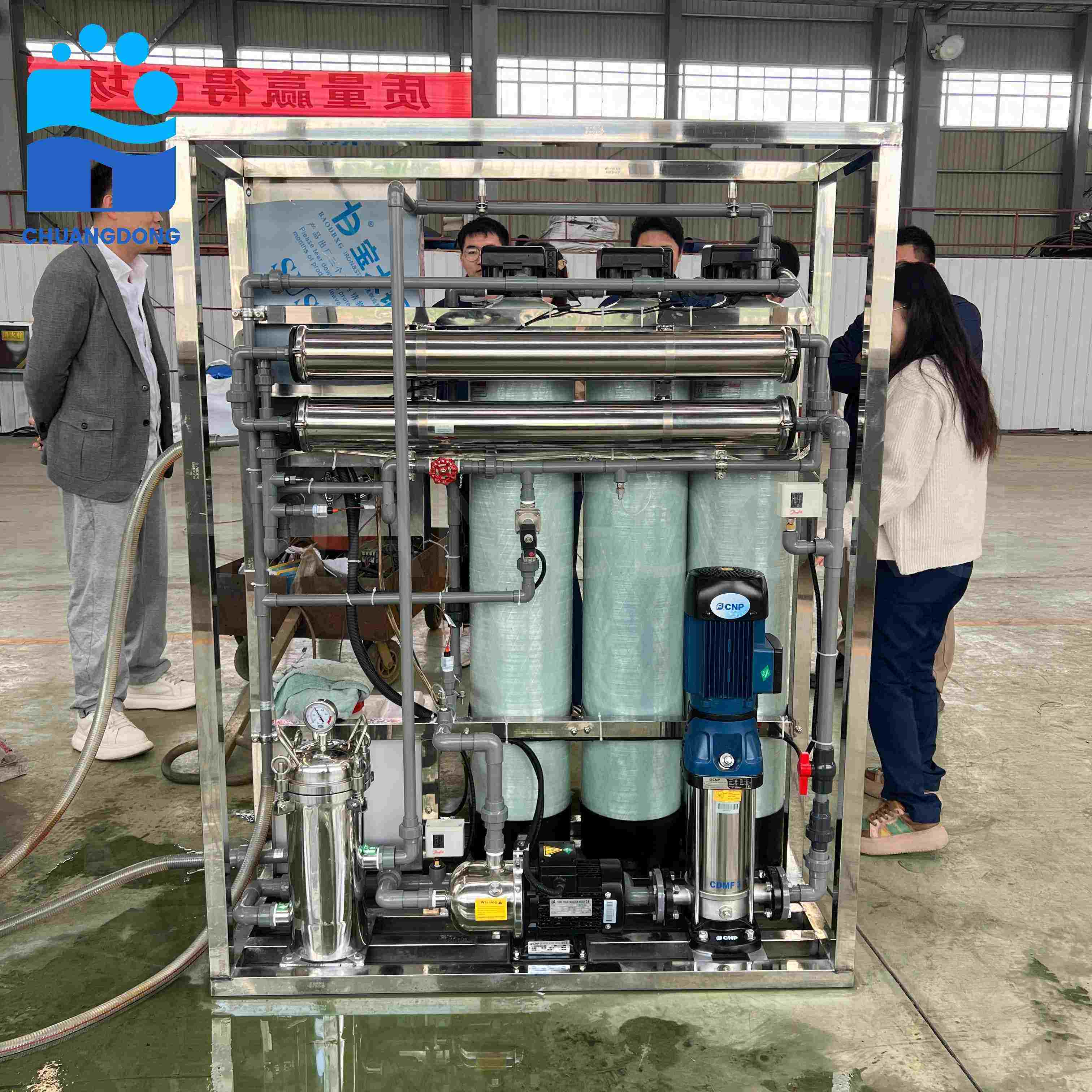
Gara uzlabošana ir saistīta ar stratēģisku labvēlīgu minerālu, piemēram, kalcija, magnija un kālija, pievienošanu atpakaļ attīrītajam ūdenim. Šie minerāli ne tikai veicina dabīgo garšas profilu, kas padara ūdeni vēsāku un apmierinošāku, bet arī palīdz sasniegt optimālo pH līdzsvaru, ko daudzi lietotāji uzskata par patīkamāku. Svarīgi saprast, kā šī tehnoloģija darbojas un kāda ir tās ietekme uz ūdens kvalitāti, jo to ņem vērā uzņēmumi un iestādes, kas pārdomā savas ūdens attīrīšanas infrastruktūras modernizāciju.
Kā alkaliskā remineralizācija uzlabo ūdens garšu
Zinātniskais pamats minerālu uzlabotai garšai
Reversās osmozes sistēma ar sārmainu pārmineralizāciju darbojas, vispirms noņemot piesārņojumus, izmantojot standarta RO procesu, pēc tam selektīvi pievienojot atpakaļ noderīgās minerālvielas kontrolētās koncentrācijās. Garšas uzlabošana notiek tāpēc, ka šīs minerālvielas nodrošina sīku jonu saturu, ko mūsu garšas receptoriem uztver kā tīru, atsvaidzinošu ūdeni. Bez šīm minerālvielām RO ūdens bieži garšo neuzkrītoši vai tukši, trūkstot skaidrās, apmierinošās kvalitātes, ko cilvēki saista ar augstas kvalitātes dzēriena ūdeni.
Pārmineralizācijas process parasti ietver tīro ūdeni novadīšanu caur specializētiem minerālvielu patronām vai sārmainiem filtriem, kas satur dabiskas minerālvielu avotus. Šie komponenti ūdens plūsmā izšķīdina kontrolētus daudzumus kalcija karbonāta, magnija oksīda un citu noderīgu minerālvielu. Rezultātā iegūst ūdeni, kurš saglabā reversās osmozes filtrācijas tīrību, vienlaikus atgūstot dabiskās minerālvielu līdzsvaru, kas veicina augstāku garšas un mutnes sajūtas kvalitāti.
pH līdzsvars un garšas uztvere
Alkaliskā komponente apgrieztās osmozes sistēmā ar alkalisko pārmineralizāciju ir būtiska nozīme garšas uzlabošanā, regulējot apstrādātā ūdens pH līmeni. Standarta RO ūdens parasti ir nedaudz skābs, jo tiek noņemti alkaliskie minerāli, kas var izraisīt asu vai tukšu garšas sajūtu. Pārmineralizācijas process paaugstina pH līmeni līdz neitrālam vai nedaudz alkaliskam diapazonam, parasti starp 7,5 un 8,5.
Šis pH līmeņa pielāgojums rada gludāku un līdzsvarotāku garšas profilu, ko daudzi lietotāji atzīst par ievērojami pievilcīgāku salīdzinājumā ar neatstrādātu RO ūdeni. Alkaliskie minerāli arī piešķir ūdenim sīku saldumu un pilnīgumu, kas novērš aso vai sterilu garšu, kuru bieži saistīt ar pārmērīgi attīrītu ūdeni. Komerciālās iekārtas un biroji, kas ir pārgājuši uz šādām sistēmām, bieži ziņo par augstāku lietotāju apmierinātību un palielinātu ūdens patēriņu starp darbiniekiem un klientiem.
Garo kvalitātes salīdzinājums starp dažādām ūdens attīrīšanas metodēm
Standarta RO sistēmas pret uzlabotām sistēmām
Salīdzinot standarta apgrieztās osmozes sistēmu ar apgrieztās osmozes sistēmu, kas papildus nodrošina sārmu remineralizāciju, garšas atšķirība ir nekavējoties manāma lielākajai daļai lietotāju. Standarta RO ūdens, lai gan ir ļoti tīrs, bieži vien trūkst minerālu, kas nodrošina dabisku garšas sarežģītību. Tā rezultātā ūdens daudziem šķiet blāvs, bezgaršīgs vai pat nedaudz nepatīkams, jo tam ir skāba pH vērtība un pilnīgi trūkst šķīdušo minerālu.
Uzlabotā sistēma risina šīs problēmas, saglabājot visus tradicionālās apgrieztās osmozes (RO) metodes piesārņojumu noņemšanas priekšrocības, vienlaikus atgriežot konkrētos minerālus, kas uzlabo garšu un uzturvieliskās vērtības. Lietotāji regulāri ziņo, ka reminerālizētā RO ūdens garšo līdzīgi augstas kvalitātes pudeļu ūdenim vai augstas kvalitātes avota ūdenim ar tīru, atsvaidzinošu garšu, kas veicina regulāru patēriņu. Šis uzlabojums ir īpaši redzams komerciālos pielietojumos, kur ūdens garša tieši ietekmē klientu apmierinātību.
Ietekme uz dzērienu un pārtikas pagatavošanu
Atpakaļsmailās osmozes sistēma ar sārmainu pārmineralizāciju nodrošina augstākas kvalitātes rezultātus ne tikai tiešai dzēršanai, bet arī dzērienu un pārtikas pagatavošanas lietojumiem. Līdzsvarotais minerālvielu saturs uzlabo garšu izvilkšanu kafijā un tējā, radot dzērienus ar labāku skaidrību, aromātu un garšas sarežģītību. Daudzas komerciālās iestādes konstatējušas, ka viņu kafija garšo ievērojami labāk, ja to gatavo, izmantojot pārmineralizētu atpakaļsmailās osmozes ūdeni, salīdzinot ar standarta atpakaļsmailās osmozes ūdeni.
Uzlabotais minerālu līdzsvars ir izdevīgs arī gatavošanai, jo ūdens dabiskāk reaģē ar sastāvdaļām, neizraisot nepatīkamas garšas, kas var rasties, izmantojot ļoti deminerālizētu ūdeni. Restorāni, ēdnīcas un pārtikas pakalpojumu uzņēmumi bieži pamanījuši uzlabotu klientu atsauksmi gan par dzērieniem, gan par pārtikas kvalitāti pēc šo uzlaboto sistēmu uzstādīšanas. Stabilais minerālu saturs arī palīdz uzturēt aprīkojuma darbību, nodrošinot piemērotu ūdens ķīmisko sastāvu dažādām komerciālām lietojumprogrammām.
Integrētu remineralizācijas sistēmu tehniskās priekšrocības
Filtrācijas efektivitāte un kvalitātes garantija
Profesionāli izstrādāta apgrieztās osmozes sistēma ar sārmainu pārmineralizāciju saglabā izcilās piesārņojumu noņemšanas spējas, kas padara RO tehnoloģiju tik efektīvu. Šīs sistēmas joprojām noņem līdz 99 % šķīdušo vielu, baktēriju, vīrusu, smago metālu un ķīmisko piesārņotāju, vienlaikus atgriežot tikai konkrētās minerālvielas, kas uzlabo garšu un sniedz veselības priekšrocības. Izvēlētā pārmineralizācijas procedūra nodrošina, ka noderīgās minerālvielas tiek pievienotas optimālās koncentrācijās, neieviešot atpakaļ nekādas kaitīgas vielas.
Augstākā līmeņa kvalitātes kontroles sistēmas uzrauga gan attīrīšanas, gan remineralizācijas posmus, lai nodrošinātu vienmērīgu ūdens kvalitāti. Tas ietver minerālu devu automātisku pielāgošanu atkarībā no avota ūdens parametriem un plūsmas ātrumiem, nodrošinot, ka katrs ūdens glāzīte atbilst tiem pašiem augstajiem standartiem gan tīrībai, gan garšai. Komerciālās klases sistēmās bieži iekļauta reāllaika uzraudzība un brīdinājumu sistēmas, kas informē operatorus par nepieciešamo apkopi vai filtru elementu nomaiņu.
Darbības uzticamība un apkopes apsvērumi
Mūsdienīgas apgrieztās osmozes sistēmas ar alkalisku pārmineralizāciju ir izstrādātas, lai nodrošinātu uzticamu ilgtermiņa darbību ar pārvaldāmām apkopes prasībām. Pārmineralizācijas komponenti ir izstrādāti tā, lai bez problēmām darbotos kopā ar RO sistēmu, izmantojot plūsmas proporcionālu devu piegādi, kas automātiski pielāgojas mainīgajām patēriņa vajadzībām. Šī integrācija novērš atsevišķu apstrādes posmu pārvaldības sarežģītību, vienlaikus nodrošinot vienmērīgu ūdens kvalitāti neatkarīgi no izmantošanas paraugiem.
Apkopes procedūras ir vienkāršotas, izmantojot aizvietojamas patronas sistēmas, kuras var ātri nomainīt bez speciāliem rīkiem vai ilgstošas ekspluatācijas pārtraukšanas. apgrieztās osmozes sistēma ar alkalisku pārmineralizāciju tehnoloģija ietver prognozējošās apkopes funkcijas, kas pagarinām komponentu kalpošanas laiku, vienlaikus nodrošinot optimālu veiktspēju. Regulārās apkopes grafiki parasti ietver kvartālās patronu nomaiņas un gadā vienu reizi veicamo sistēmas pārbaudi, lai saglabātu augstāko garšas kvalitāti un ekspluatācijas efektivitāti.
Lietojuma jomas un priekšrocības dažādām iekārtām
Komerciāla un rūpnieciska ieviešana
Komerciālās iekārtas, kas ievieš apgrieztās osmozes sistēmu ar sārmainu atmineralizāciju, parasti nekavējoties redz uzlabojumus ūdens pieņemšanas ātrumā un vispārējā apmierinātībā. Biroju ēkas, tirdzniecības objekti un viesnīcu vietnes konstatē, ka darbinieki un klienti dzērš vairāk ūdens un sniedz pozitīvu atsauksmi par ūdens garšu. Šis palielinātais patēriņš atbalsta veselības uzlabošanas iniciatīvas, vienlaikus samazinot vajadzību pēc pudeļu ūdens iegādes, kas nodrošina gan veselības, gan izmaksu priekšrocības.
Rūpnieciskajām lietojumprogrammām ir izdevīgi vienmērīgā ūdens kvalitāte, ko šīs sistēmas nodrošina tehnoloģiskā ūdens vajadzībām. Ražošanas uzņēmumi, kuriem savās darbībās nepieciešama noteikta ūdens ķīmiskā sastāva, atklāj, ka kontrolētais atmineralizācijas process nodrošina prognozējamākus rezultātus nekā mainīga avota ūdens vai vienkārša tikai RO apstrāde. Spēja precīzi pielāgot minerālu saturu padara šīs sistēmas vērtīgas lietojumprogrammām, kas aptver no pārtikas apstrādes līdz farmaceitiskās ražošanas jomai.
Priekšrocības veselības aprūpes un izglītības iestādēm
Veselības aprūpes iestādes un izglītības iestādes īpaši gūst labumu no apgrieztās osmozes sistēmas ar sārmainu atmineralizāciju piedāvātajām garšas uzlabošanām. Slimnīcas un klīnikas konstatē, ka pacienti ir vairāk noskaņoti uzturēt pareizu hidratāciju, ja pieejamais ūdens ir patīkams garšai, kas veicina labākus veselības rezultātus un augstākus pacientu apmierinātības rādītājus. Vienmērīgā kvalitāte arī atbilst stingrajiem prasību noteikumiem medicīniskajām lietojumprogrammām, vienlaikus nodrošinot dzēriena ūdeni, kas veicina tā patēriņu.
Skolas un universitātes ziņo par palielinātu ūdens avota izmantošanu un samazinātu prasību pēc cukurotiem dzērieniem pēc šo sistēmu uzstādīšanas. Uzlabotā garša atbalsta izglītības veselības programmas, vienlaikus samazinot ekspluatācijas izmaksas, kas saistītas ar pudeļu ūdens iegādi. Daudzas izglītības iestādes šīs sistēmas izmanto arī kā mācību līdzekļus, lai skolēniem un darbiniekiem demonstrētu modernas ūdens attīrīšanas tehnoloģijas un vides ilgtspējas prakses.
Izmaksu efektivitāte un ilgtermiņa vērtība
Uzlabotu ūdens sistēmu ekonomiskā analīze
Lai gan apgrieztās osmozes sistēma ar sārmainu atkalminerālizāciju prasa lielāku sākotnējo ieguldījumu nekā pamata RO sistēmas, ilgtermiņa ekonomiskās priekšrocības parasti attaisno papildu izmaksas. Iestādes bieži panāk ievērojamus ietaupījumus, samazinot pudeļu ūdens iegādi, jo lietotāji vairāk vēlas apstrādātā ūdens garšu nekā standarta krāna ūdens vai pamata filtrēto variantu. Šie ietaupījumi pieaug laikā, īpaši augstas patēriņa vides, piemēram, birojos, skolās un veselības aprūpes iestādēs.
Uzlabotais garšas kvalitātes līmenis arī veicina plašākus izmaksu ietaupījumus, samazinot dzērienu pirkumus un uzlabojot ražību, nodrošinot labāku hidratāciju ēkas apmeklētājiem. Daudzas organizācijas konstatē, ka ieguldījums uzlabotās ūdens attīrīšanas sistēmās atmaksājas divos līdz trīs gadus, samazinot dzērienu izmaksas un uzlabojot lietotāju apmierinātību. Šīs sistēmas arī piešķir vērtību nekustamajai īpašumam un demonstrē vides atbildību, atbalstot uzņēmuma ilgtspējas mērķus.
Uzturēšanas un ekspluatācijas izmaksu apsvērumi
Eksploatacijas izmaksas apgrieztās osmozes sistēmai ar alkalisko pārmineralizāciju paliek saprātīgas, jo modernās sistēmas ir efektīvi konstruētas un aizvietojamie komponenti ir pieejami pieejamās cenās. Minerālu patronas, ko izmanto pārmineralizācijas procesā, parasti kalpo trīs līdz sešus mēnešus, atkarībā no izmantošanas intensitātes, un to aizvietošanas izmaksas ir minimālas salīdzinājumā ar pastāvīgajām izmaksām par pudeļu ūdeni vai biežām filtru maiņām mazāk efektīvās sistēmās.
Jaunāko modeļu enerģijas efektivitātes uzlabojumi palīdz uzturēt zemas ekspluatācijas izmaksas, vienlaikus nodrošinot lielisku darbību. Intelektuālo uzraudzības sistēmu integrācija samazina nepieciešamību pēc biežām tehniskās apkopes vizītēm, jo tās laikus brīdina par apkopes vajadzībām un automātiski optimizē sistēmas darbību. Šīs funkcijas veicina zemākas kopējās īpašuma izmaksas, vienlaikus nodrošinot stabili ūdens kvalitāti, kas atbilst gan garšas, gan drošības prasībām.
Bieži uzdotie jautājumi
Cik ilgi nepieciešams, lai pamanītu garšas uzlabojumu pēc alkalīnās remineralizācijas sistēmas uzstādīšanas?
Vairums lietotāju pamanā uzreiz uzlaboto ūdens garšu pēc apgrieztās osmozes sistēmas ar alkalīno remineralizāciju uzstādīšanas. Garšas uzlabojums ir manāms jau no pirmā glāzītes, jo minerālu saturs un pH līmeņa pielāgošana rada redzami atšķirīgu garšas profilu salīdzinājumā ar standarta apgrieztās osmozes ūdeni. Tomēr, lai pilnībā novērtētu sīkākos uzlabojumus un izveidotu preferenci pret uzlaboto ūdens kvalitāti, var būt nepieciešamas vairākas dienas regulāras patēriņa.
Vai minerālu saturu var pielāgot konkrētām garšas preferencēm?
Jā, daudzas apgrieztās osmozes sistēmas ar alkalisku atmineralizāciju piedāvā regulējamu minerālu devu, lai atbilstu dažādām garšas preferencēm un lietošanas prasībām. Profesionāli uzstādītas sistēmas var kalibrēt, lai sasniegtu konkrētu pH līmeni un minerālu koncentrāciju, pamatojoties uz lietotāju atsauksmēm un paredzēto lietojumu. Dažas modernākās sistēmas ietver vairākus regulēšanas iestatījumus, kas ļauj objekta pārvaldniekiem precīzi pielāgot ūdens kvalitāti, lai maksimāli palielinātu lietotāju apmierinātību un izpildītu konkrētās ekspluatācijas prasības.
Kā atmineralizētais RO ūdens salīdzinājumā ar premium pudeļu ūdeni izskatās garšas testos?
Aklās garšas pārbaudēs ūdens no pareizi uzturētas pretplūsmas osmozes sistēmas ar alkalisku pārmineralizāciju parasti iegūst tādu pašu vai labāku vērtējumu kā augstas klases pudeļu ūdens zīmoli. Stabilā kvalitāte un optimizēta minerālu līdzsvara dēļ tas bieži piedāvā tīrāku un atsvaidzinošāku garšu nekā pudeļu ūdens, kura kvalitāte var atšķirties un kurš var saturēt nepatīkamas garšas, kas rodas uzglabāšanas laikā. Dažādas komerciālās iekārtas ziņo, ka lietotāji vairāk vēlas šo apstrādāto ūdeni nekā dārgās pudeļu ūdens alternatīvas, tādējādi veicinot gan izmaksu taupīšanu, gan vides ilgtspējas mērķus.
Kāda apkope ir nepieciešama, lai ilgstoši saglabātu vienmērīgu garšu?
Optimālas garšas kvalitātes uzturēšana pretvirziena osmozes sistēmā ar alkalīnu pārmineralizāciju prasa regulāru gan RO membrānu, gan minerālkartrižu nomaiņu saskaņā ar ražotāja ieteikumiem. Parasti minerālkartrižus ir jānomaina ik pēc trim līdz sešiem mēnešiem, kamēr RO membrānas var ilgt 18–24 mēnešus, atkarībā no avota ūdens kvalitātes un izmantošanas režīma. Regulāra ūdens kvalitātes parametru uzraudzība un operatīva reakcija uz apkopēs norādītajiem brīdinājumiem nodrošina, ka garšas kvalitāte paliek stabila visu sistēmas ekspluatācijas laiku.
Saturs
- Kā alkaliskā remineralizācija uzlabo ūdens garšu
- Garo kvalitātes salīdzinājums starp dažādām ūdens attīrīšanas metodēm
- Integrētu remineralizācijas sistēmu tehniskās priekšrocības
- Lietojuma jomas un priekšrocības dažādām iekārtām
- Izmaksu efektivitāte un ilgtermiņa vērtība
-
Bieži uzdotie jautājumi
- Cik ilgi nepieciešams, lai pamanītu garšas uzlabojumu pēc alkalīnās remineralizācijas sistēmas uzstādīšanas?
- Vai minerālu saturu var pielāgot konkrētām garšas preferencēm?
- Kā atmineralizētais RO ūdens salīdzinājumā ar premium pudeļu ūdeni izskatās garšas testos?
- Kāda apkope ir nepieciešama, lai ilgstoši saglabātu vienmērīgu garšu?