 EN
EN



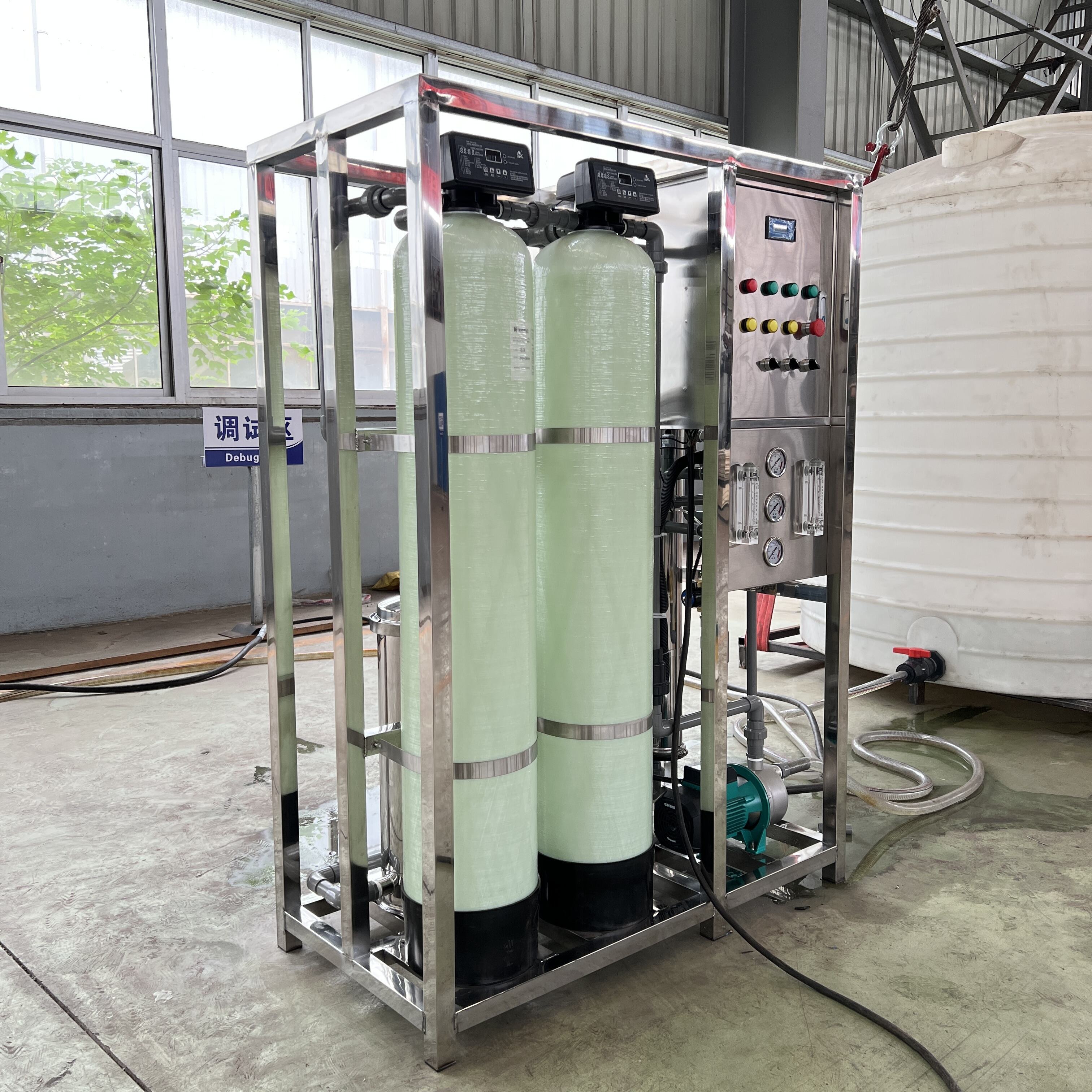
Նոր ջրի աղազերծման կայանի օպտիմալ տեղադրման ընտրությունը ծրագրավորման և մշակման գործընթացում ամենակրիտիկ որոշումներից մեկն է, որը ուղղակիորեն ազդում է ծովի ջրի վերցման որակի, շահագործման արդյունավետության և քաղցրահամ ջրի երկարաժամկետ կայուն արտադրության վրա: Տեղադրման վայրը որոշում է ոչ միայն աղբյուրի ջրի քիմիական և ֆիզիկական բնութագրերը, այլև ազդում է նախնական մշակման պահանջների, էներգիայի սպառման և մեծ մասշտաբի ներդրումների վրա: Վատ տեղադրման վայրի ընտրությունը կարող է հանգեցնել թաղանթների հաճախակի աղտոտման, շահագործման ծախսերի բարձրացման և արտադրանքի որակի վատացման, որի պատճառով անհրաժեշտ է վերջնական վայրի ընտրությունից առաջ համապարփակ գնահատել մի շարք շրջակա միջավայրի, տեխնիկական և տրանսպորտային գործոններ: Ծովի ջրի որակը ապահովելու նպատակով նոր ջրի աղազերծման կայանի տեղադրման վայրի ընտրության սկզբունքները հասկանալու համար անհրաժեշտ է համապարփակ վերլուծել ափամերձ հիդրոլոգիան, կենսաբանական ակտիվությունը, աղտոտման աղբյուրները և ենթակառուցվածքներին մուտքի հասանելիությունը:
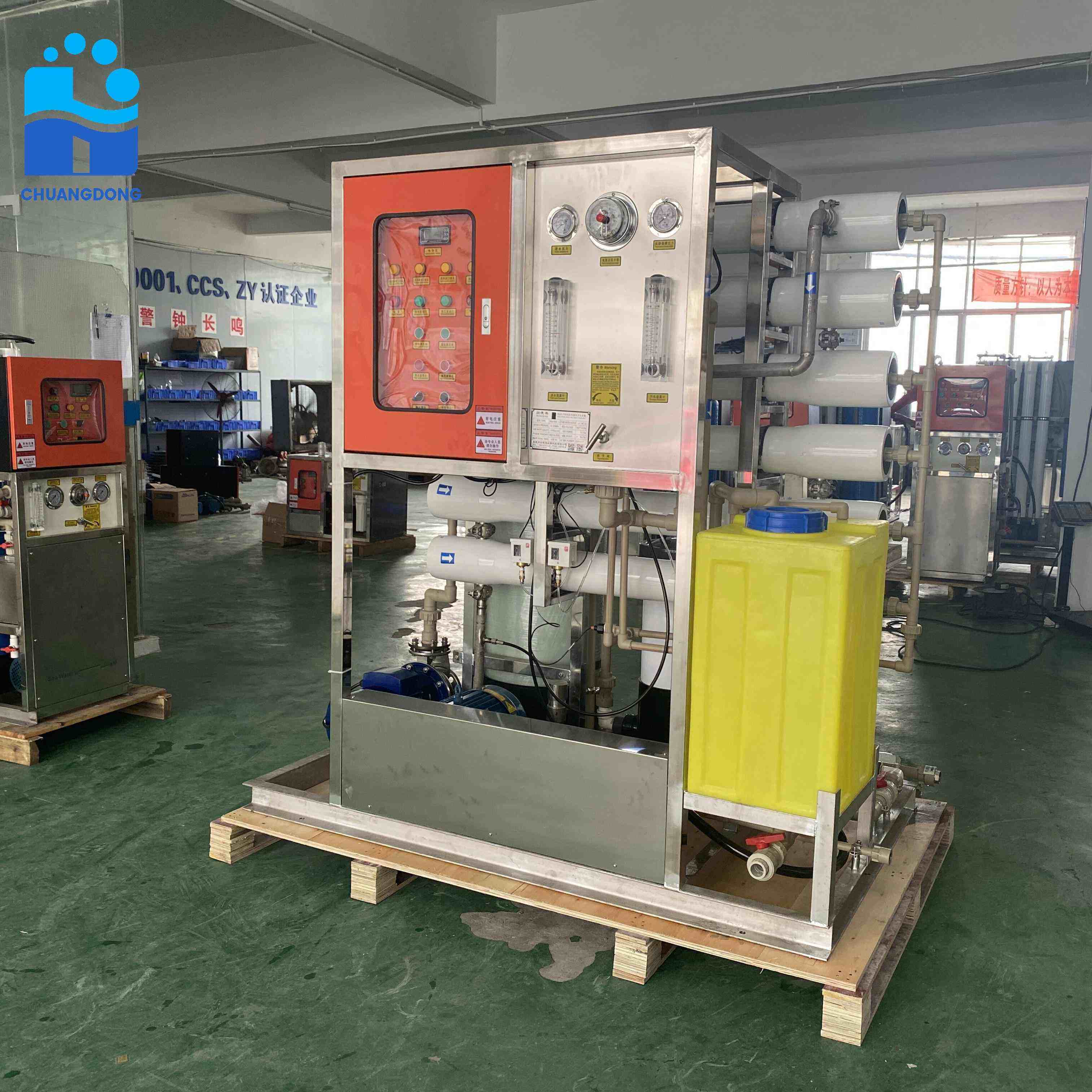
Ծովի ջրի որակը վերցման կետում ցանկացած հաջողված դեզալինացիայի գործողության հիմքն է: Ի տարբերություն ստորերկրյա կամ մակերևույթի քաղցրահամ ջրի աղբյուրների՝ ծովի ջրի բաղադրությունը կախված է երկրագնդային տեղադրությունից, գետերի բերվածքների մոտիկությունից, մակընթացության օրինաչափություններից և մարդկային ազդեցությունից, ինչը հանգեցնում է նրա զգալի տատանումների: Լավ ընտրված վայրը նվազեցնում է կախված մասնիկների, օրգանական նյութերի, ջրի ջրիմուռների, հիդրուտների և ծանր մետաղների առկայությունը, որոնք բոլորն էլ կարող են վատացնել մեմբրանների աշխատանքը և բարդացնել մաքրման գործընթացը: Այս հոդվածը ներկայացնում է հնարավոր վայրերի գնահատման մանրամասն մեթոդաբանություն՝ հետազոտելով օվկիանոսագիտական պայմանների, շրջակա միջավայրի վերաբերյալ կանոնակարգերի և ճարտարագիտական իրականացվելիության փոխազդեցությունը՝ ապահովելու համար, որ ընտրված վայրը ապահովի բարձրորակ ջրի վերցումը և դեզալինացիայի կայանի արդյունավետ գործառույթները նրա ամբողջ ծառայության ժամանակահատվածում:
Դեզալինացիայի կայանի աշխատանքի համար կրիտիկական նշանակություն ունեցող ծովի ջրի որակի ցուցանիշների հասկացություն
Աղբյուրի ջրի հիմնարար ֆիզիկական և քիմիական բնութագրեր
Ծովի ջրի ֆիզիկական և քիմիական բաղադրությունը վերցման կետում խորը ազդում է ջրի աղազերծման կայանի նախագծման և շահագործման վրա: Աղի պարունակության մակարդակը, որը սովորաբար չափվում է հազարավորես կամ լուծված ընդհանուր պինդ նյութերով, որոշում է հակադարձ օսմոսի մեմբրանների հաղթահարելու համար անհրաժեշտ օսմոտիկ ճնշումը, ինչը ուղղակիորեն ազդում է էներգասպառման և վերականգնման ցուցանիշների վրա: Եթե բաց օվկիանոսի ջուրը սովորաբար պահպանում է աղի պարունակությունը մոտավորապես 35 000 միլիգրամ/լիտր սահմաններում, ապա ծովային ափի մոտ գտնվող գետաբերանների կամ փակ ծոցերի շրջաններում աղի պարունակությունը կարող է տատանվել՝ կախված քաղցրահամ ջրի մուտքից, սեզոնային տեղատվությունից կամ գոլորշիացման արագությունից: Կայանի տեղակայման համար կայուն աղի պարունակության պրոֆիլ ունեցող վայրի ընտրությունը նվազեցնում է համակարգի փոփոխական կարգավորումների անհրաժեշտությունը և բարելավում է գործընթացի կանխատեսելիությունը: Ջրի ջերմաստիճանը նույնպես կարևոր պարամետր է, քանի որ տաք ծովի ջուրը նվազեցնում է ջրի ծակոտկենությունը և բարելավում է մեմբրանային հոսքը, սակայն կարող է նաև արագացնել կենսաբանական աղտոտումը և օրգանական նյութերի քայքայումը, ինչը պահանջում է վայրի գնահատման ժամանակ այդ փոխհատուցման գործոնների հավասարակշռում:
Մատիտայինությունը, կախված մասնիկների կոնցենտրացիան և թափանցելիության ինդեքսը մասնիկային աղտոտման հիմնական ցուցանիշներն են, որոնք կարող են արագ աղտոտել նախնական մաքրման ֆիլտրները և հակադարձ օսմոսի մեմբրանները: Բարձր ալիքային ակտիվությամբ, դրեջինգի գործողություններով կամ նստվածքավոր գետերի ջրային արտահոսքերին մոտ գտնվող ափամերձ գոտիներում հաճախ դիտվում են բարձրացված մատիտայինության մակարդակներ, ինչը պահանջում է ավելի ինտենսիվ և թանկարժեք նախնական մաքրման համակարգեր: Նմանապես, լուծված օրգանական ածխածնի, ջրի մեջ ջրի բույսերի ծաղկման և միկրոբիոլոգիական բնակչության առկայությունը նպաստում է կենսաբանական աղտոտման ռիսկին, որը հատկապես խնդրահարույց է տաք, սննդարար ջրերում: Այս ցուցանիշների մասին հիմանական հասկացողությունը թույլ է տալիս ինժեներներին գնահատել, թե արդյոք տվյալ տեղամասը կպահանջի առաջադեմ նախնական մաքրման տեխնոլոգիաներ, ինչպես օրինակ՝ լուծված օդի լողացումը, ուլտրաֆիլտրացիան կամ ուժեղացված կոագուլյացիան, և արդյոք այդ միջոցառումները տնտեսապես հ justification են հիմնավորված՝ հաշվի առնելով ջրի աղազերծման կայանի սպասվող շահագործման տևողությունը:
Կենսաբանական ակտիվություն և կենսաբանական աղտոտման ռիսկի գնահատում
Կենսաբանական գործոնները որոշիչ դեր են խաղում ջրի աղի հեռացման կայանի երկարաժամկետ աշխատանքի և սպասարկման պահանջների վրա: Բարձր ֆիտոպլանկտոնի խտությամբ, մեդուզաների բազմացման կամ սեզոնային կարմիր ջրի երևույթներով տարածքները կայանի անընդհատ շահագործման համար մեծ մարտահրավերներ են ստեղծում, քանի որ այդ օրգանիզմները կարող են խցանել մուտքի ցանցերը, ծանրաբեռնել նախնական մշակման համակարգերը և արագացնել թաղանթների կենսաբանական աղտոտումը: Ափամերձ ջրերը, որտեղ կան վերերթային գոտիներ կամ գյուղատնտեսական տարածքներից սննդանյութերով հարուստ հոսքեր, հատկապես խոցելի են ջրի մեջ ջրի բույսերի աճի նկատմամբ, ինչը ոչ միայն մեծացնում է օրգանական բեռը, այլև առաջացնում է արտաբջջային պոլիմերային նյութեր, որոնք մեծ դժվարությամբ են հեռացվում թաղանթների մակերևույթից: Հիմնարար կենսաբանական հետազոտություններ իրականացնելը և պատմական բույսերի բազմացման տվյալները վերլուծելը անհրաժեշտ քայլեր են այն գնահատելու համար, թե արդյոք տվյալ տեղամասը կարող է ապահովել առանց մաքրման և սպասարկման համար չափից շատ կանգառների վստահելի տարեկան շահագործում:
Ծովային կյանքի բազմազանությունը և պաշտպանվող տեսակների առկայությունը նույնպես ազդում են վայրի ընտրության վրա՝ ինչպես շահագործման, այնպես էլ կարգավորման տեսանկյունից: Ծովային ջրի վերցման կառույցները պետք է նախագծվեն ձկների թրթուրների, պլանկտոնի և այլ ծովային օրգանիզմների միացման ու ներգրավման նվազագույնի հասցնելու համար, ինչը հաճախ պահանջում է արագության սահմանափակիչների, մանր ցանցերի կամ ստորջրյա վերցման համակարգերի տեղադրում: Կորալային խութերի, ծովային խոտաբույսերի աճելավայրերի կամ սահմանված ծովային պաշտպանվող տարածքների մոտ գտնվող վայրերը կարող են ենթարկվել խիստ միջավայրային ազդեցության գնահատման և թույլտվության պայմանների, որոնք մեծացնում են նախագծի բարդությունը և հետաձգում են իրականացման ժամկետները: Բարձրորակ ծովային ջրի պահանջի և միջավայրի պաշտպանության միջև հավասարակշռություն հաստատելու համար անհրաժեշտ է հատուկ տարածական վերլուծություն, որը հաճախ նախընտրում է ավելի խորը ծովային գոտիներում գտնվող վայրեր, որտեղ կենսաբանական զգայունությունը ցածր է, իսկ ջրի որակը՝ ավելի կայուն, թեև այդպիսի վայրերում վերցման ենթակառուցվածքների և ջրամղման համար կապիտալ ծախսերը կարող են ավելի բարձր լինել:
Ափամերձ երկրագիտության և օվկիանոսագիտական պայմանների գնահատում
Խորություն, ափից հեռավորություն և մուտքի կառույցի իրագործելիություն
Ջրային մակերևույթի խորությունը և ծովի հատակի ռելիեֆը նախատեսված ջրի աղազերծման կայանի տեղամասում անմիջապես ազդում են ծովի ջրի մուտքի համակարգի նախագծման, շինարարության և շահագործման ծախսերի վրա: Բաց օվկիանոսում տեղադրված՝ սովորաբար ալիքների գոտուց դուրս և 10–20 մետրից ավելի խորության վրա գտնվող մուտքերը սովորաբար ապահովում են բարձր որակի ծովի ջուր, որն ունի ցածր մատտություն, նվազած կենսաբանական աղտոտվածություն և ավելի կայուն աղիություն: Սակայն այդ ծովային կառուցվածքների համար անհրաժեշտ են երկար մուտքի մայրուղիներ, մասնագիտացված ծովային շինարարական տեխնիկա և ավելի մեծ պոմպավարման էներգիա՝ ուղղաձիգ բարձրացման աճի պատճառով: Ի հակադրություն դրան՝ ափի երկայնքով կամ ավազային ավզաններում տեղադրված մուտքերը ապահովում են ցածր շինարարական ծախսեր և պարզեցված սպասարկման մուտք, սակայն կարող են ջուր վերցնել այն գոտիներից, որտեղ սեդիմենտների բեռնվածությունը բարձր է, ջրի ջերմաստիճանը ավելի փոփոխական է և որտեղ ավելի մոտ են ափամերձ աղտոտման աղբյուրները: Յուրաքանչյուր թեկնածու տեղամասի համար օպտիմալ մուտքի կառուցվածքը որոշելու համար անհրաժեշտ է մանրամասն ծախս-եկամուտ վերլուծություն, որը համեմատում է կապիտալ ծախսերը, շահագործման ընթացքում սպառվող էներգիան և ջրի որակի վստահելիությունը:
Ծովի հատակի կազմը և գեոտեխնիկական կայունությունը միանգամայն կարևոր հաշվառման գործոններ են դեզալինացիայի կայանի մուտքի ենթակառուցվածքների պլանավորման ժամանակ: Քարելային հիմքերը կարող են բարդացնել մայրուղու փոսերի փորումը և անկյունների տեղադրումը, սակայն հաճախ վկայում են ուժեղ հոսանքներ և լավ ջրի շրջանառություն ունեցող տարածքների մասին, ինչը օգնում է աղաջրի թափման ցրմանը և մուտքի ջրի որակի պահպանմանը: Ավազոտ կամ կավային հատակները, թեև ավելի հեշտ է փորել, կարող են ենթակա լինել նստվածքների վերաբարձման՝ փոթորիկների կամ բարձր էներգիայով ալիքների ժամանակ, ինչը մեծացնում է մուտքի խցանման ռիսկը և պահանջում ավելի հզոր նախնական մշակում: Երկրաֆիզիկական հետազոտությունների, նստվածքների նմուշառման և հիդրոդինամիկ մոդելավորման իրականացումը տրամադրում է այն փաստացի տվյալները, որոնք անհրաժեշտ են գնահատելու համար, թե արդյոք տվյալ տեղամասը կարող է ապահովել տևական մուտքի կառույցների կառուցումը և արդյոք նստվածքների տեղափոխման եղանակային փոփոխականությունը կվտանգի ծովի ջրի որակը կրիտիկական շահագործման շրջաններում:
Հոսանքների օրինակները, մակընթացության ազդեցությունը և ջրի շրջանառությունը
Օվկիանոսային հոսանքները և մակընթացության դինամիկան խորը ազդեցություն են ունենում ջրի մուտքի և աղաջրի թափման խառնման, նոսրացման և ցրման վրա ջրի մաքրման կայանի տեղամասում: Ուժեղ և կայուն հոսանքները բարձրացնում են ջրի փոխանակման արագությունը, կանխելով տաք, աղի թափման ջրի կուտակումը մուտքի կետի մոտ և նվազեցնելով կենտրոնացված աղաջրի վերամուտքի հավանականությունը մատակարարվող ջրի հոսանքի մեջ: Վատ շրջանառություն ունեցող տեղամասերը, օրինակ՝ փակ ծոցերը, լագունները կամ ափամերձ լեռնային ձևավորումներով պաշտպանված տարածքները, ավելի վտանգված են շերտավորման, տեղական աղիության մեծացման և աղտոտիչների երկարատև պահպանման նկատմամբ, ինչը բոլորը վատացնում է մուտքի ջրի որակը և բարդացնում է շրջակա միջավայրի պահպանման պահանջների կատարումը: Համակարգչային հեղուկային դինամիկայի գործիքների օգնությամբ հիդրոդինամիկ մոդելավորումը հնարավորություն է տալիս պլանավորողներին սիմուլյացիայի ենթարկել ցրման ամպերը տարբեր մակընթացության և սեզոնային պայմանների տակ՝ ապահովելով, որ ընտրված տեղամասը ապահովում է թափման և մուտքի գոտիների միջև բավարար բաժանում:
Հիդրոլոգիական մակընթացության տիրույթը և պարբերականությունը նույնպես ազդում են ջրի աղազերծման կայանի շահագործման կայունության վրա, հատկապես՝ մակերեսային մուտքեր կամ մակերեսին մոտ գտնվող ստորերկրյա ավզաններ օգտագործող կայանների վրա: Մեծ մակընթացության տատանումները կարող են բացահայտել մուտքի կառույցները ցածր մակարդակի ժամանակ կամ ներմուծել օդի խառնուրդներ, ինչը պահանջում է ավելի խորը մուտքի տեղադրում կամ սիֆոնի կտրման մեխանիզմների տեղադրում: Միկրոմակընթացային միջավայրերում մակընթացության մեկնարկային ազդեցության նվազումը կարող է հանգեցնել ջրի կայունացման և ափին մոտ օրգանական նյութերի բարձրացած կոնցենտրացիայի, ինչը պահանջում է ծովի խորքում գտնվող մուտքի տեղադրում՝ ավելի դինամիկ ջրային զանգվածներին մուտք գտնելու համար: Մակընթացության ռեժիմի հասկանալը և դրա փոխազդեցությունը տեղական քամով առաջացած շրջանառության, սեզոնային վերերկրային հոսքերի և քաղցրահամ ջրի արտահոսքի օրինաչափությունների հետ թույլ է տալիս ինժեներներին կանխատեսել ծովի ջրի որակի ժամանակային տատանումները և մշակել այնպիսի համակարգեր, որոնք կարող են հարմարվել այդ տատանումներին՝ չվնասելով գործընթացի արդյունավետությունը կամ մեմբրանների ամբողջականությունը:
Մարդկային ազդեցությունների և աղտոտման աղբյուրների գնահատում
Մոտիկությունը արդյունաբերական, գյուղատնտեսական և քաղաքային վտանգավոր նյութերի թափման վայրերին
Ափի երկայնքով մարդկային գործունեությունը ներկայացնում է ծովի ջրի որակի համար ամենամեծ սպառնալիքներից մեկը ջրի աղազերծման կայան քանի որ արդյունաբերական թափոնները, գյուղատնտեսական վազքը և կոմունալ սերվիսային ջրերի վտարումները ներմուծում են այնպիսի աղտոտիչներ, որոնք դժվար է և թանկ է վերացնել: Պղինձը, ցինկը և անագը, որոնք հաճախ հանդիպում են արդյունաբերական սառեցման ջրում և հանքարդյունաբերական գործողություններում, կարող են վնասել հակադարձ օսմոսի մեմբրանները և վտանգել արտադրվող ջրի որակը: Գյուղատնտեսական պարարտանյութերից ստացված ազոտը և ֆոսֆորը խթանում են ջրի մեջ ջրի բույսերի ծաղկումը և մեծացնում օրգանական բեռնվածությունը, իսկ չմշակված կամ մասնականորեն մշակված սերվիսային ջրերը ներմուծում են պաթոգեններ, դեղամիջոցներ և անձնական խնամքի միջոցների մնացորդներ, որոնք կարող են մնալ ստանդարտ նախնական մշակման ընթացքում: Աղտոտող նյութերի համապարփակ ցանկի կազմումը և մոտակա օբյեկտների վտարման թույլտվությունների վերլուծությունը օգնում են նույնացնել հնարավոր աղտոտման ռիսկերը և որոշել ջրի վերցման կետի և աղտոտման աղբյուրների միջև անհրաժեշտ նվազագույն անվտանգ հեռավորությունը:
Նավթի և գազի շահագործումը, նավարկությունը և նավահանգստային գործունեությունը լրացուցիչ վտանգներ են ստեղծում աղտոտման համար, որոնք պետք է հիմնավորված կերպով գնահատվեն տեղամասի ընտրության ժամանակ: Նավերի սովորական շահագործման, պատահական արտահոսքերի կամ ծովի մակերևույթից ներքև տեղի ունեցող արդյունահանման արդյունքում առաջացած հիդրուտածնային աղտոտումը կարող է թաղանթների մակերևույթը պատել յուղային թաղանթով, ինչը կտրուկ նվազեցնում է նրանց թափանցելիությունը և պահանջում է թանկարժեք քիմիական մաքրում կամ թաղանթների փոխարինում: Այն տեղամասերը, որոնք գտնվում են նավարկության ուղիների, վառելիքի տերմինալների կամ ծովի մակերևույթից ներքև տեղակայված հարթակների մոտ, պետք է խուսափել, եթե չեն նախատեսված համապատասխան արտակարգ իրավիճակների կանխարգելման և վերահսկման ծրագրեր ու համակարգեր, որոնք կարող են հայտնաբերել և արձագանքել աղտոտման դեպքերին: Նմանապես, բալաստային ջրի վտարման ենթակա տարածքները, որտեղ կարող են ներմուծվել ներխուժող տեսակներ և մասնիկների բարձր կոնցենտրացիա, ստեղծում են կենսաբանական և շահագործման վտանգներ, որոնք կարող են վտանգել ջրի աղազերծման կայանի երկարաժամկետ կայունությունը: Առաջնային նշանակություն տալը համեմատաբար անաղտոտ ափամերձ գոտիներին՝ հեռու գտնվելով խոշոր արդյունաբերական միջանցքներից և բարձր երթևեկությամբ օվկիանոսային ուղիներից, կտրուկ նվազեցնում է այս մարդկային ծագման աղտոտիչների հետ հանդիպելու հավանականությունը:
Պատմական ջրի որակի տվյալների և կարգավորող համապատասխանության գնահատում
Պատմական ջրի որակի վերահսկման տվյալները անգնահատելի տեղեկություններ են տրամադրում ծովի ջրի ժամանակային փոփոխականության և հիմնարար պայմանների վերաբերյալ՝ թեկնածու ջրի աղազերծման կայանների տեղամասերում: Մի քանի տարվա տվյալների շարքերը, որոնք գրանցում են ջրի ջերմաստիճանի, աղիների պարունակության, մատտության, լուծված թթվածնի և սննդային նյութերի կոնցենտրացիայի սեզոնային տատանումները, հնարավորություն են տալիս ծրագրավորողներին նույնացնել կրկնվող օրինաչափություններ, ծայրահեղ իրադարձություններ և հնարավոր թույլ կետեր, որոնք կարող են անտեսվել կարճաժամկետ հետազոտությունների ընթացքում: Շրջակա միջավայրի գործակալությունների, հետազոտական հաստատությունների և գոյություն ունեցող ափամերձ վերահսկման ծրագրերի հետ համագործակցությունը կարող է հնարավորություն տալ հասանել պահպանված տվյալներին և երկարաժամկետ միտումների վերլուծությանը, ինչը նվազեցնում է երկարատև հիմնարար ուսումնասիրությունների անհրաժեշտությունը և արագացնում է նախագծի իրականացման ժամանակացույցը: Այս պատմական համատեքստը հատկապես կարևոր է ափամերձ էվտրոֆիկացիայի, կլիմայական գործոնների պայմանավորած ջրի ջերմաստիճանի բարձրացման կամ հոսանքների ուղղության փոփոխության նման աստիճանաբար տեղի ունեցող շրջակա միջավայրի փոփոխությունները հայտնաբերելու համար, որոնք կարող են ազդել ապագայում ծովի ջրի որակի վրա:
Ծովի ջրի որակի և շրջակա միջավայրի պաշտպանության ստանդարտների վերաբերյալ կարգավորող համակարգերը տարբեր իրավասություններում զգալիորեն տարբերվում են և դեզալինացիայի կայանի տեղակայման վերաբերյալ որոշում կայացնելուց առաջ անհրաժեշտ է դրանք հիմնավորված ուսումնասիրել: Թույլտվություն տվող մարմինները սովորաբար սահմանում են խիստ սահմանափակումներ ջրի վերցման կառուցվածքի, թափվող ջրի աղիության, ջերմային ազդեցության և ծովային կենսաշխարհի պաշտպանության վերաբերյալ, հաճախ պահանջելով մանրակրկիտ շրջակա միջավայրի ազդեցության գնահատականներ և հանրային խորհրդատվության ընթացակարգեր: Ծովային պաշտպանվող տարածքներում, կենսական կարևոր բնակավայրերում կամ պահպանության համար նախատեսված տարածքներում գտնվող կամ դրանց հարևանությամբ գտնվող վայրերը կարող են դիմանալ արգելվող կարգավորող խոչընդոտների կամ պահանջել թանկարժեք փոխհատուցման միջոցառումներ, ինչպես օրինակ՝ բնակավայրերի վերականգնում, ընդլայնված մոնիտորինգ կամ սեզոնային շահագործման սահմանափակումներ: Կարգավորող մարմինների վաղաժամկետ ներգրավումը և ափամերձ գոտիների կառավարման պլաններին համապատասխանեցումը ապահովում են, որ ընտրված վայրը ոչ միայն տեխնիկապես հարմար է բարձրորակ ծովի ջրի վերցման համար, այլև իրավաբանորեն և քաղաքականորեն իրականացվելի է, ինչը նվազեցնում է նախագծի արգելափակման կամ թույլտվության մերժման ռիսկը նրա զարգացման հետագա փուլերում:
Ինֆրակառուցվածքի հասանելիություն և տրանսպորտային հարցեր
Էներգիայի մատակարարման և ցանցի միացման մոտիկություն
Էներգիայի հասանելիությունը և արժեքը դեզալտերացիայի կայանի տնտեսական իրականացվելիության ամենակարևոր գործոններից են, քանի որ հակադարձ օսմոսի համակարգերը բարձր ճնշման պոմպավորման և օժանդակ գործողությունների համար պահանջում են զգալի էլեկտրական հզորություն: Հուսալի էլեկտրացանցի ենթակառուցվածքին մոտ տեղակայված վայրի ընտրությունը նվազեցնում է փոխանցման ծախսերը, նվազեցնում է էներգիայի կորուստները և պարզեցնում է նախագծի իրականացման ժամանակացույցը: Հեռավոր ափամերձ տարածքները, չնայած առաջարկում են մաքուր ծովի ջուր, կարող են պահանջել մեծ ներդրումներ նվիրված էլեկտրահաղորդման գծերում, ենթակայաններում կամ կայանի տարածքում տեղակայված սեփական էներգաարտադրության հզորություններում, ինչը կտրուկ մեծացնում է սկզբնական ծախսերը և շահագործման բարդությունը: Այն շրջաններում, որտեղ առկա են արևի կամ քամու նման վերականգնվող էներգիայի հարուստ ռեսուրսներ, դեզալտերացիայի կայանի տեղակայման վայրին մոտ վերականգնվող էներգիայի կայանների տեղակայման համար հարմար տարածքի առկայությունը կարող է բացել ճանապարհ էներգային անկախության և երկարաժամկետ շահագործման ցածր ծախսերի համար, սակայն սա պահանջում է լրացուցիչ տարածական պլանավորում և իրականացվելիության վերլուծություն:
Ստաբիլությունը և տեղական էլեկտրամատակարարման որակը հավասարապես կարևոր հաշվառման գործոններ են, քանի որ լարման թավալումները, հաճախականության անկայունությունը կամ հաճախակի անջատումները կարող են վնասել զգայուն ջրի աղազերծման սարքավորումները և խաթարել ջրի արտադրությունը: Արդյունաբերական մասշտաբի ջրի աղազերծման կայանները հաճախ աշխատում են որպես հիմնական բեռնվածության օբյեկտներ՝ անընդհատ էլեկտրաէներգիայի մատակարարման պահանջով, ինչը դրանք դարձնում է վտանգված ցանցի հուսալիության խնդիրների նկատմամբ զարգացող տարածաշրջաններում կամ էլեկտրական ենթակառուցվածքների ավարտանքի տարածքներում: Էներգիայի մատակարարման աուդիտի իրականացումը՝ ներառյալ գագաթնային պահանջարկի հզորության, էլեկտրաէներգիայի որակի պարամետրերի և պատմական անջատումների մասին տվյալների գնահատումը, օգնում է գնահատել, թե արդյոք թեկնածու տեղամասը կարող է ապահովել ջրի աղազերծման կայանի անընդհատ շահագործումը: Որոշ դեպքերում հնարավոր է անհրաժեշտ լինի հիbrid էներգիայի լուծումների կիրառումը՝ ցանցից էլեկտրաէներգիայի մատակարարման հետ միաժամանակ օգտագործելով տեղական դիզելային գեներատորներ կամ մետաղական մեկուսացված մարտկոցային պահեստավորման համակարգեր, որպեսզի ապահովվի շահագործման կայունությունը, սակայն դա ավելացնում է բարդություն և ծախսեր ընդհանուր նախագծի դիզայնին:
Մուտք տրանսպորտային միջոցների, արտադրանքի ջրի բաշխման և աղաջրի վերացման ուղիների
Ջրի աղազերծման կայանի տեղամասի լոգիստիկական հասանելիությունը ազդում է ինչպես շինարարական արդյունավետության, այնպես էլ երկարաժամկետ շահագործման կայունության վրա: Լավ ճանապարհային մուտք ունեցող տեղամասերը հեշտացնում են մեծ սարքավորումների՝ ճնշման ամանների, բարձր ճնշման պոմպերի և մեմբրանային մոդուլների մատակարարումը, որոնց մեծ մասը պահանջում է չափագեր տրանսպորտային թույլտվություններ և մասնագիտացված բեռնափոխադրում: Խորը ջրեր ունեցող ծովային նավահանգիստներին մոտ գտնվող տեղամասերը առավելություններ են տալիս նաև քիմիական նյութերի, մեմբրանների և պահեստամասերի խոշոր մասնակի մատակարարումների համար, ինչը նվազեցնում է ցամաքային տրանսպորտի վրա կախվածությունը և հնարավոր է նվազեցնի լոգիստիկական ծախսերը: Սակայն հեռավոր կամ տեղագրական առումով բարդ տեղամասերը կարող են պահանջել կարևոր ներդրումներ մուտքի ճանապարհների շինարարության, հողի հարթեցման և կոմունալ կորիդորների զարգացման մեջ, ինչը պետք է հաշվի առնվի ընդհանուր նախագծի բյուջեում և ժամանակացույցում:
Ապրանքային ջրի բաշխման ենթակառուցվածքը մեկ այլ կարևոր հաշվի առնելիք է դեզալինացիայի կայանի տեղակայման համապատասխանությունը գնահատելիս: Վերջնական օգտագործողների պահանջների կենտրոններից հեռու գտնվող վայրերում անհրաժեշտ են երկար ջրատար միջոցներ, ճնշման բարձրացման կայաններ և բարձրադիր պահեստավորման ջրամբարներ՝ քաղաքային, արդյունաբերական կամ գյուղատնտեսական սպառողներին մաքուր ջուր մատակարարելու համար: Այս տրանսպորտային համակարգերի կառուցման և սպասարկման ծախսերը կարող են արագ գերազանցել ցանկացած առավելություն, որը ստացվել է ծովի ջրի բարձր որակի շնորհիվ, հատկապես այն շրջաններում, որտեղ ռելիեֆը բարդ է կամ սահմանափակ են անցումների իրավունքները: Նմանապես՝ սունկի վերամշակման տրանսպորտային տրամադրությունները պետք է մշակվեն համապատասխան կերպ, քանի որ կարգավորող պահանջները հաճախ պարտադրում են խորը ծովային արտանետման կետեր, վերահսկվող խառնման գոտիներ կամ այլընտրանքային վերամշակման մեթոդներ, ինչպես օրինակ՝ գոլորշացման ջրամբարներ կամ ներարկման շահագործման անցքեր: Այս սունկի կառավարման լուծումների իրականացման հնարավորությունը և ծախսերը մեծ չափով կախված են տեղական ջրային ռելիեֆից, շրջակա միջավայրի վրա ազդեցության զգայունությունից և կարգավորող սահմանափակումներից, ինչը դրանք դարձնում է ցանկացած նոր դեզալինացիայի կայանի տեղակայման ընտրության որոշման գործընթացի անբաժանելի մաս:
Կայքի հատուկ հետազոտությունների և փորձարկման ուսումնասիրությունների իրականացում
Դաշտային նմուշառում, լաբորատոր վերլուծություն և տվյալների վավերացում
Համապարփակ դաշտային հետազոտությունները անփոխարինելի են գրասենյակային գնահատումների վավերացման և այն բանի հաստատման համար, որ թեկնածու աղազրկման կայանի տարածքը կարող է մատակարարել ընդունելի որակի ծովի ջուր: Բազմասեզոնային նմուշառման արշավները պետք է գրանցեն ջերմաստիճանի, աղիության, պղտորության, լուծված թթվածնի, սննդանյութերի կոնցենտրացիաների, ծանր մետաղների, ածխաջրածինների և մանրէային պոպուլյացիաների տատանումները տարբեր մակընթացային վիճակներում և եղանակային պայմաններում: Ափից բազմաթիվ խորություններից և հեռավորություններից նմուշառումը հնարավորություն է տալիս եռաչափ հասկանալ ջրի որակի շերտավորումը և օգնում է որոշել օպտիմալ ջրառի խորությունը և տեղը: Ստանդարտացված մեթոդներով լաբորատոր վերլուծությունը ապահովում է, որ տվյալները համեմատելի են կարգավորող չափանիշների և արդյունաբերության լավագույն փորձի հետ, մինչդեռ որակի ապահովման արձանագրությունները, ներառյալ կրկնօրինակ նմուշները, դաշտային զտիչները և հավաստագրված հղման նյութերը, վավերացնում են վերլուծական արդյունքների ճշգրտությունն ու հուսալիությունը:
Ծանր կենսաբանական աղտոտման պոտենցիալի և տարբեր նախնական մշակման ռազմավարությունների արդյունավետության վերաբերյալ ավելի խորը տեղեկություններ տրամադրում են առաջադեմ վերլուծական մեթոդներ, ինչպես օրինակ՝ ընդհանուր օրգանական ածխածնի չափումը, ջրի մեջ ջրի մեջ աճող ջրիմուռների տոքսինների սկրինինգը և միկրոբիալ համայնքի պրոֆիլավորումը: Մասնիկային աղտոտման միտումը գնահատելու համար լայնորեն օգտագործվող թափանցելիության խտության ցուցանիշի (SDI) փորձարկումը պետք է կատարվի կանոնավոր հաճախականությամբ՝ այն հաստատելու համար, որ թեկնածու տեղամասում ստացված ծովի ջուրը համապատասխանում է հակադարձ օսմոսի մեմբրանների շահագործման համար ընդունելի սահմաններին: Երբ տեղամասում ստացված դաշտային տվյալները ցույց են տալիս, որ որակի ցուցանիշները մոտենում են կամ գերազանցում են նախագծային սահմանային արժեքները, ապա տեղամասին հատուկ փորձարկումները դառնում են անհրաժեշտ՝ գնահատելու առաջարկված նախնական մշակման կոնֆիգուրացիաների աշխատանքային ցուցանիշները, ինչպես նաև օպտիմալացնելու քիմիական նյութերի չափաբաժինները, ֆիլտրացման արագությունները և մեմբրանների մաքրման պրոտոկոլները իրական տեղամասային պայմաններում, որպեսզի վերջնական ջրի աղազերծման կայանի նախագիծը լինի հավաստի և արդյունավետ ծախսերով:
Փորձարկումներ փոքր մասշտաբով և երկարաժամկետ մոնիտորինգի ծրագրեր
Փորձարկումները փոքր մասշտաբով ջրի աղի հեռացման համար ամենահամոզիչ մեթոդն են տվյալ վայրի համապատասխանությունը գնահատելու և լիարժեք շինարարության սկսելուց առաջ գործընթացի նախագծման ճշգրտման համար: Փորձարկման կայանը սովորաբար ներառում է ամբողջ մաքրման շղթայի փոքր մասշտաբով տարբերակը՝ ներառյալ մուտքի պոմպերը, նախնական մաքրման համակարգերը, բարձր ճնշման պոմպերը, հակադարձ օսմոսի մեմբրանների զանգվածները և մաքրման հետևանքում առաջացող բաղադրիչները, որոնք աշխատում են մի քանի ամիս անընդհատ՝ սեզոնային փոփոխականությունները և աշխատանքային միտումները գրանցելու համար: Հիմնական աշխատանքային ցուցանիշների՝ մեմբրանի հոսքի, աղի մերժման, նորմալացված թափանցելիության և աղտոտման արագության մոնիտորինգը իրական ծովի ջրի պայմաններում տալիս է փորձարարական տվյալներ, որոնք հուսալիորեն չեն կարող կանխատեսվել լաբորատորիայի սեղանի վրա կատարված փորձարկումներից կամ տեսական մոդելներից: Փորձարկման ուսումնասիրությունները նաև հնարավորություն են տալիս շահագործողներին գնահատել այլընտրանքային մեմբրանների քիմիական բաղադրության, նախնական մաքրման տեխնոլոգիաների և շահագործման ռազմավարությունների արդյունավետությունը, ինչը հնարավորություն է տալիս կայացնել տվյալների վրա հիմնված որոշումներ՝ լիարժեք ջրի աղի հեռացման կայանի աշխատանքի և ծախսերի օպտիմալացման համար:
Երկարաժամկետ շրջակա միջավայրի հսկողության ծրագրի ստեղծումը դեզալինացիայի կայանի կառուցման և շահագործման նախապես, ինչպես նաև ընթացքում անհրաժեշտ է կարգավորող պահանջների կատարման, հարմարվողական կառավարման և հանրային հաշվետվության համար: Սկզբնական հսկողությունը փաստաթղթավորում է կառուցման նախապես գոյություն ունեցող պայմանները՝ ստեղծելով հղման կետ շահագործման ազդեցությունները գնահատելու համար ծովային էկոհամակարգերի, ջրի որակի և ափամերձ բնակավայրերի վրա: Ծովի ջրի որակի, թափման հոսքի բնութագրերի և հատակային համայնքի առողջության անընդհատ հսկողությունը հնարավորություն է տալիս վաղ հայտնաբերել բացասական միտումները և ապահովել ժամանակին ուղղող միջոցառումների իրականացումը: Իրական ժամանակում աշխատող սենսորների, հեռավար հսկողության համակարգերի և ավտոմատացված զգուշացումների ինտեգրումը բարելավում է շահագործման արձագանքի արագությունը և նվազեցնում աղտոտված ծովային ջրի կամ թափման կանոնականությունից շեղման երկարատև ենթարկվելու ռիսկը: Շրջակա միջավայրի պահպանության և ակտիվ ռիսկերի կառավարման նկատմամբ իրենց նվիրվածությունը ցույց տալով՝ շահագործողները կարող են ստեղծել ստակհոլդերների վստահությունը և պահպանել դեզալինացիայի կայանի երկարաժամկետ շահագործման համար անհրաժեշտ սոցիալական լիցենզիան:
Հաճախադեպ տրվող հարցեր
Ո՞րն են ջրի աղոտության կայանի տեղակայման ընտրության ժամանակ ամենակարևոր ծովի ջրի որակի ցուցանիշները
Ամենակритիկ ծովի ջրի որակի ցուցանիշներն են աղիության մակարդակը, մատիտավորությունը, կախված մասնիկների կոնցենտրացիան, լուծված օրգանական ածխածինը, ջրի ջերմաստիճանը և կենսաբանական ակտիվությունը՝ այդ թվում ջրի մեջ ջրի մեջ առաջացող ջրի մեջ առաջացող ջրի մեջ առաջացող ջրի մեջ առաջացող ջրի մեջ առաջացող ջրի մեջ առաջացող ջրի մեջ առաջացող ջրի մեջ առաջացող ջրի մեջ առաջացող ջրի մեջ առաջացող ջրի մեջ առաջացող ջրի մեջ առաջացող ջրի մեջ առաջացող ջրի մեջ առաջացող ջրի մեջ առաջացող ջրի մեջ առաջացող ջրի մեջ առաջացող ջրի մեջ առաջացող ջրի մեջ առաջացող ջրի մեջ առաջացող ջրի մեջ առաջացող ջրի մեջ առաջացող ջրի մեջ առաջացող ջրի մեջ առաջացող ջրի մեջ առաջացող ջրի մեջ առաջացող ջրի մեջ առաջացող ջրի մեջ առաջացող ջրի մեջ առաջացող ջրի մեջ առաջացող ջրի մեջ առաջ...... այդ գործոնները ուղղակիորեն ազդում են թաղանթների աշխատանքի, նախնական մշակման պահանջների, աղտոտման արագության և ընդհանուր շահագործման ծախսերի վրա: Այն վայրերը, որտեղ աղիությունը կայուն է և չափավոր, մատիտավորությունը՝ ցածր, օրգանական բեռնվածությունը՝ նվազագույն, իսկ կենսաբանական աղտոտման հավանականությունը՝ սահմանափակ, ընդհանուր առմամբ նախընտրելի են երկարաժամկետ հուսալի շահագործման համար: Բացի այդ, անհրաժեշտ է գնահատել ծանր մետաղների, հիդրունների և այլ մարդկային ծագման աղտոտիչների առկայությունը, քանի որ դրանք կարող են վնասել թաղանթները և վտանգել ստացված ջրի որակը, ինչը պահանջում է ավելի բարդ և թանկ մշակման գործընթացներ:
Ինչպե՞ս են օվկիանոսագիտական պայմանները՝ օրինակ՝ հոսանքները և մակընթացությունները, ազդում ջրի աղոտության կայանի տեղակայման ընտրության վրա
Օվկիանոսագրական պայմանները, ինչպես օրինակ՝ հոսանքները, մակընթացության օրինաչափությունները և ջրի շրջանառությունը, հիմնարար են բարձրորակ մուտքային ջրի ապահովման և աղաջրի արդյունավետ վտարման տարածման համար: Ուժեղ և կայուն հոսանքները բարելավում են խառնման գործընթացը և կանխում են կենտրոնացված աղաջրի վերամուտքը մուտքային կետ, ինչպես նաև պահպանում են ջրի որակի կայունությունը՝ նվազեցնելով նստվածքների և աղտոտիչների կուտակումը: Մակընթացության տատանումների մեծությունը ազդում է մուտքային կառույցների խորության և դիզայնի վրա, իսկ մեծ տատանումները կարող են բացահայտել մուտքային կառույցները կամ ջրի մեջ օդի ներմուծում առաջացնել: Այն վայրերը, որտեղ առկա է ուժեղ հիդրոդինամիկ շրջանառություն, ավելի մեծ խորությամբ ջրի մուտք և նպաստավոր մակընթացության մաքրման պայմաններ, ընդհանուր առմամբ ավելի հարմար են ջրի աղազերծման կայանների շահագործման համար, քանի որ նվազեցնում են շրջակա միջավայրի վրա ազդեցությունը և բարելավում են գործընթացի կայունությունը:
Ինչու՞ է կարևոր ջրի աղազերծման կայանը չտեղադրել աղտոտման աղբյուրների մոտ:
Արդյունաբերական թափոնների, գյուղատնտեսական հոսքերի, սերվիսային ջրերի մշակման կայանների և նավարկության գործունեության աղտոտիչներից հեռու մնալը կարևոր է, քանի որ դրանք կարող են բավականին վատթարել ծովի ջրի որակը և վտանգել ջրի աղազերծման արդյունքները: Լուրջ մետաղները, հիդրուտասները, սննդարար նյութերը, պաթոգենները և քիմիական մնացորդները կարող են աղտոտել մեմբրանները, մեծացնել նախնական մշակման ծախսերը, կրճատել մեմբրանների աշխատանքային ժամկետը և հնարավոր է՝ աղտոտել ստացված խմելու ջուրը: Հեռու մնալը խոշոր աղտոտման աղբյուրներից նվազեցնում է այս ռիսկերը, պարզեցնում է շահագործման բարդությունները և ապահովում է, որ աղազերծման կայանը կարող է անընդհատ արտադրել բարձրորակ քաղցրահամ ջուր՝ համապատասխանելով խիստ կարգավորող ստանդարտներին և պաշտպանելով հանրային առողջությունը:
Ի՞նչ դեր են խաղում փորձարկման հետազոտությունները աղազերծման կայանի տեղամասի համապատասխանությունը հաստատելու գործում:
Փորձարկման հետազոտությունները տրամադրում են անհրաժեշտ փորձառական տվյալներ՝ գործարկելով փոքրացված տարբերակի ջրի աղազերծման համակարգ իրական ծովի ջրով, որը վերցված է թեկնածու տեղամասից երկարատև ժամանակահատվածում, սովորաբար մի քանի եղանակներ շարունակվելու դեպքում: Այս հետազոտությունները չափում են իրական պայմաններում մեմբրանների աշխատանքային ցուցանիշները, աղտոտման արագությունը, նախնական մշակման արդյունավետությունը և քիմիական նյութերի օգտագործումը տեղամասին հատուկ պայմաններում, ինչը թույլ է տալիս ինժեներներին օպտիմալացնել նախագծման պարամետրերը և շահագործման ստանդարտ գործողությունները լիարժեք մասշտաբով շինարարությունը սկսելուց առաջ: Փորձարկման փուլում բացահայտվում են այն մարտահրավերները, որոնք կարող են անտեսվել լաբորատոր վերլուծության կամ գրասեղանային գնահատականների ժամանակ, օրինակ՝ անսպասելի կենսաաղտոտման օրինակները, ջրի որակի եղանակային տատանումները կամ սարքավորումների համատեղելիության խնդիրները: Սա նվազեցնում է նախագծի ռիսկը, ապահովում է ծախսային արդյունավետ նախագիծը և մեծացնում է վստահությունը ջրի աղազերծման կայանի երկարաժամկետ շահագործման հաջողության նկատմամբ:
Բովանդակության ցուցակ
- Դեզալինացիայի կայանի աշխատանքի համար կրիտիկական նշանակություն ունեցող ծովի ջրի որակի ցուցանիշների հասկացություն
- Ափամերձ երկրագիտության և օվկիանոսագիտական պայմանների գնահատում
- Մարդկային ազդեցությունների և աղտոտման աղբյուրների գնահատում
- Ինֆրակառուցվածքի հասանելիություն և տրանսպորտային հարցեր
- Կայքի հատուկ հետազոտությունների և փորձարկման ուսումնասիրությունների իրականացում
-
Հաճախադեպ տրվող հարցեր
- Ո՞րն են ջրի աղոտության կայանի տեղակայման ընտրության ժամանակ ամենակարևոր ծովի ջրի որակի ցուցանիշները
- Ինչպե՞ս են օվկիանոսագիտական պայմանները՝ օրինակ՝ հոսանքները և մակընթացությունները, ազդում ջրի աղոտության կայանի տեղակայման ընտրության վրա
- Ինչու՞ է կարևոր ջրի աղազերծման կայանը չտեղադրել աղտոտման աղբյուրների մոտ:
- Ի՞նչ դեր են խաղում փորձարկման հետազոտությունները աղազերծման կայանի տեղամասի համապատասխանությունը հաստատելու գործում: