 EN




The environmental impact of desalination plants represents one of the most complex challenges in modern water treatment infrastructure. As coastal regions face severe freshwater shortages, desalination technology has emerged as a critical solution to meet drinking water demands. However, the environmental impact of desalination plants extends far beyond the immediate benefit of producing potable water. Understanding these impacts—from energy consumption to marine ecosystem disruption—is essential for stakeholders planning large-scale seawater desalination projects. The environmental impact of desalination plants requires careful evaluation of both immediate operational consequences and long-term ecological implications.
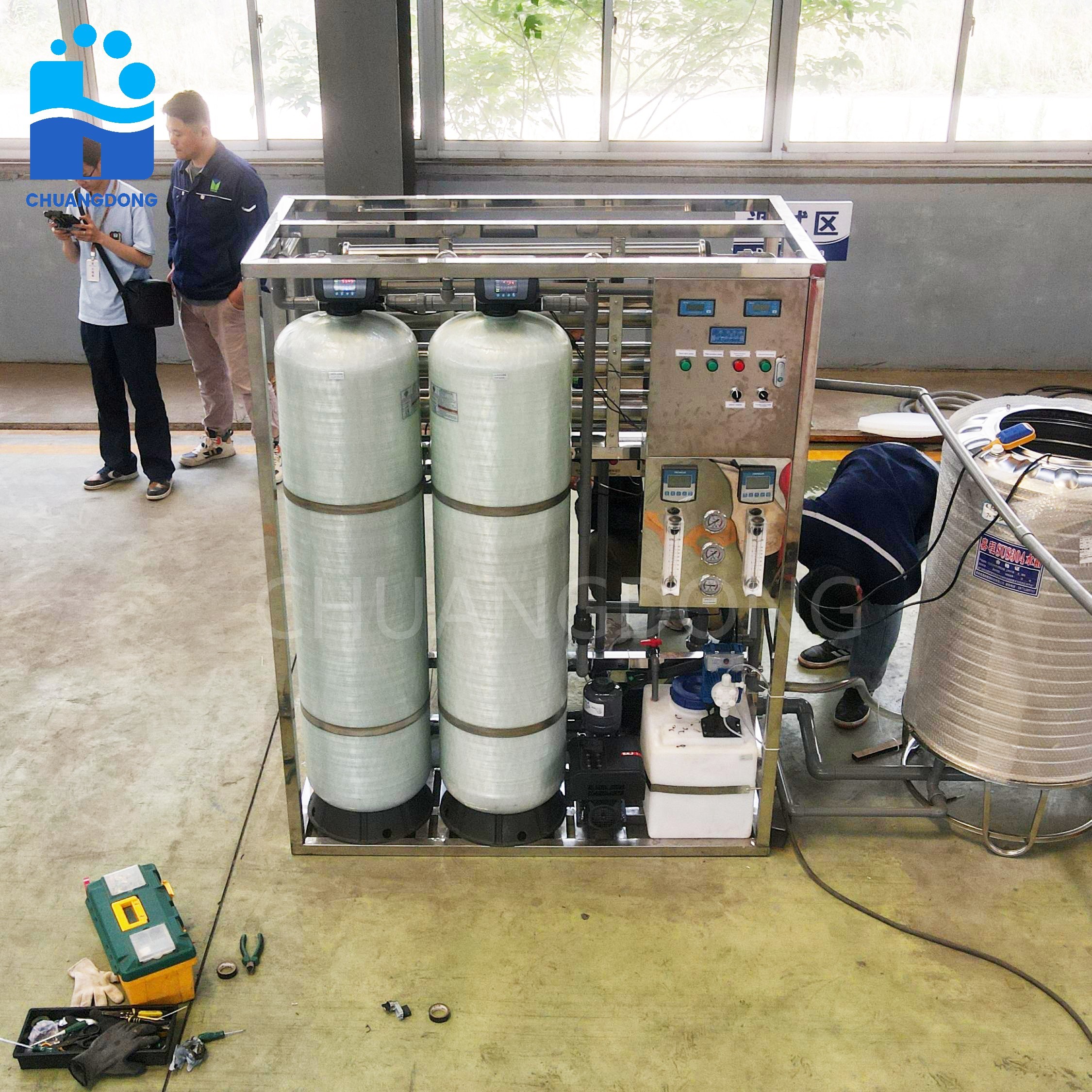
The environmental impact of desalination plants cannot be addressed through a single lens. Modern seawater desalination relies primarily on reverse osmosis technology, which demands substantial electrical energy to force seawater through semi-permeable membranes. This energy-intensive process generates the most significant environmental impact of desalination plants when powered by fossil fuels. Additionally, the concentrate brine byproduct—a hypersaline solution discharged back into the ocean—creates localized environmental impact of desalination plants on marine habitats. Addressing these multifaceted challenges requires integrated environmental management strategies that balance freshwater production with ecological responsibility.
Energy Consumption and Carbon Footprint
Power Requirements and Fossil Fuel Dependency
The environmental impact of desalination plants begins with their substantial energy consumption. Reverse osmosis desalination requires 3 to 8 kilowatt-hours of electrical energy per cubic meter of freshwater produced, depending on feed water salinity and membrane efficiency. This high energy demand directly contributes to the environmental impact of desalination plants, particularly in regions relying on coal or natural gas power generation. A single large-capacity desalination facility can consume 50 to 100 megawatts of continuous power, equivalent to supplying 50,000 to 100,000 residential households. The environmental impact of desalination plants intensifies when this electricity derives from non-renewable sources, creating a carbon debt that offsets the water security benefits.
Renewable Energy Integration and Mitigation
Reducing the environmental impact of desalination plants increasingly depends on coupling facilities with renewable energy sources. Solar-powered desalination represents a promising pathway to mitigate the environmental impact of desalination plants, particularly in arid and coastal regions with high solar irradiance. Wind-powered systems similarly reduce operational carbon emissions associated with the environmental impact of desalination plants. Hybrid systems combining multiple renewable sources can sustain year-round operation while minimizing greenhouse gas emissions. The environmental impact of desalination plants powered by renewables drops to near-zero for direct operational carbon, though embodied emissions in infrastructure construction remain unavoidable.
Brine Discharge and Marine Ecosystem Effects
Hypersaline Concentrate Composition and Toxicity
One of the most significant environmental impact of desalination plants occurs through brine discharge into marine environments. Reverse osmosis systems concentrate salt, minerals, and contaminants into a hypersaline brine stream containing up to 80 parts per thousand total dissolved solids—nearly double the salinity of ocean water. This concentrated brine represents a major environmental impact of desalination plants because its density causes it to sink along the seafloor rather than dispersing into the water column. Heavy metals, antifouling chemicals, and boron concentrated in the brine intensify the environmental impact of desalination plants on benthic organisms, corals, and shellfish that cannot tolerate such salinity extremes. The environmental impact of desalination plants on local marine chemistry can persist for years even after discharge ceases.
Seafloor Degradation and Habitat Loss
The environmental impact of desalination plants manifests most severely on the seafloor directly beneath discharge points. Hypersaline brine creates chemically hostile microenvironments where the environmental impact of desalination plants eliminates sensitive species such as sea anemones, soft corals, and demersal fish. The environmental impact of desalination plants reduces biodiversity, alters food webs, and can collapse commercial fisheries when discharge occurs near fishing grounds. Studies document that the environmental impact of desalination plants extends 500 to 1,500 meters from discharge points, depending on current patterns and brine volume. Diffuser design and outfall engineering significantly influence whether the environmental impact of desalination plants remains locally contained or spreads across broader marine zones.
Water Intake and Thermal Disruption
Seawater Intake System Impacts
The environmental impact of desalination plants begins upstream at water intake systems. Seawater intakes draw 1.5 to 2.5 times the freshwater output volume to compensate for desalination losses, creating the environmental impact of desalination plants through entrainment of planktonic larvae, fish eggs, and microscopic organisms. The environmental impact of desalination plants through impingement—the trapping of larger organisms against intake screens—causes mortality in juvenile fish and marine mammals. Large facilities operating continuously can eliminate millions of organisms daily, fundamentally altering larval recruitment patterns in coastal waters. The environmental impact of desalination plants intensifies in regions already experiencing ecosystem stress, where reduced recruitment compounds population declines.
Thermal Pollution from Concentrate Discharge
Beyond salinity stress, the environmental impact of desalination plants includes thermal pollution. Desalination operations concentrate waste heat in the brine discharge, raising local water temperature by 2 to 5 degrees Celsius above ambient conditions. This thermal component of the environmental impact of desalination plants can disrupt reproductive cycles, migration patterns, and metabolic processes in temperature-sensitive marine species. Corals subjected to this thermal stress become more susceptible to bleaching events, compounding the environmental impact of desalination plants during periods of regional ocean warming. The combined salinity and thermal stress creates compound environmental impact of desalination plants that exceeds either factor alone.
Mitigation Strategies and Best Practices
Advanced Brine Management Technologies
Progressive operators are implementing technologies to reduce the environmental impact of desalination plants. Multi-effect distillation combined with reverse osmosis reduces brine volume by recovering additional freshwater, directly lowering the environmental impact of desalination plants. Forward osmosis and other emerging separation processes show potential to minimize the environmental impact of desalination plants by producing less concentrated waste streams. Crystallization systems can recover salt for industrial use, transforming the environmental impact of desalination plants from pure waste into a resource recovery model. These technologies increase capital costs but substantially reduce long-term environmental impact of desalination plants on marine systems.
Sustainable Facility Siting and Operational Controls
Strategic facility location dramatically influences the environmental impact of desalination plants. Siting intakes and outfalls in high-energy coastal zones maximizes natural dilution of the environmental impact of desalination plants through strong currents and deep-water discharge. Restricting intake velocities to below 0.5 feet per second reduces the environmental impact of desalination plants through organism impingement. Advanced intake screening systems utilizing fish-friendly designs further minimize the environmental impact of desalination plants on aquatic life. Operational controls such as seasonal intake shutdowns during larval recruitment periods can reduce the environmental impact of desalination plants on critical population stages. These measures represent essential components of comprehensive environmental management reducing the environmental impact of desalination plants across their lifecycle.
FAQ
What is the primary environmental impact of desalination plants?
The primary environmental impact of desalination plants stems from high energy consumption and hypersaline brine discharge. Reverse osmosis requires 3 to 8 kilowatt-hours per cubic meter, creating substantial carbon emissions when powered by fossil fuels. Brine discharge containing concentrated salts, minerals, and contaminants damages marine ecosystems by creating chemically hostile seafloor environments that eliminate sensitive species. Together, these factors represent the most significant environmental impact of desalination plants on global ocean health and climate systems.
Can renewable energy reduce the environmental impact of desalination plants?
Yes, renewable energy substantially reduces the operational environmental impact of desalination plants. Solar and wind-powered facilities eliminate fossil fuel combustion and associated greenhouse gas emissions that dominate the environmental impact of desalination plants in conventional systems. However, renewable integration does not eliminate the environmental impact of desalination plants from brine discharge or water intake operations. The most sustainable approach combines renewable energy with advanced brine management technologies to comprehensively address the environmental impact of desalination plants across all operational phases.
How far does brine discharge affect marine ecosystems?
The environmental impact of desalination plants through brine discharge typically extends 500 to 1,500 meters from discharge points, depending on current patterns and outfall design. High-energy dispersal systems can increase this range, while contained discharge scenarios can localize the environmental impact of desalination plants to smaller areas. The environmental impact of desalination plants on individual species varies by salinity tolerance—some organisms experience stress within 100 meters while others may be affected at greater distances. Proper environmental assessment and modeling are essential to predict the specific environmental impact of desalination plants in each coastal location before construction.