 EN



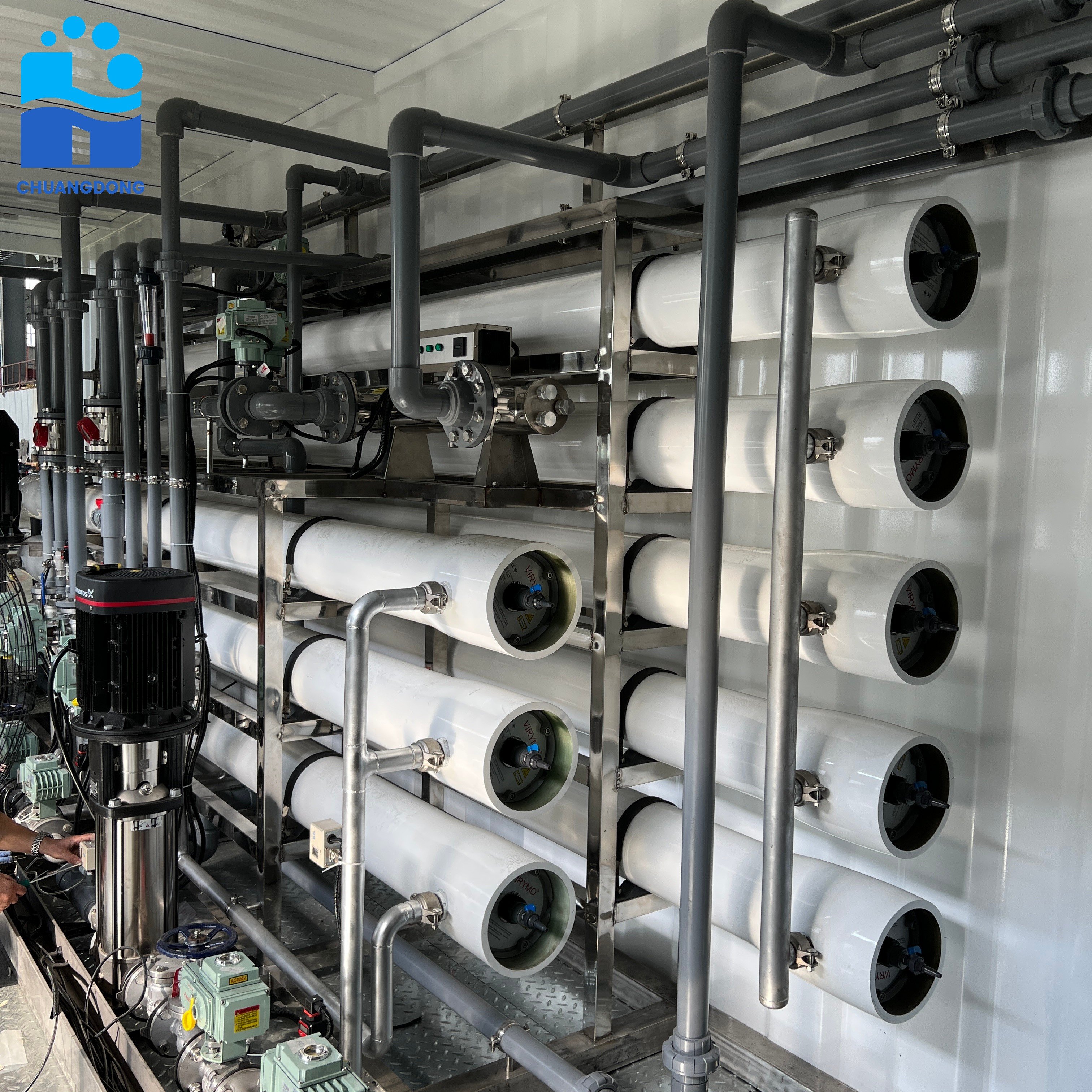
Planning a desalination plant for your region requires careful strategic assessment, comprehensive feasibility analysis, and clear alignment with local water needs. A well-executed desalination plant plan ensures your region achieves reliable freshwater production while optimizing operational costs and environmental impact. Whether your region faces chronic freshwater scarcity, growing population demands, or agricultural water pressures, a desalination plant offers a scalable solution that can operate independently of rainfall patterns or groundwater availability. This guide walks you through the essential steps to successfully plan and deploy a desalination plant tailored to your region's unique conditions.
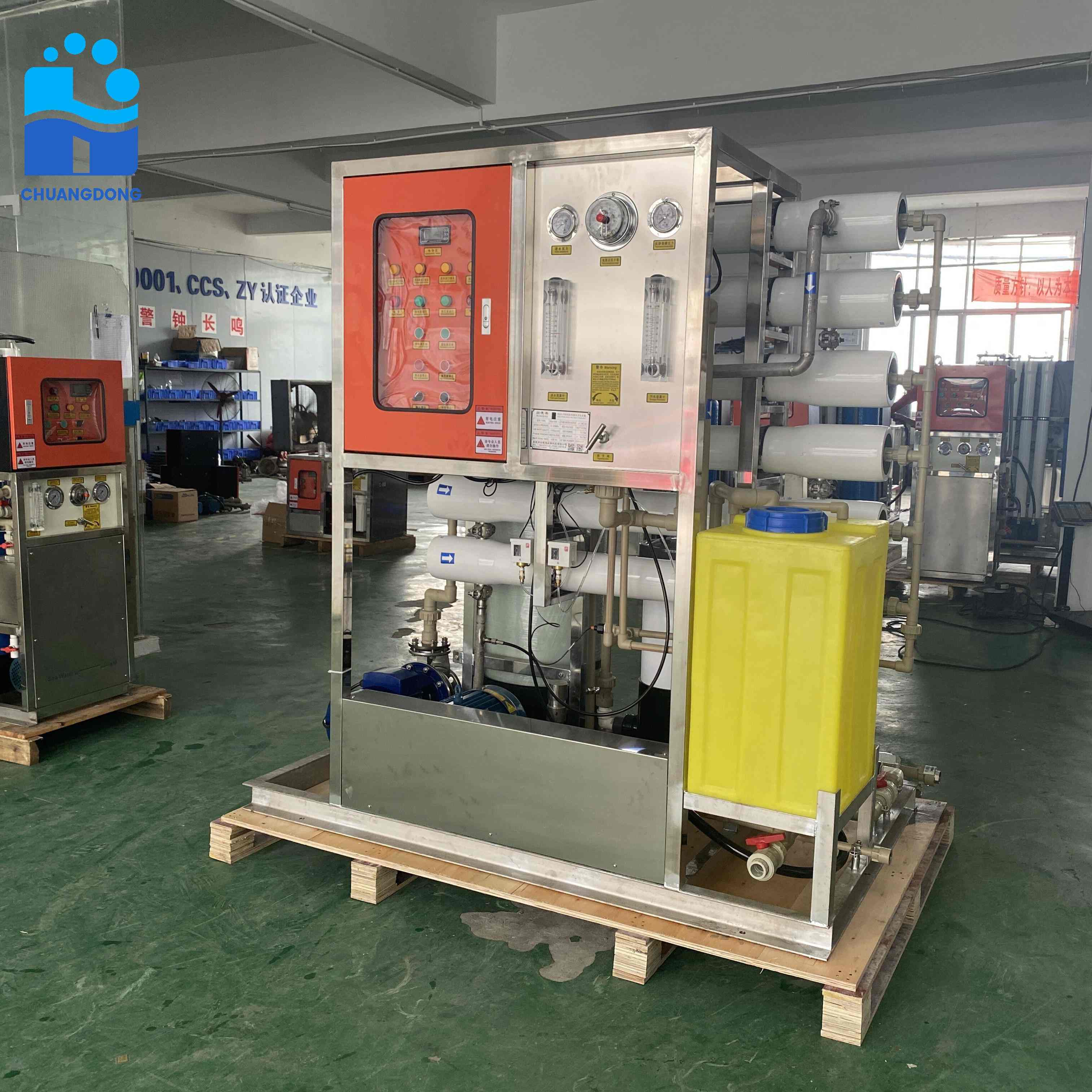
The process of planning a desalination plant begins long before construction. Your region must first understand its baseline water demand, existing supply gaps, and growth projections. Once you have established demand fundamentals, evaluating the economic, environmental, and technical feasibility of a desalination plant becomes your next priority. Each region's desalination plant strategy will differ based on water sources available, climate conditions, grid infrastructure, and regulatory frameworks. This comprehensive approach ensures your desalination plant investment delivers maximum value and sustainability for decades.
Assessing Water Demand and Regional Needs
Evaluating Current and Projected Water Shortage
Before investing in a desalination plant, your region must conduct a thorough water audit that identifies current consumption patterns across municipal, industrial, and agricultural sectors. This audit reveals the gap between existing supply sources and actual demand, providing the baseline justification for a desalination plant. Population growth trends, industrial expansion plans, and climate change impacts all influence future water needs. A robust desalination plant feasibility study projects water demand across 20 to 30 years, accounting for economic development scenarios and seasonal variations. Understanding these demand dynamics prevents over-sizing or under-sizing your desalination plant investment.
Identifying Water Source Viability
A desalination plant requires access to a reliable feedwater source such as seawater, brackish groundwater, or surface water. Coastal regions naturally benefit from seawater desalination plants, while inland areas may develop a desalination plant using brackish aquifers or recycled wastewater. Your region must test feedwater quality, salinity levels, temperature ranges, and seasonal availability to confirm that a desalination plant can operate efficiently year-round. Contamination risks, algal blooms, or temperature extremes can affect desalination plant performance and maintenance costs. Selecting the optimal water source is critical to ensuring your desalination plant delivers predictable, cost-effective freshwater production.
Site Selection and Infrastructure Planning
Evaluating Geographic and Logistical Factors
The physical location of your desalination plant directly impacts construction costs, operational efficiency, and environmental compliance. A desalination plant should be positioned near the feedwater source to minimize intake piping and reduce energy consumption. Your region must also consider land availability, soil conditions, proximity to urban centers, and transportation access when selecting a desalination plant site. Coastal desalination plants require specialized intake systems to minimize marine ecosystem impact, while inland desalination plants must address groundwater extraction permits and local zoning regulations. Thorough site surveys and environmental assessments ensure your desalination plant location meets regulatory requirements and community expectations.
Designing Intake and Brine Discharge Systems
A desalination plant's intake and discharge systems require specialized engineering to protect marine or terrestrial environments. Seawater desalination plants typically employ subsurface or modular intake designs that reduce fish impingement and entrainment risks. Your desalination plant's brine discharge strategy must comply with environmental regulations, whether through deep-sea outfalls, evaporation ponds, or waste stream reuse. The volume and salinity of brine produced by a desalination plant represent both an environmental consideration and a potential cost factor. Innovative approaches like brine concentration recovery or mineral extraction can transform your desalination plant's waste stream into economic assets while meeting discharge standards.
Technology Selection and System Configuration
Choosing Desalination Technology for Your Region
Your region's desalination plant can employ reverse osmosis, multi-effect distillation, electrodialysis, or hybrid technologies depending on feedwater quality, energy availability, and production scale. Reverse osmosis represents the most energy-efficient and cost-effective choice for a modern desalination plant, handling both seawater and brackish applications. A desalination plant using thermal distillation suits regions with abundant waste heat from power plants or industrial facilities. Hybrid desalination plant configurations combining multiple technologies can optimize performance across varying feedwater conditions and seasonal demands. Your region's technology selection fundamentally shapes the desalination plant's capital expenditure, operating costs, energy footprint, and water quality outcomes.
Sizing Capacity and Redundancy Requirements
A desalination plant's production capacity must exceed average daily demand to accommodate peak consumption, seasonal variation, and maintenance downtime. Your region's desalination plant should include capacity for 20 to 30 percent surplus production to ensure reliability during high-demand periods or component failures. Modular desalination plant design allows incremental expansion as your region's water needs grow, reducing initial capital expenditure while maintaining future scalability. Redundant treatment trains, backup power systems, and spare membrane modules ensure your desalination plant continues delivering water even during maintenance or equipment failure. This resilience-focused approach protects your region's water security and justifies the long-term desalination plant investment to stakeholders and regulators.
Economic Analysis and Funding Strategy
Calculating Total Cost of Ownership for a Desalination Plant
Planning a desalination plant requires rigorous financial modeling that captures capital costs, operational expenses, and lifecycle maintenance. Your desalination plant's initial capital investment typically ranges from $1 million to $5 million per million gallons daily, varying with technology, feedwater quality, and site conditions. Operational costs for a desalination plant include energy consumption, membrane replacement, chemical dosing, labor, and brine management. A comprehensive desalination plant financial analysis projects 20 to 30 year operating costs alongside revenue models based on water tariffs, industrial contracts, or government subsidies. Understanding your desalination plant's total cost structure enables your region to develop realistic water pricing strategies and secure investor confidence.
Identifying Funding Sources and Regulatory Support
Your region can finance a desalination plant through municipal bonds, private investment partnerships, development banks, or government grants targeting water security. A desalination plant project proposal must demonstrate clear economic returns or public health benefits to qualify for concessional financing or subsidy programs. Environmental regulations increasingly favor a desalination plant as a sustainable water solution, potentially unlocking preferential funding terms. Your region should engage financial advisors early to structure a desalination plant deal that attracts private capital while maintaining public oversight. Transparent cost allocation and performance guarantees in your desalination plant contracts reduce financial risk and accelerate project approval timelines.
FAQ
What is the typical timeline to plan and build a desalination plant?
Planning a desalination plant typically requires 18 to 36 months for feasibility studies, environmental assessments, permits, and stakeholder engagement before construction begins. The actual construction of a desalination plant spans 2 to 4 years depending on scale, site complexity, and supply chain factors. A large-scale desalination plant in a complex regulatory environment may require 5 to 7 years from initial planning to operational startup. Aggressive project management and parallel permitting can compress this timeline, but quality and compliance should never be sacrificed for speed. Your region should develop a realistic project schedule that accounts for environmental review cycles and public consultation requirements.
How does your region choose between seawater and brackish water desalination plants?
Coastal regions naturally gravitate toward seawater desalination plants because feedwater availability and proximity reduce infrastructure costs. A seawater desalination plant requires more robust membranes and higher-pressure systems, but benefits from unlimited feedwater supply. Inland regions typically develop a desalination plant using brackish groundwater, which requires lower energy consumption and simpler treatment logistics. A brackish water desalination plant offers lower operational costs but depends on sustainable aquifer management and does not resolve finite groundwater depletion. Your region should evaluate water source reliability, seasonal variability, and environmental impact before committing to either approach.
What role does renewable energy play in operating a desalination plant sustainably?
Energy consumption represents the largest operational expense for a desalination plant, making renewable energy integration essential for long-term sustainability and cost control. A solar-powered desalination plant leverages photovoltaic arrays or thermal collectors to offset grid electricity demands, dramatically reducing operational carbon footprint. A wind-powered desalination plant similarly taps into abundant coastal winds to drive reverse osmosis systems with minimal environmental impact. Your region can combine solar and wind resources to create a hybrid desalination plant that operates efficiently across seasonal energy availability variations. Coupling renewable energy with a desalination plant transforms water production into a genuinely sustainable solution that builds community acceptance and environmental resilience.