 EN



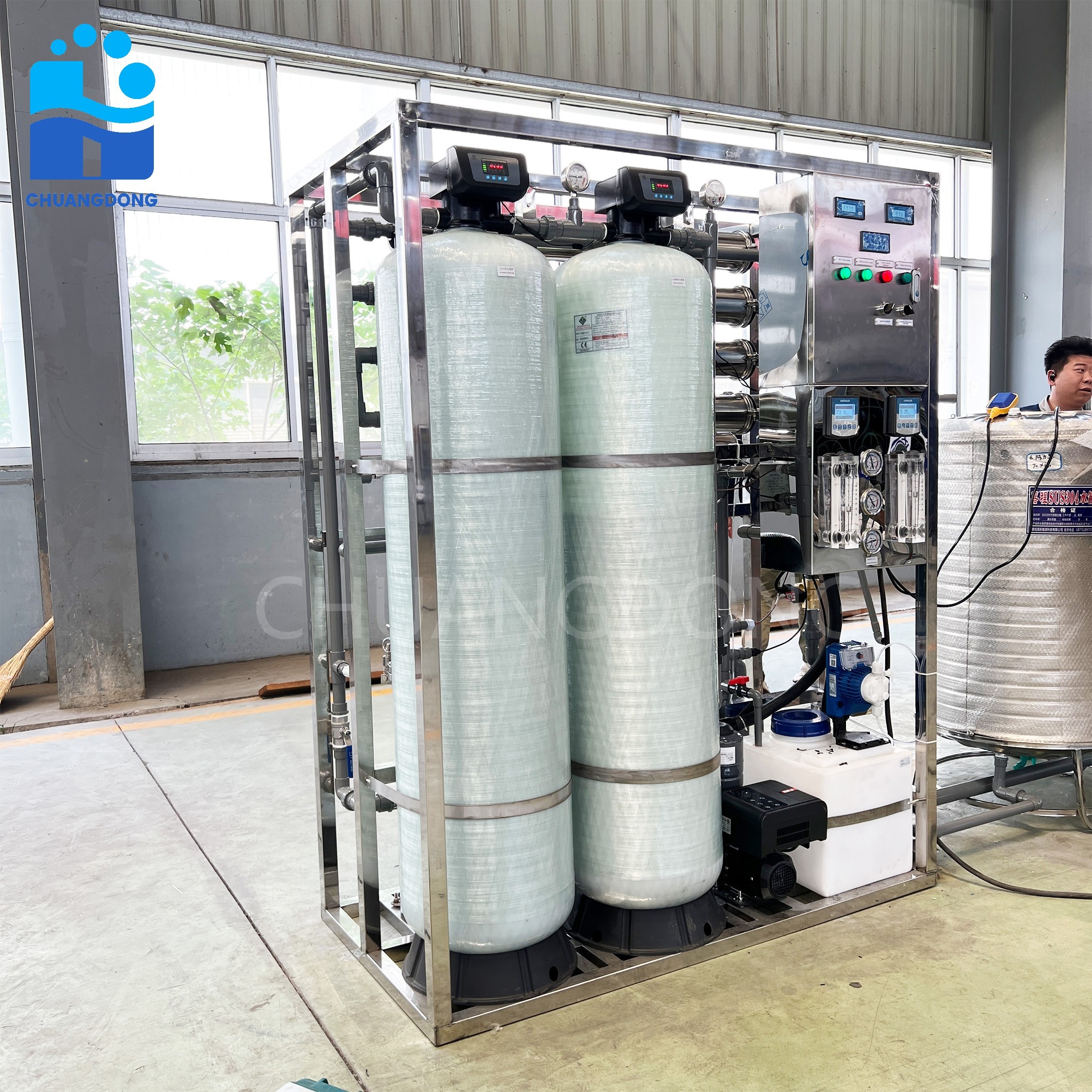
Selecting the right industrial water filter for your plant is one of the most critical decisions you will make to ensure operational efficiency, product quality, and regulatory compliance. An industrial water filter serves as the backbone of your facility's water treatment infrastructure, directly impacting everything from equipment longevity to production output. Whether you operate a manufacturing plant, food processing facility, or chemical production unit, choosing an appropriate industrial water filter requires understanding your specific water quality challenges, production requirements, and long-term sustainability goals.
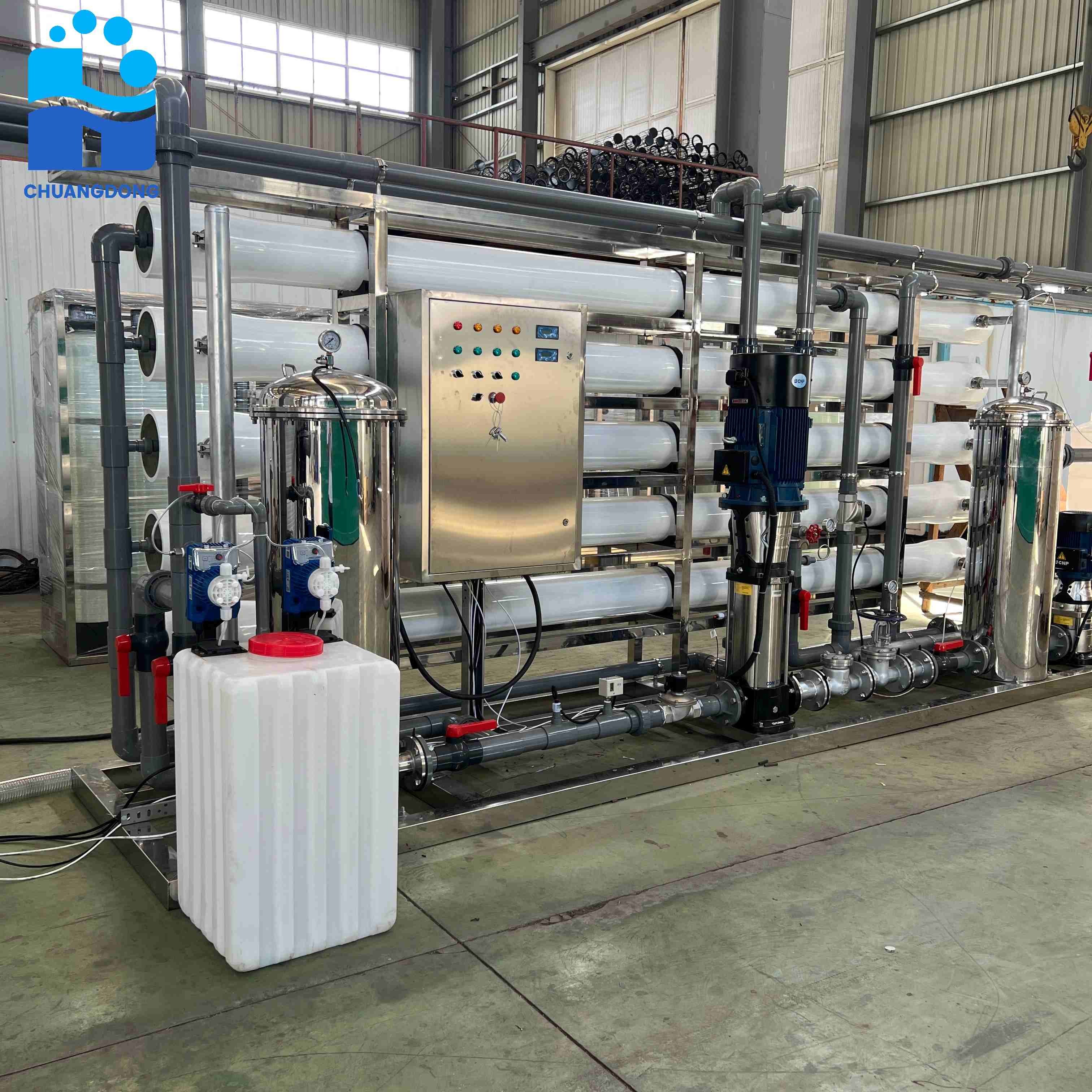
The process of selecting an industrial water filter involves multiple layers of technical evaluation. You must assess your incoming water quality, determine the level of purification needed for your processes, calculate flow rate requirements, and evaluate both capital expenditure and ongoing maintenance costs. An industrial water filter that works perfectly for one facility may be entirely unsuitable for another, even in the same industry. This comprehensive guide will walk you through the essential factors that should guide your industrial water filter selection decision, helping you make an informed choice that aligns with your operational and financial objectives.
Understanding Industrial Water Filter Types and Their Applications
Mechanical Filtration Systems
Mechanical filtration represents the foundation of most industrial water filter installations. An industrial water filter using mechanical methods removes suspended solids, sediment, and particulate matter through physical barriers such as screens, mesh, or sand media. These industrial water filter systems operate by forcing contaminated water through progressively finer filtering materials, trapping particles while allowing clean water to pass through. The most common mechanical industrial water filter configurations include sand filters, cartridge filters, and bag filters, each offering different capacity levels and filtration precision. Mechanical industrial water filter technology is essential in pre-treatment stages because it protects downstream equipment and more sophisticated treatment systems from clogging and damage.
Advanced Treatment Technologies
Beyond mechanical approaches, an industrial water filter system may incorporate advanced technologies such as reverse osmosis, ultrafiltration, or multimedia filtration beds. These sophisticated industrial water filter options are designed for applications requiring higher purity levels or specialized contaminant removal. An industrial water filter using reverse osmosis can remove dissolved solids, ions, and microorganisms, making it ideal for industries like pharmaceuticals, food and beverage, or semiconductor manufacturing. An industrial water filter with ultrafiltration capability addresses bacterial contamination and high molecular weight contaminants. The choice between these industrial water filter technologies depends entirely on your water quality analysis and production requirements, as implementing overly complex industrial water filter systems wastes capital resources while undersized industrial water filter capacity creates production bottlenecks.
Critical Selection Criteria for Industrial Water Filter Systems
Water Quality Analysis and Flow Rate Calculation
Before selecting an industrial water filter, you must conduct a comprehensive water quality analysis of your incoming source. Test for turbidity, hardness, pH, iron content, bacterial levels, and any industry-specific contaminants relevant to your operations. Once you understand your water quality baseline, calculate your facility's peak and average daily water demand to determine the required industrial water filter capacity. An undersized industrial water filter creates pressure drops that stress your equipment and reduce efficiency, while an oversized industrial water filter represents unnecessary capital investment. Document these requirements clearly because they form the foundation for evaluating any industrial water filter proposal. Many industrial water filter failures occur not because the technology is wrong, but because the system was sized incorrectly for actual demand patterns.
Operational Cost and Maintenance Requirements
An industrial water filter selection must account for total cost of ownership, not just initial purchase price. Calculate filter media replacement frequency, cleaning cycles, labor for maintenance, and energy consumption for your industrial water filter option. Some industrial water filter configurations require backflushing every few days, while others can operate for months between maintenance. An industrial water filter with high replacement costs but longer intervals might be more economical than a cheaper industrial water filter requiring frequent changes. Energy costs associated with maintaining adequate pressure across an industrial water filter should also factor into your decision. Review maintenance requirements directly with equipment vendors and factor realistic downtime assumptions into your industrial water filter economic analysis.
Implementation and Long-Term Management of Industrial Water Filter Systems
Installation Planning and System Integration
Proper installation of an industrial water filter is as important as the filter selection itself. Your industrial water filter must integrate smoothly with existing infrastructure, require minimal modifications to current piping systems, and include appropriate monitoring equipment. An industrial water filter installation should include pressure gauges, flow meters, and alarm systems to alert operators to filter clogging or system malfunctions before they impact production. Consider whether your industrial water filter will operate continuously or intermittently, as this affects equipment selection and maintenance scheduling. Space constraints often limit industrial water filter options, so assess your physical plant layout before finalizing your industrial water filter purchase. Coordinate installation timing to minimize disruption to ongoing production activities.
Monitoring and Performance Optimization
After implementing your chosen industrial water filter system, establish ongoing monitoring protocols to ensure consistent performance. Track differential pressure across your industrial water filter, outlet water quality metrics, and maintenance intervals to identify trends and optimize performance. Regular testing confirms your industrial water filter continues removing target contaminants effectively and alerts you to any degradation in water quality that might indicate filter failure. Some operations use data logging systems that automatically track industrial water filter performance and generate reports. Periodic maintenance beyond standard cleaning prolongs industrial water filter equipment life and prevents costly emergency repairs. Consider scheduling preventive maintenance during planned production downtime to minimize impact on operations.
FAQ
What contaminants should an industrial water filter remove for manufacturing operations?
An industrial water filter for manufacturing must remove suspended solids, sediment, iron, and bacterial contaminants that can damage equipment or compromise product quality. The specific contaminants your industrial water filter should target depend on your industry, incoming water source, and product specifications. Conduct water testing to identify your priority contaminants, then select an industrial water filter designed to address those specific challenges.
How often should an industrial water filter be replaced or cleaned?
Replacement or cleaning frequency for an industrial water filter depends on water quality, flow rate, and filter type. Some industrial water filter media requires replacement every few weeks, while others may last several months between maintenance. Your industrial water filter vendor should provide maintenance guidelines, and you should monitor pressure differential to determine when cleaning or replacement becomes necessary.
Can an industrial water filter improve production efficiency and reduce costs?
Yes, a properly selected industrial water filter significantly improves production efficiency by protecting equipment from damage, extending equipment lifespan, reducing downtime, and minimizing product defects caused by water contamination. Although an industrial water filter requires capital investment and ongoing maintenance, the cost savings from prevented equipment failures and improved product consistency typically justify the expense within a reasonable payback period.