 EN



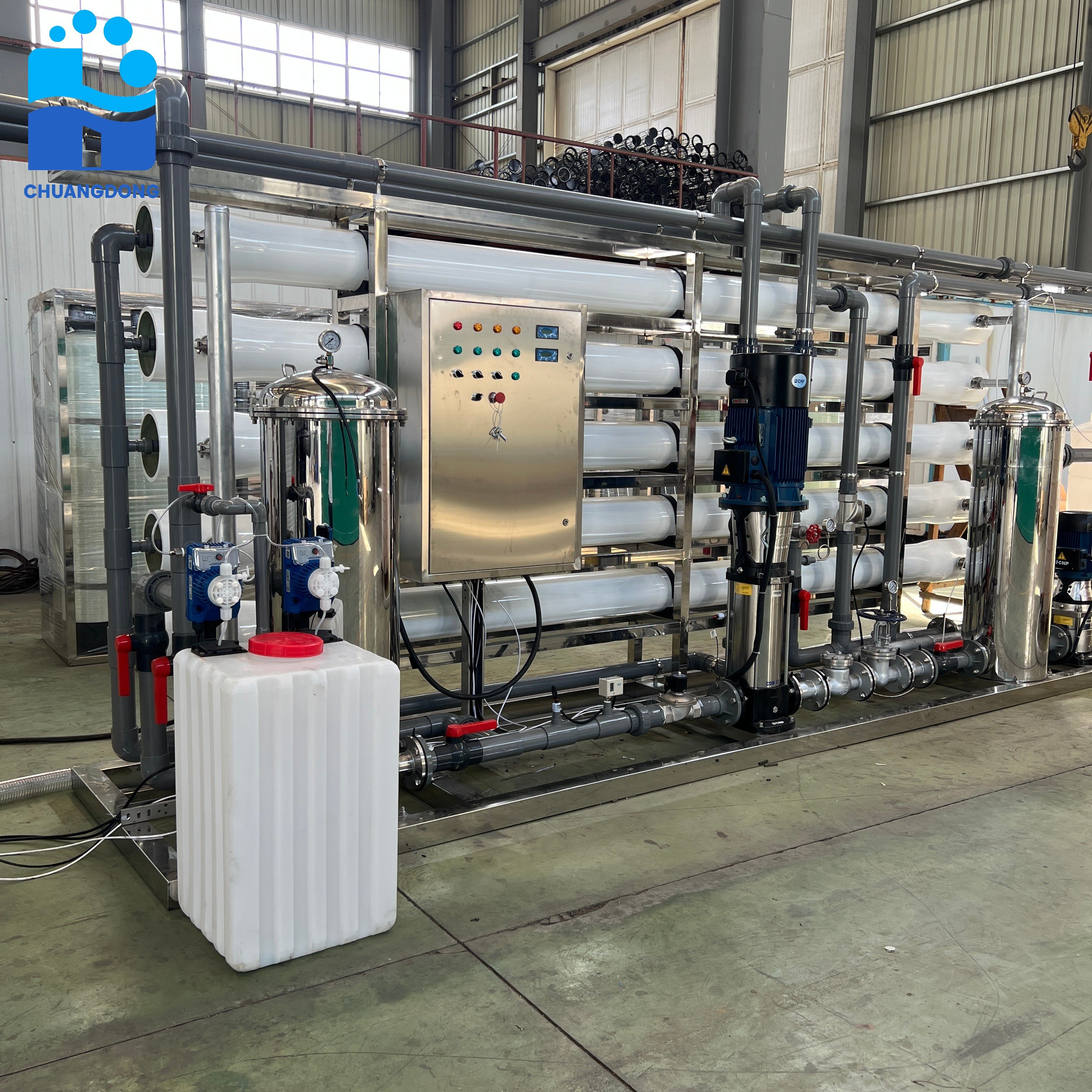
Designing a water treatment process for your plant is one of the most critical decisions you will make for operational efficiency, regulatory compliance, and long-term sustainability. The success of your facility depends heavily on selecting the right water treatment process design that aligns with your specific water quality challenges, production volumes, and environmental regulations. A well-engineered water treatment process design ensures that your plant produces clean, safe water while minimizing waste and operational costs.
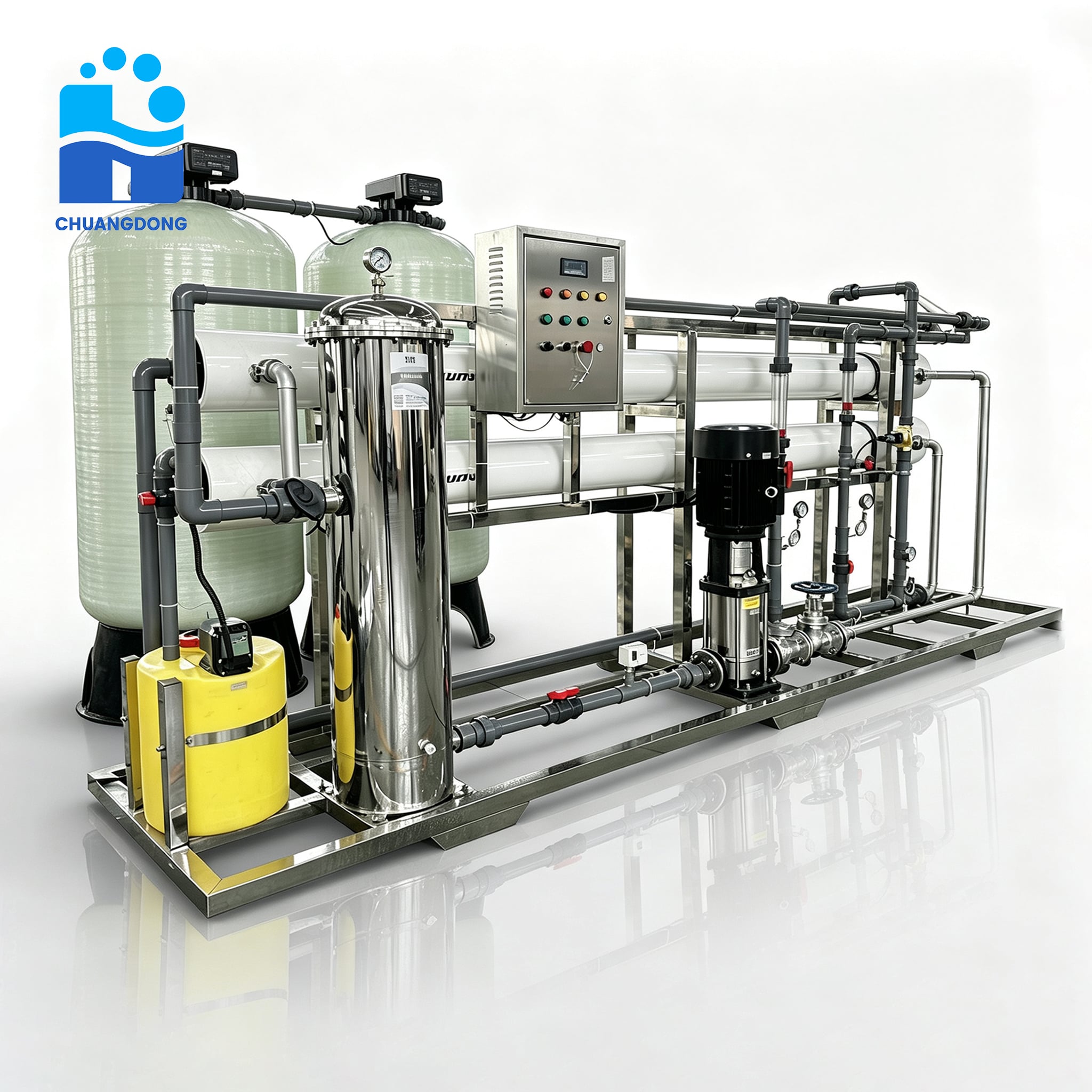
Every plant faces unique water quality issues, from suspended solids and hardness to dissolved minerals and contaminants. Understanding your feed water characteristics is the foundation of any effective water treatment process design. Before you implement solutions, you must conduct thorough water quality testing to identify the specific impurities that need removal. This baseline assessment directly influences which treatment technologies your water treatment process design will incorporate.
Understanding Your Water Quality Requirements
Identifying Feed Water Characteristics
The first step in developing a water treatment process design involves comprehensive water analysis. Test your source water for pH, turbidity, total dissolved solids, hardness, iron, manganese, and any industry-specific contaminants. Your water treatment process design must address each identified contaminant through appropriate treatment stages. Many plants overlook microbiological testing, but your water treatment process design should account for potential bacterial, viral, and protozoan contamination depending on your application.
Defining Performance Standards and Regulations
Regulatory requirements vary significantly by industry and location. Your water treatment process design must meet or exceed local environmental discharge standards, potable water requirements, or process-specific purity levels. Document all applicable regulations, industry standards, and internal quality specifications before finalizing your water treatment process design. This ensures compliance from the start and prevents costly redesigns after installation.
Core Treatment Technologies in Water Treatment Process Design
Pretreatment and Primary Clarification
Most effective water treatment process design begins with pretreatment to remove large particles, sediment, and suspended matter. Your water treatment process design typically includes screening, coagulation, flocculation, and sedimentation stages that protect downstream equipment and improve overall system efficiency. These initial stages are essential because they extend the lifespan of more sensitive treatment components and reduce chemical consumption throughout your water treatment process design. Mechanical filtration follows primary clarification to further polish the water before advanced treatment steps.
Chemical Conditioning and Softening
Water softening is a critical consideration in your water treatment process design if you operate in hard water regions. Lime-soda ash softening or ion exchange systems remove calcium and magnesium hardness, preventing scale buildup in pipes and equipment. Your water treatment process design must balance chemical costs against the benefits of reduced maintenance and extended equipment life. pH adjustment and alkalinity control within your water treatment process design prevent corrosion and improve downstream treatment efficiency.
Advanced Membrane and Separation Technologies
Modern water treatment process design increasingly incorporates reverse osmosis, ultrafiltration, and nanofiltration to achieve high-purity water. These technologies remove dissolved salts, organic compounds, and microorganisms with high reliability. A professional water treatment process design evaluates membrane technology selection based on feed water quality, required product water purity, waste stream handling, and energy efficiency. The water treatment process design you choose will directly impact your plant's operating costs and water recovery rates.
Implementing Your Water Treatment Process Design
System Sizing and Capacity Planning
Accurate sizing is fundamental to successful water treatment process design implementation. Calculate peak demand, average daily consumption, and future growth projections when developing your water treatment process design. Oversized systems waste energy and capital, while undersized systems create bottlenecks and inadequate supply. Your water treatment process design must include flexibility for seasonal variation and accommodate maintenance downtime without compromising production. Engineers typically build 10 to 15 percent capacity margin into the water treatment process design for reliability and operational margin.
Filtration, Monitoring, and Automation
Integration of continuous monitoring systems ensures your water treatment process design performs as intended. Real-time sensors for pH, conductivity, turbidity, and chlorine residual provide immediate feedback on treatment effectiveness. Your water treatment process design should incorporate automated controls that adjust chemical dosing, backwash cycles, and valve positions based on water quality parameters. This automation optimizes your water treatment process design efficiency and reduces manual intervention requirements while maintaining consistent product water quality.
Waste Stream Management within Your Design
Responsible waste management is a critical aspect of your water treatment process design. Rejected water from reverse osmosis systems, concentrated brines from ion exchange, and sludge from clarification stages require proper handling according to environmental regulations. Your water treatment process design should include waste concentration, evaporation, or deep well disposal options appropriate to your location and discharge permit requirements. Including waste management in your water treatment process design from the beginning prevents environmental violations and reduces compliance costs.
FAQ
What factors should I prioritize when developing my water treatment process design?
Begin with comprehensive water quality testing to identify contaminants that your water treatment process design must address. Regulatory compliance requirements should drive your technology selection and performance specifications. Consider operational costs, space constraints, maintenance requirements, and operator skill levels when finalizing your water treatment process design. Your water treatment process design is only effective if it balances technical performance with practical implementability within your specific operational environment.
How much does implementing a water treatment process design cost?
Capital costs for your water treatment process design range widely based on feed water quality, required purity levels, flow rates, and technology complexity. Simple clarification systems cost significantly less than membrane-based water treatment process design installations. Operating costs include chemical consumption, energy for pumping and pressurization, membrane replacement, and labor. Your water treatment process design evaluation should include lifecycle cost analysis over 5 to 10 years to compare different treatment approaches and justify your investment decision.
How often should I review and update my water treatment process design?
Your water treatment process design should be reviewed annually or whenever feed water characteristics change significantly. Seasonal variations, new contaminant sources, regulatory changes, or production increases may require adjustments to your water treatment process design. Monitor treatment performance metrics continuously and document any trends that suggest your water treatment process design needs optimization. Proactive reviews of your water treatment process design prevent costly operational problems and ensure sustained compliance with all applicable standards.