 EN
EN



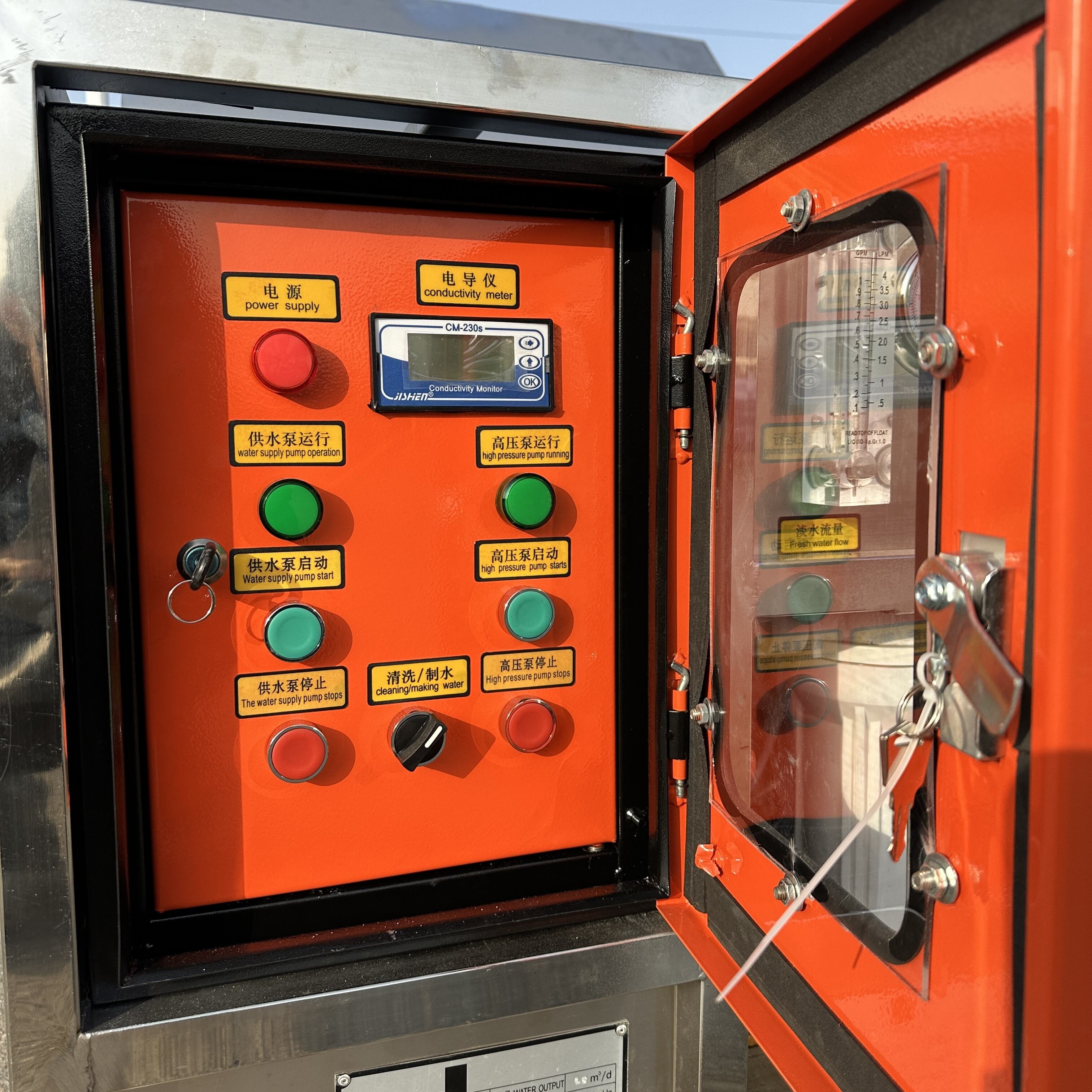
Kapag nagpaplano ng mahabang bakasyon, madalas na hindi napapansin ng mga may-ari ng bahay at mga tagapamahala ng pasilidad ang isang mahalagang gawain sa pagpapanatili na maaaring maiwasan ang mahal na pinsala at tiyakin ang haba ng buhay ng sistema. Ang iyong sistema ng reverse osmosis ay nangangailangan ng tiyak na hakbang sa paghahanda at pag-iimbak upang manatiling gumagana at ligtas habang hindi ginagamit. Kung hindi maayos na inihanda para sa bakasyon, ang tumigil na tubig ay maaaring maging pampadulas ng bacteria, mabilis na mapapinsala ang membrane, at maaaring magdulot ng di-mababalik na pinsala sa mga bahagi ng sistema na makakaapekto sa kahusayan ng pag-filter kapag bumalik ka.
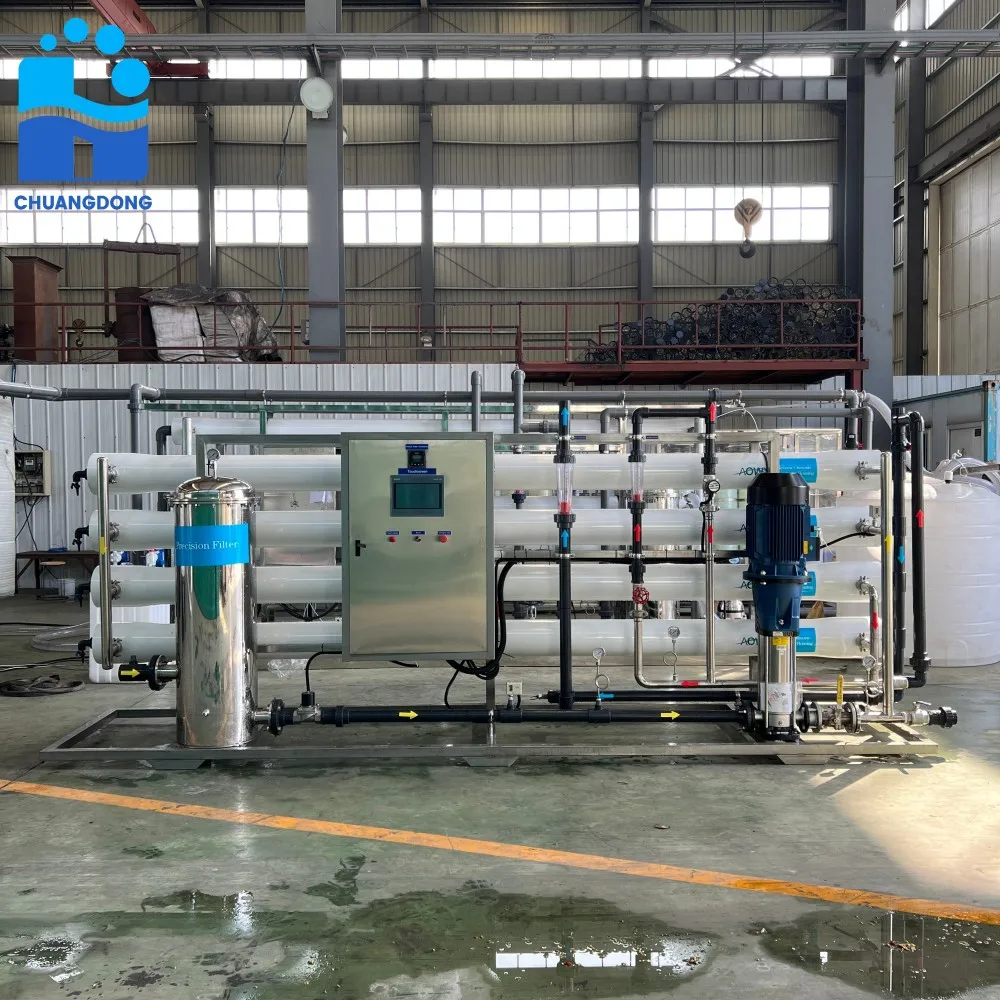
Ang susi sa matagumpay na pag-iimbak ng sistema ng reverse osmosis habang wala sa bahay ay ang pag-unawa sa mga biological at chemical na proseso na nangyayari kapag nananatili ang tubig nang hindi gumagalaw sa mga bahagi ng panginginom. Iminumungkahi ng mga propesyonal na dalubhasa sa paggamot ng tubig ang isang sistematikong pamamaraan na tumutugon sa pagpapanatili ng membrane, paglilinis ng tangke, at paghihiwalay ng mga bahagi upang maiwasan ang pagdami ng mikrobyo at ang pagbuo ng mineral. Ang komprehensibong protokol na ito para sa pangangalaga ay nag-aagarantiya na ang iyong sistema ay gagana nang may pinakamataas na kahusayan kapag bumalik ka, na maiiwasan ang gastos at kaguluhan dulot ng mga emergency repair o buong pagpapalit ng sistema.
Pagsusuri at Paghahanda ng Sistema Bago ang Bakasyon
Buong Pagsusuri ng Sistema at Pagsubok sa Pagganap
Bago simulan ang mga pamamaraan ng pag-iimbak sa bakasyon, magsagawa ng isang masusing pagsusuri sa iyong sistema ng reverse osmosis upang makilala ang anumang mga kasalukuyang problema na maaaring mas masahol sa panahon ng pinalawig na oras ng pag-urong. Suriin ang lahat ng mga puntos ng koneksyon para sa mga leakage, suriin ang mga pre-filter housing para sa mga bitak o pagkalat, at subukan ang presyon ng sistema upang matiyak ang pinakamainam na kondisyon ng operasyon. Ang isang maayos na gumaganap na sistema bago mag-imbak ay makabuluhang binabawasan ang panganib ng mga komplikasyon sa panahon ng panahon ng pag-shutdown.
I-document ang mga metrik sa pagganap ng kasalukuyang sistema kabilang ang rate ng produksyon ng tubig, porsyento ng pagtanggi, at mga pagkakaiba-iba sa presyon sa mga yugto ng filter. Ang mga baseline na pagsukat na ito ay tutulong sa iyo na suriin ang kalagayan ng sistema kapag muling sinimulan pagkatapos ng bakasyon. Magbigay ng partikular na pansin sa integridad ng pabahay ng membrane at kondisyon ng O-ring, dahil ang mga sangkap na ito ay pinaka-masugatan sa pagkasira sa mga panahon ng imbakan kapag huminto ang pressure cycle.
Palitan ang anumang mga bahagi na naka-wear o may kahinaan bago simulan ang proseso ng pag-iimbak. Ang pag-install ng mga bagong pre-filter at post-filter ay nagpapaseguro na ang iyong sistema ng reverse osmosis ay magsisimula gamit ang malinis na mga bahagi kapag bumalik ka. Ang ganitong paraan ng preventive maintenance ay mas murang gawin kaysa sa pagharap sa kontaminadong o nasirang mga bahagi matapos ang mahabang panahon ng pag-iimbak.
Estratehiya sa Pagpapalit ng Filter para sa Matagalang Pagkawala
Ang oras ng pagpapalit ng filter na kaugnay sa petsa ng iyong pag-alis ay may malaking epekto sa tagumpay ng pag-iimbak at sa pagganap ng sistema pagkatapos ng bakasyon. Ang pag-install ng mga bagong sediment at carbon pre-filter tuwing bago pa ang bakasyon ay nagbibigay ng pinakamataas na proteksyon laban sa pag-akumula ng kontaminante habang naka-imbak. Ang mga bagong carbon filter ay nababawasan din ang panganib ng paglago ng bakterya sa pamamagitan ng pag-alis ng mga residual na chlorine na maaaring lumikha ng mainam na kondisyon para sa pag-unlad ng mikrobyo.
Isaisip ang edad at kalagayan ng iyong reverse osmosis membrane kapag nagpaplano ng pag-iimbak para sa bakasyon. Dapat palitan ang mga membrane na malapit nang ipalit bago ang pag-alis upang maiwasan ang kumplikadong sitwasyon dulot ng mahinang pagganap ng membrane habang naka-imbak. Ang mga bagong membrane ay mas epektibo rin sa paggamit ng mga kemikal para sa pag-iimbak at mas mabilis na bumabalik sa normal na pagganap kapag muling inilunsad ang sistema.
Kailangan ng espesyal na pagsasaalang-alang ang mga post-filter para sa pag-iimbak sa panahon ng bakasyon dahil direktang nakikipag-ugnayan sila sa huling produkto ng tubig. Palitan ang mga filter na ito bago ang pag-iimbak at magplano na palitan ulit ang mga ito kapag bumalik ka kung ang bakasyon ay tatagal ng higit sa apat na linggo. Ang estratehiyang ito na may dalawang pagpapalit ay nagtitiyak ng pinakamahusay na kalidad ng tubig at nagpapigil sa mga isyu sa lasa o amoy na maaaring lumitaw sa mga post-filter habang naka-imbak nang matagal.
Paglilinis at Pag-iimbak ng Sistema ng Tubig
Kumpletong Protokol sa Pagdidisenpektang Sistema
Ang tamang paglilinis bago ang pag-iimbak ay nagpipigil sa paglaki ng mikrobyo at nagpapagaranтиya na ang iyong sistema ng reverse osmosis ay mananatiling ligtas habang hindi ginagamit nang matagal. Simulan sa pamamagitan ng pagpapadaloy ng buong sistema gamit ang sariwang tubig upang alisin ang anumang nakapag-accumulang kontaminante o nabubuong solido na maaaring mag-concentrate habang naka-imbak. Ang unang pagpapadaloy na ito ay naghahanda sa sistema para sa mas lubusang proseso ng pagdidisinfect.
Maghanda ng solusyon para sa paglilinis gamit ang walang amoy na pangkalahatang bleach sa konsentrasyon na isang kutsara bawat isang galon ng tubig. Ang solusyon na may chlorine na ito ay epektibong pinapatay ang mga bacteria, virus, at iba pang mikroorganismo na maaaring dumami sa mga kondisyon ng tumigil na tubig. Ipapadaloy ang solusyon na ito sa lahat ng bahagi ng sistema, kabilang ang mga housing ng pre-filter, mga sisidlan ng membrane, mga tangke ng imbakan, at mga linya ng distribusyon.
Payagan ang solusyon para sa paglilinis na makipag-ugnayan sa lahat ng panloob na ibabaw nang hindi bababa sa tatlumpung minuto upang matiyak ang kumpletong pagdidisimpektahan. Sa panahon ng oras ng pagkakalantad na ito, i-on ang anumang mga bomba ng sistema o mga device para sa sirkulasyon upang matiyak na ang solusyon ay umabot sa lahat ng lugar kung saan karaniwang dumadaloy ang tubig. Bigyan ng espesyal na pansin ang mga dulo ng tubo na walang daloy at ang loob ng mga tangke ng imbakan kung saan ang kondisyon ng pagkakatigas ng tubig ay pinakamal likely na mabuo.
Pag-iingat at Pamamahala sa Tangke ng Pag-iimbak ng Membrane
Ang mga membrane ng reverse osmosis ay nangangailangan ng tiyak na prosedura sa pag-iingat upang mapanatili ang kanilang kakayahang mag-filter at maiwasan ang di-mababalik na pinsala habang nakaimbak nang matagal. Pagkatapos ng paglilinis, i-drain ang housing ng membrane at punuan ulit ito ng solusyon para sa pag-iingat na idinisenyo para sa mga sistemang reverse osmosis. Ang komersyal na mga preservative para sa membrane ay naglalaman ng mga biocide at anti-scalant na nagpipigil sa paglago ng mikrobyo at sa pagbuo ng mineral na sedimento habang nakaimbak.
Ang pamamahala sa imbakan ng tubig ay kasing-kritikal din para sa matagumpay na paghahanda para sa bakasyon. Punuin nang lubusan ang imbakan ng tubig at payagan itong matuyo sa hangin kung posible. Para sa mahabang bakasyon na lumalampas sa dalawang linggo, isaalang-alang ang paghihiwalay sa imbakan ng tubig mula sa sistema ng reverse osmosis upang maiwasan ang anumang natitirang tubig na maging sanhi ng kontaminasyon. Ang ganitong paghihiwalay ay nagpapadali rin sa proseso ng pag-restart dahil maaari mong disinfektahan ang imbakan nang hiwa-hiwalay kapag bumalik ka.
Idokumento ang lahat ng mga prosedura sa pag-iingat kabilang ang konsentrasyon ng kemikal, oras ng pagkakalantad, at posisyon ng mga valve sa paghihiwalay. Ang dokumentong ito ay nagpapagarantiya ng pagkakapare-pareho kung maraming tao ang kasali sa pangangalaga ng sistema at nagbibigay ng sanggunian para sa mga prosedura sa pagsisimula ng sistema pagkatapos ng bakasyon. Ang tamang pagtatala ay nakakatulong din na matukoy ang anumang pagkakaiba na maaaring makaapekto sa pagganap ng sistema kapag muling nagsimula ang serbisyo.
Paghihiwalay ng mga Bahagi at mga Prosedura sa Pag-shutdown ng Sistema
Strategic na Operasyon ng Valve at Paghihiwalay ng mga Bahagi
Ang tamang pagkakasunod-sunod ng pagbukas ng mga valve habang isinasara ang sistema ay nagpaprotekta sa mga bahagi ng iyong reverse osmosis system mula sa pinsala dulot ng presyon at sa cross-contamination habang nakaimbak. Isara muna ang pangunahing valve ng suplay ng tubig upang maiwasan ang anumang pagbabago sa presyon na maaaring makaapekto sa mga naka-preservang bahagi. Pagkatapos, hiwalayin nang sistematiko ang bawat yugto ng sistema, simula sa mga pre-filter hanggang sa storage tank.
Ilagay ang label sa bawat isinara na valve gamit ang tape o mga tag na nagpapahiwatig ng kanyang katayuan bilang vacation shutdown. Ang sistemang ito ng paglalabel ay nagpapabigla sa hindi sinasadyang pagpapagana ng valve at nagbibigay ng malinaw na gabay para sa mga hakbang sa pag-restart ng sistema. Isama ang petsa ng shutdown sa bawat label upang masubaybayan kung gaano katagal ang mga bahagi ay naka-isolate at upang matukoy ang anumang valve na maaaring nangangailangan ng espesyal na pansin habang isinasara ang sistema.
Itakda ang mga bypass plug o takip sa mga bukas na port upang maiwasan ang kontaminasyon habang wala ang sistema. Ang mga pananggalang ito ay lalo pang mahalaga para sa mga sistema na nasa mga lugar na puno ng alikabok o kahalumigmigan kung saan maaaring pumasok ang mga kontaminante sa hangin sa pamamagitan ng mga bukas na koneksyon. Ang tamang pagse-seal ay nagpapigil din sa pagkawala ng presyon sa mga na-preserba na bahagi at pinapanatili ang epekto ng mga solusyon para sa pagpapreserba.
Pamamahala sa Sistema ng Kuryente at mga Hakbang sa Kaligtasan
I-disconnect ang kuryente sa lahat ng mga bahagi ng sistema ng reverse osmosis, kabilang ang mga bomba, mga controller, at mga device para sa pagmomonitor. Ang pag-disconnect ng kuryente ay nagpapigil sa pinsala sa kagamitan dahil sa mga biglang pagtaas ng kuryente at binabawasan ang pagkonsumo ng enerhiya habang wala ang gumagamit. Gamitin ang mga lockout device sa mga electrical disconnects upang maiwasan ang hindi sinasadyang pag-activate ng kuryente habang wala ka.
Alisin o asegurin ang anumang mga bahagi na nakakalaya na maaaring masira dahil sa mga pagbabago ng temperatura o kondisyon ng kapaligiran habang wala kang matagal. Iimbak ang mga electronic controller at sensor sa mga lugar na may kontroladong klima kung posible upang maiwasan ang pinsala dulot ng kahalumigmigan o mga kabiguan na may kaugnayan sa temperatura. Ang mga panukalang ito ay lalo pang mahalaga para sa mga sistema na nasa mga gusaling walang heating o sa mga instalasyon sa labas.
Isaisip ang pag-install ng mga kagamitang pang-remote monitoring kung ang iyong reverse osmosis system ay naglilingkod sa mga kritikal na aplikasyon o mataas ang halaga ng mga pasilidad. Ang mga sistemang ito ng monitoring ay maaaring magbigay ng paalala sa iyo tungkol sa mga ekstremong temperatura, pagkawala ng kuryente, o iba pang kondisyon na maaaring makaapekto sa integridad ng sistema habang wala ka sa pista. Ang remote monitoring ay nagbibigay ng kapayapaan ng isip at nagpapahintulot ng mabilis na tugon sa anumang isyu na lumitaw habang wala ka.
Pagsisimula at Pagpapatunay ng Sistema Matapos ang Pista
Protokol sa Sistematikong Muling Pag-activate ng mga Bahagi
Kapag bumalik ka na mula sa bakasyon, iwasan ang pagkakaroon ng kagustuhang agad na ibalik ang iyong sistema ng reverse osmosis sa buong operasyon. Simulan ito sa pamamagitan ng maingat na pagsusuri sa lahat ng mga bahagi upang matukoy ang anumang pagbabago na nangyari habang nakaimbak. Suriin ang mga sira, korosyon, o pisikal na pinsala na maaaring umunlad habang wala ka. I-record ang anumang isyu na natuklasan sa panimulang pagsusuring ito para sa hinaharap na sanggunian.
Alisin ang lahat ng mga solusyon para sa pag-iimbak mula sa sistema sa pamamagitan ng pagsasalin ng bawat bahagi nito gamit ang malinis na tubig. Simulan sa mga housing ng pre-filter at magpatuloy nang sistematiko sa pamamagitan ng mga vessel ng membrane at mga tangke ng imbakan. Ang prosesong ito ng pagsasalin ay nag-aalis ng mga kemikal na pang-iimbak at anumang kontaminante na maaaring nakapag-akumula habang nakaimbak. Patuloy na isalin hanggang sa maging malinaw ang tubig at hindi na madama ang anumang amoy ng kemikal.
Ibalik ang mga koneksyon sa kuryente at pasimulan nang dahan-dahan ang mga bahagi ng sistema sa kabaligtaran ng pagkakasira. Subaybayan ang presyon ng sistema, mga rate ng daloy, at mga parameter ng kuryente habang isinasara upang matukoy ang anumang bahagi na maaaring naapektuhan ng mga kondisyon ng pag-iimbak. Payagan ang sistemang reverse osmosis na gumana nang ilang oras bago isagawa ang mga pagsusuri sa pagganap.
Pagsusuri sa Pagganap at Pagpapatunay sa Kalidad ng Tubig
Gawin ang komprehensibong pagsusuri sa pagganap upang tiyakin na ang iyong sistemang reverse osmosis ay bumalik na sa mga kondisyon ng operasyon bago ang bakasyon. Subukan ang mga rate ng produksyon ng tubig, presyon ng sistema, at kahusayan sa pagtanggi upang patunayan na ang mga prosedurang pag-iimbak ay hindi nasira ang pagganap ng sistema. Ihambing ang mga sukat na ito sa batayang datos na nakalap bago ang bakasyon upang matukoy ang anumang pagbaba sa kapasidad ng sistema.
Gumawa ng pagsusuri sa kalidad ng tubig sa unang ilang batch ng tubig na produkto upang matiyak ang mikrobiyolohikal at kemikal na kaligtasan nito. Itapon ang unang dami ng produksyon ayon sa rekomendasyon ng mga tagagawa ng sistema, karaniwang katumbas ng kabuuang kapasidad ng tangke para sa imbakan. Ang pag-iingat na ito ay nagpapatiyak na ang anumang natitirang kemikal na pangpanatili o nakapag-akumulang kontaminante ay lubos na natatanggal bago gamitin ang tubig mula sa sistema.
Itakda ang susunod na pagsusuri sa loob ng unang linggo ng operasyon upang subaybayan ang katatagan ng sistema at matukoy ang anumang huling epekto ng mga pamamaraan sa imbakan. Maaaring hindi agad makita ang ilang isyu hanggang sa tumakbo ang sistema ng reverse osmosis sa ilalim ng normal na kondisyon nang ilang araw. Ang maagang pagtukoy sa mga problema ay nagbibigay-daan sa agarang pagkilos upang iwasan ang pag-unlad ng maliliit na isyu patungo sa malalaking kabiguan ng sistema.
Madalas Itanong
Gaano katagal ang ligtas na panahon kung saan maaaring hindi gumana ang isang sistema ng reverse osmosis habang walang operasyon (halimbawa, sa panahon ng bakasyon)?
Ang isang maayos na inihandang sistema ng reverse osmosis ay maaaring ligtas na itigil ang operasyon nito hanggang sa tatlong buwan gamit ang angkop na mga pamamaraan para sa pag-iingat. Para sa mga bakasyon na mahigit sa dalawang linggo, ang pag-iingat ng membrane ay naging napakahalaga upang maiwasan ang paglago ng mikrobyo at panatilihin ang kakayahang mag-filter. Ang mga sistemang inimbak nang walang tamang pag-iingat ay hindi dapat iwanang di-ginagamit nang higit sa isang linggo upang maiwasan ang panganib ng kontaminasyon.
Ano ang mangyayari kung makalimutan kong ihanda ang aking sistema ng reverse osmosis bago ako umalis para sa bakasyon?
Ang isang hindi inihandang sistema ng reverse osmosis na iniwan na stagnant habang bakasyon ay maaaring magkaroon ng paglago ng bacteria, fouling ng membrane, at corrosion ng mga bahagi—na lahat ay nakakaapekto sa pagganap at kaligtasan nito. Kapag bumalik ka, kailangan mong gawin ang lubusang sanitization, palitan ang mga filter at posiblemente ang mga membrane, at isagawa ang malawakang flushing bago muling ligtas na makagawa ng tubig na mainom ang sistema. Ang pag-iingat sa pamamagitan ng tamang paghahanda ay mas ekonomikal kaysa sa pag-aayos matapos ang kapabayaan.
Dapat ba kong buhinin ang aking sistema ng reverse osmosis nang lubusan bago ang bakasyon o iwanan ang solusyon para sa pagpapanatili nito?
Para sa mga bakasyon na mahigit sa isang linggo, ang pag-iwan ng solusyon para sa pagpapanatili sa loob ng sistema ng reverse osmosis ay nagbibigay ng mas mabuting proteksyon kaysa sa lubusang pagbuhin. Ang mga solusyon para sa pagpapanatili ay nakakapigil sa paglago ng bakterya at pananatiling hydrate ang membrane, na mahalaga para sa optimal na pagganap kapag muling isinasara. Ang lubusang pagbuhin ay dapat isaalang-alang lamang para sa napakaliit na pag-absent o sa mga kondisyon kung saan may posibilidad na sirain ang mga tubo dahil sa pagyeyelo.
Maaari ba akong humingi sa isang kapitbahay na paminsan-minsan ay i-run ang aking sistema ng reverse osmosis habang nasa bakasyon ako?
Ang pagkakaroon ng kapitbahay na magpapatakbo ng iyong sistema ng reverse osmosis habang wala ka sa bakasyon ay maaaring maging kapaki-pakinabang para sa mga paglalakbay na mahigit sa dalawang linggo, ngunit ang tamang instruksyon ay napakahalaga. Dapat nilang i-run ang sistema sa loob ng 10–15 minuto bawat ilang araw upang maiwasan ang pagkakahumog nito, samantalang iniiwasan din ang pagsayod ng malalaking dami ng tubig. Gayunpaman, ang pamamaraang ito ay nangangailangan ng tiwala sa kanilang kahusayan at pag-unawa sa tamang proseso ng operasyon, kaya ang mga paraan ng pagpapanatili ay mas maaasahan sa karamihan ng mga sitwasyon.
Talaan ng mga Nilalaman
- Pagsusuri at Paghahanda ng Sistema Bago ang Bakasyon
- Paglilinis at Pag-iimbak ng Sistema ng Tubig
- Paghihiwalay ng mga Bahagi at mga Prosedura sa Pag-shutdown ng Sistema
- Pagsisimula at Pagpapatunay ng Sistema Matapos ang Pista
-
Madalas Itanong
- Gaano katagal ang ligtas na panahon kung saan maaaring hindi gumana ang isang sistema ng reverse osmosis habang walang operasyon (halimbawa, sa panahon ng bakasyon)?
- Ano ang mangyayari kung makalimutan kong ihanda ang aking sistema ng reverse osmosis bago ako umalis para sa bakasyon?
- Dapat ba kong buhinin ang aking sistema ng reverse osmosis nang lubusan bago ang bakasyon o iwanan ang solusyon para sa pagpapanatili nito?
- Maaari ba akong humingi sa isang kapitbahay na paminsan-minsan ay i-run ang aking sistema ng reverse osmosis habang nasa bakasyon ako?