 EN
EN


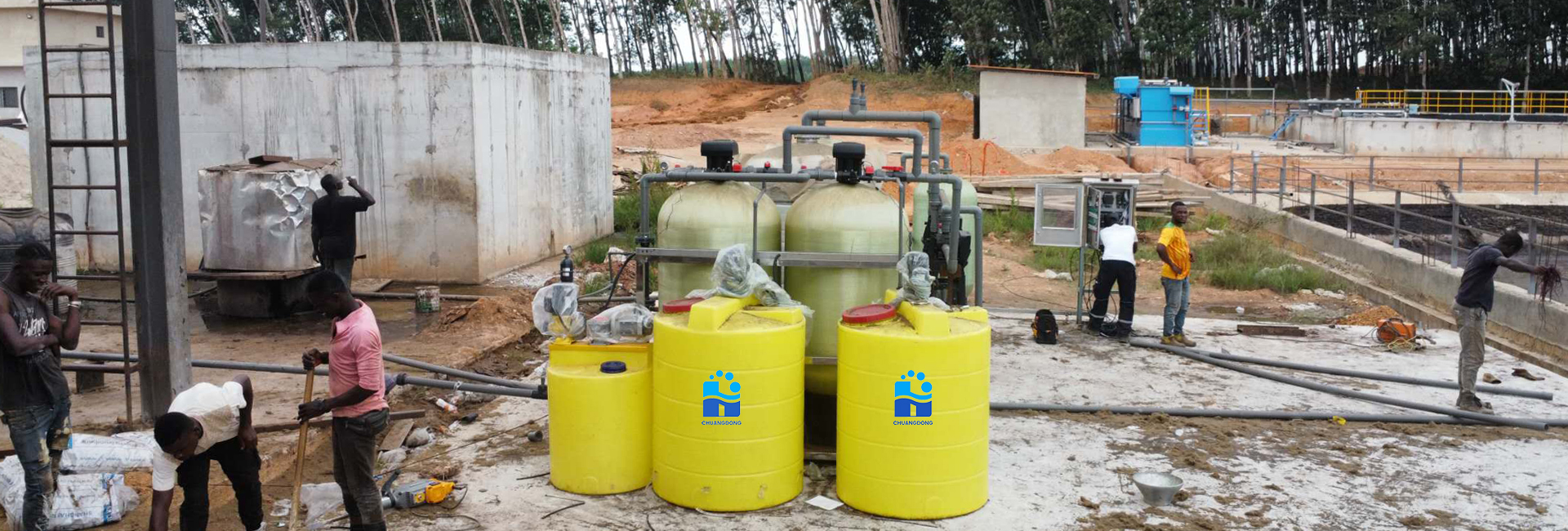
Sedimentation + RO Process for River Water Treatment in South Africa
This project treats river water, a representative surface water source, converting it into stable, high-quality water for production or domestic use, effectively addressing the high variability of river water quality, which contains complex suspended solids, colloids, organic matter, and microorganisms.
This process combination is particularly suitable for scenarios requiring high source water stability and where the raw water is surface water:
Municipal Water Supply in Coastal or Brackish Water Basins: Treating tide-influenced or brackish river water into potable water that meets standards.
Industrial Park Water Supply: Providing stable primary pure water or boiler feed water for industries with strict water quality requirements like electronics, food, and pharmaceuticals.
Water Supply for Islands & Remote Areas: Solving freshwater scarcity by converting local river/reservoir water into a reliable source.
High-Quality Agricultural Irrigation: Used for irrigating high-value-added crops, improving soil conditions through desalination.
The RO stage, as the core of deep treatment, uses advanced low-pressure RO membranes with high desalination rates and high water production rates, which are specially designed to adapt to the high variability of South African river water. These membranes can effectively remove dissolved salts, residual organic matter, heavy metal ions, and microorganisms that cannot be removed by sedimentation, ensuring that the effluent quality meets or exceeds the relevant national standards of South Africa for domestic and industrial water use. For coastal brackish river water, the RO membrane’s desalination rate can reach more than 99%, reducing the water’s salinity to below the drinking water standard;
Looking forward, with the continuous growth of South Africa’s population and the rapid development of industry and agriculture, the demand for high-quality water resources will continue to increase, and the problem of water quality variability in river systems may become more prominent due to climate change and human activities. The sedimentation + RO water trentment systems combined process, with its strong adaptability, high treatment efficiency, and energy-saving advantages, will have broader application prospects in South Africa’s water treatment field.