 EN
EN



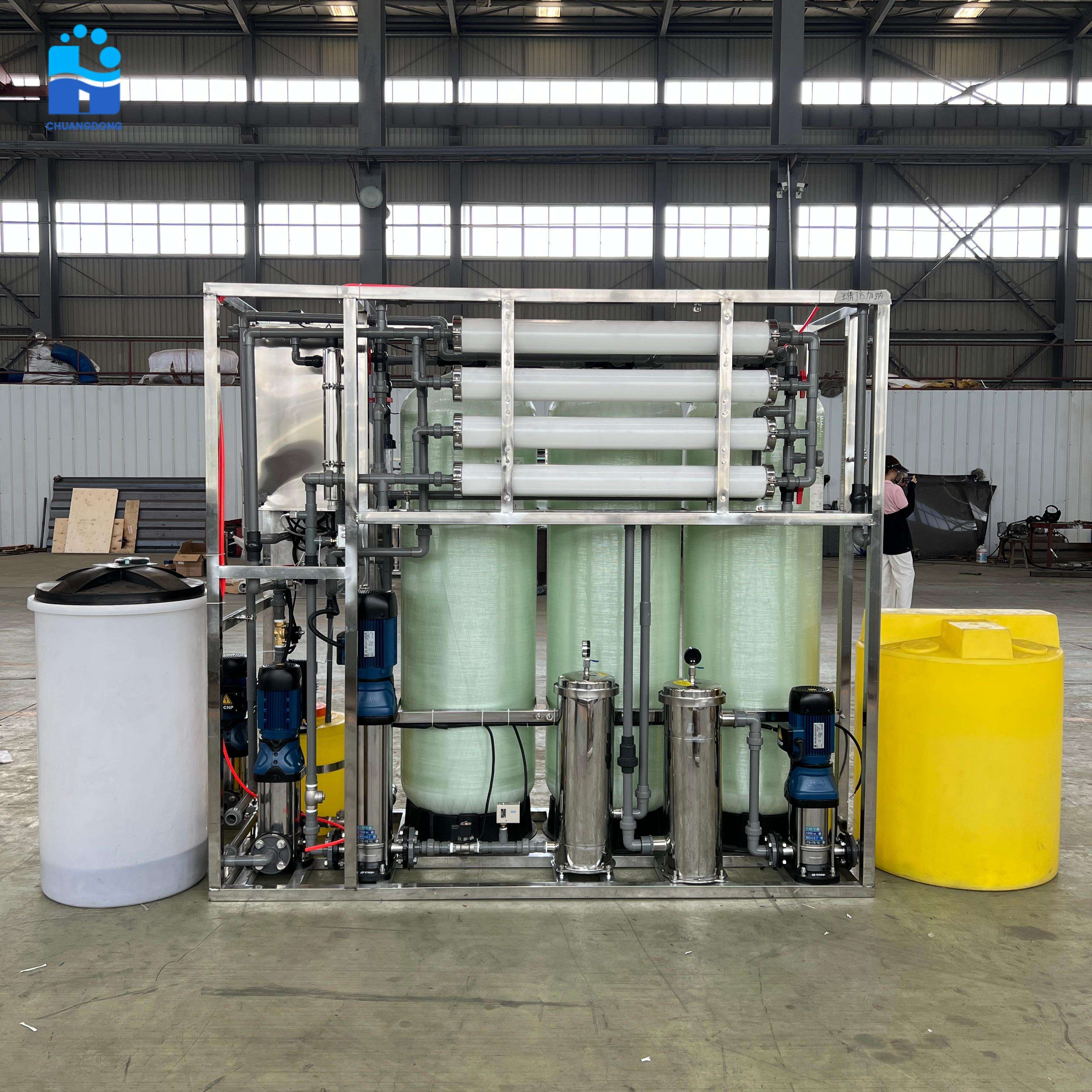
Automatiske spylesett for omvendt osmose utgjør en avgjørende fremskritt innen membranbeskyttelsesteknologi som retter seg mot en av de mest vedvarende utfordringene i vannbehandlingsdrift. Disse sofistikerte systemene initierer automatisk membranrengjøringscykluser med fastsatte intervaller, og fjerner dermed akkumulerte forurensninger, avleiringer av skalerende stoffer og biologisk forurensning som naturlig oppstår under vanlig filtreringsdrift. Integreringen av automatiske spylesett for omvendt osmose har revolusjonert hvordan industrielle anlegg vedlikeholder sine vannrenseanlegg, og sikrer konsekvent ytelse samtidig som den operasjonelle levetiden til dyre RO-membraner betydelig forlenges gjennom nøyaktig tidssatte vedlikeholdsprotokoller.
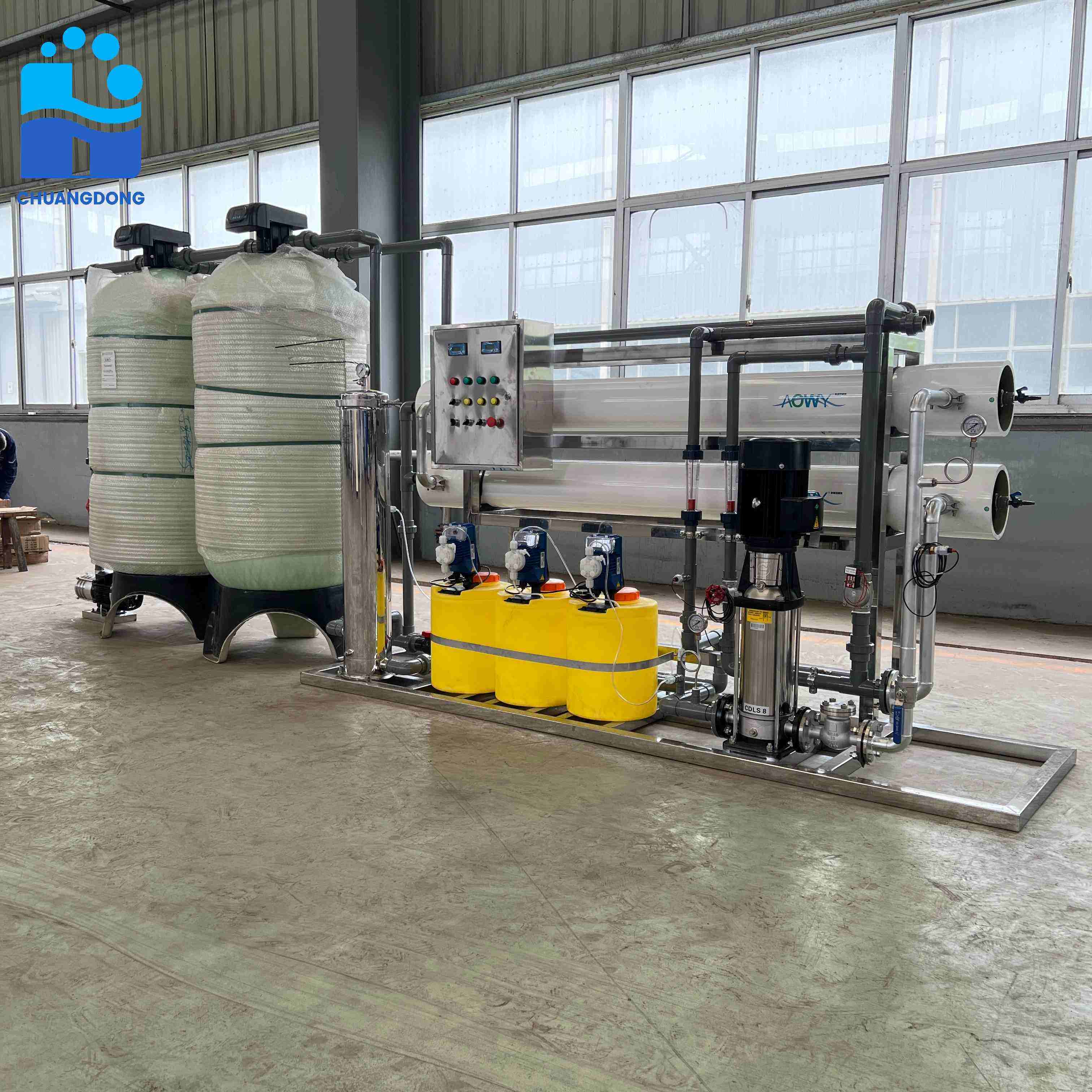
Effektiviteten til automatiske skyllingssett for omvendt osmoseanlegg når det gjelder å forlenge membranens levetid skyldes deres evne til å hindre opphopning av skadelige avleiringer som akselererer membranens nedbrytning. Moderne industrielle anvendelser krever konsekvent vannkvalitet i utgangen samtidig som driftsforstyrrelser minimeres, noe som gjør automatiske skyllingsfunksjoner avgjørende for å opprettholde optimal systemytelse. Disse settene bruker sofistikerte styringsmekanismer som overvåker systemets forhold og utløser skyllingscykluser basert på faktorer som driftstid, trykkdifferenser og vannkvalitetsparametere, slik at membranene får optimal vedlikehold uten behov for konstant menneskelig inngrip eller systemnedstengning.
Forståelse av automatisk skyllingsteknologi i omvendt osmoseanlegg
Hovedkomponenter og driftsprinsipper
Automatiske skyllingssett for omvendt osmose-systemer inneholder flere nøkkelkomponenter som samarbeider for å sikre konsekvent membranvedlikehold. Hovedstyringsenheten overvåker kontinuerlig systemparametre, inkludert transmembrantrykk, strømningshastigheter og vannkvalitetsindikatorer som signaliserer når skyllingscykluser skal starte. Elektroniske magnetventiler styrer retning og strømning av skyllingsvann, mens trykksensorer sikrer optimale skyllingstrykknivåer gjennom hele renseprosessen.
Skyllingsmekanismen fungerer ved å midlertidig reversere eller omdirigere vannstrømmen over membranoverflatene, noe som skaper turbulente forhold som løsner akkumulerte partikler og oppløste forurensninger. Under skyllingscykluser omdirigerer systemet det konsentrerte avvannet over membranoverflatene med høyere hastighet enn under normale driftsforhold, noe som effektivt fjerner avleiringer som ellers ville akkumuleres og redusere membranens permeabilitet med tiden.
Styring basert på timer lar anlegg tilpasse tømmehyppigheten basert på deres spesifikke vannforhold og driftskrav. Avanserte automatiske tømmeutstyr for omvendt osmose-systemer er utstyrt med programmerbare logikkstyringer som kan justere tømmehyppighet, -varighet og -intensitet basert på sanntidsdata om systemets ytelse, noe som sikrer optimal rengjøringsvirknad samtidig som vannspilling under vedlikeholdsperioder minimeres.
Membranbeskyttelsesmekanismer
De beskyttende fordelene med automatisk tømmeutstyr for omvendt osmose-teknologi går langt utover enkle rengjøringsløkker og omfatter omfattende strategier for membranbevarelse. Regelmessig tømming hindrer dannelse av biofilm, som kan inneholde bakterier og andre mikroorganismer som produserer enzymer i stand til å bryte ned membranmaterialer. Ved å opprettholde rene membranoflater forhindrer automatiske tømmesystemer oppståelsen av forhold som fremmer biologisk forurensning og den tilhørende membranskaden.
Forebygging av skallbildning representerer en annen kritisk funksjon for automatiske spylsystemer, spesielt i applikasjoner som behandler hardt vann eller industrielt avløpsvann med høye konsentrasjoner av oppløste mineraler. Turbulente strømningsforhold som oppstår under spylsykluser hjelper til å hindre at kalsiumkarbonat, kalsiumsulfat og andre skalldannende forbindelser fester seg til membranoverflater, noe som sikrer optimal permeabilitet og forhindrer dannelse av krystallinske avleiringer som kan skade membranstrukturer permanent.
Hensyn til kjemisk kompatibilitet sikrer at automatiske spylsett for omvendt osmose-systemer fungerer trygt med ulike membranmaterialer og vannkjemi. Moderne spylsystemer inneholder korrosjonsbestandige materialer og pH-nøytrale spylprosedyrer som rengjør membranoverflater effektivt uten å innføre ekstra belastningsfaktorer som kan akselerere membranforringelse på grunn av kjemisk inkompatibilitet.
Fordeler og mekanismer for utvidet membranlevetid
Målbare ytelsesforbedringer
Industrielle anlegg som implementerer automatiske spylesett for omvendt osmose har vanligvis en utvidet membranlevetid på 40–80 % sammenlignet med anlegg som kun bruker manuelle vedlikeholdsprosedyrer. Disse forbedringene skyldes konsekvent fjerning av forsmussende stoffer før de får mulighet til å danne faste bindinger til membranoberflater, noe som sikrer optimale gjennomstrømningshastigheter og minimerer behovet for aggressive kjemiske rengjøringsprosedyrer som kan belaste membranmaterialet.
Overvåkningsdata for ytelse fra anlegg som bruker automatisk spølingsteknologi viser betydelige reduksjoner i økningen av transmembrantrykk over tid, noe som indikerer at membranene beholder sine permeabilitetskarakteristika lenger når de utsettes for regelmessige automatiske rengjøringsrundor. Denne vedvarende ytelser overføres direkte til lengre driftsperioder mellom membranskift og lavere totale vedlikeholdsutgifter for systemet.
Forbedret energiforbruk følger med forlenget membranlevetid, siden rene membraner krever mindre pumpepress for å oppnå målflythastigheter og krav til vannkvalitet. Automatiske spølesett for omvendt osmose-systemer hjelper til å opprettholde optimal energieffektivitet gjennom hele membranenes levetid ved å hindre den gradvise ytelsesnedgangen som tvinger operatører til å øke systemtrykket for å kompensere for forsmuste membraner.
Forebygging og kontroll av forsmussing
Effekten av automatisk spøling for å forhindre ulike typer membranforurensning avhenger av riktig systemdesign og optimalisering av driftsparametere. Partikkelforurensning, forårsaket av suspenderte faste stoffer og kolloidale materialer, reagerer godt på spølingscykler med høy hastighet som skaper tilstrekkelige skjærkrefter for å løsne akkumulerte partikler uten å skade de følsomme membranoverflatene.
Kontroll av biologisk forurensning krever nøye oppmerksomhet på spølingens hyppighet og intensitet, siden biofilmdannelse kan skje raskt under gunstige forhold. Automatiske spølesett for omvendt osmose-systemer som er konfigurert for applikasjoner med høy risiko for biofilm inkluderer hyppigere, kortere spølingscykler som hindrer mikroorganismers etablering samtidig som forstyrrelser av normale produksjonsdriftsprosesser minimeres.
Organisk forurensningsstyring gjennom automatisk spøling viser seg spesielt verdifull i industrielle applikasjoner som behandler avløpsvann eller overflatevann med innhold av naturlig organisk materiale. Regelmessige spølingscykler hindrer opphopning av organiske forbindelser som kan danne gelaktige lag på membranoverflater, noe som sikrer stabile avvisningsrater og unngår behovet for kraftige kjemiske rengjøringsprosedyrer som kan skade følsomme membranpolymere.
Systemkonfigurasjon og implementeringshensyn
Konstruksjonsparametere for optimal ytelse
En vellykket implementering av automatiske spølesett for omvendt osmose-teknologi krever nøye vurdering av systemets hydraulikk og integrasjon av styring med eksisterende vannbehandlingsinfrastruktur. Spølestrømningshastigheter må kalibreres for å skape tilstrekkelig turbulens til effektiv rengjøring, samtidig som man unngår for høyt trykk som kan skade membranelementer eller andre systemkomponenter.
Integrasjon av kontrollsystem innebär att koppla automatiska spolkontrollenheter till befintliga övervaknings- och datainsamlingsystem (SCADA), vilket möjliggör central övervakning och justering av spolparametrar baserat på driftsdata och prestandatrender.
Rörmodifikationer som krävs för installation av automatiska spolkits för omvänd osmos är vanligtvis kopplade till tillägg av bypass-rör, reglerventiler och mätinstrument för att möjliggöra automatiserad styrning av spolcykler utan att störa normal systemdrift. Rätt dimensionering och placering av ventiler säkerställer adekvat fördelning av spolflöde över alla membranelement samtidigt som systemtrycket bibehålls under både normal drift och spolcykler.
Integrering med befintlig RO-infrastruktur
Ettermontering av eksisterende RO-systemer med automatiske spylefunksjoner krever en grundig vurdering av gjeldende systemkapasitet og infrastrukturkompatibilitet. Elektriske krav for automatiske spylesett til omvendt osmose-systemer inkluderer strømforsyninger til styringsenheter, magnetventiler og overvåkningsinstrumentering, noe som krever samordning med anleggets elektriske systemer og eventuelt installasjon av ekstra kretser.
Vannforsyningshensyn ved spyleoperasjoner innebär å sikre tilstrekkelig strømningskapasitet og trykktilgjengelighet under spylecykluser, noe som kan kreve modifikasjoner av eksisterende pumpeanlegg eller tilleggsinstallasjon av dedikerte spylepumper for større anlegg. Systemdesignere må ta høyde for økt vannforbruk under spylecykluser samtidig som de sikrer tilgjengelighet av produksjonsvann for kritiske prosesser.
Sikkerhets- og etterlevelsesfaktorer inkluderer integrasjon med eksisterende alarmsystemer og nødstansprosedyrer, og sikrer at automatiske spyleoperasjoner ikke forstyrrer sikkerhetsprotokoller eller skaper driftsrelaterte faremomenter. Riktig installasjon inkluderer feilsikringsmekanismer som forhindrer spylesykluser under systemvedlikehold eller i nødsituasjoner, samtidig som membranbeskyttelse opprettholdes under normale driftsforhold.
Driftsfordeler og økonomiske vurderinger
Kostnads-nytte-analyse av automatiske spylesystemer
Den økonomiske begrunnelsen for automatiske spylesett til omvendt osmose-systemer blir vanligvis tydelig innen det første driftsåret gjennom reduserte kostnader for membranbytte og mindre systemnedetid. Kostnadene for membranbytte, som kan utgjøre 20–30 % av de totale driftskostnadene for et RO-system, reduseres betydelig når automatisk spøling forhindrer tidlig membranforurensning og nedbrytning.
Reduksjoner i arbeidskostnadene følger med automatiske spyleløsninger, siden systemene krever sjeldnere manuell rengjøring og vedlikeholdsintervensjon. Driftssteder rapporterer betydelige besparelser i vedlikeholdsarbeidstimer og redusert behov for spesialiserte kjemiske rengjøringsprosedyrer som krever utdannet personell og systemnedleggelse for sikker gjennomføring.
Forbedringer i produksjonseffektiviteten skyldes mer konsekvent vannkvalitet i utgangen og redusert systemnedtid for vedlikeholdsaktiviteter. Automatiske spylesett for omvendt osmose-systemer muliggjør kontinuerlig drift med minimale avbrotter, støtter produksjonsplaner og reduserer risikoen for avvik i vannkvaliteten som kan påvirke nedstrømsprosesser eller produktkvaliteten.
Optimalisering av langsiktig ytelse
Funksjoner for datainnsamling som er integrert i moderne automatiske spylsystemer gir verdifulle innsikter for å optimere langsiktig systemytelse og vedlikeholdsstrategier. Data om ytelsestrender hjelper driftsledere med å identifisere optimale spylfrekvenser og -intensiteter for deres spesifikke driftsforhold, samtidig som de overvåker indikatorer på membrantilstanden for å støtte beslutninger om utskifting.
Fordelene med forebyggende vedlikehold strekker seg ut over membranbeskyttelse og omfatter helhetlig systemhelse, siden regelmessig spyling hjelper med å identifisere potensielle problemer med pumper, ventiler og instrumentering før de fører til alvorlige systemfeil. Tidlig oppdagelse av endringer i ytelsen muliggjør proaktive vedlikeholdsintervensjoner som forhindrer kostbare nødrepasjoner og uplanlagt nedetid.
Vurderinger av skalerbarhet for voksende anlegg inkluderer muligheten til å utvide automatiske spylesett og omvendt osmose-systemer for å tilpasse seg ekstra membrantrakter eller økte kapasitetskrav. Modulære kontrollsystemer gjør det mulig med kostnadseffektiv utvidelse samtidig som sentral overvåking og kontrollmuligheter opprettholdes på tvers av flere omvendt osmose-systeminstallasjoner.
Ofte stilte spørsmål
Hvor ofte bør automatiske spylesykler kjøres for å maksimere levetiden til membranene?
Den optimale spylefrekvensen avhenger av vannkvalitetsforholdene og systembelastningen, men de fleste industrielle applikasjoner drar nytte av spylesykler hvert 15.–30. minutt under normal drift. Systemer som behandler sterkt forsmussa vann kan kreve hyppigere sykler hvert 5.–10. minutt, mens applikasjoner med vann av høy kvalitet kan utvide intervallene til 1–2 timer. Nøkkelen er å overvåke systemets ytelsesindikatorer og justere frekvensen for å forhindre akkumulering av forsmussning, samtidig som vannspill og produksjonsforstyrrelser minimeres.
Kan automatiske skyllingssett monteras etterpå på eksisterende RO-systemer?
Ja, automatiske skyllingssett for omvendt osmose-systemer kan monteras efterpå på de fleste eksisterende RO-installasjoner etter en passende teknisk vurdering og systemmodifikasjoner. Ettermontering krever vanligvis tilleggsstyringsventiler, instrumentering og elektriske tilkoblinger, samtidig som det må sikres tilstrekkelig hydraulisk kapasitet for skyllingsoperasjoner. Profesjonell installasjon sikrer riktig integrering med eksisterende sikkerhetssystemer og opprettholder garantikompatibilitet, samtidig som den gir membranbeskyttelse gjennom automatisk skyllingsteknologi.
Hvilken vedlikehold er nødvendig for automatiske skyllingsystemer?
Automatiske spylsystemer krever minimal rutinemessig vedlikehold, hovedsakelig bestående av periodiske inspeksjoner av magnetventiler, trykksensorer og verifikasjon av programmeringen til styringsenheten. Månedlige sjekker av ventildrift og kvartalsvis kalibrering av overvåkningsinstrumenter sikrer pålitelig ytelse, mens en årlig omfattende systemevaluering hjelper til med å optimere spyleparametre basert på akkumulerte ytelsesdata. Riktig vedlikehold forlenger både levetiden til spylesystemet og effektiviteten av membranbeskyttelsen.
Bruker automatiske spylsystemer opp betydelige mengder vann?
Moderne automatiske spylesett for omvendt osmoseanlegg er designet for å minimere vannforbruket samtidig som de maksimerer rengjøringsvirknaden, og bruker typisk mindre enn 2–3 % av totalt systemstrøm for spyleoperasjoner. Avanserte styringsalgoritmer optimaliserer spyledvarer og strømnivåer for å oppnå grundig membranrensing med minimalt vannspill, og vannbesparelsene fra en forlenget membranlevetid kompenserer ofte for vannforbruket under spyling. Mange systemer inkluderer også funksjoner for vannresirkulering som omdirigerer spylevann til systemets tilførsel eller andre anvendelser i anlegget.