EN
EN



- Overview
- Recommended Products
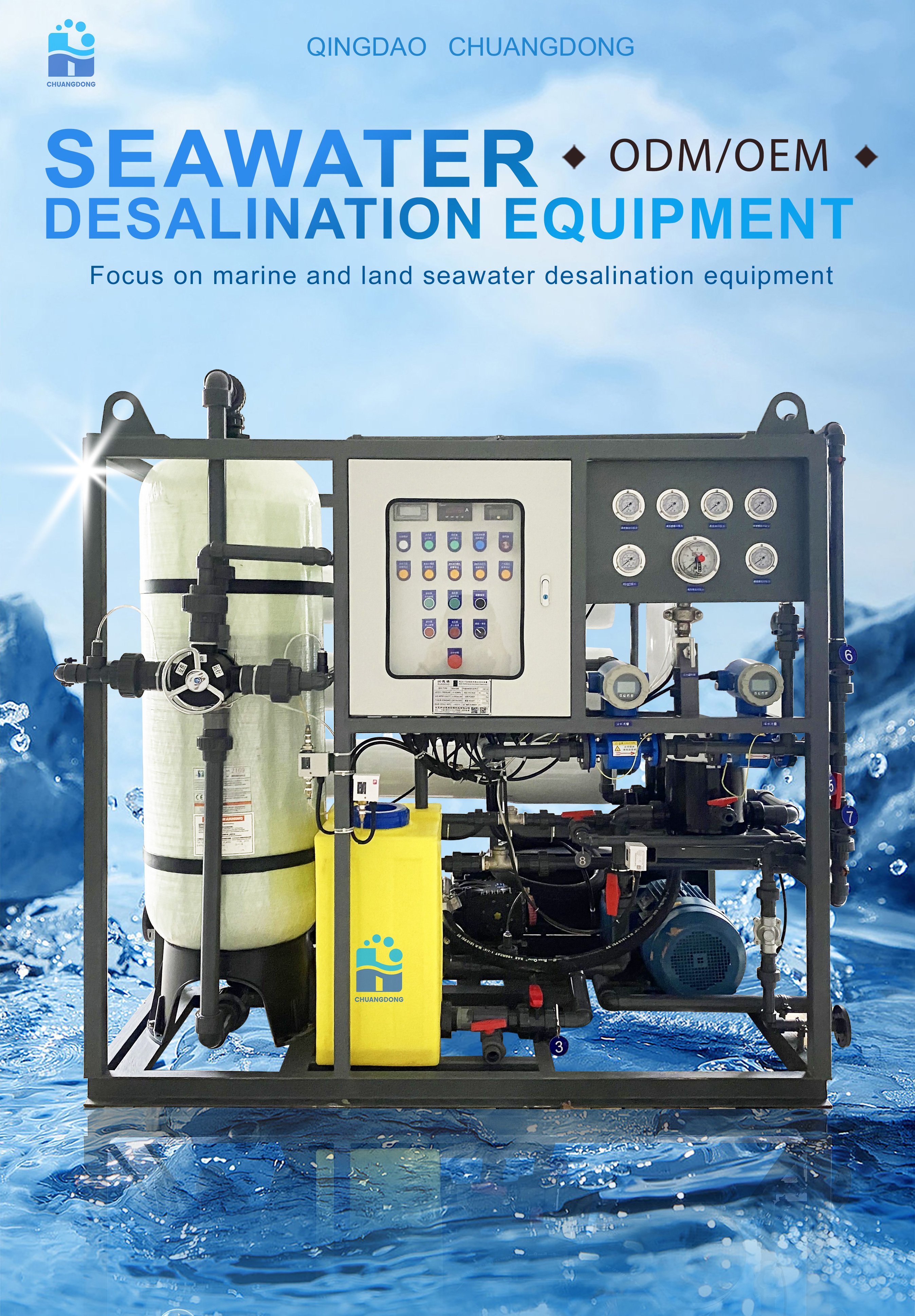
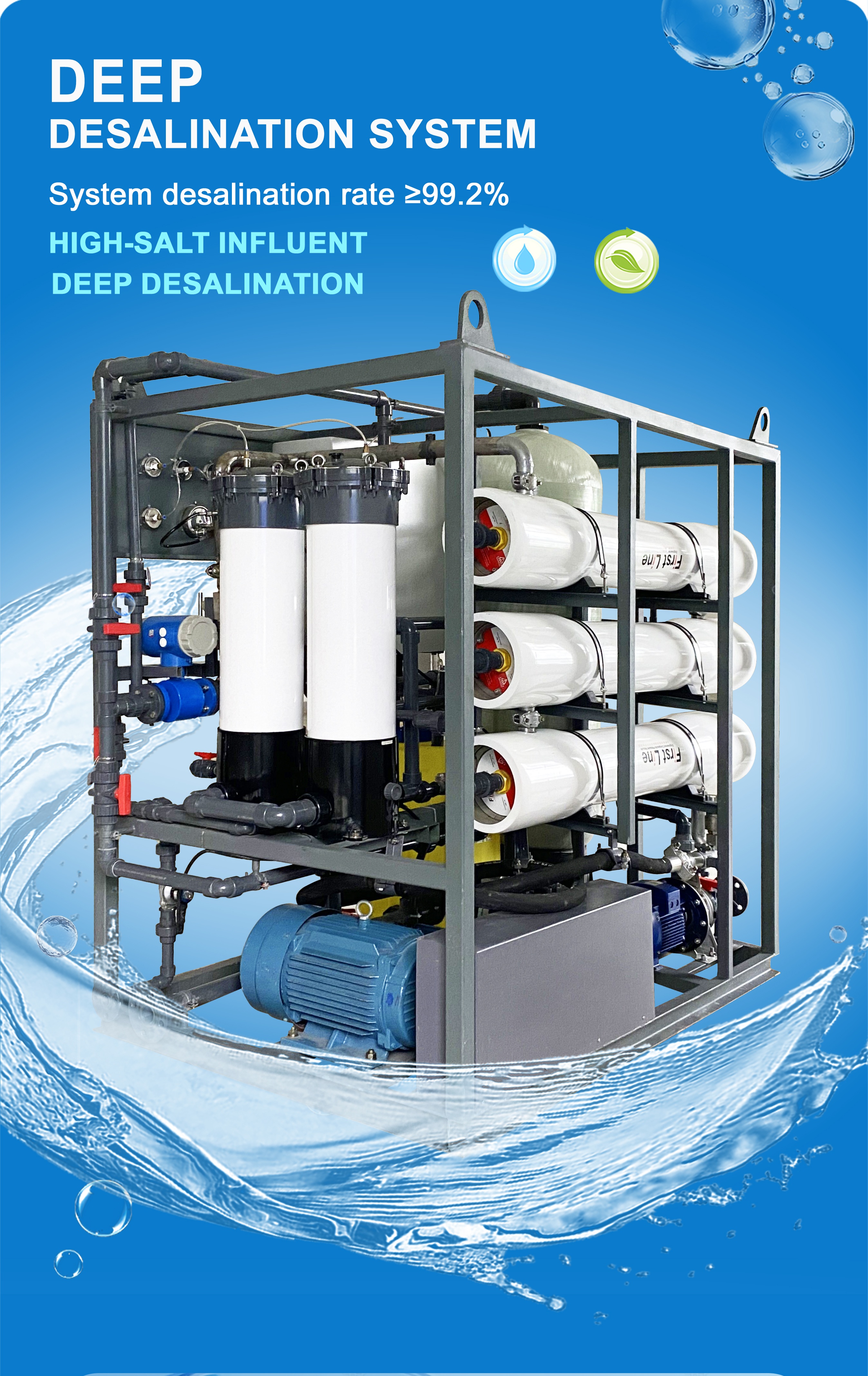
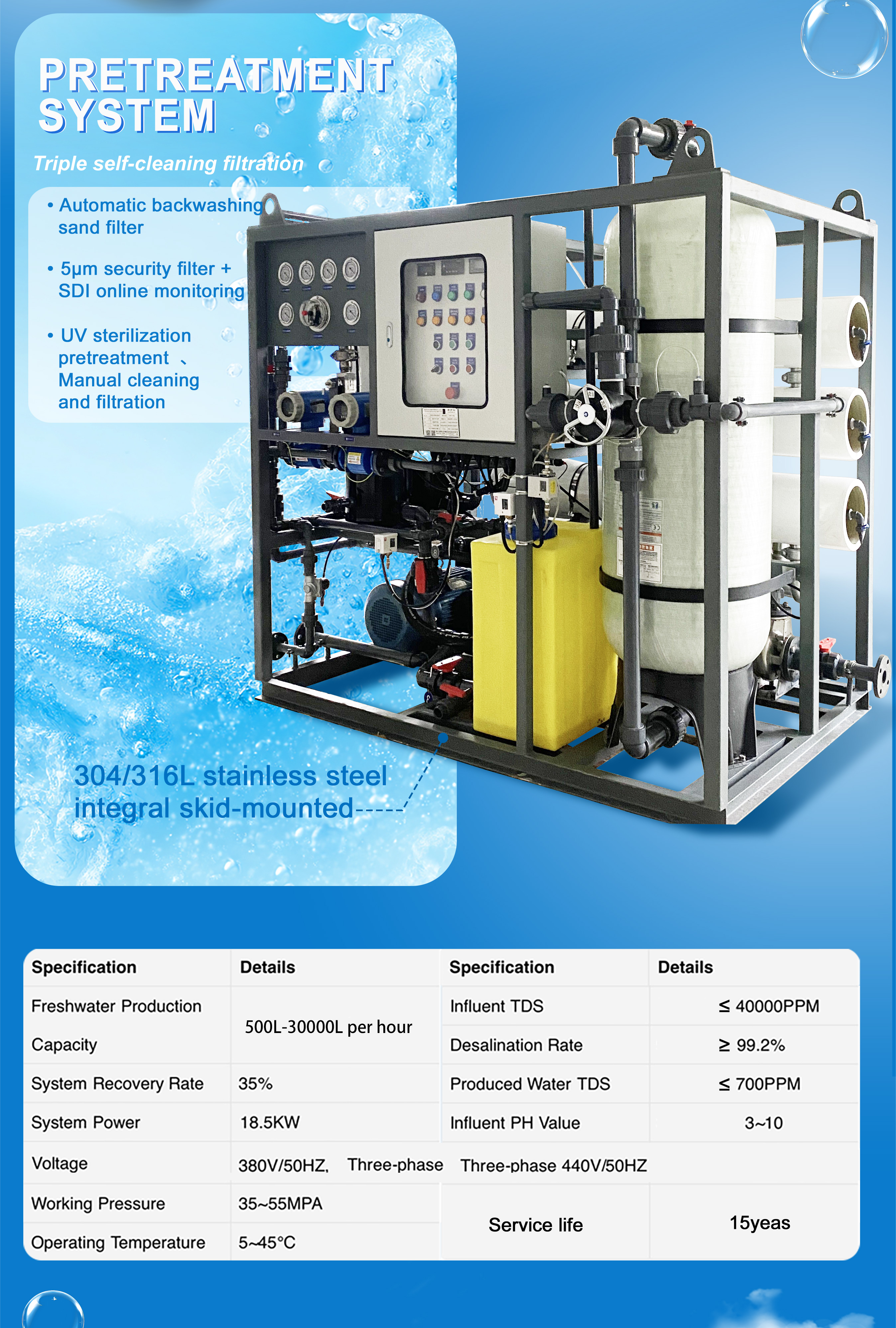
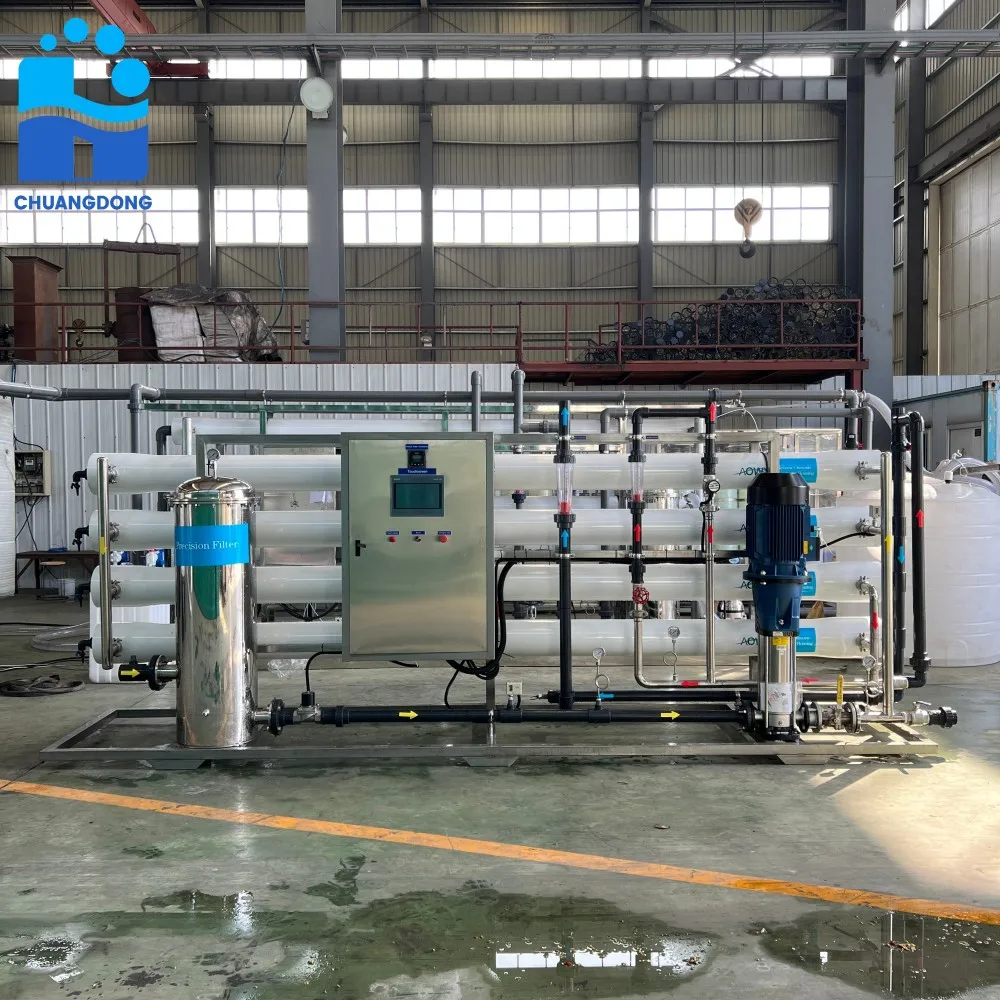
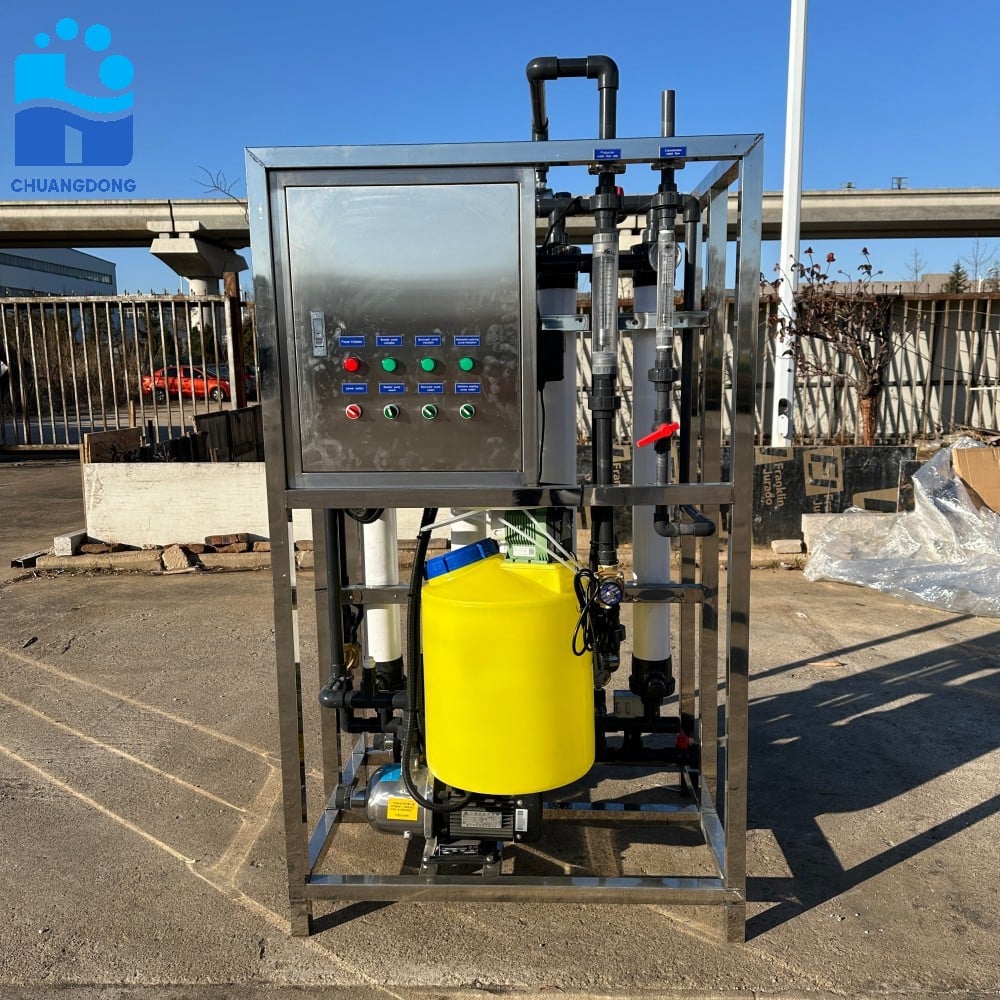
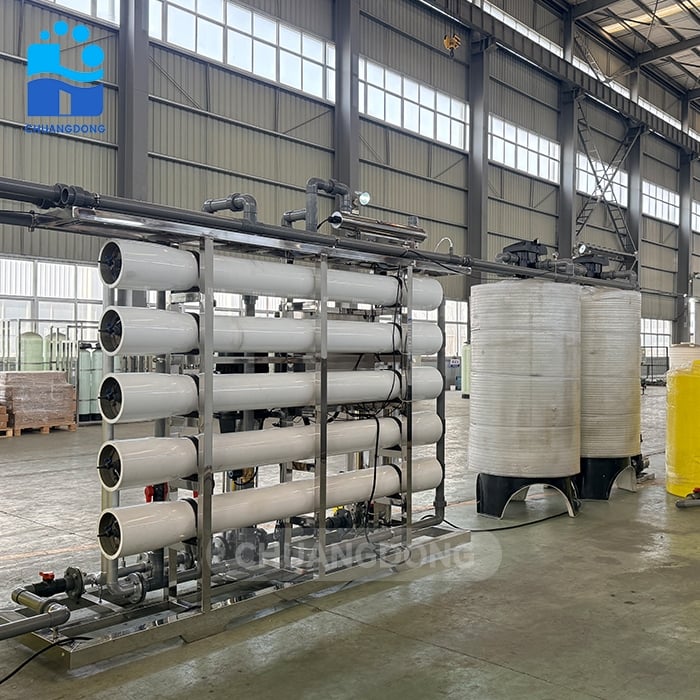
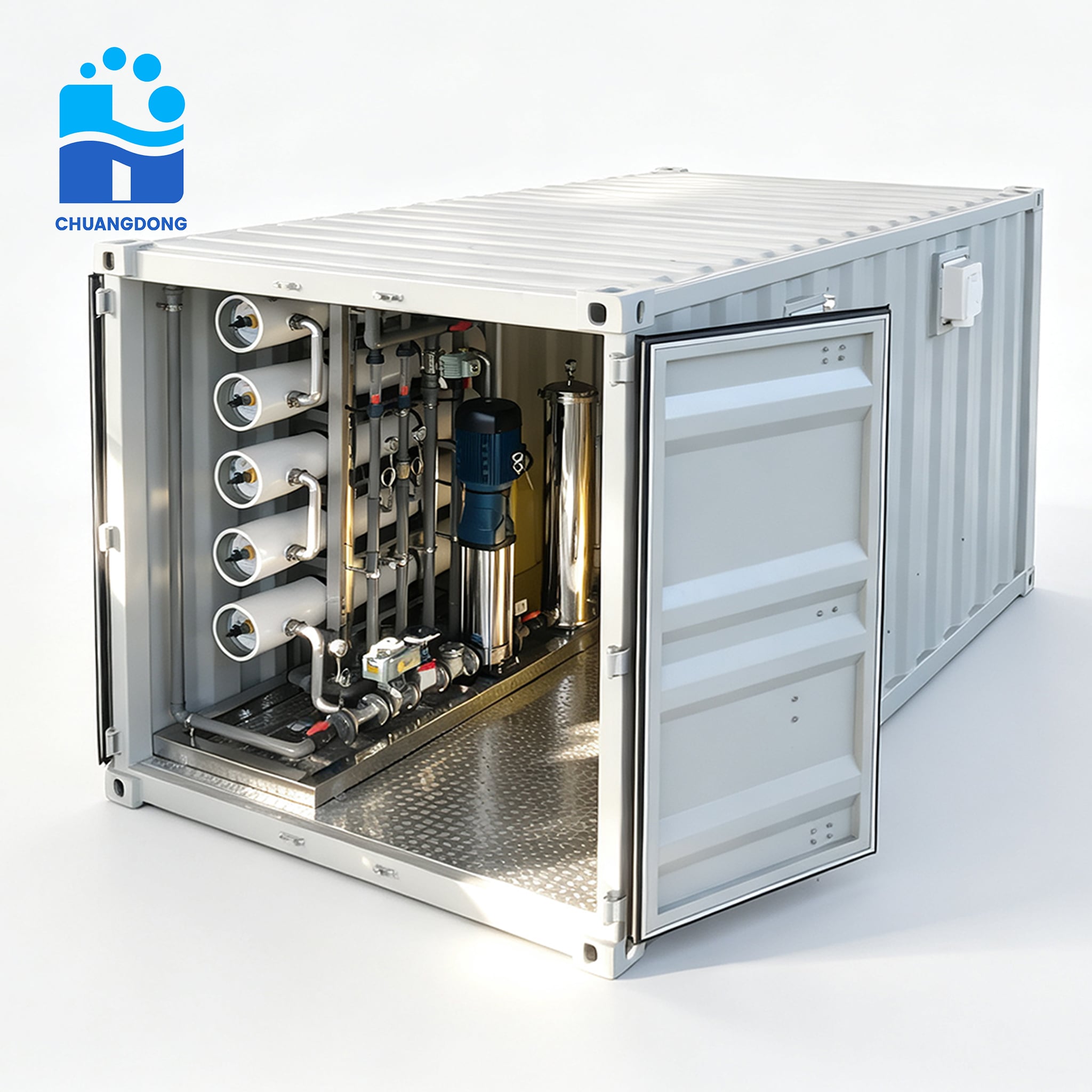
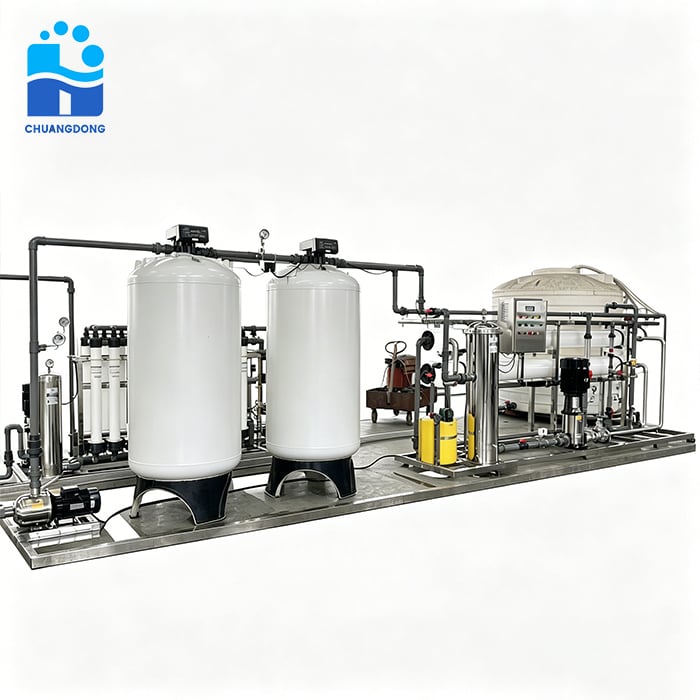
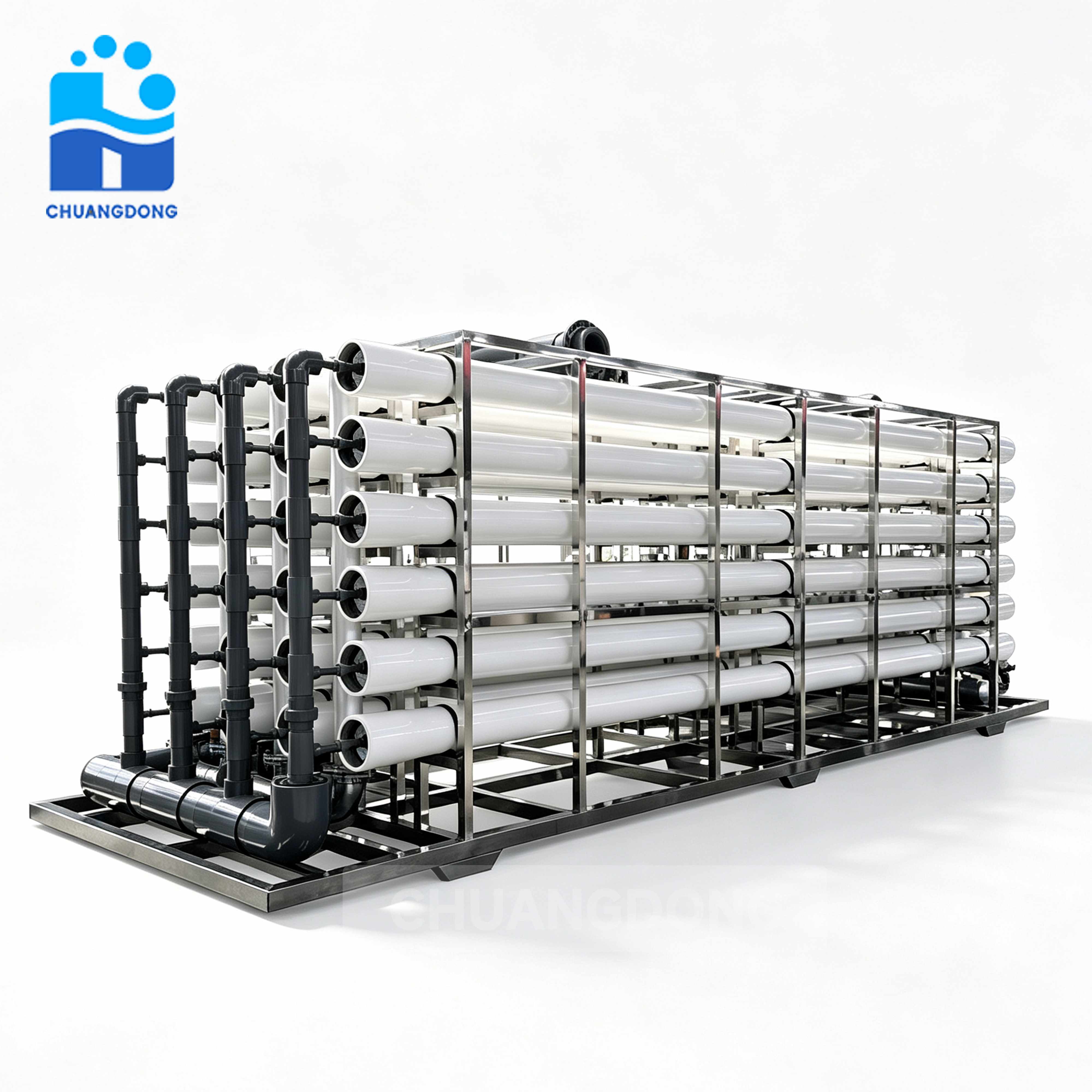
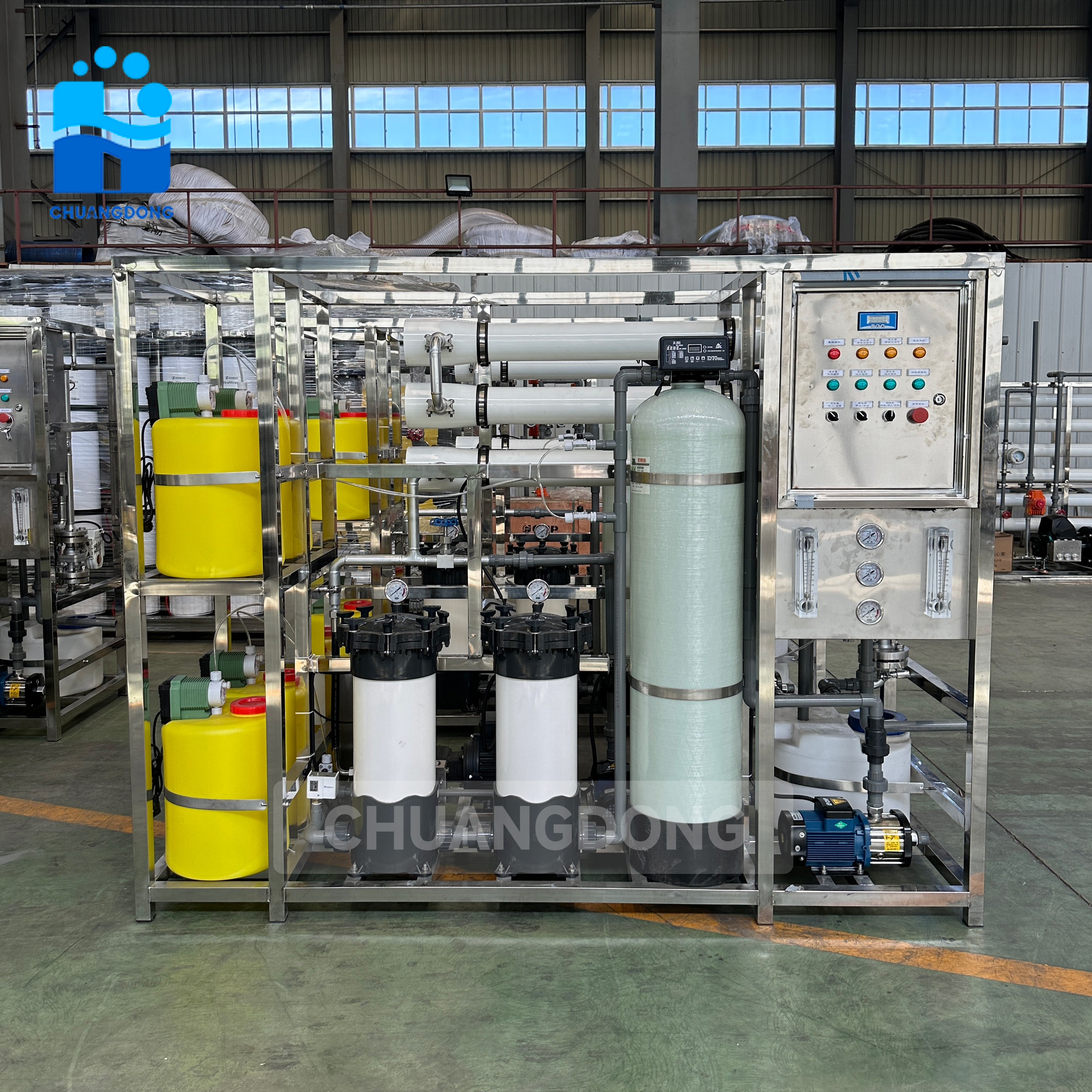
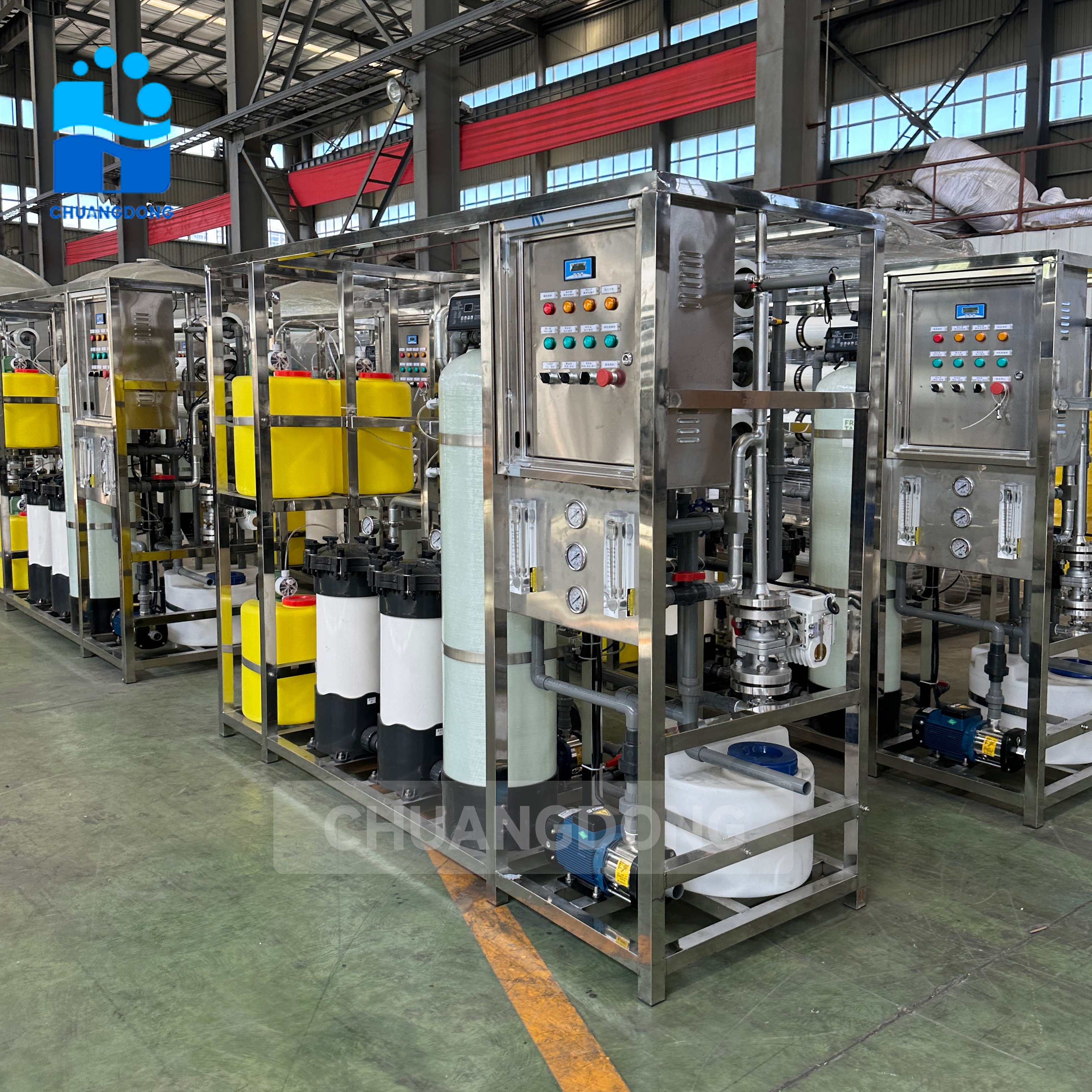
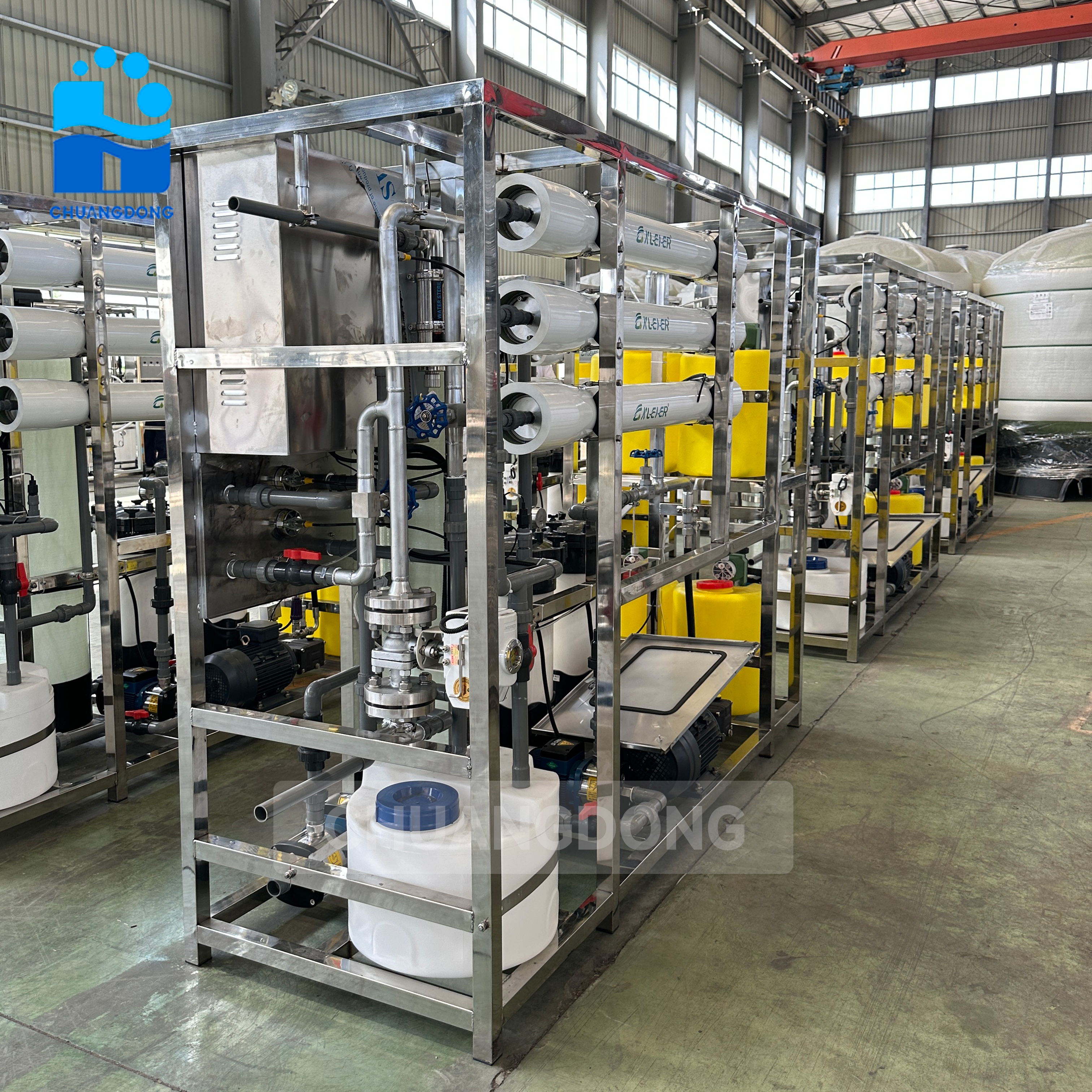
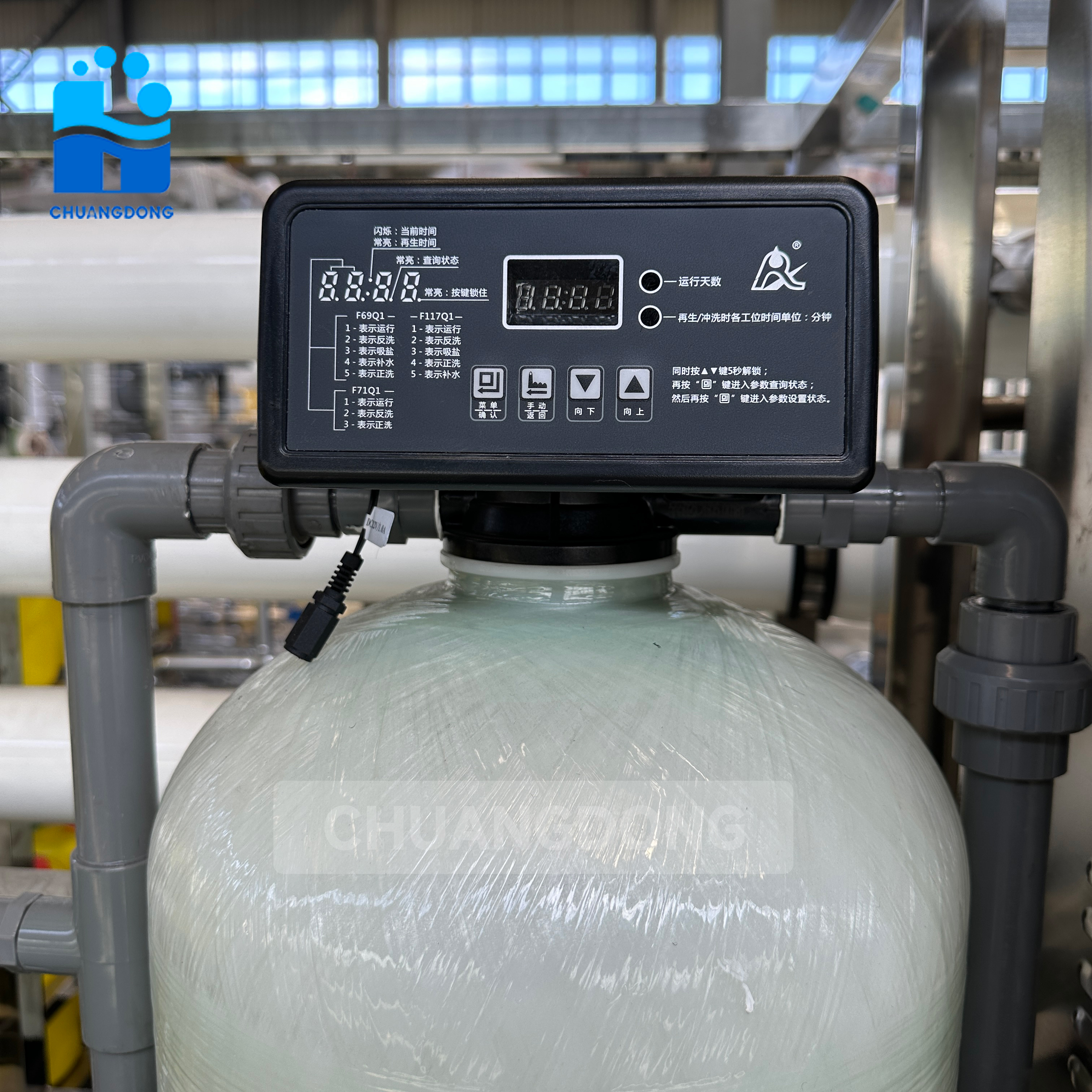
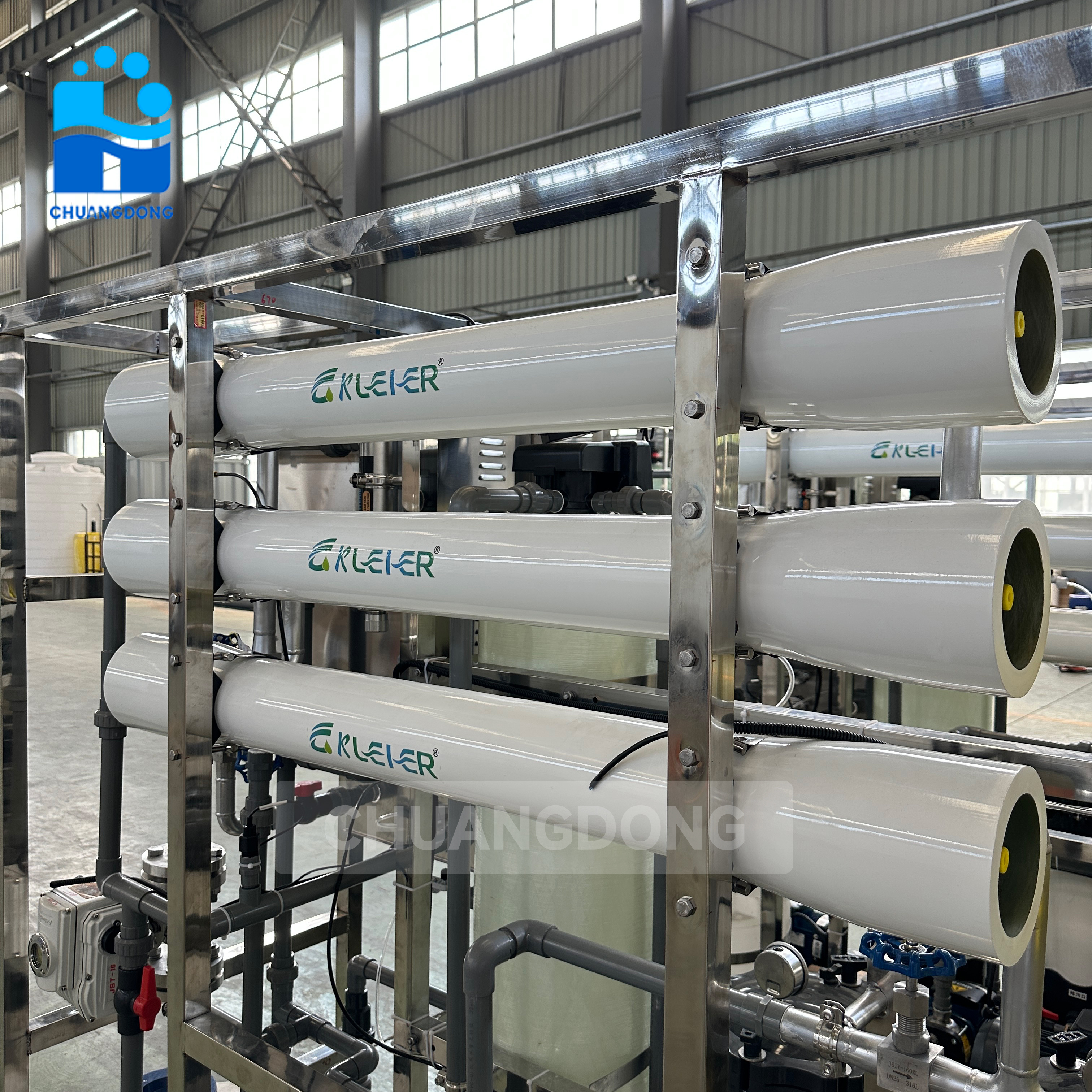
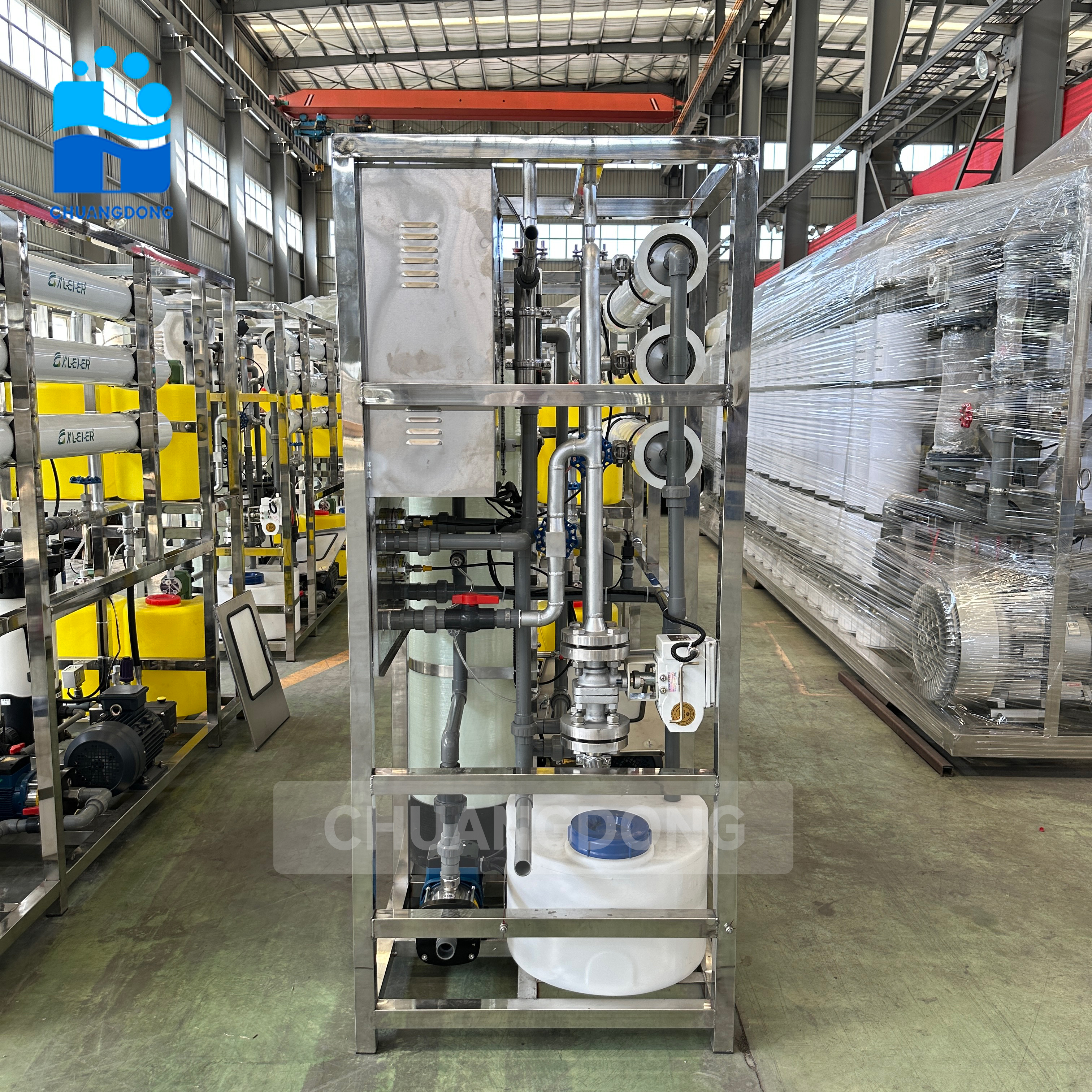
Seawater RO systems are growing in popularity. In regions severely affected by freshwater shortages, innovative solutions are vital to meet rising demands for clean water.This set of seawater desalination equipment manufactured by Chuangdong adopts mature SWRO reverse osmosis technology to convert high-salinity seawater into qualified potable fresh water. The complete skid-mounted integrated design minimizes on-site installation work.
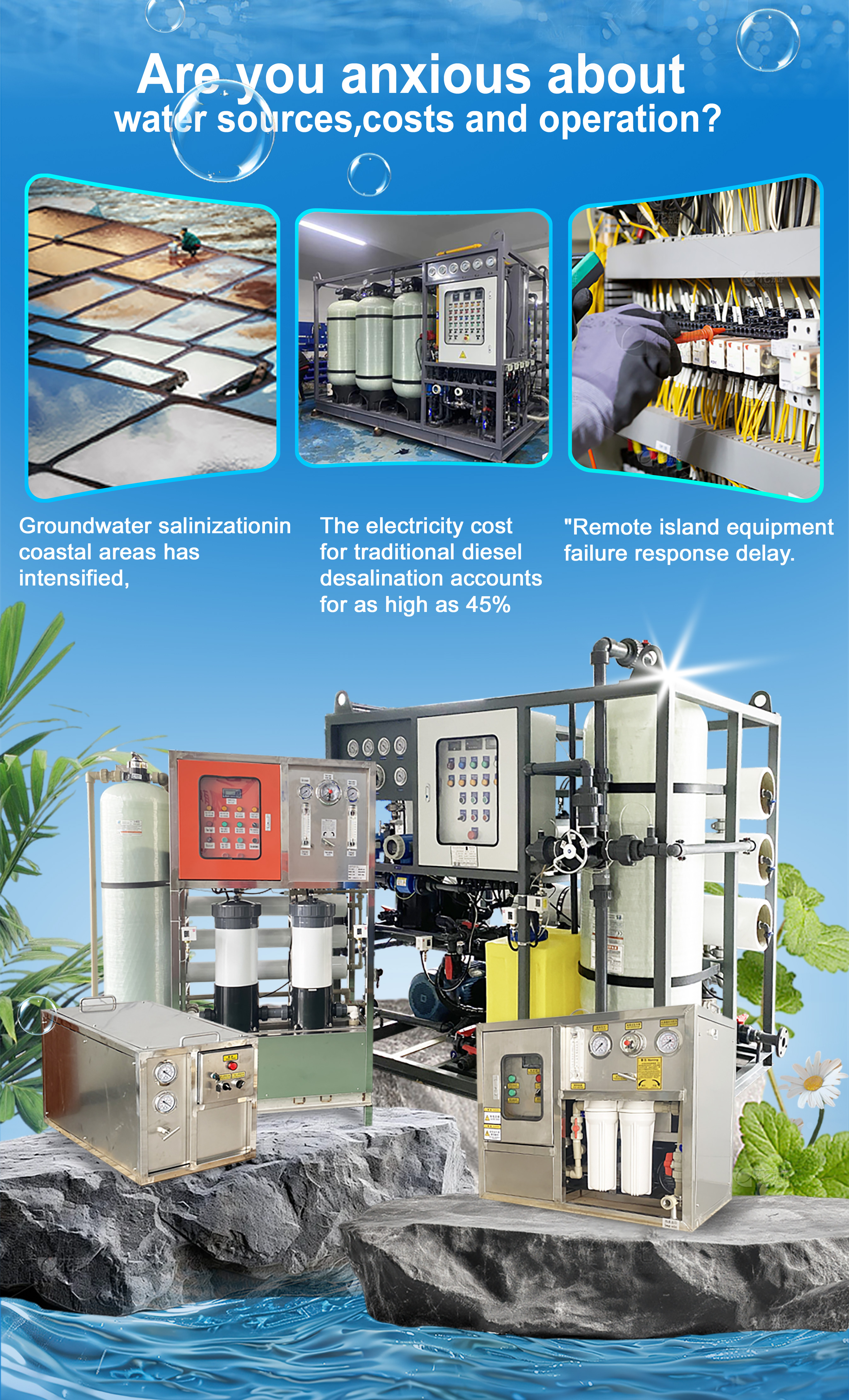
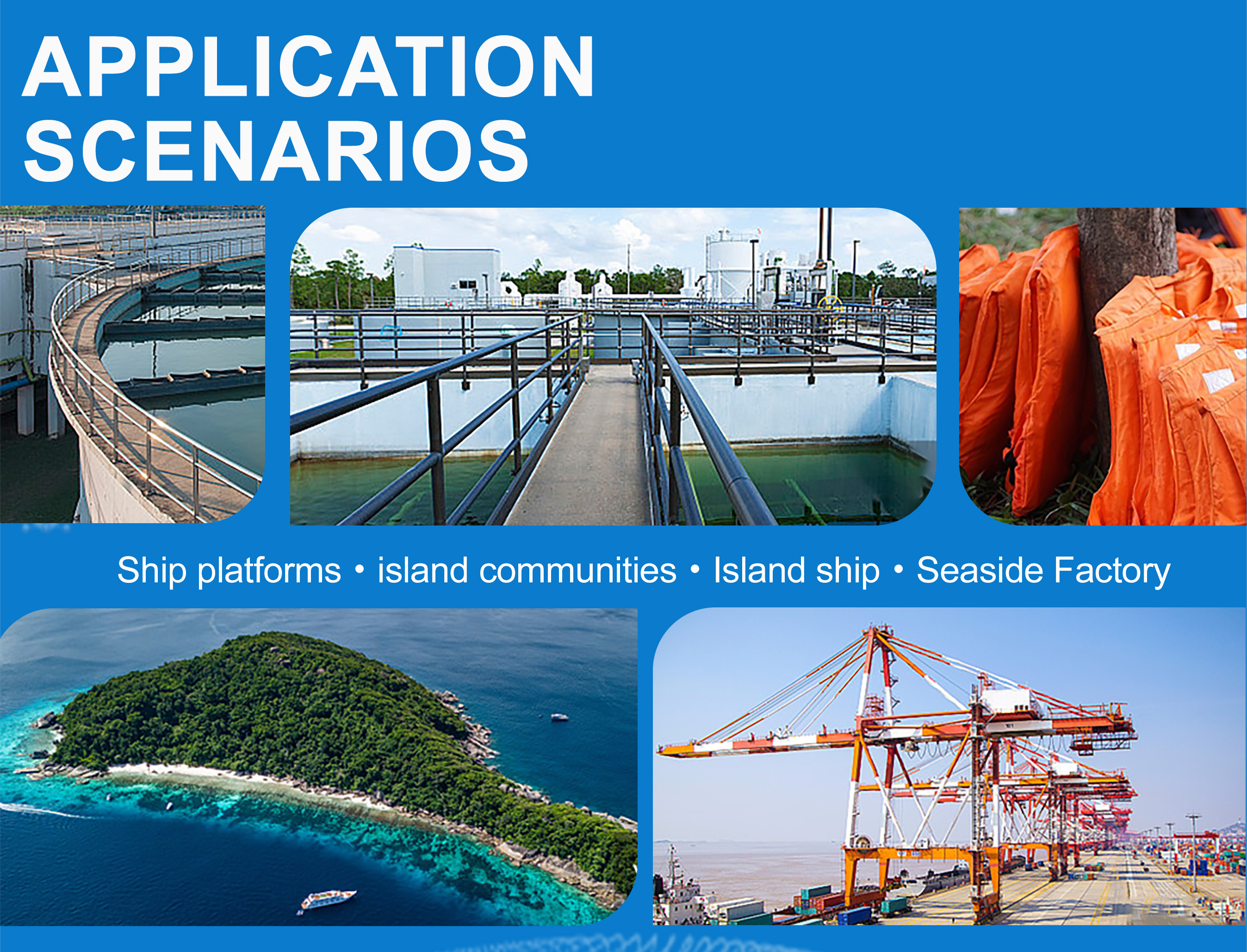
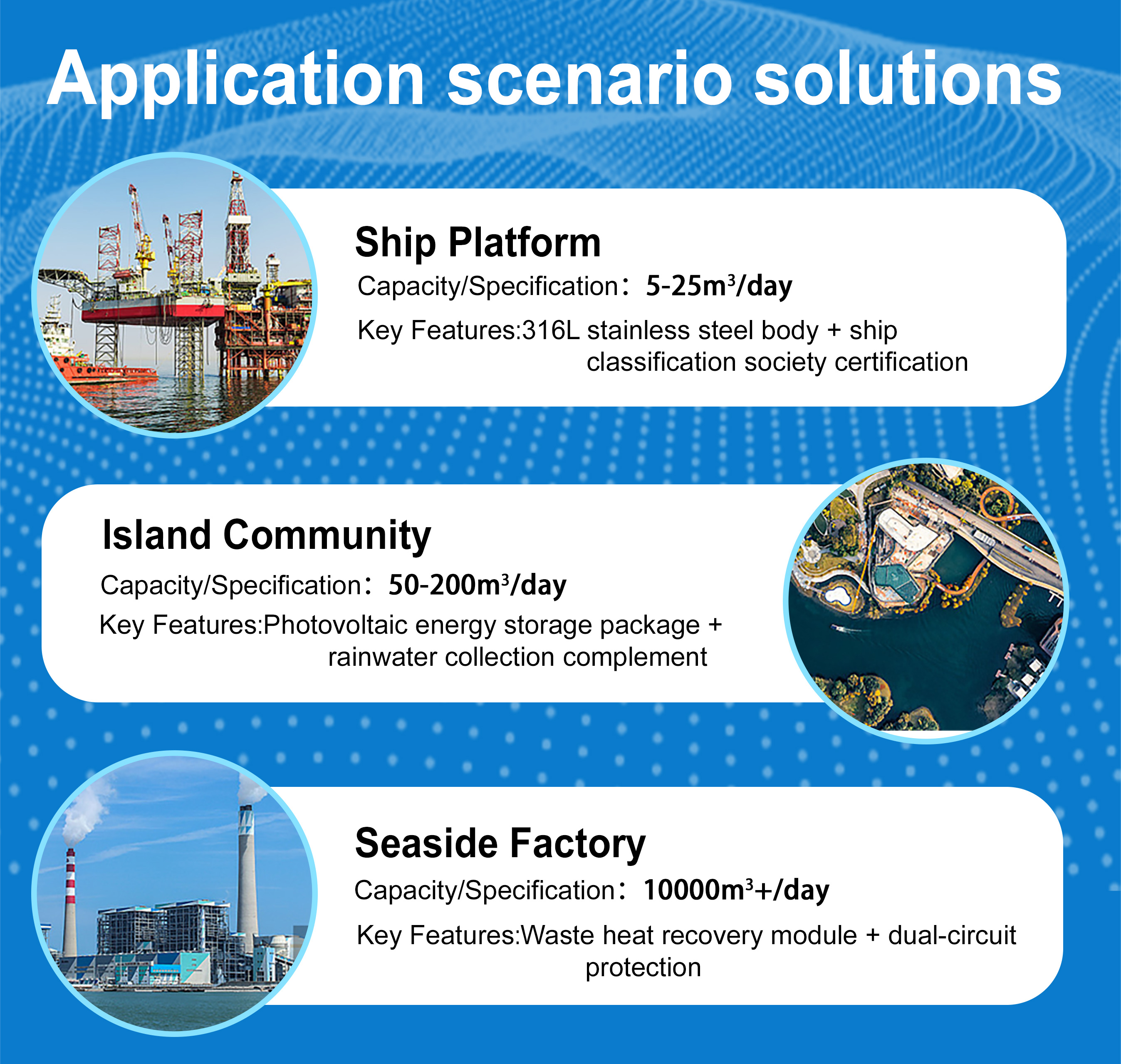
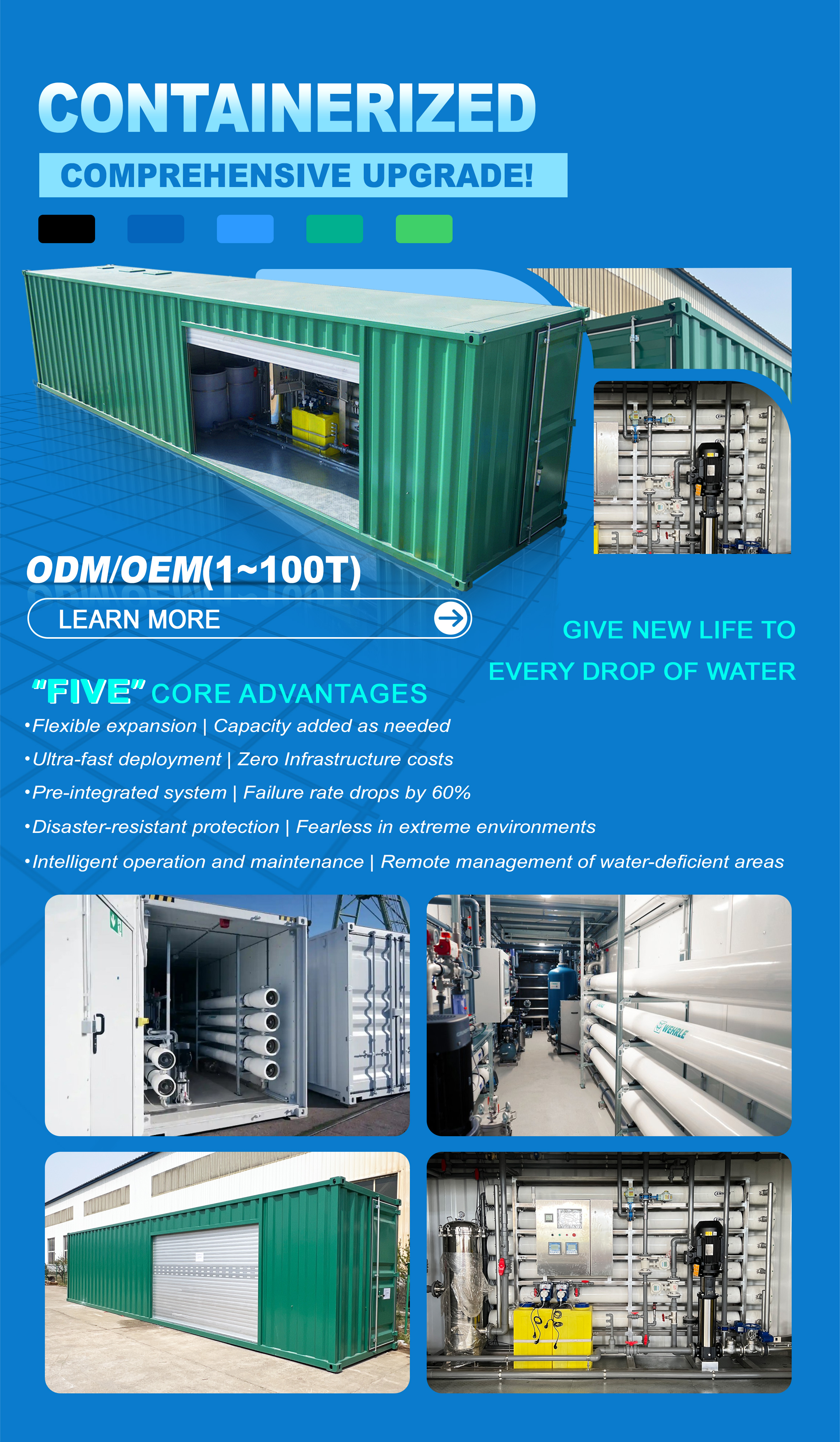
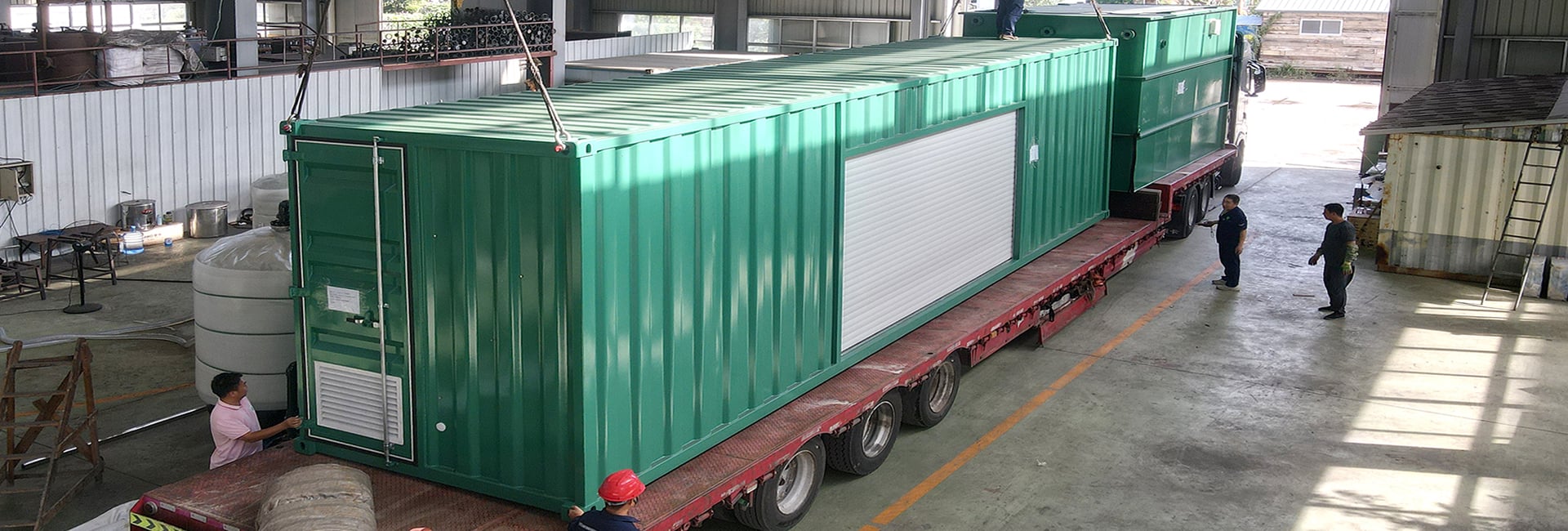
The seawater desalination equipment features a stable salt rejection rate and is suitable for islands, coastal sites, offshore platforms and marine engineering. Customized capacity, container-type units and automatic PLC control can be provided according to local water quality and site-specific conditions.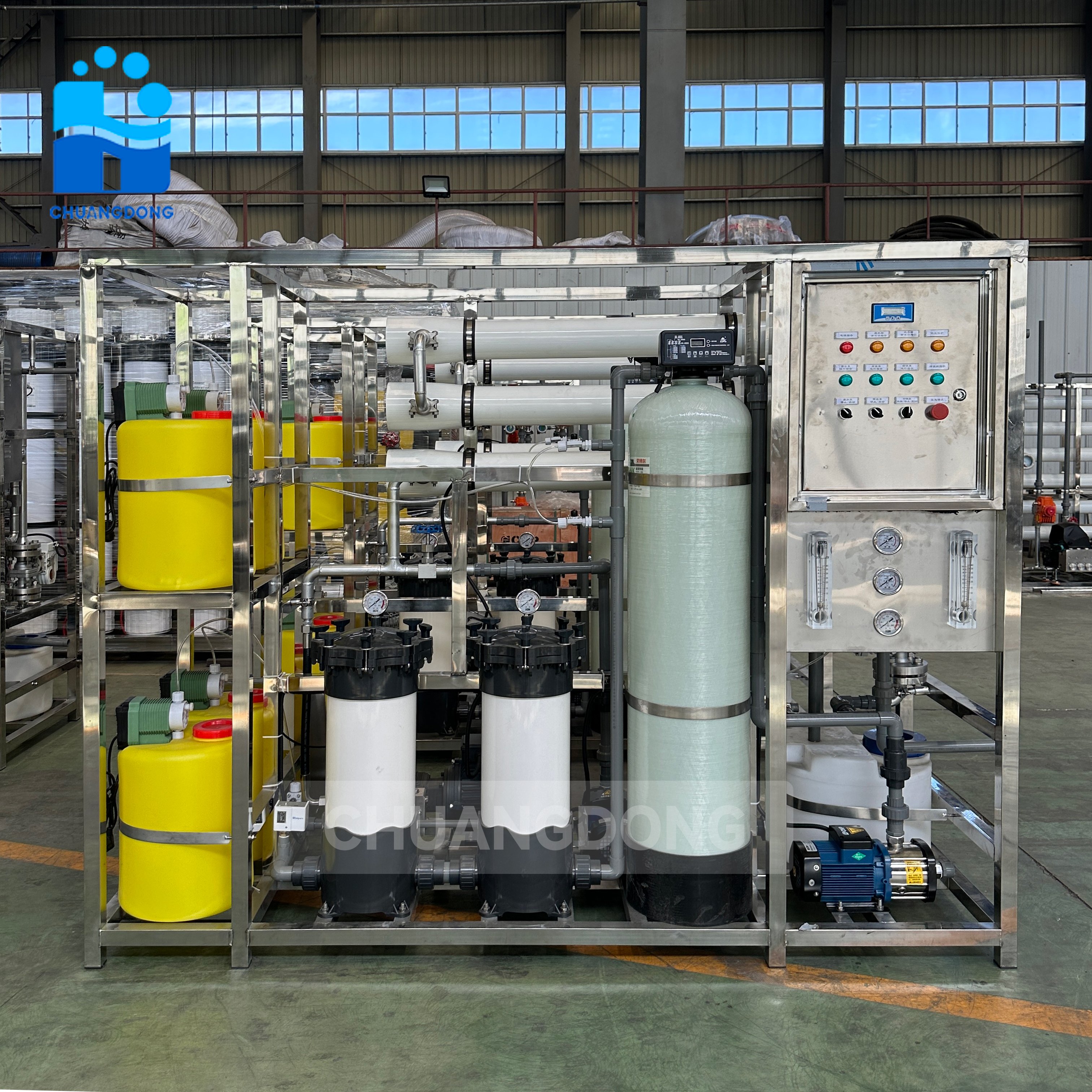
What Is A Seawater Reverse Osmosis System SWRO?
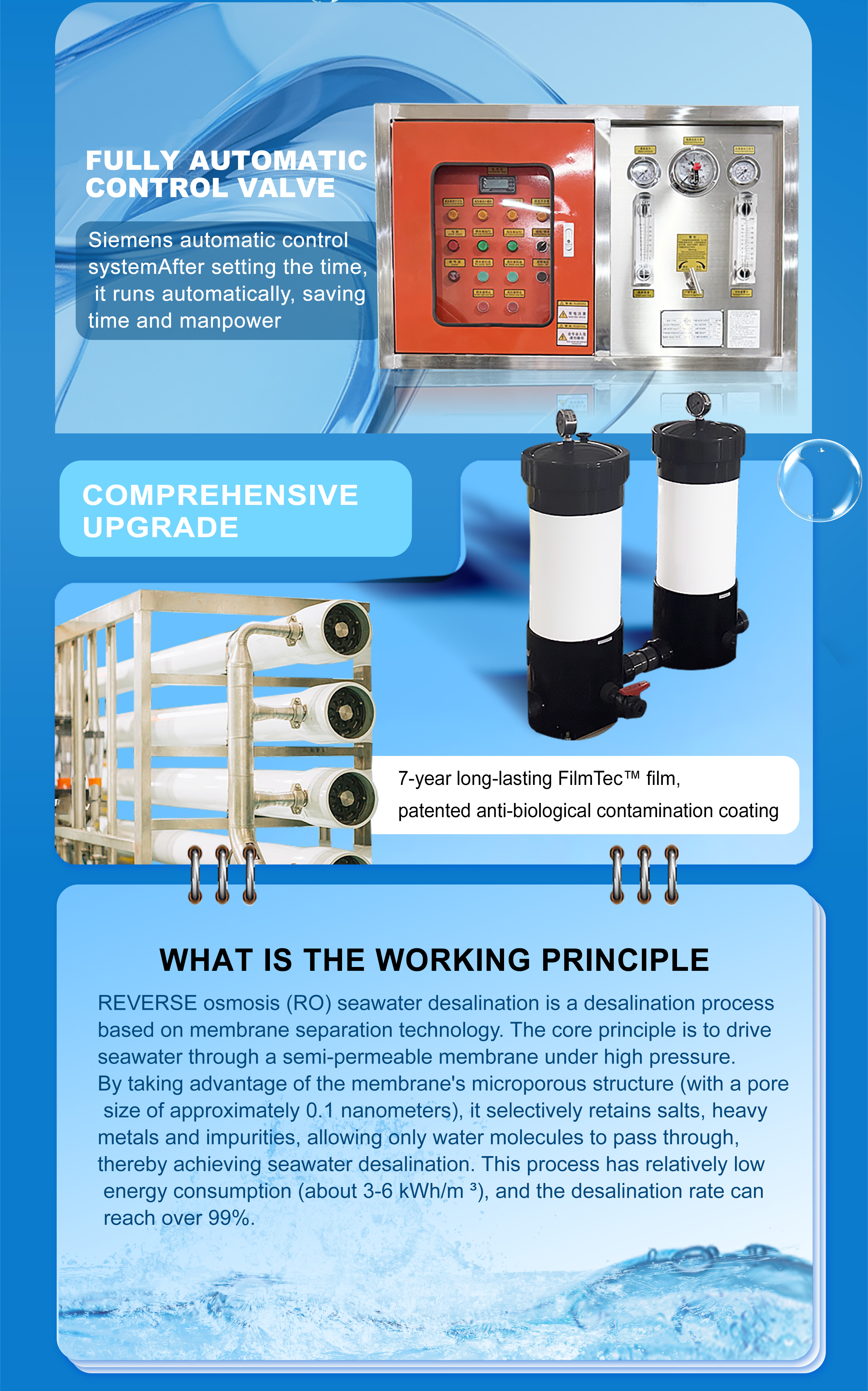
A seawater reverse osmosis system (SWRO system) is a water treatment process that uses reverse osmosis technology to desalinate seawater, making it suitable for a wide range of applications, such as drinking water supply, irrigation, and industrial processes. The working principle of reverse osmosis is to apply pressure to force water through a semipermeable membrane, thereby removing dissolved salts, minerals, and other impurities from the water.
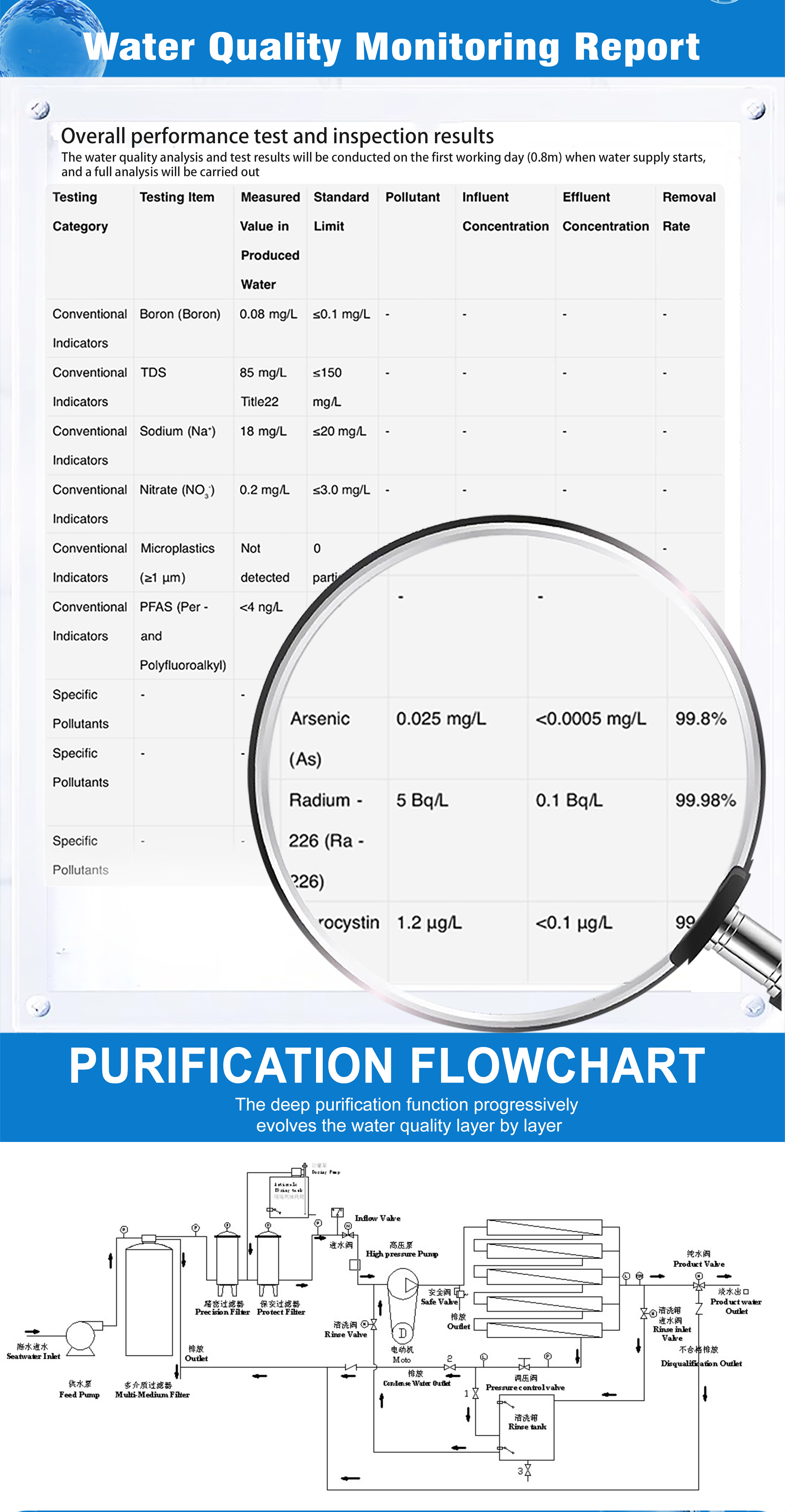
For an SWRO system, the process consists of several key components:
Feed Water Intake
Raw seawater is drawn from the ocean. Large debris, such as seaweed and marine organisms, is first removed through screening.
Pretreatment
The seawater then undergoes pretreatment to remove suspended solids, particles, and coarse contaminants. Without this step, these substances may cause membrane fouling or damage to the reverse osmosis membranes. Common seawater pretreatment processes include sedimentation, filtration, and disinfection.
High-Pressure Pump
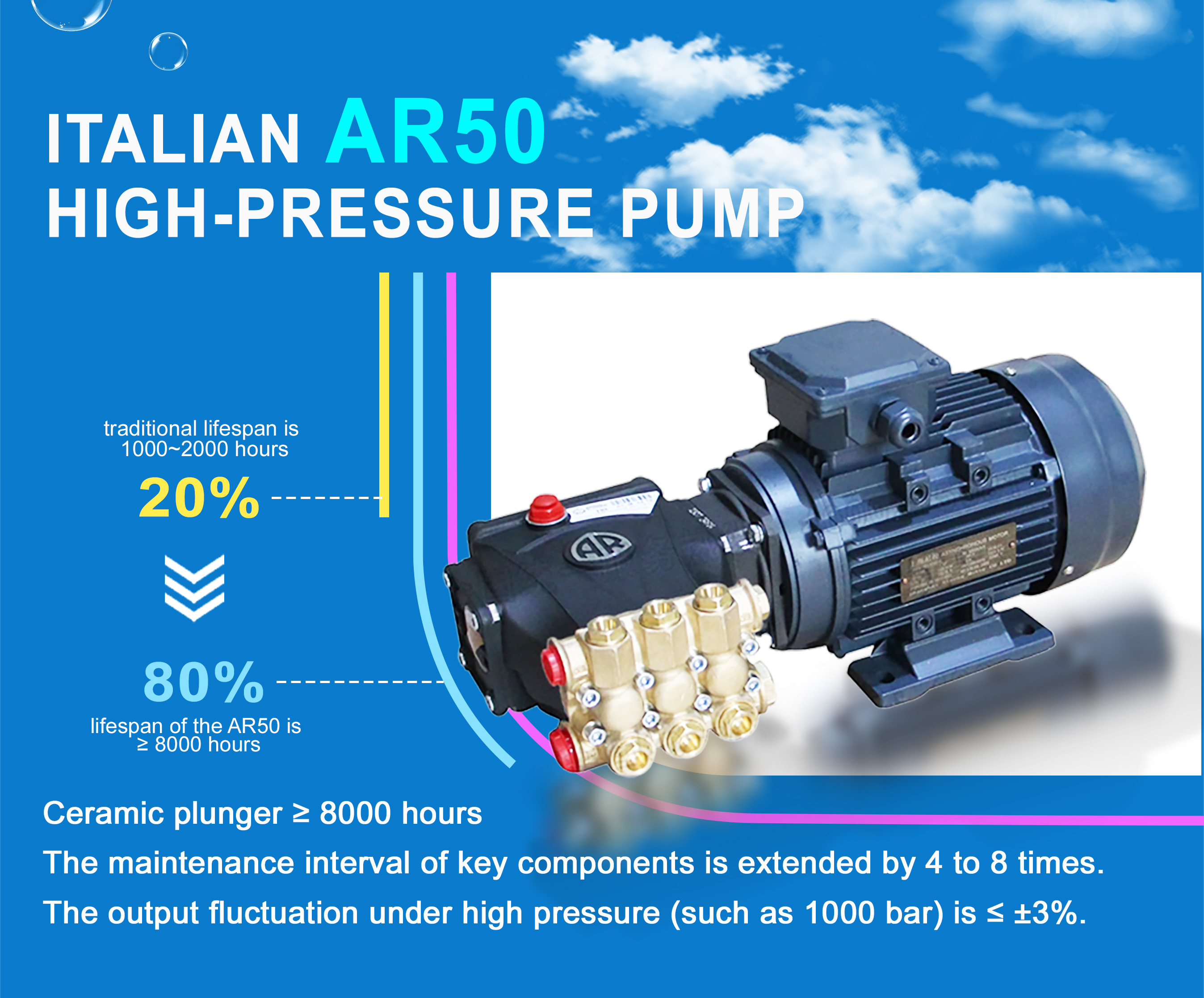
After pretreatment, the seawater is pressurized by a high-pressure pump. This additional pressure overcomes the osmotic pressure and drives the seawater through the reverse osmosis membranes.
Reverse Osmosis Membrane
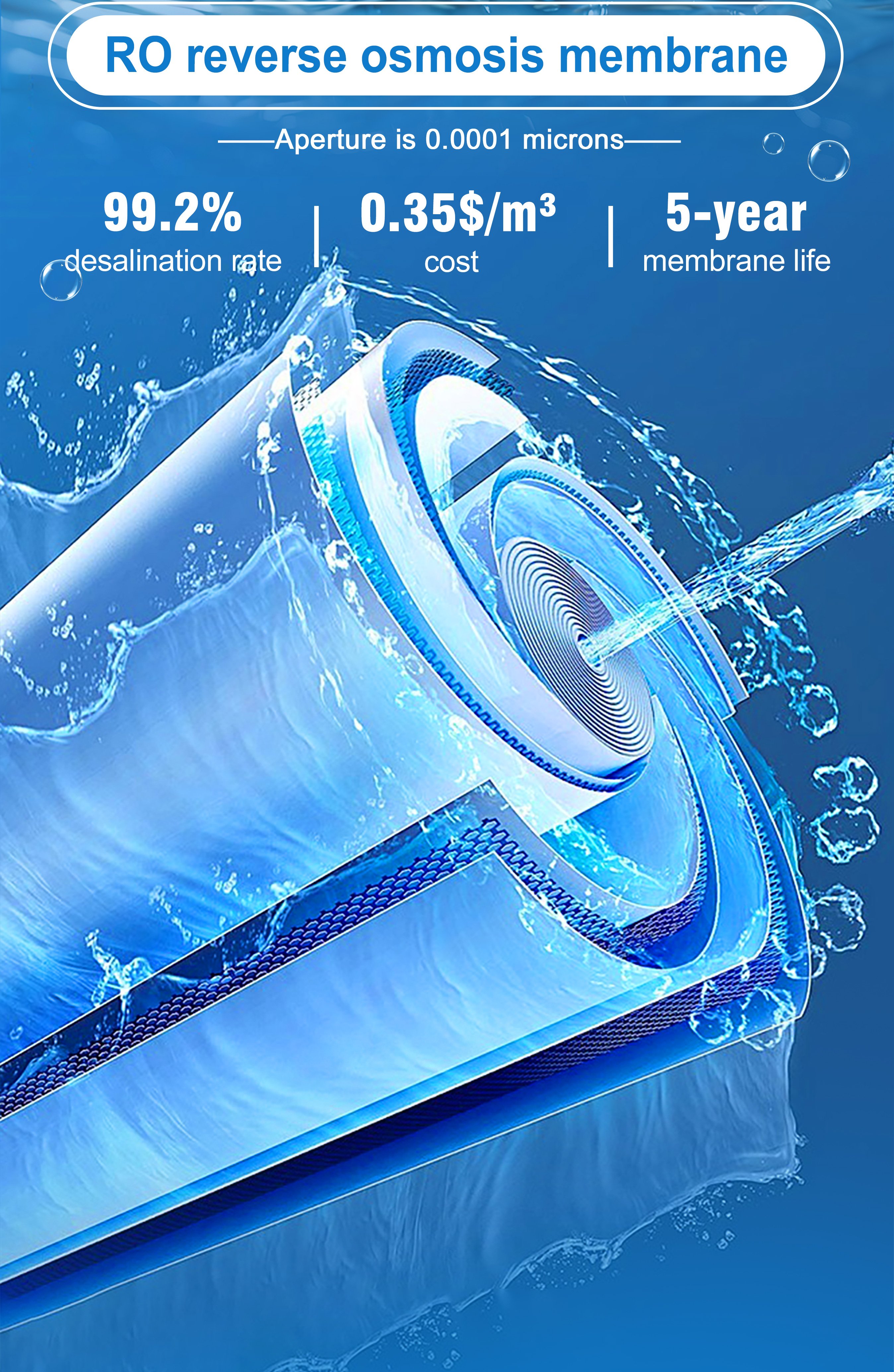
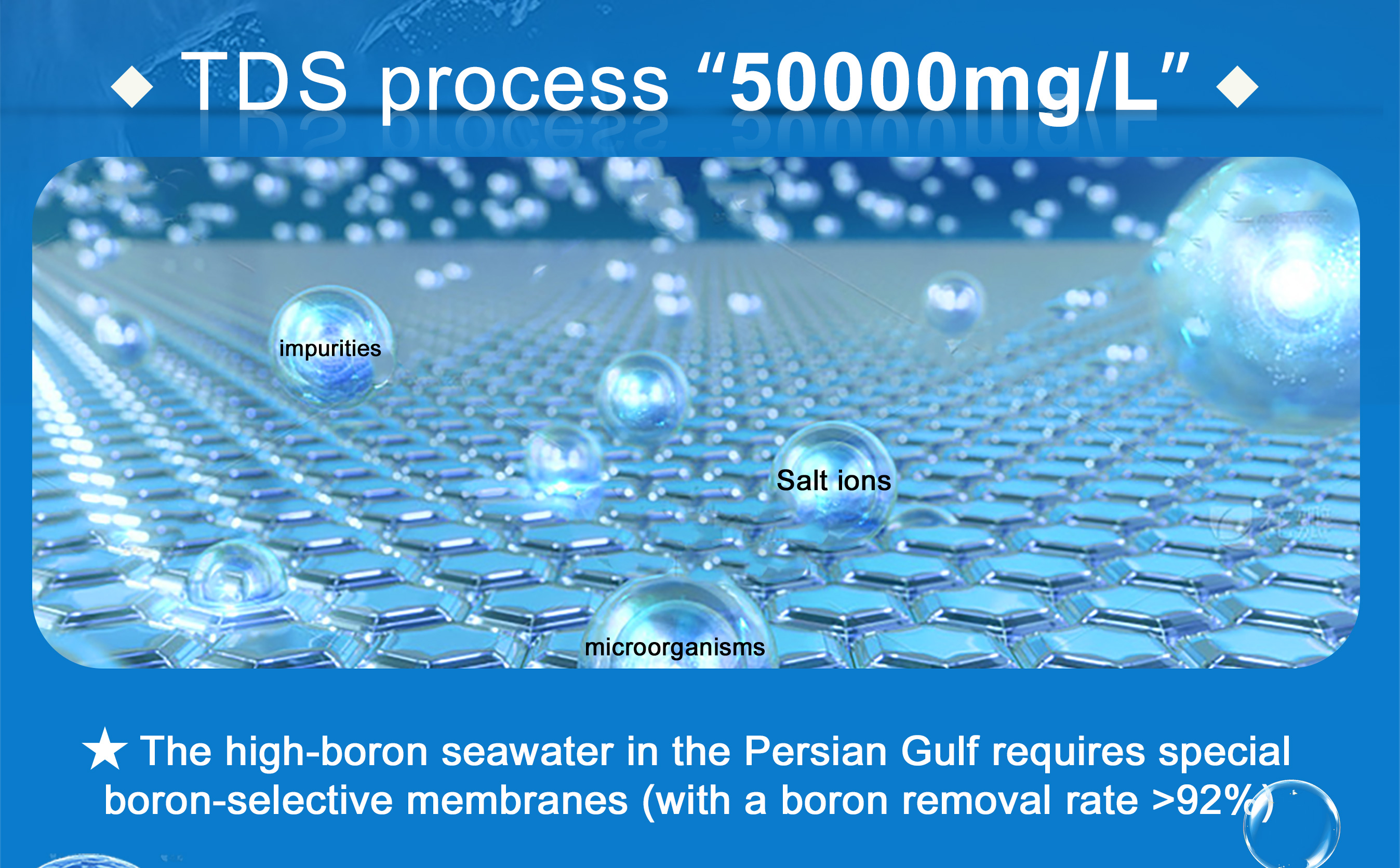
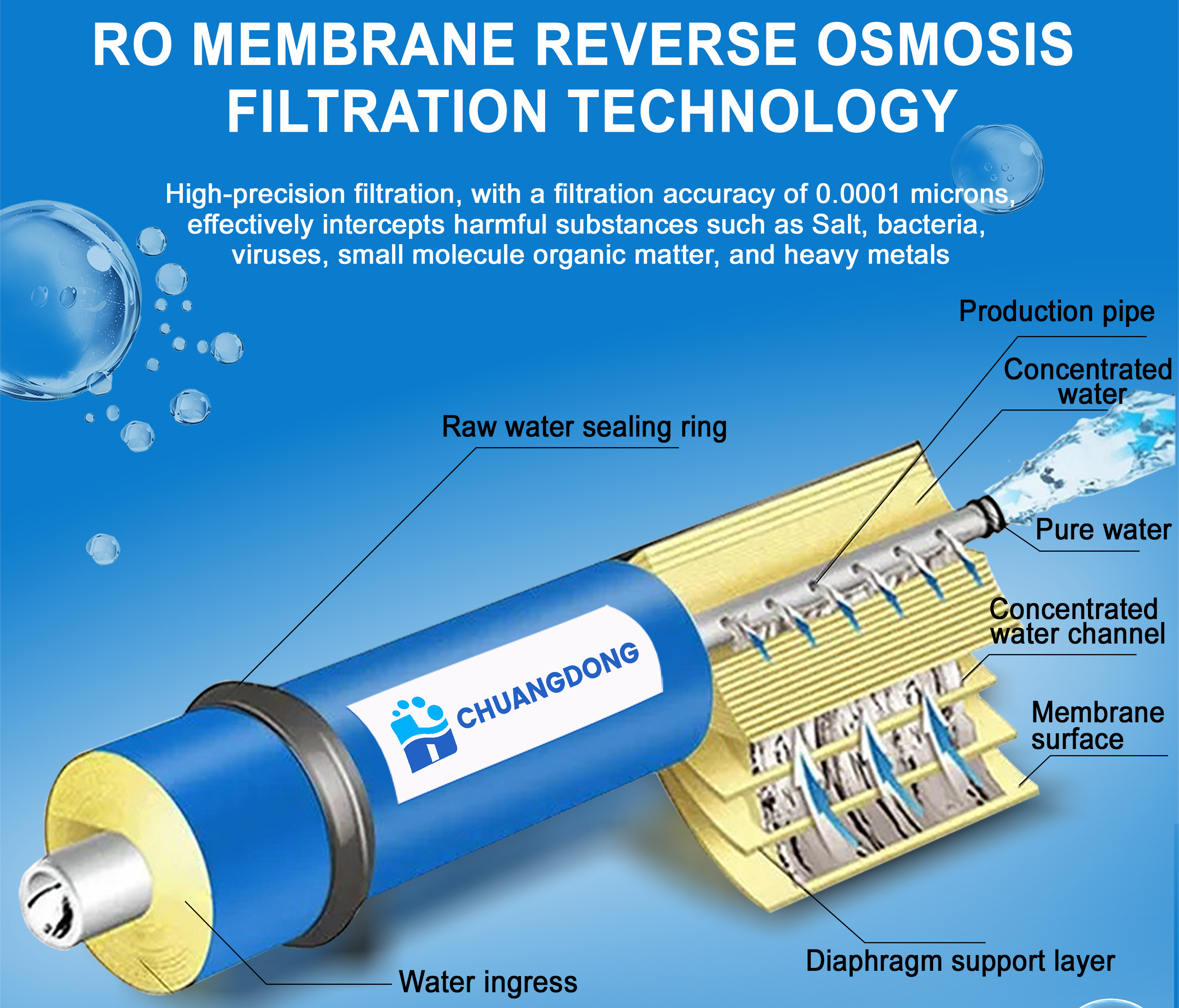
The reverse osmosis membrane is the core component of a seawater reverse osmosis (SWRO) system. It allows water molecules to pass through while retaining most of the dissolved salts, minerals, and other impurities in seawater. As a result, freshwater is separated from the concentrated brine.
Post-Treatment
The freshwater produced through reverse osmosis requires further treatment. At this stage, the pH level is adjusted, minerals may be added, and disinfection is carried out when necessary. These post-treatment processes ensure that the final water quality meets the required standards and is suitable for drinking or other specific applications.
Brine Disposal
The concentrated brine, which contains the removed salts and impurities, is typically properly diluted before being discharged back into the ocean or an approved receiving water body to minimize potential adverse impacts on marine ecosystems.
Seawater reverse osmosis systems are widely deployed in coastal areas and regions where freshwater resources are limited. With abundant seawater resources available, seawater reverse osmosis technology provides an efficient and energy-saving seawater desalination method for producing freshwater for a wide range of applications.
Does Reverse Osmosis Remove Salt From Seawater?
Yes. A semipermeable reverse osmosis membrane is highly effective at removing dissolved salts from seawater. A seawater reverse osmosis system works by applying high pressure to force seawater through the membrane. Water molecules can pass through the membrane, while concentrated salts, minerals, and other contaminants are retained and separated from the treated water.
The concentrated impurities are then discharged as brine or managed through an appropriate recovery and disposal process. By effectively separating dissolved salts and other unwanted substances from seawater, seawater reverse osmosis (SWRO) is one of the most widely used and effective technologies for seawater desalination.
What Does Reverse Osmosis Desalination Mean?
Reverse osmosis desalination refers to the use of reverse osmosis (RO) technology to remove dissolved salts, minerals, and other impurities from seawater or brackish water, making the treated water suitable for a variety of freshwater applications. It is therefore a widely used seawater and brackish water desalination method for producing clean and usable freshwater.
During the desalination process, high pressure is applied to the feed water to force it through a reverse osmosis membrane. The membrane allows water molecules to pass through while retaining most of the dissolved salts and contaminants. This process separates the purified freshwater from the concentrated brine solution. The treated freshwater can then be collected and used for applications such as drinking water supply, irrigation, and industrial processes.
Reverse osmosis desalination provides an efficient and reliable way to produce freshwater from saline water sources. As a result, seawater reverse osmosis (SWRO) systems offer a practical and sustainable water treatment solution for regions facing freshwater shortages or relying heavily on seawater as a primary water source.
What Are the Advantages of a Seawater Reverse Osmosis System?
Seawater reverse osmosis (SWRO) systems have become an important solution for producing freshwater in areas where conventional freshwater resources are limited. By using reverse osmosis technology to remove dissolved salts, minerals, and other contaminants from seawater, SWRO systems can provide a reliable source of freshwater for municipal, industrial, agricultural, and other applications.
The key advantages of a seawater reverse osmosis system include:
1. Reliable and Abundant Water Source
Seawater is one of the most abundant water resources on Earth. Unlike freshwater sources that may be affected by drought, seasonal changes, or increasing demand, seawater is widely available in coastal regions. Seawater desalination through SWRO technology therefore provides a dependable alternative source of freshwater.
2. High-Quality Freshwater Production
A major advantage of seawater reverse osmosis is its ability to effectively remove dissolved salts, minerals, suspended particles, and many other contaminants. The reverse osmosis membrane acts as a selective barrier, allowing water molecules to pass through while retaining most dissolved solids. The resulting permeate can be further treated to meet drinking water standards or the specific quality requirements of industrial and agricultural applications.
3. Flexible Capacity and System Design
SWRO systems can be designed for different water treatment capacities and project requirements. From relatively compact desalination units to large-scale municipal and industrial seawater desalination plants, the system capacity can be configured according to the required freshwater output. This flexibility makes seawater reverse osmosis suitable for drinking water supply, irrigation, industrial processes, resorts, remote communities, and other applications.
4. Improved Energy Efficiency
Although seawater desalination requires high-pressure operation, modern SWRO systems have become significantly more energy efficient. High-efficiency high-pressure pumps and energy recovery devices, such as pressure exchangers and energy recovery turbines, can recover energy from the high-pressure brine stream and reuse it within the desalination process. These technologies help reduce overall energy consumption and improve the operating efficiency of the system.
5. Reduced Dependence on Freshwater Sources
For regions facing water shortages, seawater reverse osmosis provides an opportunity to diversify their water supply. By converting seawater into usable freshwater, SWRO systems can reduce dependence on rivers, lakes, reservoirs, and groundwater. This can strengthen long-term water security, particularly in coastal areas where freshwater resources are under increasing pressure.
6. Wide Range of Applications
Freshwater produced by a seawater reverse osmosis system can be used for many different purposes. Depending on the required water quality and post-treatment process, desalinated water can support municipal drinking water supplies, agricultural irrigation, industrial production, commercial facilities, and other water-intensive applications. This versatility allows SWRO technology to support different water demands across multiple sectors.
7. Lower Impact on Conventional Freshwater Resources
Seawater desalination provides an alternative to developing increasingly limited freshwater sources. Compared with solutions that rely heavily on large reservoirs, extensive water diversion, or intensive groundwater extraction, SWRO systems can be installed in suitable coastal locations and use seawater as their primary feed water source. Proper system design and responsible brine management are important for minimizing environmental impacts.
8. Increasing Cost Competitiveness
Advances in membrane technology, pump efficiency, energy recovery, automation, and system design have continued to improve the overall performance of seawater reverse osmosis systems. These developments can help reduce energy consumption and operating costs, making SWRO desalination increasingly competitive in regions where conventional freshwater sources are scarce, unreliable, or expensive to develop.
A Practical Solution for Long-Term Water Supply
With access to an abundant seawater source, high-quality freshwater production, flexible system configurations, and increasingly efficient operation, seawater reverse osmosis offers a practical solution for addressing freshwater shortages. For coastal communities, industrial facilities, agricultural projects, and regions with limited conventional water resources, an SWRO system can provide a reliable and scalable approach to long-term freshwater production.
chuangdong Seawater Reverse Osmosis Systems
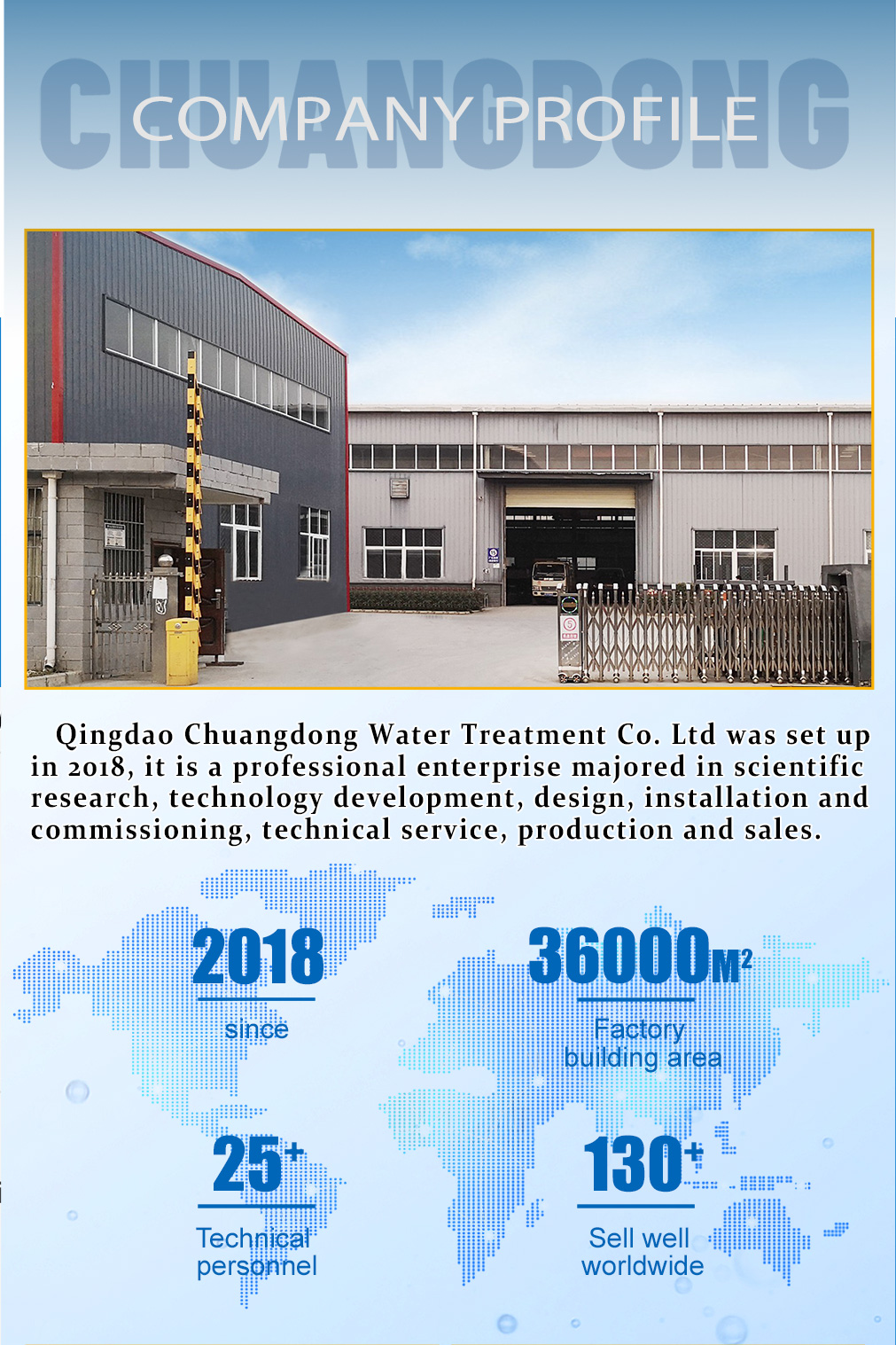
Drawing on project experience gained through customer projects, Chuangdong adopts advanced energy recovery equipment and optimization strategies to minimize energy consumption. By efficiently converting high-quality seawater into freshwater while reducing energy requirements, Chuangdong remains committed to customer satisfaction and provides customized solutions tailored to specific water requirements, whether for small-scale residential applications or large-scale industrial projects. These systems feature robust structural designs to ensure durability and reliable performance even in harsh marine environments.
With extensive experience in seawater reverse osmosis systems, Chuangdong provides communities, industries, and municipalities with a reliable and sustainable source of freshwater.
For more information about our seawater reverse osmosis systems, simply fill out the form below. Our experienced technical sales team will review your requirements and get in touch with you within 24 hours.