 EN


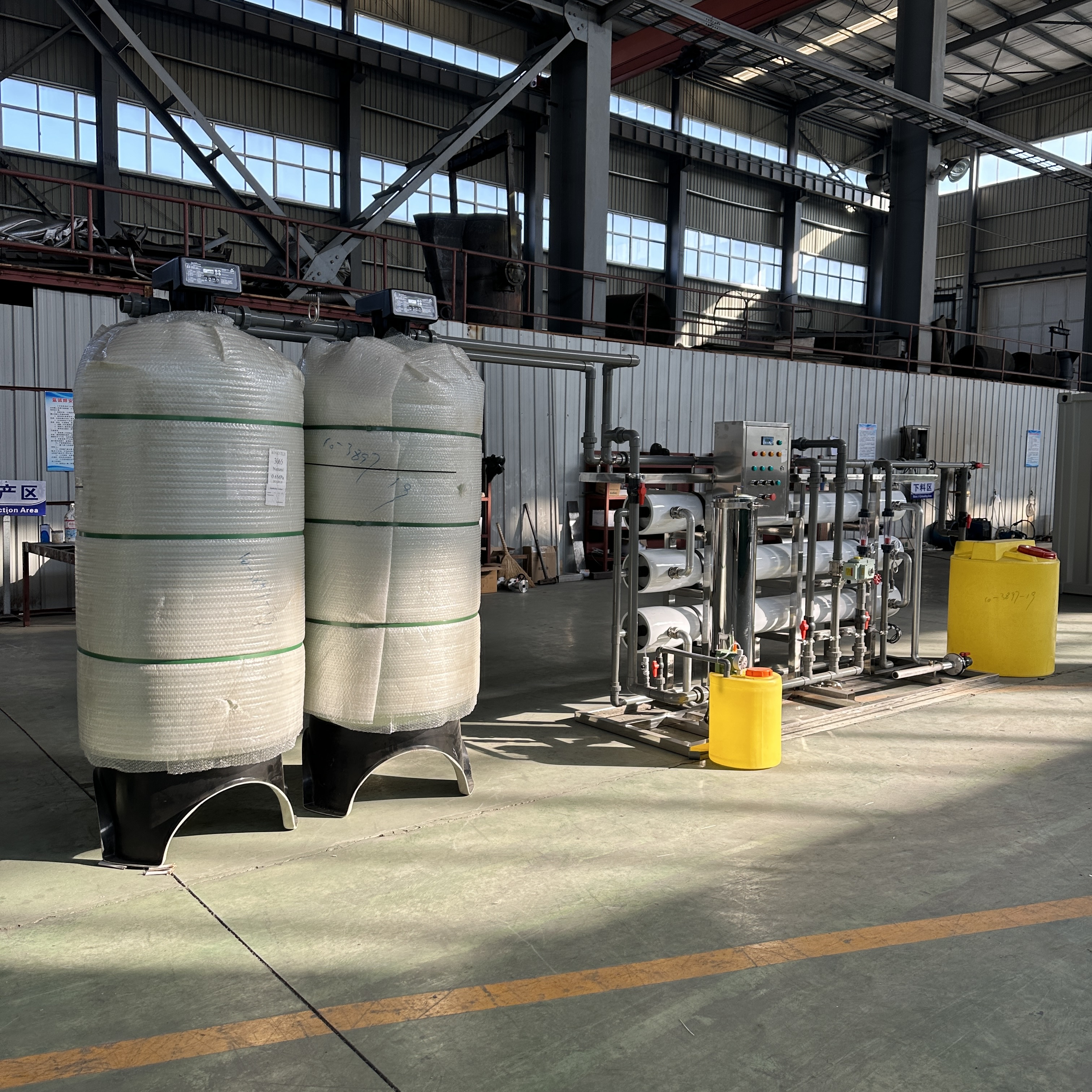
Regular RO water system cleaning is not just a maintenance task—it is a critical operational requirement that directly impacts water quality, system efficiency, and equipment lifespan. As water passes through your RO water system, mineral deposits, sediment, and biological growth accumulate on membranes and internal components, gradually degrading performance and potentially compromising the purity of treated water. Understanding why RO water system cleaning matters helps facility managers and homeowners protect their investment and ensure consistent access to clean, safe drinking water.
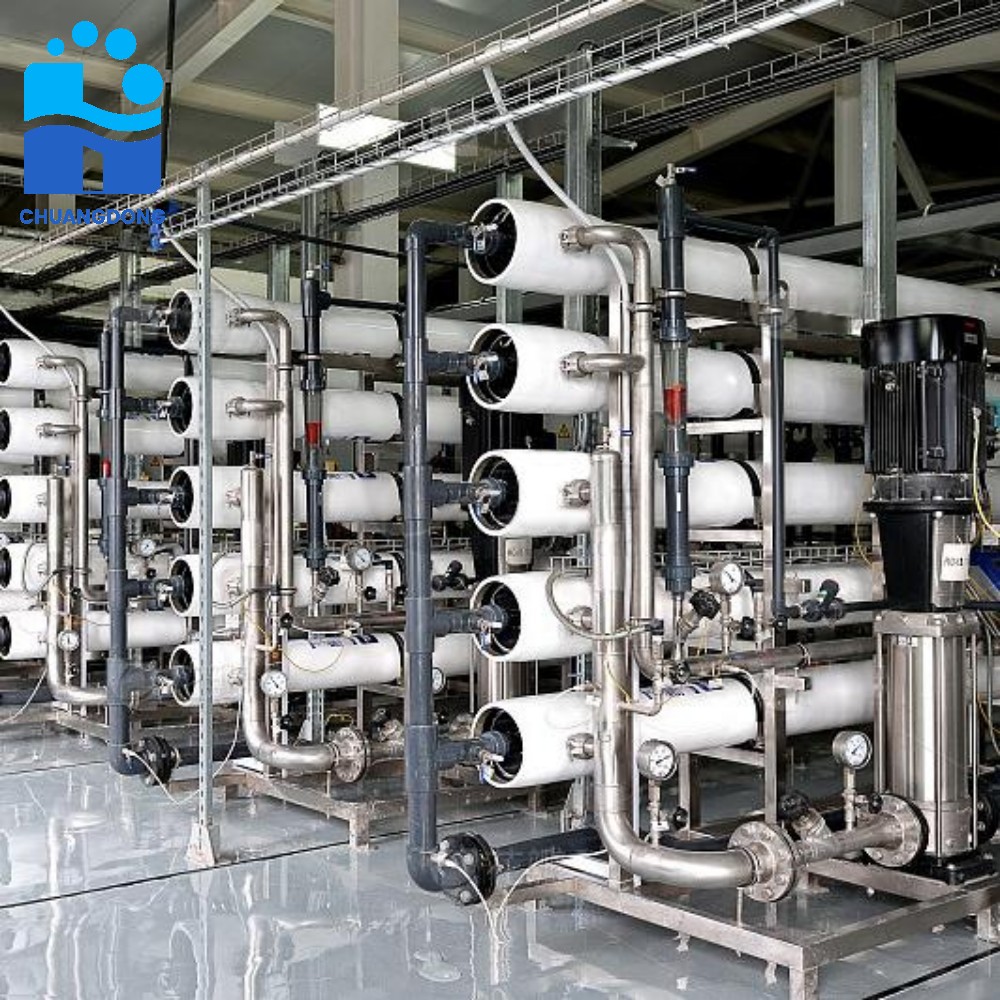
Without proper maintenance routines, RO water system cleaning becomes urgent rather than preventive, leading to costly repairs, reduced water output, and potential health risks from contaminated water. This article explores the scientific and practical reasons why RO water system cleaning is indispensable, the consequences of neglecting it, and how to implement an effective cleaning schedule that maximizes system performance and durability.
How Contaminants Accumulate in RO Systems
Understanding Membrane Fouling and Scaling
The core challenge facing any RO water system cleaning program is membrane fouling, a process where unwanted substances adhere to the reverse osmosis membrane surface. Mineral scaling occurs when hard water minerals like calcium and magnesium exceed solubility limits and crystallize on the membrane, reducing its permeability and forcing the system to work harder to achieve the same output. RO water system cleaning becomes necessary because these deposits cannot be flushed away through normal operation alone; they require targeted chemical or mechanical intervention to remove effectively.
Beyond minerals, RO water system cleaning must address organic biofouling, where bacteria and algae colonize membrane surfaces and create biofilm layers. This biological growth thrives in the warm, nutrient-rich environment of the feed water tank and pre-filter stages, spreading toward the membrane itself. When left unchecked, biofouling accelerates the decline of membrane function and dramatically shortens the service life of the RO water system, making regular cleaning not just beneficial but necessary for system survival.
Feed Water Contamination Sources
RO water system cleaning demands must account for the quality of incoming water. Municipal and groundwater sources often contain sediment, chlorine, iron, and other particles that accumulate in pre-filters and eventually migrate toward the RO membrane. When pre-filters become saturated with debris, the burden falls directly on the RO water system cleaning process, as pressure increases and contaminants bypass the protective barrier designed to shield the membrane. Understanding these sources helps explain why RO water system cleaning frequency varies by location and water source quality.
Performance Degradation Without Regular Maintenance
Pressure Increase and Energy Inefficiency
One of the first signs that RO water system cleaning is overdue is a rise in operating pressure. As contaminants coat the membrane, hydraulic resistance increases, forcing the pump to apply higher pressure to push water through at the desired flow rate. This pressure spike wastes electrical energy, increasing operational costs and accelerating wear on pump components. When owners delay RO water system cleaning, they inadvertently accept higher utility bills and reduced equipment lifespan—a costly oversight that regular maintenance prevents entirely.
The efficiency penalty of skipping RO water system cleaning compounds over time. A system running 10–15% over its optimal pressure threshold will consume significantly more electricity than a properly maintained unit, offsetting the perceived savings from skipping cleaning cycles. Most facility managers discover that implementing consistent RO water system cleaning schedules actually reduces total operational costs by eliminating energy waste and preventing emergency repairs.
Water Quality Deterioration
When RO water system cleaning is neglected, the quality of treated water inevitably declines. Contaminated membranes allow more dissolved solids, bacteria, and particles to pass through to the storage tank, compromising the purity that customers or end-users expect. In commercial applications, this quality degradation can trigger customer complaints, regulatory violations, or product quality issues. Regular RO water system cleaning maintains consistent rejection rates and ensures that water meets or exceeds specified quality standards.
RO water system cleaning also prevents bacterial regrowth in treated water storage. When membranes are clean and system integrity is maintained, biofilm colonies cannot establish themselves in the product water tank, preserving microbial purity between treatment cycles. This preventive aspect of RO water system cleaning is especially critical in applications where treated water is stored for extended periods or distributed across multiple endpoints.
Membrane Lifespan and System Longevity
Extending RO Membrane Service Life
RO membranes represent one of the largest capital expenses in a water treatment system, with replacement costs ranging from hundreds to thousands of dollars depending on system size and membrane type. Regular RO water system cleaning directly extends membrane lifespan by preventing irreversible damage from accumulated deposits and biological growth. Facilities that implement consistent RO water system cleaning schedules typically achieve membrane lifespans of 3–5 years or longer, while those that neglect maintenance often see membrane failure within 18–24 months.
The relationship between RO water system cleaning frequency and membrane durability is well-established in water treatment literature. Every month of operation without RO water system cleaning accelerates the degradation of membrane surface chemistry and mechanical properties. Operators who prioritize RO water system cleaning as a routine task rather than a response to problems maximize their return on membrane investment and reduce long-term system ownership costs.
Preventing Component Damage and System Shutdowns
Beyond the membrane itself, neglecting RO water system cleaning creates cascading failures throughout the system. Scale deposits clog post-filter cartridges, restrict flow through check valves, and accumulate in storage tank sediment zones. RO water system cleaning must include these peripheral components to prevent premature failure and unexpected shutdowns. Unplanned downtime in commercial or industrial settings results in lost production, emergency service calls, and temporary reliance on alternative water sources—expenses that routine RO water system cleaning easily justifies.
Preventive maintenance centered on RO water system cleaning is far more cost-effective than reactive repairs. A single emergency membrane replacement, combined with emergency service charges and lost operational time, often exceeds the total cost of an entire year's worth of planned RO water system cleaning. This financial logic drives facility managers to adopt structured cleaning schedules as standard operational practice.
FAQ
How often should I perform RO water system cleaning?
RO water system cleaning frequency depends on feed water quality, system size, and usage patterns. Most manufacturers recommend monthly to quarterly RO water system cleaning for residential systems, while commercial installations may require weekly or even daily RO water system cleaning cycles. High-sediment or hard-water sources necessitate more frequent RO water system cleaning to maintain performance. Monitor system pressure trends and water quality to guide your specific RO water system cleaning schedule.
What signs indicate that RO water system cleaning is needed?
Rising system pressure, reduced water flow, declining permeate quality, and visible discoloration in treated water are all indicators that RO water system cleaning should be performed. Some systems incorporate pressure sensors or flow meters that alert operators when RO water system cleaning thresholds are reached. If you notice any of these warning signs, schedule RO water system cleaning immediately to prevent further degradation and protect downstream components.
Can I perform RO water system cleaning myself?
Simple pre-filter cartridge replacement is often a do-it-yourself task, but chemical membrane cleaning and advanced RO water system cleaning procedures require technical expertise and specialized equipment. Improper RO water system cleaning techniques can damage membranes, void warranties, or fail to remove contaminants effectively. For significant RO water system cleaning beyond basic filter changes, consulting a qualified water treatment professional ensures the job is done correctly and safely.