 EN



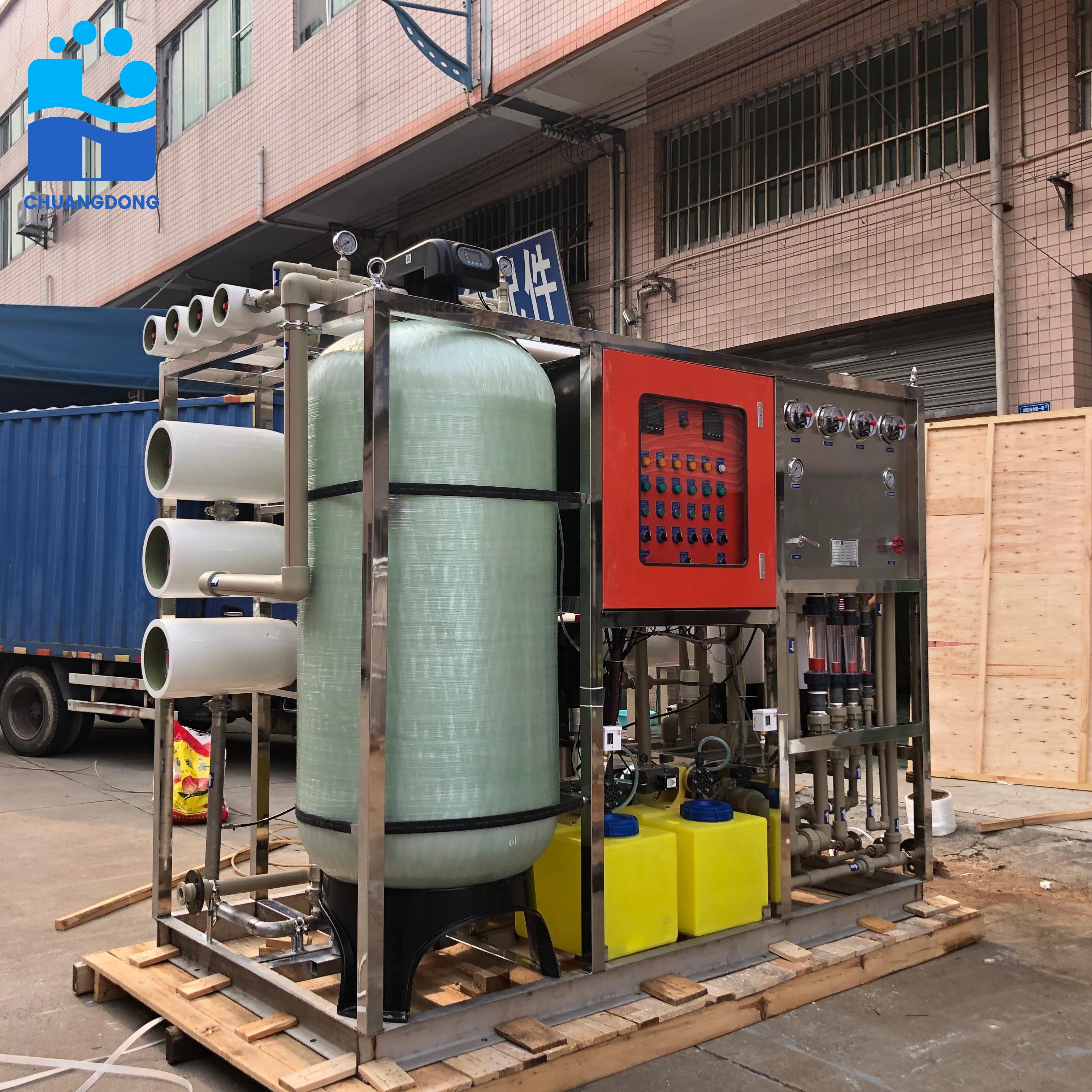
Water desalination has become essential for coastal factories facing freshwater scarcity and rising operational costs. Instead of relying on municipal supplies or expensive imported water, industrial facilities can harness seawater desalination technology to produce reliable, on-site freshwater. Understanding how water desalination works enables factory managers to optimize production, reduce environmental impact, and maintain operational continuity in water-stressed regions. This comprehensive guide explains the mechanisms, technologies, and implementation strategies behind water desalination systems designed specifically for coastal industrial environments.
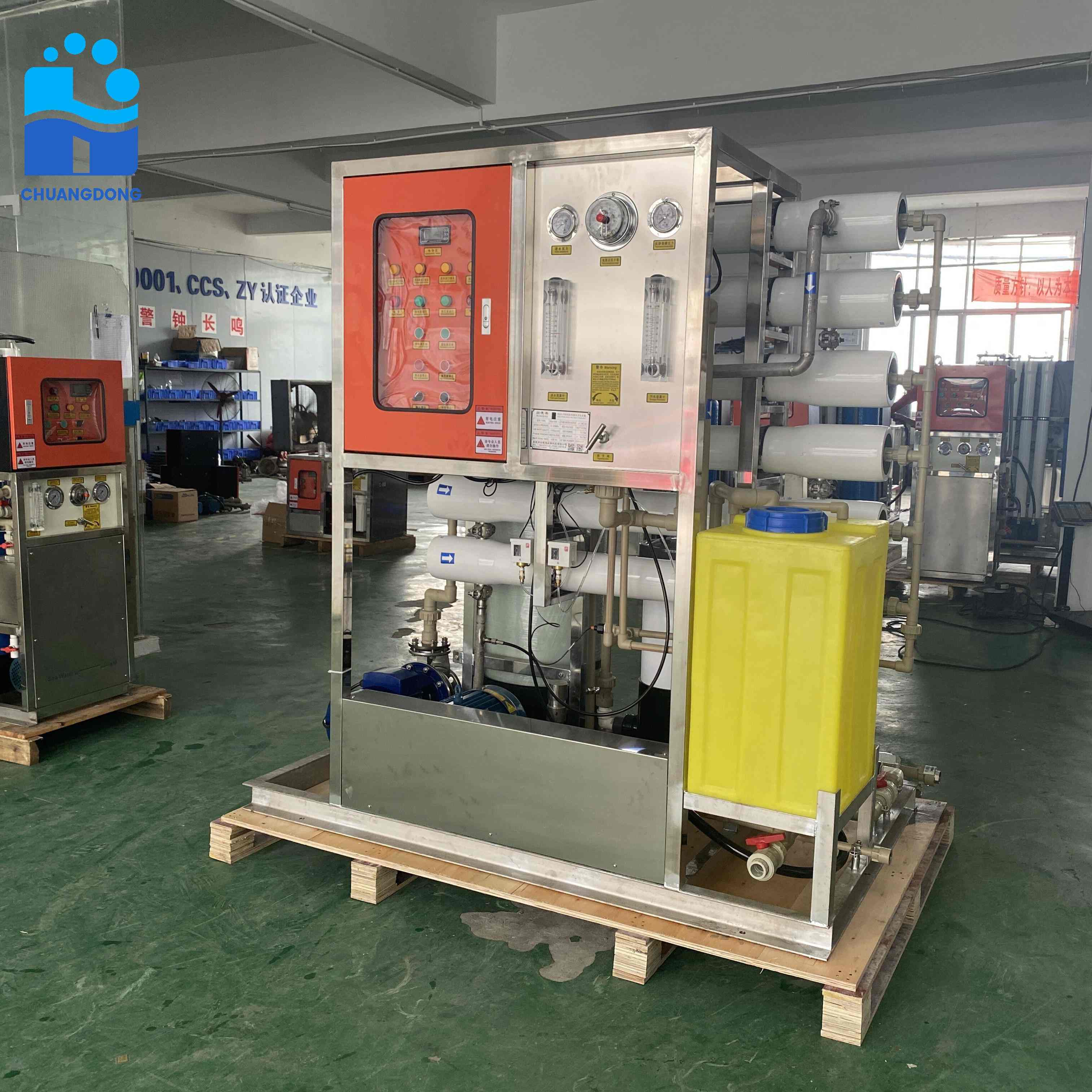
Coastal factories operate under unique constraints. They have direct access to seawater but must convert it into usable industrial water through water desalination technology. The process transforms high-salinity seawater into fresh, potable, or process water suitable for manufacturing, cooling, and other industrial applications. Modern water desalination systems combine multiple treatment stages, advanced membrane technology, and energy-efficient designs to deliver consistent results while managing operational expenses and environmental compliance requirements.
The Core Water Desalination Process and Key Technologies
Reverse Osmosis and Membrane Filtration in Water Desalination
Water desalination primarily relies on reverse osmosis technology, which forces seawater through semi-permeable membranes under high pressure. This water desalination method removes dissolved salts, minerals, and contaminants by separating pure water molecules from salt ions. The membrane acts as a selective barrier, allowing water to pass while blocking salt particles. Reverse osmosis represents the most cost-effective and widely deployed water desalination technology for large-scale coastal industrial applications because it combines reliability with energy efficiency compared to older thermal distillation methods.
The effectiveness of water desalination through reverse osmosis depends on membrane quality, pressure settings, and feed water pre-treatment. Factory operators must maintain precise pressure ratios to optimize water desalination output while minimizing membrane fouling and energy consumption. Modern water desalination systems incorporate automatic pressure monitoring, temperature controls, and membrane protection strategies to extend equipment lifespan and reduce maintenance costs.
Pre-Treatment and Intake Systems for Water Desalination
Before seawater enters the water desalination membranes, it undergoes extensive pre-treatment to remove suspended solids, algae, bacteria, and other contaminants. Coastal factories typically employ intake screens, settling basins, and multi-stage filtration systems as the foundation of their water desalination infrastructure. This pre-treatment phase prevents membrane damage and reduces the frequency of water desalination system cleaning cycles. Intake systems must be designed to minimize environmental impact by using fish-friendly screens and proper discharge protocols that comply with local coastal regulations.
Sand filtration, cartridge filters, and sometimes activated carbon stages work together in water desalination facilities to achieve the required water quality before the reverse osmosis stage. Each water desalination pre-treatment component removes specific contaminant types, ensuring that only adequately prepared seawater reaches the expensive reverse osmosis membranes. This layered approach to water desalination protects capital equipment and maintains consistent product water quality throughout seasonal variations and operational fluctuations.
Energy, Recovery, and Operational Management in Water Desalination Systems
Energy Efficiency and Power Requirements for Water Desalination
Water desalination is energy-intensive because reverse osmosis requires sustained high pressure to force seawater through membranes. Coastal factories typically consume between 3 and 8 kilowatt-hours of electricity per cubic meter of water desalination output, depending on feed water salinity, membrane efficiency, and system configuration. Modern water desalination installations increasingly incorporate energy recovery devices that capture pressure from brine discharge streams, reducing overall electrical demand. Solar-powered or hybrid water desalination systems have gained adoption in regions with abundant renewable energy resources, further improving the economics and sustainability profile of industrial water desalination operations.
Factories planning water desalination investments must evaluate local electricity costs, available renewable energy infrastructure, and long-term power supply reliability. Variable energy costs directly impact the per-unit production cost of water desalination output, making energy optimization a critical operational priority. Some coastal facilities integrate water desalination capacity with combined heat and power systems or industrial waste heat recovery to offset energy costs and improve overall plant efficiency.
Brine Discharge and Environmental Considerations in Water Desalination
Water desalination produces two streams: fresh product water for factory use and concentrated brine containing removed salts and minerals. Managing brine discharge responsibly is a major environmental and regulatory concern for coastal water desalination operations. The water desalination brine stream typically has salinity 1.5 to 2 times higher than incoming seawater, requiring proper dilution, diffuser discharge, or alternative management strategies to avoid environmental damage to marine ecosystems. Regulatory compliance with water desalination discharge permits varies significantly by jurisdiction, making environmental assessment a prerequisite for system design.
Advanced water desalination facilities explore zero-liquid-discharge approaches, brine reuse for mineral recovery, or co-location with aquaculture operations to minimize environmental footprint. Some coastal factories employ spray irrigation or agricultural integration to utilize brine in controlled settings. Understanding local environmental regulations and community stakeholder concerns must shape water desalination project planning from the earliest stages to ensure long-term operational sustainability and social license to operate.
Implementation, Scaling, and Integration Strategies for Coastal Factory Water Desalination
Modular and Containerized Water Desalination Systems
Many coastal factories deploy modular water desalination systems housed in standard shipping containers, enabling rapid installation, easy relocation, and flexible capacity scaling. Containerized water desalination units combine intake systems, pre-treatment stages, reverse osmosis membranes, and post-treatment equipment in compact, transportable configurations. This approach to water desalination reduces installation timelines from months to weeks, minimizes on-site construction disruption, and allows factories to add capacity incrementally as production demands grow. Containerized water desalination technology has proven particularly valuable for industrial facilities in remote coastal locations where traditional infrastructure development faces practical or financial constraints.
Modular water desalination designs also support operational flexibility and maintenance planning. Factories can take individual units offline for membrane cleaning or replacement without interrupting total water production, ensuring consistent supply for continuous manufacturing processes. This redundancy built into distributed water desalination systems improves reliability compared to single large-capacity installations vulnerable to complete production loss during maintenance or equipment failure.
Integration with Factory Water Management and Quality Assurance in Water Desalination
Water desalination systems must integrate seamlessly with existing factory infrastructure, including cooling circuits, process water systems, and quality control laboratories. The water desalination output requires post-treatment customization to match specific manufacturing requirements, whether producing boiler feed water, electronics manufacturing ultrapure water, or general process water. Coastal factories must establish water desalination quality monitoring protocols, membrane replacement schedules, and operational procedures that align with their quality management systems and regulatory compliance frameworks.
Modern water desalination installations incorporate automated monitoring systems that track salinity levels, pressure differentials, membrane performance indicators, and system alerts in real-time. Factory operators receive immediate notification of potential water desalination system degradation, enabling proactive maintenance and preventing unexpected production disruptions. Integration of water desalination data with enterprise resource planning systems enables accurate water production cost allocation, supply forecasting, and strategic resource planning across the entire facility.
FAQ
What is the typical lifespan of reverse osmosis membranes in a water desalination system?
Reverse osmosis membranes in water desalination systems typically last between 3 to 7 years, depending on feed water quality, operational pressure, temperature, and maintenance practices. Excellent pre-treatment and regular chemical cleaning can extend water desalination membrane lifespan toward the upper range, while poor feed water quality or aggressive operating conditions accelerates degradation. Coastal factories should budget for routine membrane replacement as part of standard water desalination system maintenance and include replacement costs in their long-term operational planning.
How much seawater is required to produce one cubic meter of fresh water through desalination?
Water desalination systems typically require approximately 2 to 2.5 cubic meters of seawater to produce 1 cubic meter of fresh product water, with the remainder becoming concentrated brine. This recovery rate varies based on membrane configuration, salinity levels, and operational parameters. Coastal factories must account for this material ratio when sizing intake systems, assessing environmental discharge impacts, and calculating overall water desalination production economics.
Can water desalination systems operate effectively in regions with extreme seasonal salinity variations?
Yes, water desalination systems can adapt to salinity variations, but they require advanced monitoring and adaptive operational controls. Coastal regions experiencing seasonal freshwater inflows from rivers or seasonal ice melt see significant salinity fluctuations that affect water desalination membrane performance and brine discharge characteristics. Factories must design their water desalination systems with flexibility to adjust operating pressures, pre-treatment intensity, and recovery rates in response to feed water quality changes while maintaining consistent product water quality throughout the year.