 EN



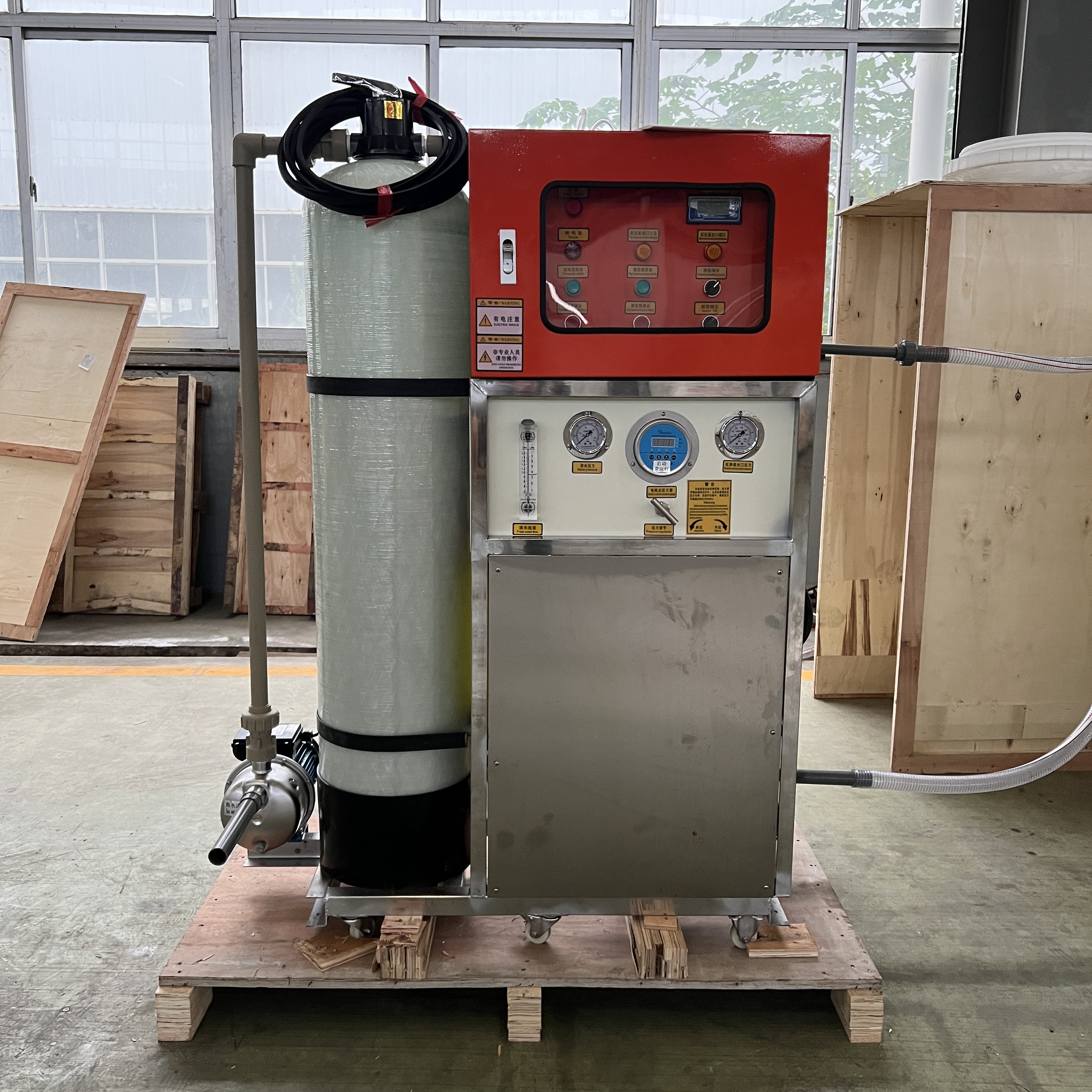
Industrial facilities face mounting pressure to reduce operational expenses while maintaining compliance and product quality. One of the most effective yet underutilized strategies is investing in an advanced water treatment system. A properly designed water treatment system does far more than purify water—it fundamentally transforms your cost structure by eliminating waste, reducing chemical consumption, minimizing maintenance requirements, and extending equipment lifespan. This article explores how a strategic water treatment system investment cuts costs across multiple operational dimensions.
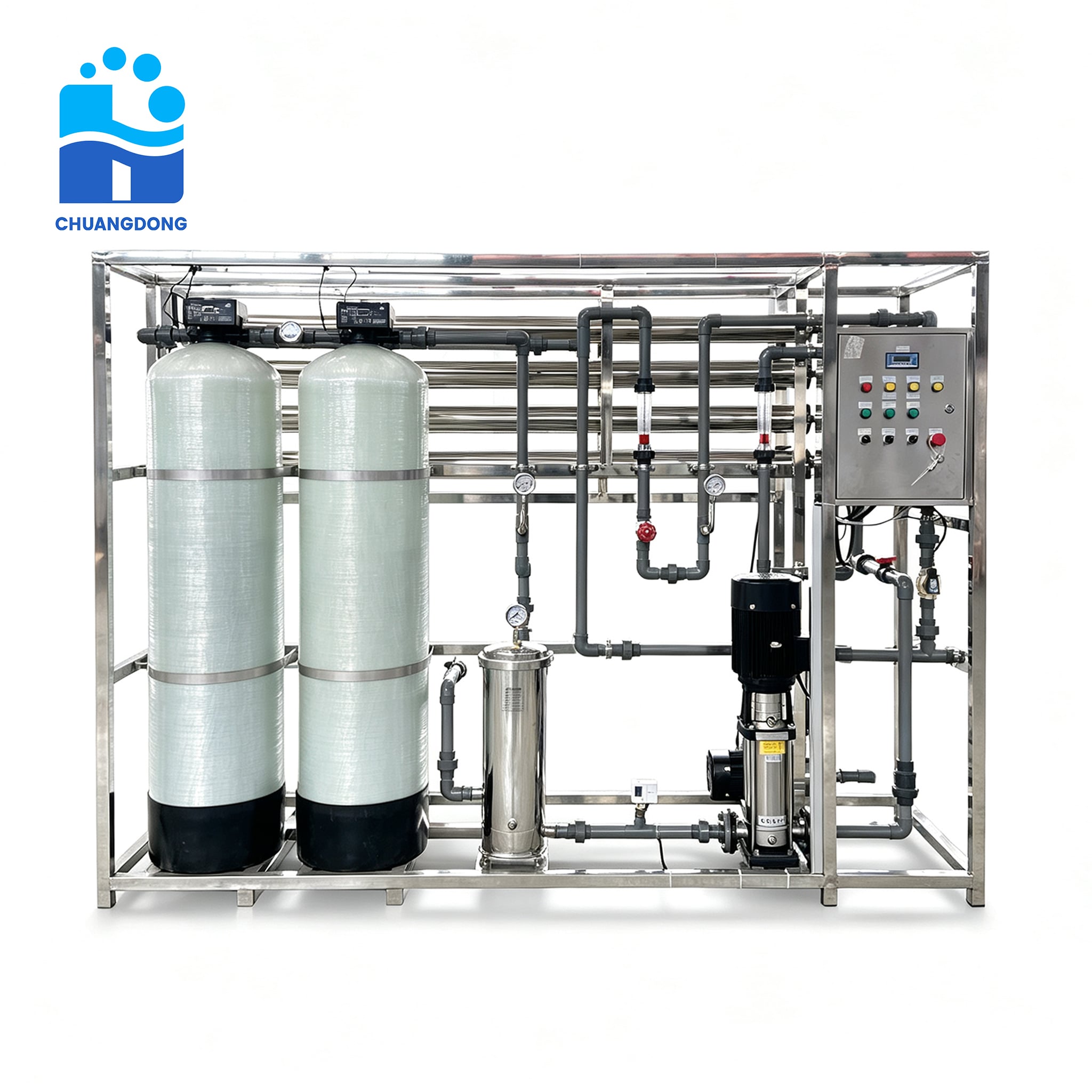
The financial case for a water treatment system extends beyond simple payback calculations. When you implement the right water treatment system for your facility's specific intake water quality, you immediately unlock savings in raw materials, energy consumption, and labor allocation. Understanding these cost mechanisms helps decision-makers evaluate whether a water treatment system represents a true investment or merely another capital expense.
Chemical Costs and Consumption Reduction
How Water Treatment Systems Eliminate Excessive Chemical Use
Most industrial processes rely on chemical treatments to manage water quality challenges. Without an effective water treatment system, facilities waste enormous quantities of expensive chemicals attempting to address problems at the point of use rather than at the source. A dedicated water treatment system removes suspended solids, dissolved minerals, and contaminants before they reach production equipment, dramatically reducing downstream chemical demand. This upstream approach is fundamentally more cost-effective than reactive chemical treatment.
Consider a manufacturing plant treating river water with high turbidity and mineral content. An advanced water treatment system featuring reverse osmosis and multi-stage filtration can reduce required coagulants by 60 to 80 percent. Since chemical costs often represent 15 to 25 percent of total water-related expenses, this reduction directly impacts the bottom line. The water treatment system pays for itself through chemical savings alone within 2 to 3 years for many industrial operations.
Optimizing Chemical Dosing Efficiency
A quality water treatment system stabilizes incoming water parameters, making chemical dosing far more predictable and controllable. This consistency eliminates overdosing, a common practice when facilities face variable water quality without a water treatment system in place. Operators resort to 'belt and suspenders' chemical dosing, adding excess to ensure minimum thresholds are met regardless of input conditions. When a water treatment system standardizes water quality, precise dosing becomes possible, reducing chemical waste by 30 to 40 percent beyond what raw material consumption reductions alone achieve.
Equipment Protection and Maintenance Cost Avoidance
Extending Asset Lifespan Through Pre-Treatment
Untreated or inadequately treated water causes scale buildup, corrosion, and sediment accumulation inside production equipment. A properly sized water treatment system eliminates these degradation mechanisms before they occur. Boiler systems, cooling towers, and heat exchangers protected by a water treatment system maintain peak efficiency throughout their design life rather than declining as mineral deposits accumulate. The difference is substantial: equipment protected by a water treatment system often operates at 90 to 95 percent efficiency after 5 years, while unprotected systems may deteriorate to 70 to 75 percent efficiency in the same timeframe.
This efficiency preservation directly translates to energy cost avoidance. A water treatment system that prevents scale formation saves approximately 3 to 8 percent annually in energy consumption for thermal systems. For a facility consuming 5 million gallons of treated water monthly, the energy savings from a water treatment system investment can exceed $50,000 annually depending on local utility rates and production scale.
Reducing Unplanned Downtime and Repair Costs
Scale, corrosion, and sediment accumulation cause equipment failures that halt production unexpectedly. A water treatment system eliminates the root causes of these failures. Facilities with properly installed water treatment system solutions report 40 to 60 percent reductions in unplanned equipment maintenance. Beyond direct repair costs, unplanned downtime creates hidden expenses: production delays, expedited shipping to compensate for missed deadlines, labor overtime to catch up, and potential quality issues from rushed processes.
The true cost of downtime often exceeds repair expenses by 3 to 5 times. For a manufacturing operation generating $100,000 in daily revenue, a single unplanned downtime event lasting 8 hours causes approximately $33,000 in direct revenue loss plus indirect costs. A water treatment system preventing such failures justifies itself through downtime avoidance alone within 12 to 24 months in most industrial settings.
Compliance, Waste Management, and Regulatory Expense
Meeting Discharge Standards Without Expensive Treatment
Regulatory bodies increasingly impose strict limits on water discharge quality and volumes. Without a water treatment system, facilities often pay premium disposal costs or invest in expensive end-of-pipe treatment infrastructure. An integrated water treatment system that removes contaminants upstream allows facilities to recycle treated water, reducing both discharge volumes and disposal costs. This water recycling capability transforms a water treatment system from a cost center into a resource recovery mechanism.
Many jurisdictions charge volumetric discharge fees or impose restrictions on permitted discharge concentrations. A water treatment system enabling water recirculation can reduce net water withdrawal by 30 to 50 percent while simultaneously improving discharge quality. This dual benefit means facilities avoid both volumetric charges and potential non-compliance penalties. The financial advantage of a water treatment system in high-rate jurisdictions can be extraordinarily significant, sometimes exceeding all other cost savings combined.
Avoiding Fines and Regulatory Non-Compliance Costs
Environmental violations carry substantial financial and reputational consequences. A water treatment system designed to your facility's specific regulatory requirements ensures consistent compliance without guesswork. Non-compliance fines for water quality violations can range from $10,000 to $50,000 per incident in many jurisdictions, with repeat violations triggering exponentially higher penalties and potential operational restrictions. A water treatment system is therefore not only an operational improvement but also essential risk management that protects against regulatory exposure.
Beyond monetary penalties, regulatory non-compliance can trigger mandatory operational audits, increased monitoring requirements, and loss of operational permits. The cost of remediating such situations—including consultant fees, monitoring equipment, and administrative overhead—often exceeds direct fines. A water treatment system providing consistent compliance documentation eliminates this regulatory risk entirely.
FAQ
What is the typical payback period for a water treatment system investment?
Most industrial water treatment system installations achieve payback within 18 to 36 months depending on current water quality, production volume, and local utility rates. Facilities in high water-cost regions or those with particularly challenging source water often see payback within 12 to 18 months. Some water treatment system implementations provide positive cash flow immediately through chemical and energy cost reductions.
How does a water treatment system impact water consumption volumes?
A water treatment system enables water recycling and recirculation, reducing gross water consumption by 30 to 50 percent in many applications. While a water treatment system does consume some energy and generates a small waste stream, the net water savings are substantial. For facilities operating in water-stressed regions, a water treatment system reducing consumption also provides strategic protection against potential future water restrictions or availability challenges.
Can a water treatment system reduce energy costs significantly?
Yes, a water treatment system prevents scale and efficiency losses that accumulate in thermal systems, maintaining equipment efficiency at peak levels. A properly functioning water treatment system typically preserves 3 to 8 percent annual energy efficiency in heat transfer equipment compared to untreated water scenarios. For large-scale operations, this water treatment system benefit alone can generate energy savings exceeding $50,000 annually.