industrial water filter system
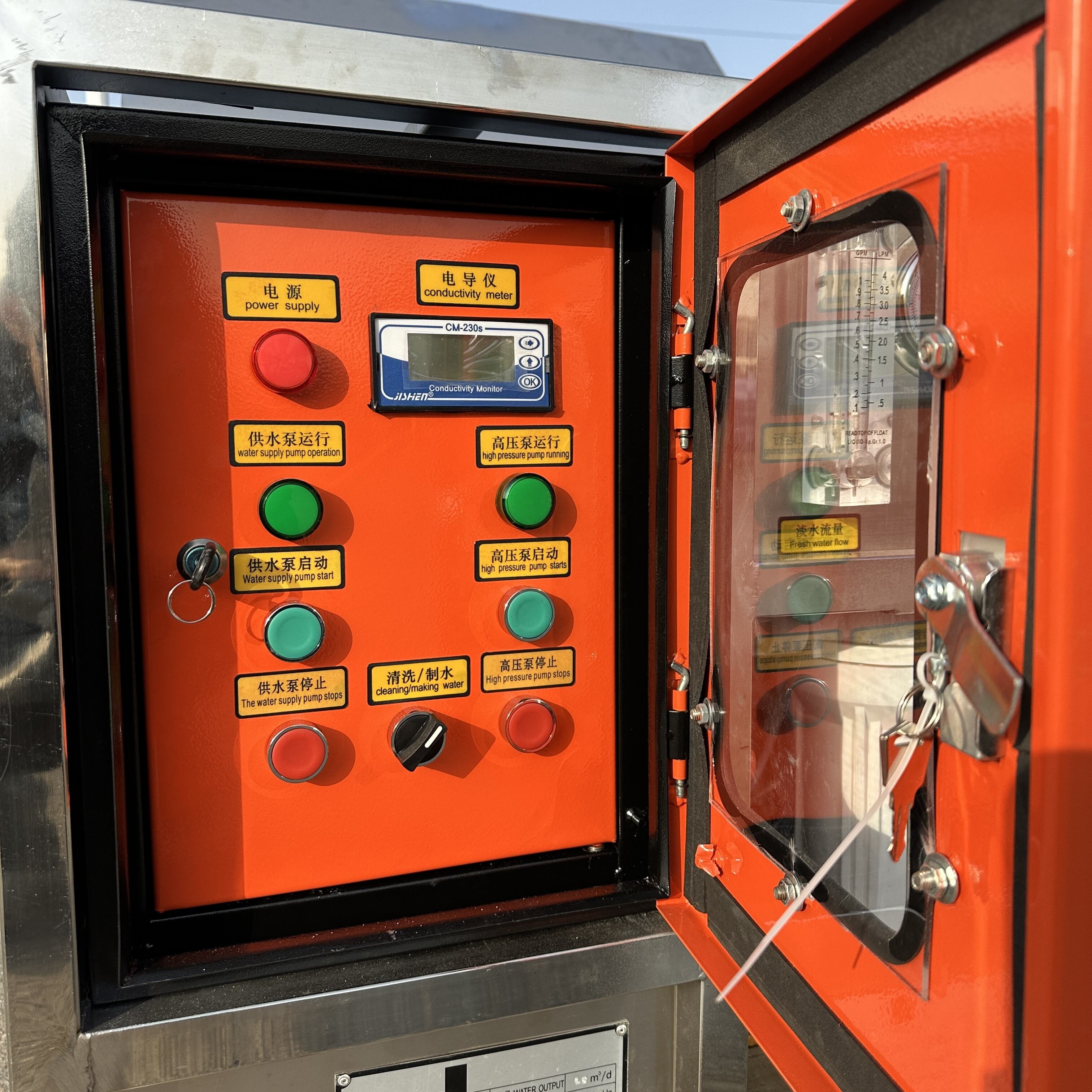
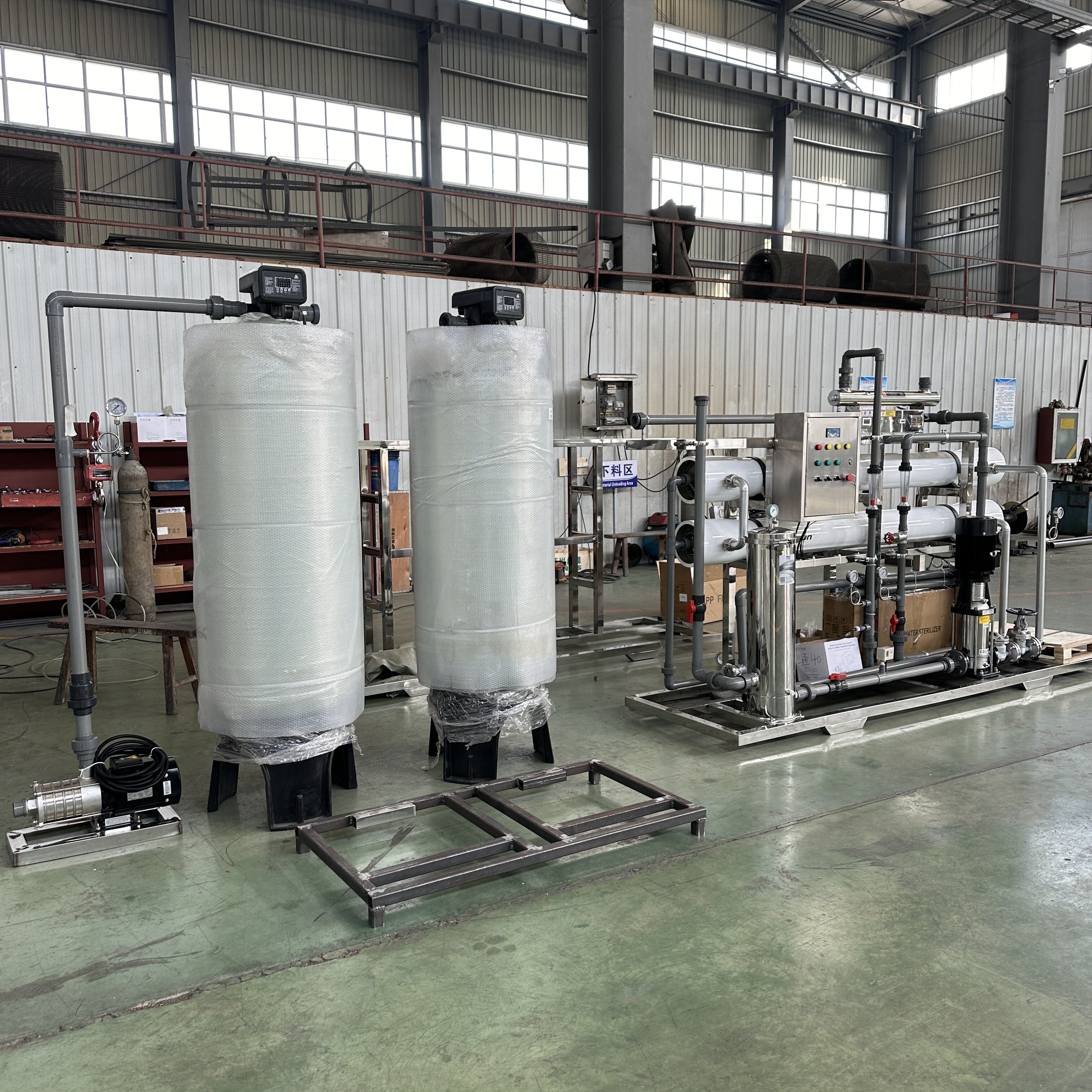
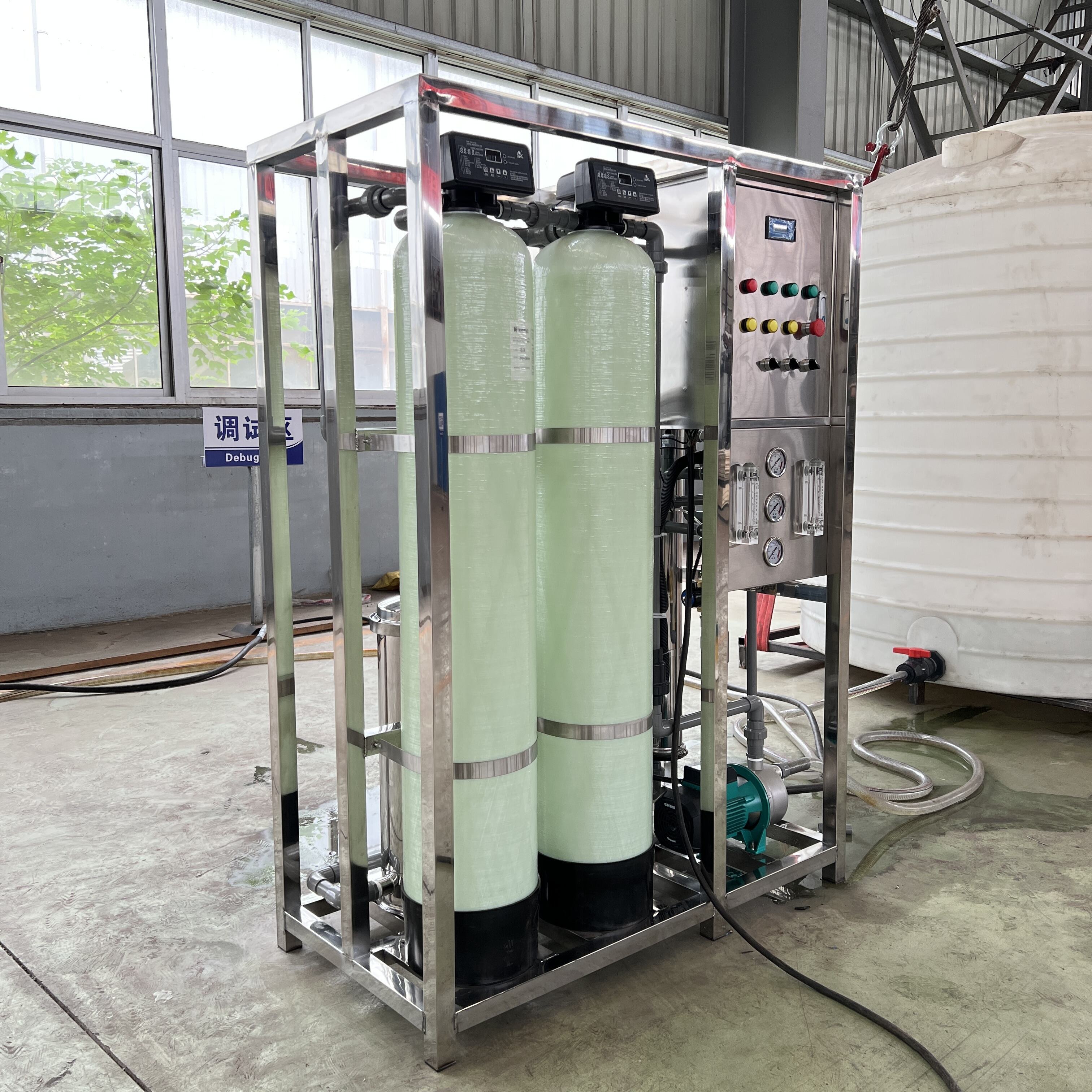
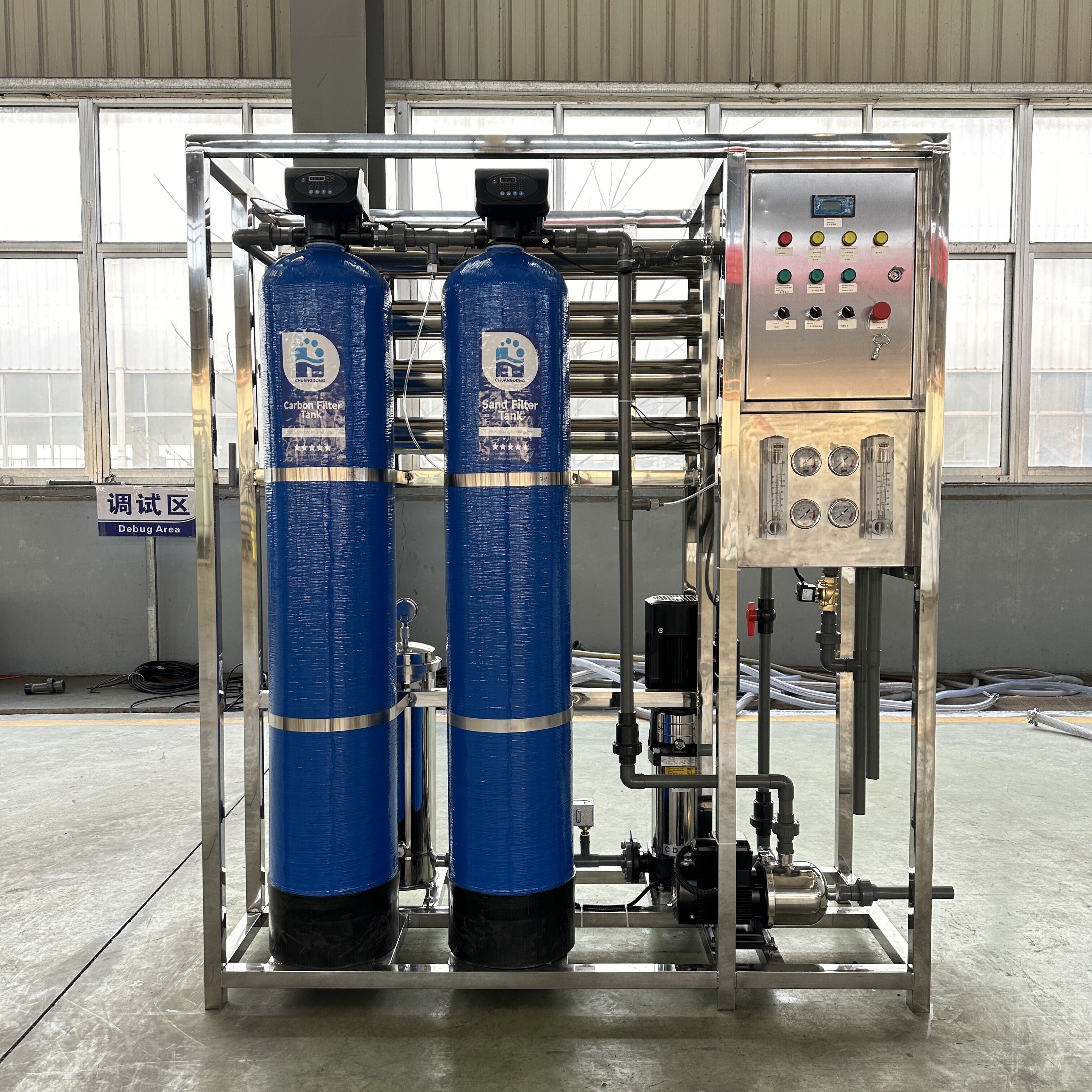
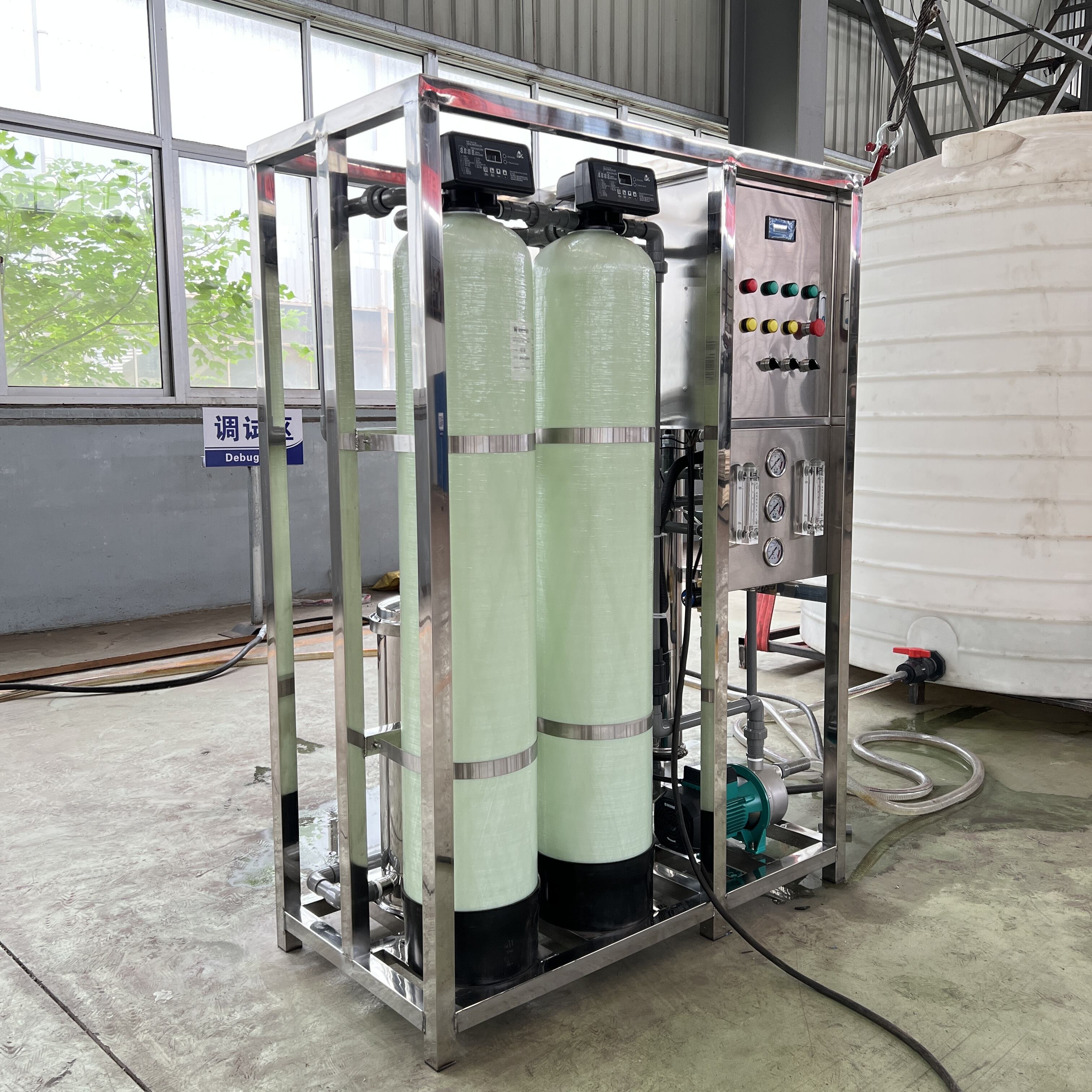
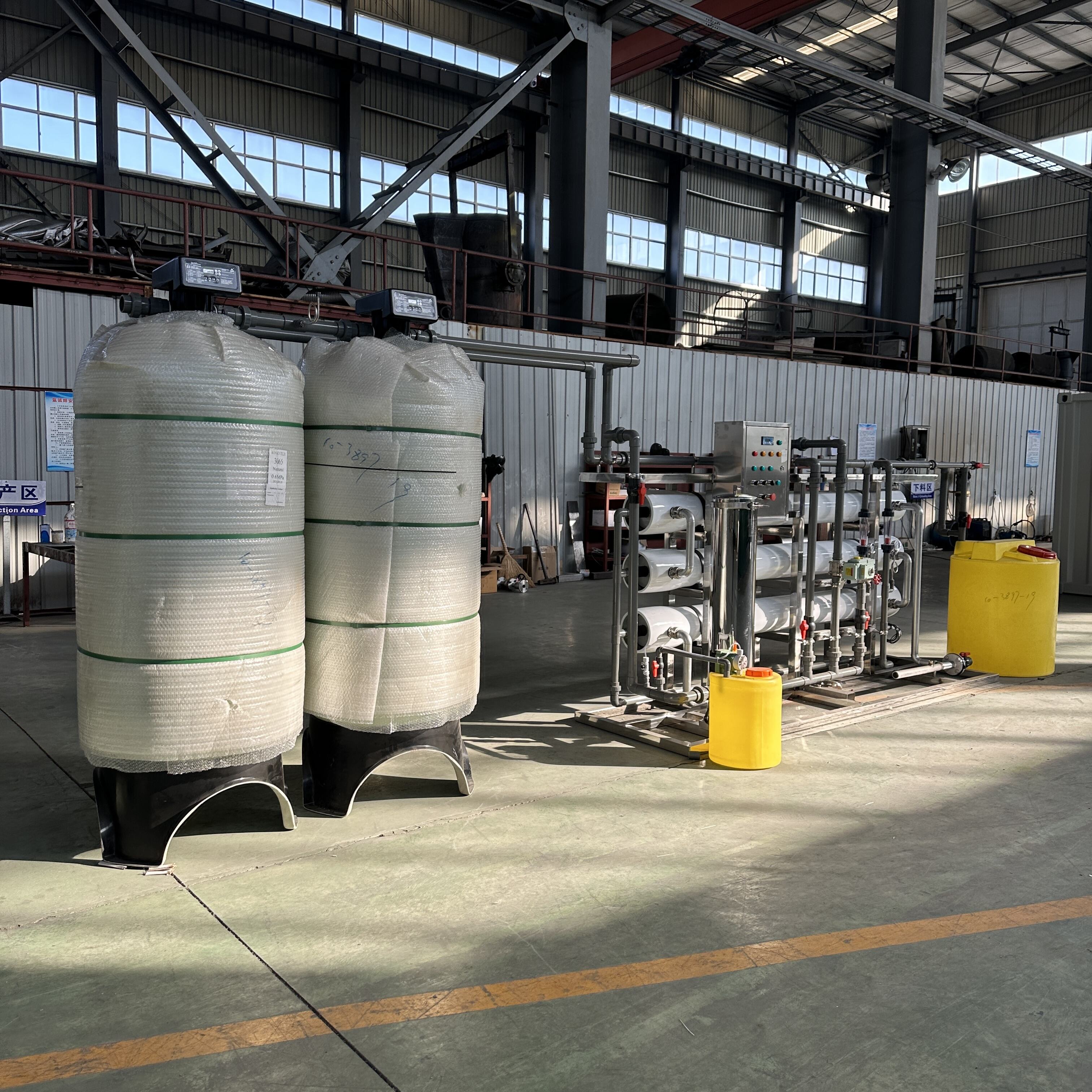
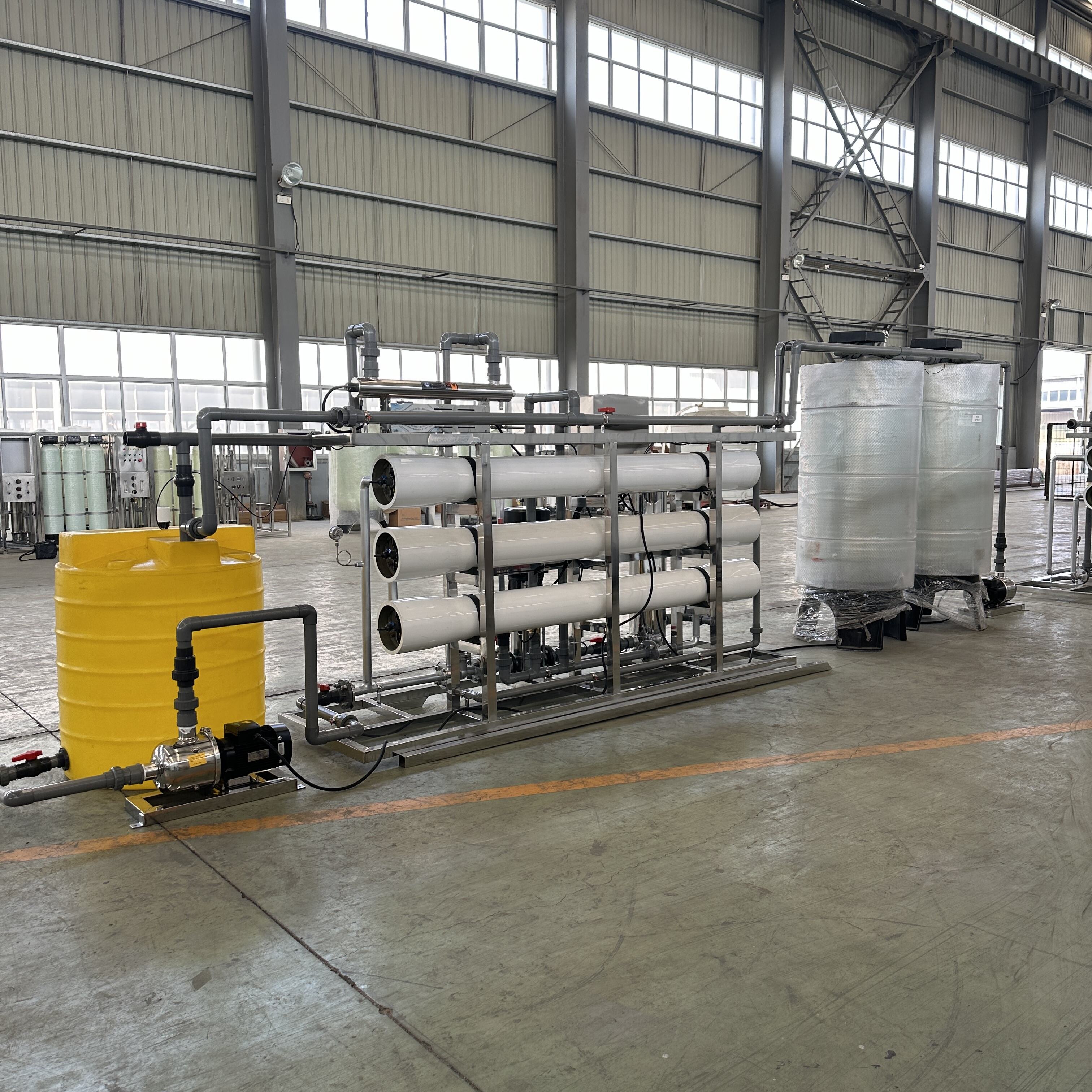
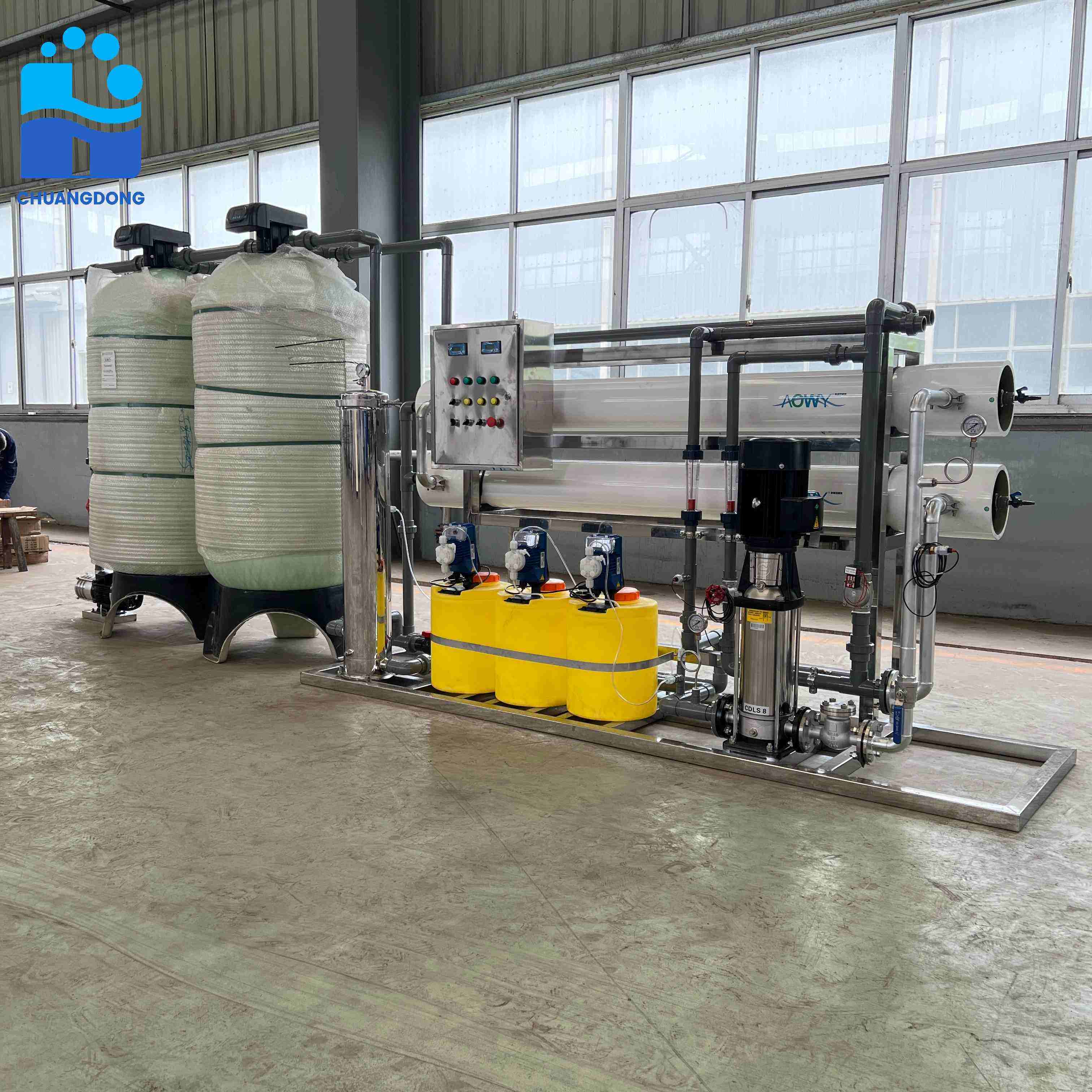
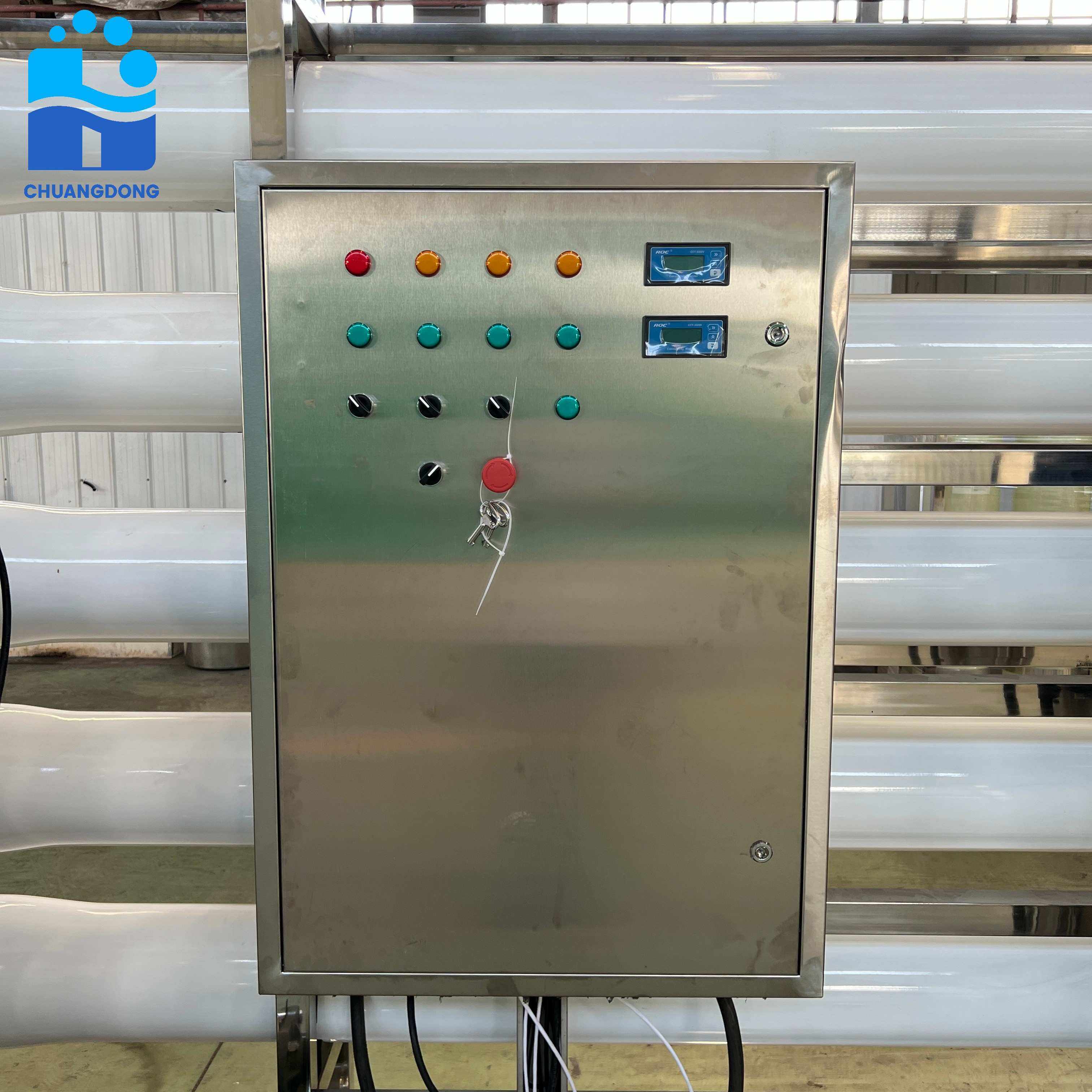
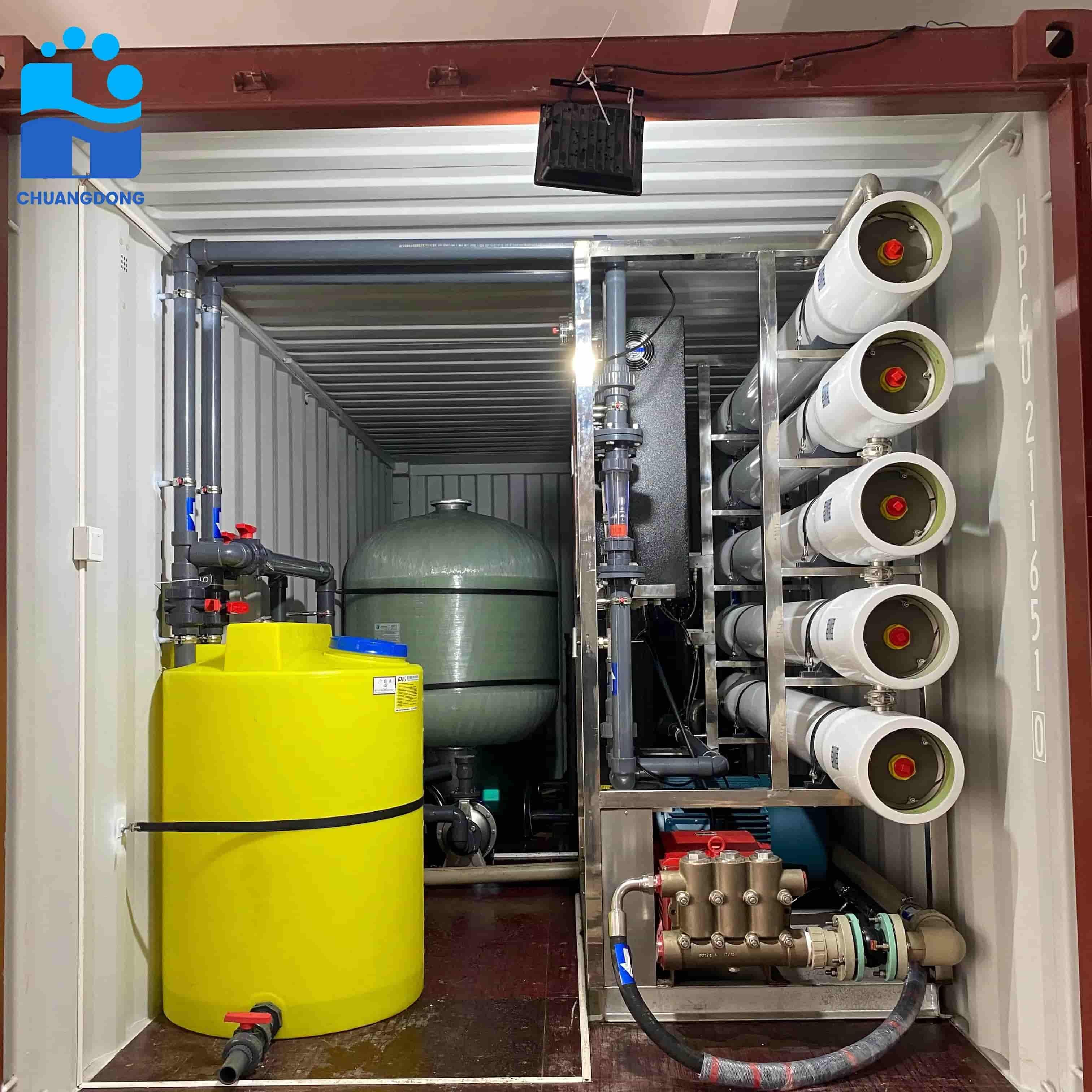
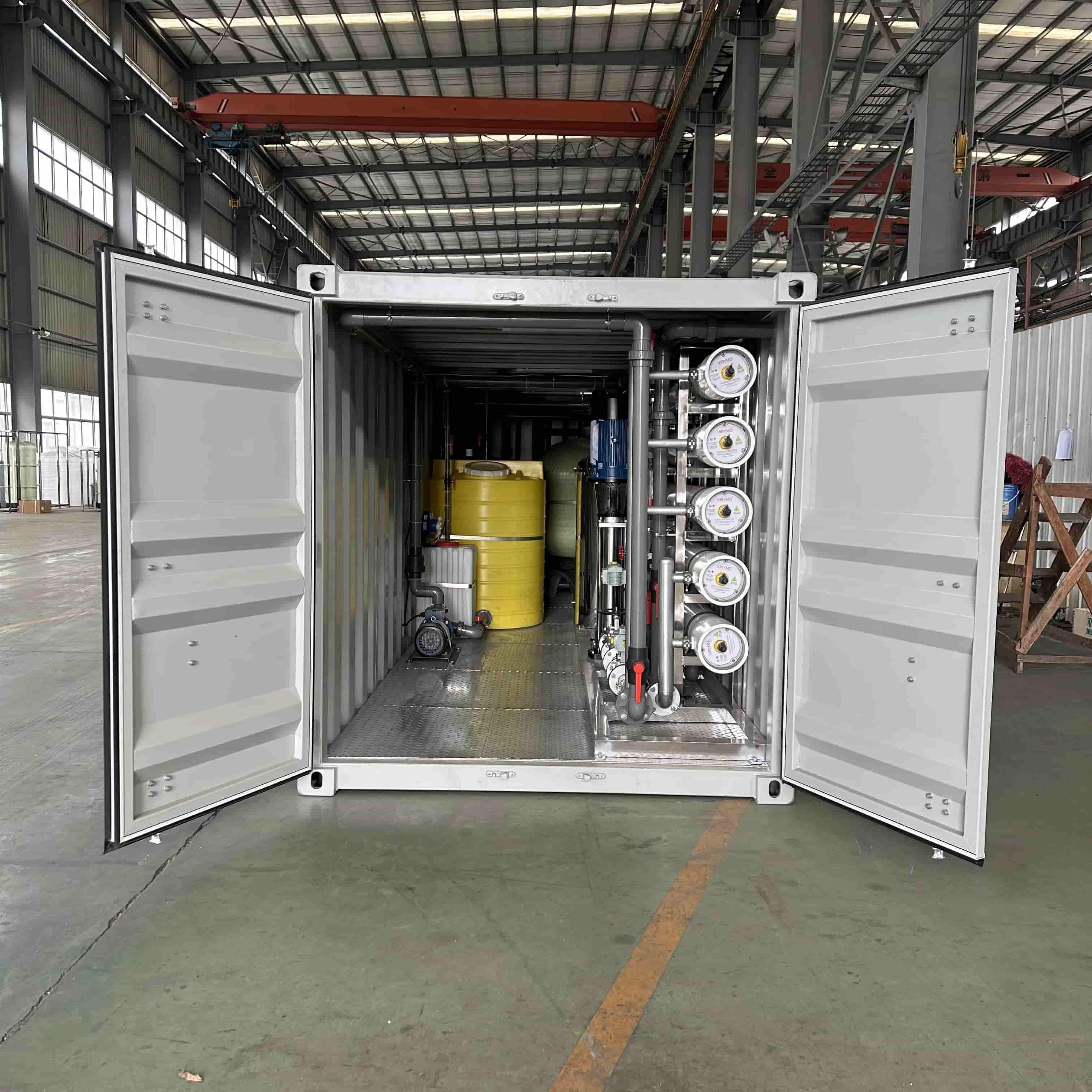
An industrial water filter system represents a comprehensive solution designed to purify large volumes of water for manufacturing, processing, and commercial operations. These sophisticated filtration networks combine multiple treatment stages to remove contaminants, particles, chemicals, and microorganisms from water supplies, ensuring consistent quality for industrial applications. The primary function of an industrial water filter system involves mechanical filtration, where physical barriers trap suspended solids, sediments, and debris. Advanced systems incorporate activated carbon filtration to eliminate chlorine, organic compounds, and taste-altering substances. Reverse osmosis technology removes dissolved salts, heavy metals, and microscopic contaminants through semi-permeable membranes. UV sterilization components destroy bacteria, viruses, and other pathogens without adding chemicals to the treated water. The technological framework of an industrial water filter system typically includes pre-filtration stages, primary treatment units, secondary purification processes, and post-treatment conditioning. Multi-stage designs ensure comprehensive contaminant removal while maintaining optimal flow rates for industrial operations. Automated monitoring systems track water quality parameters, filter performance, and maintenance requirements in real-time. Smart controls adjust treatment processes based on incoming water conditions and desired output specifications. These systems find extensive applications across diverse industries including food and beverage manufacturing, pharmaceutical production, chemical processing, electronics fabrication, power generation, and textile manufacturing. Healthcare facilities, hotels, restaurants, and educational institutions also rely on industrial water filter systems for consistent water quality. The scalable nature of these systems allows customization for specific facility requirements, from small commercial operations to large industrial complexes. Integration capabilities enable seamless connection with existing infrastructure while providing centralized control over water treatment processes.