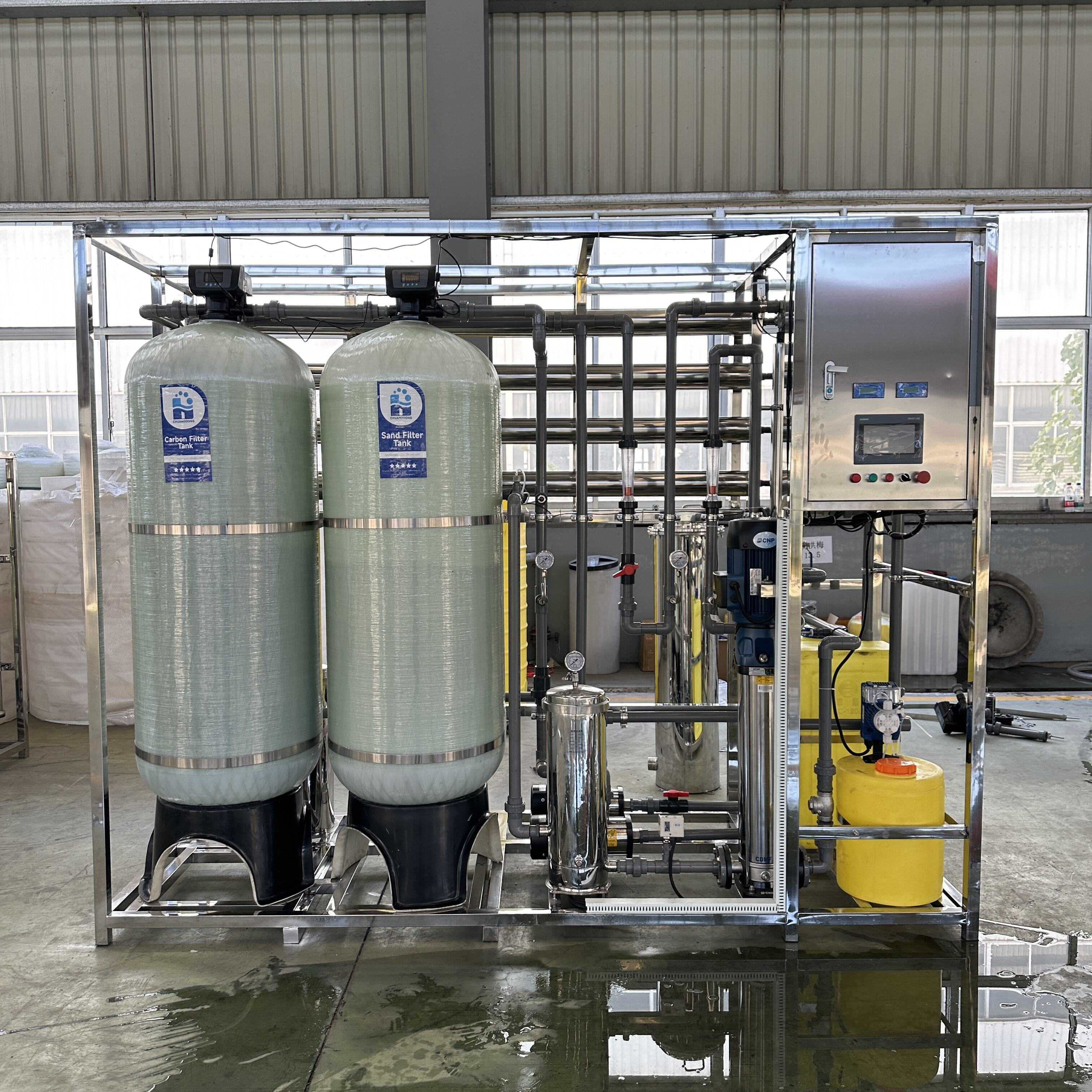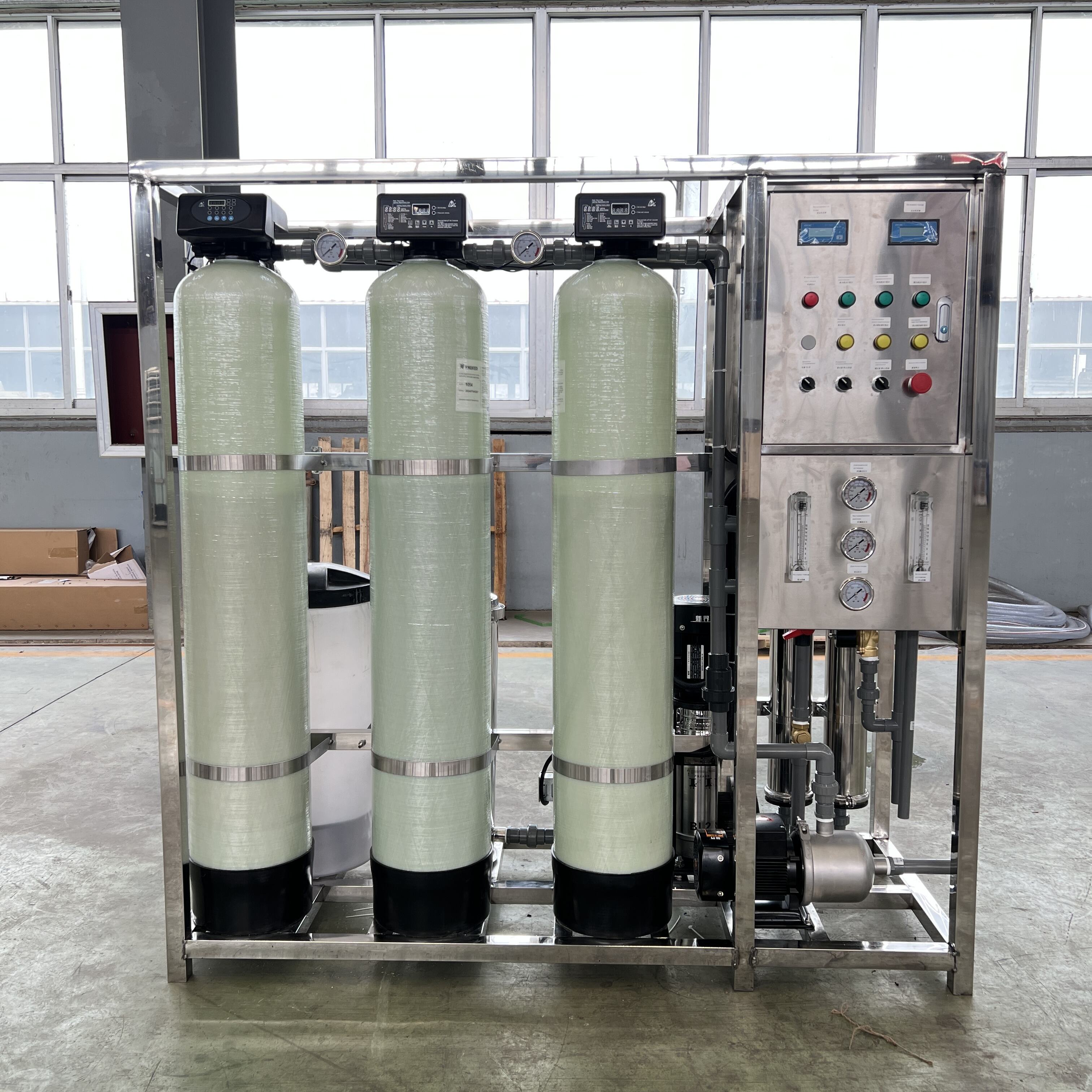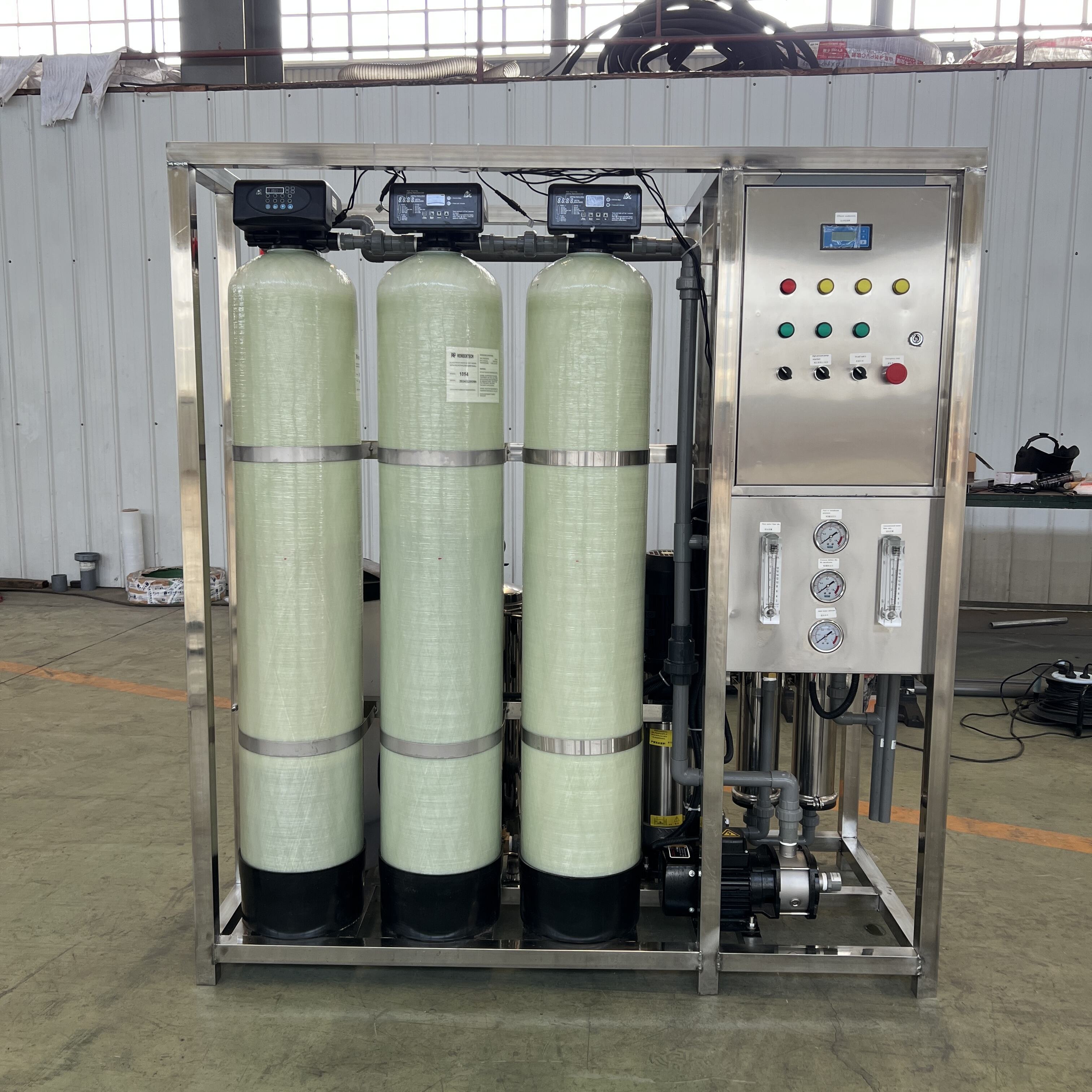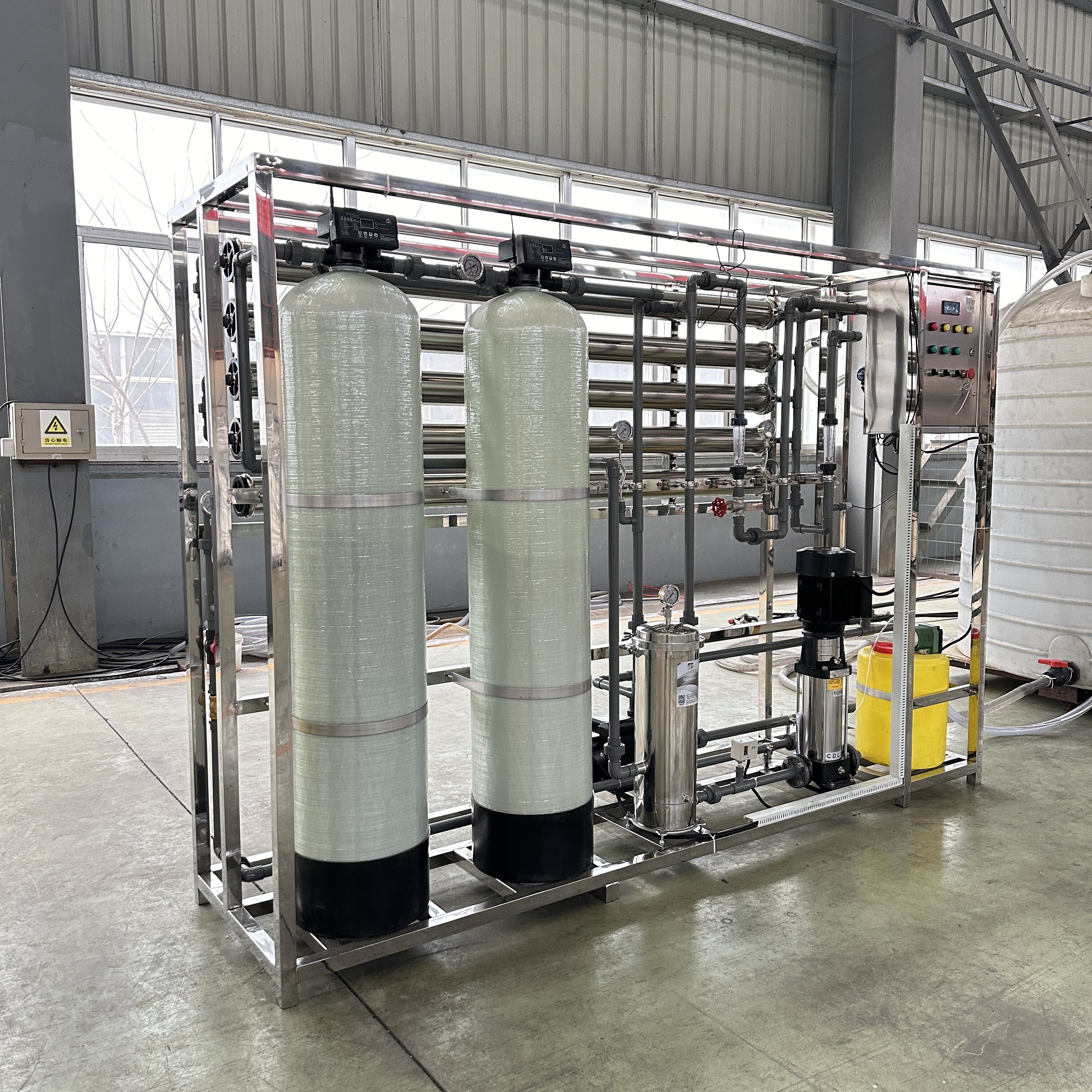
Industrial RO Water Filter System - Advanced Water Purification Solutions for Commercial Applications

Get a Free Quote

Our representative will contact you soon.
Email
Name
Company Name
Message
0/1000

industrial ro water filter system

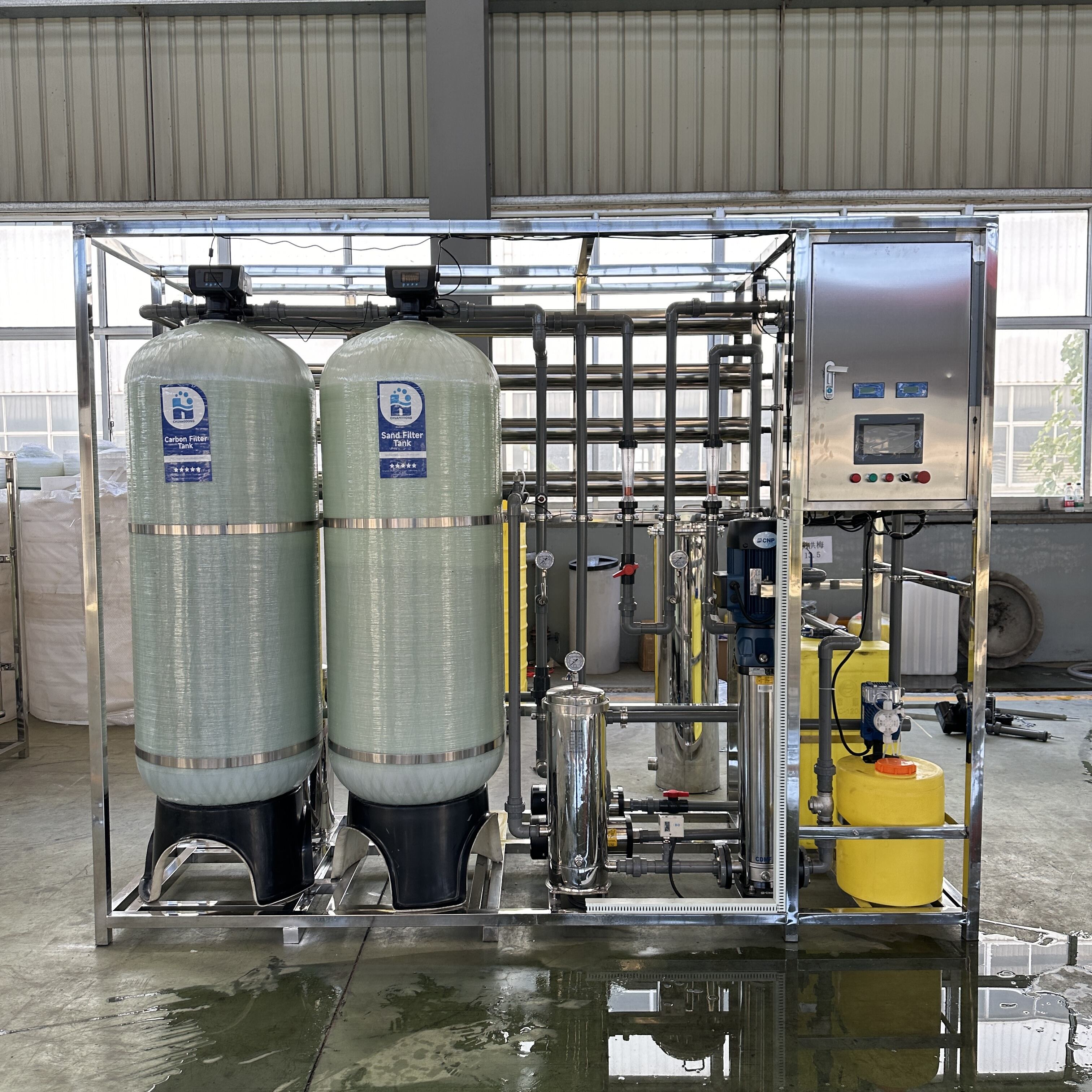
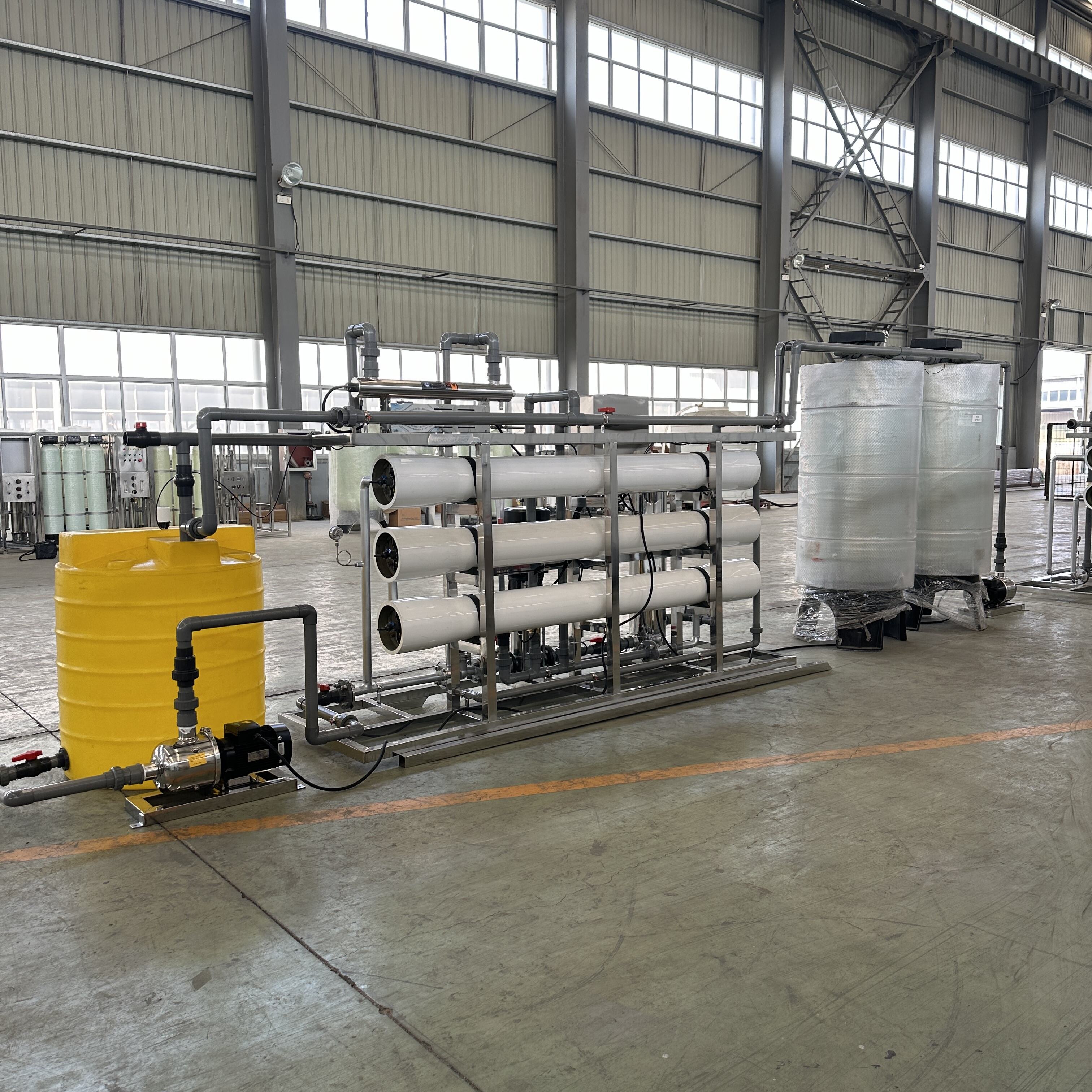
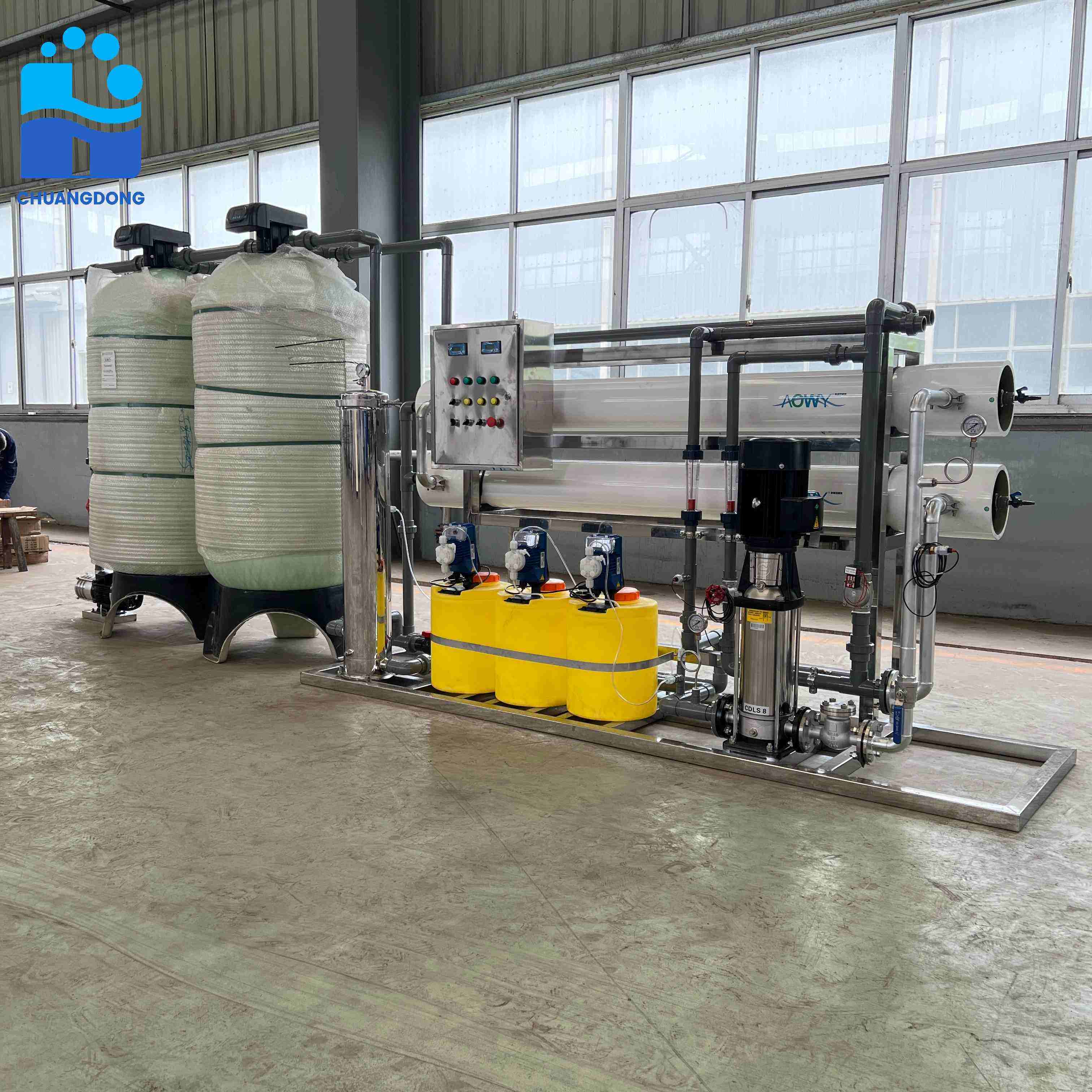
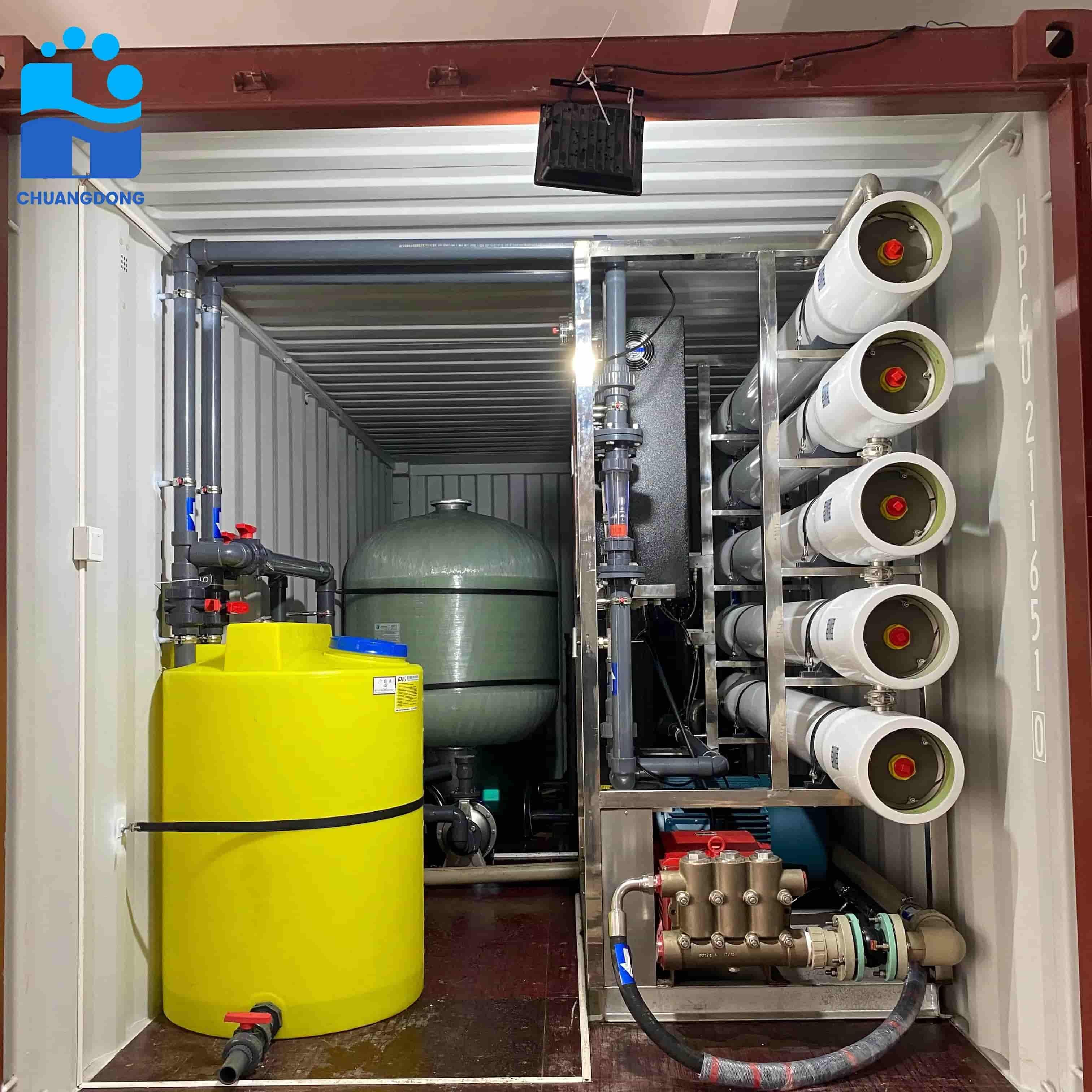
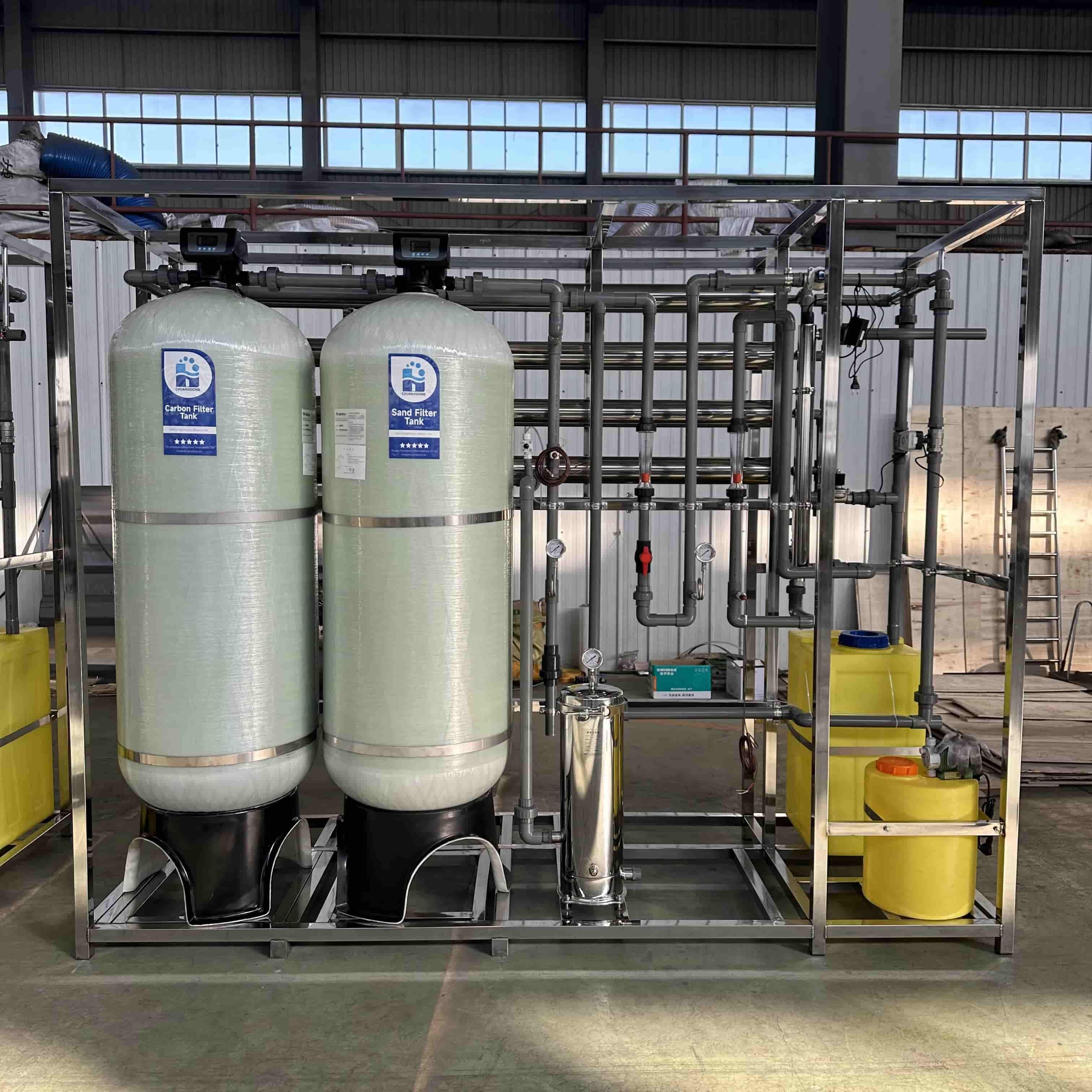
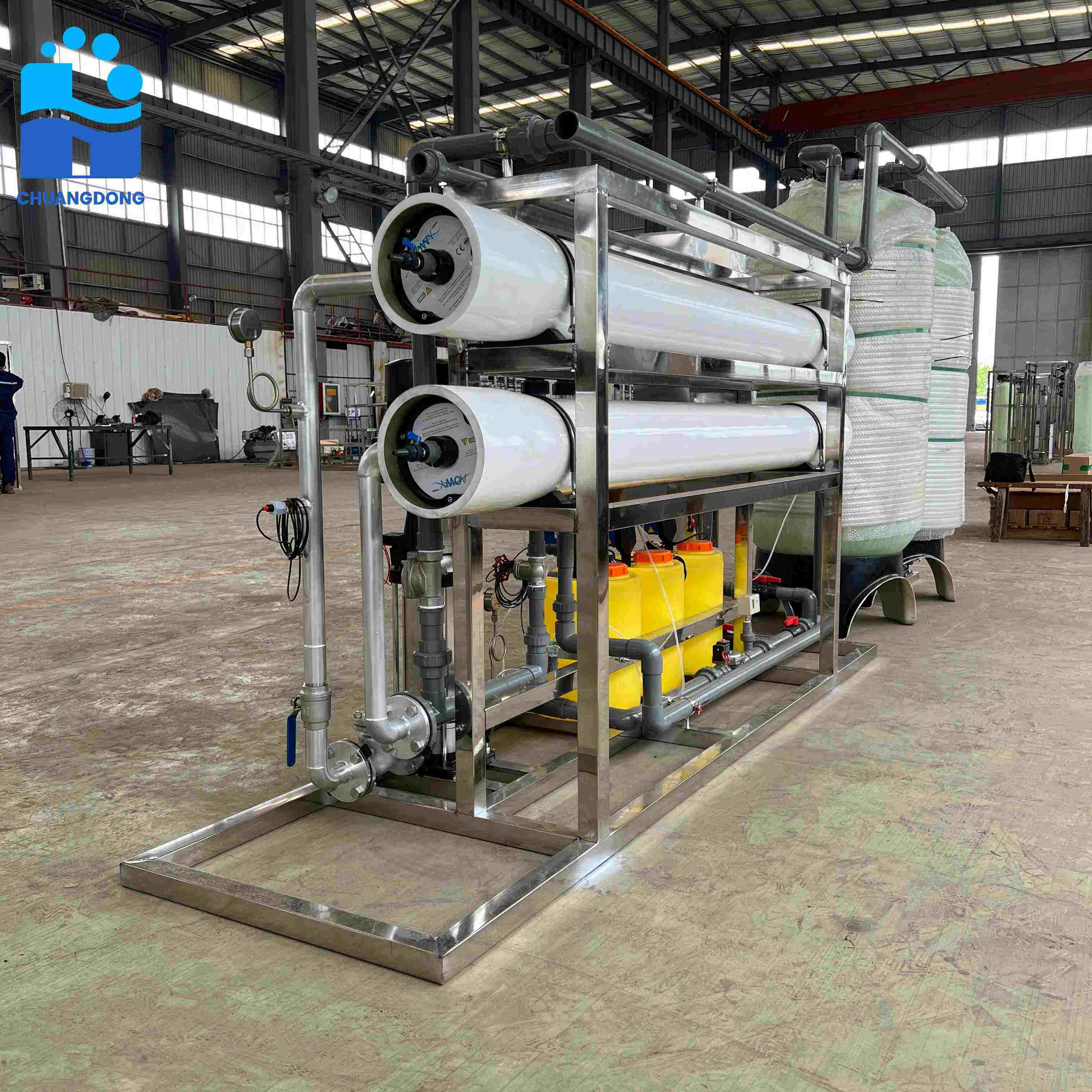
An industrial ro water filter system represents a cutting-edge water purification technology designed to meet the demanding requirements of commercial and manufacturing facilities. This sophisticated filtration solution utilizes reverse osmosis membrane technology to remove contaminants, dissolved solids, and impurities from water sources, delivering consistently pure water for various industrial applications. The industrial ro water filter system operates through a multi-stage purification process that begins with pre-filtration to remove larger particles and sediment, followed by the core reverse osmosis membrane stage where water molecules are forced through semi-permeable membranes under high pressure. This process effectively eliminates up to 99.9% of dissolved salts, bacteria, viruses, and organic compounds from the water supply. The system incorporates advanced monitoring and control mechanisms that continuously track water quality parameters, ensuring optimal performance and reliability. Modern industrial ro water filter system configurations feature automated backwash cycles, pressure regulation systems, and real-time quality monitoring displays that provide operators with comprehensive oversight of the purification process. These systems are engineered to handle substantial water volumes, typically processing hundreds to thousands of gallons per hour depending on the specific model and configuration. The technological framework includes pre-filters, high-pressure pumps, reverse osmosis membranes, post-filters, and storage tanks, all integrated into a cohesive system that delivers consistent water quality. Energy efficiency remains a priority in contemporary industrial ro water filter system designs, with manufacturers incorporating energy recovery devices and variable frequency drives to minimize operational costs while maintaining peak performance levels.

Popular Products

The industrial ro water filter system delivers exceptional cost savings by significantly reducing the need for bottled water purchases and minimizing equipment maintenance caused by mineral buildup and contamination. Companies that implement these systems typically experience a return on investment within 12 to 24 months through reduced water procurement costs and extended equipment lifespan. The system provides unmatched water quality consistency, ensuring that production processes receive the same high-grade water every single day, which eliminates quality variations that can compromise product standards. This reliability proves invaluable for manufacturers who require precise water specifications for their operations. Environmental benefits represent another compelling advantage, as the industrial ro water filter system dramatically reduces plastic waste from bottled water consumption while lowering the carbon footprint associated with water transportation and packaging. The system operates with remarkable efficiency, removing contaminants that traditional filtration methods cannot eliminate, including dissolved chemicals, heavy metals, and microscopic pollutants that pose health and production risks. Maintenance requirements remain minimal compared to other water treatment technologies, with most systems requiring only periodic membrane replacement and routine filter changes that can be performed by facility staff without specialized training. The scalability of these systems allows businesses to start with smaller configurations and expand capacity as their operations grow, providing flexibility that accommodates changing water demands. Production continuity improves significantly because companies no longer depend on external water suppliers or worry about delivery delays that can disrupt operations. The industrial ro water filter system also enhances employee satisfaction by providing unlimited access to pure drinking water, while simultaneously supporting various industrial processes that demand high-quality water inputs. Long-term operational benefits include reduced scaling in pipes and equipment, lower chemical consumption for cleaning processes, and improved product quality consistency across all manufacturing activities. These systems integrate seamlessly with existing infrastructure and can be customized to meet specific water quality requirements for different industrial applications.

Practical Tips

What Intake and Outfall Designs Minimize Environmental Impact of a Desalination Plant?

01

Mar

What Intake and Outfall Designs Minimize Environmental Impact of a Desalination Plant?

Environmental considerations have become paramount in the design and operation of modern desalination facilities worldwide. As water scarcity continues to challenge communities across the globe, the demand for sustainable desalination plant solutions...
View More
How Does a Water Purification System with Ion Exchange Soften Hard Water Effectively?

15

Mar

How Does a Water Purification System with Ion Exchange Soften Hard Water Effectively?

Hard water poses significant challenges for both residential and commercial applications, containing high concentrations of calcium and magnesium ions that cause scale buildup, reduce equipment efficiency, and affect water quality. A water purificati...
View More
How Does an RO Water Filter with a UV Sterilizer Provide Additional Protection Against Bacteria?

10

Mar

How Does an RO Water Filter with a UV Sterilizer Provide Additional Protection Against Bacteria?

Water contamination remains one of the most pressing concerns for homeowners and businesses seeking reliable water purification solutions. While traditional filtration methods offer basic protection, modern water treatment technology has evolved to p...
View More
Why Should Pharmaceutical QC Labs Use Ultrapure Water for HPLC and Mass Spectrometry?

18

Mar

Why Should Pharmaceutical QC Labs Use Ultrapure Water for HPLC and Mass Spectrometry?

Pharmaceutical quality control laboratories face increasingly stringent requirements for analytical accuracy and regulatory compliance. The foundation of reliable analytical results lies in the quality of water used throughout testing procedures. Ult...
View More

Get a Free Quote

Our representative will contact you soon.
Email
Name
Company Name
Message
0/1000

industrial ro water filter system

Advanced Multi-Stage Purification Technology

Advanced Multi-Stage Purification Technology

The industrial ro water filter system employs sophisticated multi-stage purification technology that sets it apart from conventional water treatment solutions. This comprehensive approach begins with pre-filtration stages that remove sediment, chlorine, and larger particles that could damage the sensitive reverse osmosis membranes. The pre-treatment process includes carbon filtration to eliminate chlorine and organic compounds, followed by fine sediment filtration that captures particles as small as 5 microns. The heart of the system features high-performance reverse osmosis membranes that operate under precisely controlled pressure conditions, forcing water molecules through semi-permeable barriers while rejecting contaminants at the molecular level. These membranes effectively remove dissolved salts, bacteria, viruses, heavy metals, and organic pollutants with removal rates exceeding 99% for most contaminants. Post-filtration stages include polishing filters and UV sterilization options that provide additional protection against any remaining impurities. The system incorporates pressure regulation technology that maintains optimal operating conditions across all filtration stages, ensuring consistent performance and maximizing membrane lifespan. Advanced monitoring systems continuously track water quality parameters including total dissolved solids, pH levels, and conductivity, providing real-time feedback on system performance. Automated flush cycles prevent membrane fouling and maintain peak efficiency, while pressure sensors and flow meters provide comprehensive operational data. This multi-layered approach ensures that the industrial ro water filter system delivers water quality that exceeds industry standards for even the most demanding applications. The technology adapts to varying input water conditions, automatically adjusting operational parameters to maintain consistent output quality regardless of seasonal changes or source water fluctuations that might affect other filtration systems.
High-Capacity Production with Energy Efficiency

High-Capacity Production with Energy Efficiency

The industrial ro water filter system excels in delivering high-volume water production while maintaining exceptional energy efficiency standards that reduce operational costs and environmental impact. These systems are engineered to process substantial water volumes, with production capacities ranging from 500 to 50,000 gallons per day depending on configuration and application requirements. The high-efficiency design incorporates energy recovery devices that capture and reuse hydraulic energy from the concentrate stream, reducing overall energy consumption by up to 60% compared to conventional reverse osmosis systems. Variable frequency drives automatically adjust pump speeds based on demand, ensuring optimal energy utilization while maintaining consistent water pressure throughout the filtration process. The system design minimizes pressure drop across filtration stages through optimized flow paths and high-quality components that reduce energy waste and operational costs. Advanced pump technology delivers precise pressure control that maximizes membrane performance while minimizing energy consumption, creating an ideal balance between production capacity and operational efficiency. Heat recovery systems capture thermal energy from various process stages, further reducing energy requirements and lowering utility costs. The industrial ro water filter system features intelligent control systems that monitor energy consumption patterns and automatically optimize operations for maximum efficiency during different demand periods. Smart scheduling capabilities allow the system to operate during off-peak energy hours when electricity rates are lower, providing additional cost savings for facilities with flexible water production requirements. Standby modes reduce energy consumption during low-demand periods while maintaining system readiness for immediate production when needed. The combination of high production capacity and energy efficiency makes these systems ideal for facilities that require substantial volumes of pure water while maintaining strict budget controls and sustainability goals.
Comprehensive Quality Control and Monitoring

Comprehensive Quality Control and Monitoring

The industrial ro water filter system features comprehensive quality control and monitoring capabilities that ensure consistent water purity and system reliability through advanced sensor technology and automated control systems. Real-time monitoring equipment continuously tracks critical water quality parameters including total dissolved solids, pH levels, conductivity, temperature, and flow rates, providing operators with immediate feedback on system performance and water quality standards. Digital displays and remote monitoring capabilities allow facility managers to track system status from multiple locations, receiving instant alerts when any parameter exceeds predetermined thresholds or when maintenance requirements arise. The quality control system includes automatic rejection protocols that divert substandard water away from the clean water storage tank, ensuring that only water meeting specified quality standards reaches end users. Data logging capabilities record all operational parameters and water quality measurements, creating comprehensive performance records that support quality certification requirements and regulatory compliance documentation. Predictive maintenance algorithms analyze system performance trends and component wear patterns, providing advance warning of potential issues before they affect water quality or system availability. The monitoring system integrates with facility management software and can send automated reports to designated personnel, ensuring that quality control information reaches appropriate stakeholders promptly. Calibration protocols for all sensors and monitoring equipment maintain measurement accuracy over time, while automated self-diagnostic routines verify sensor functionality and system integrity on regular intervals. The industrial ro water filter system includes redundant monitoring systems for critical parameters, ensuring continued quality oversight even if primary sensors require maintenance or replacement. Quality control documentation automatically generated by the system supports ISO certification requirements and provides audit trails for regulatory compliance. Advanced alarm systems provide multiple notification methods including visual indicators, audible alarms, email notifications, and text messaging to ensure that quality issues receive immediate attention from qualified personnel regardless of their location within the facility.

Get a Free Quote

Our representative will contact you soon.
Email
Name
Company Name
Message
0/1000