 EN
EN



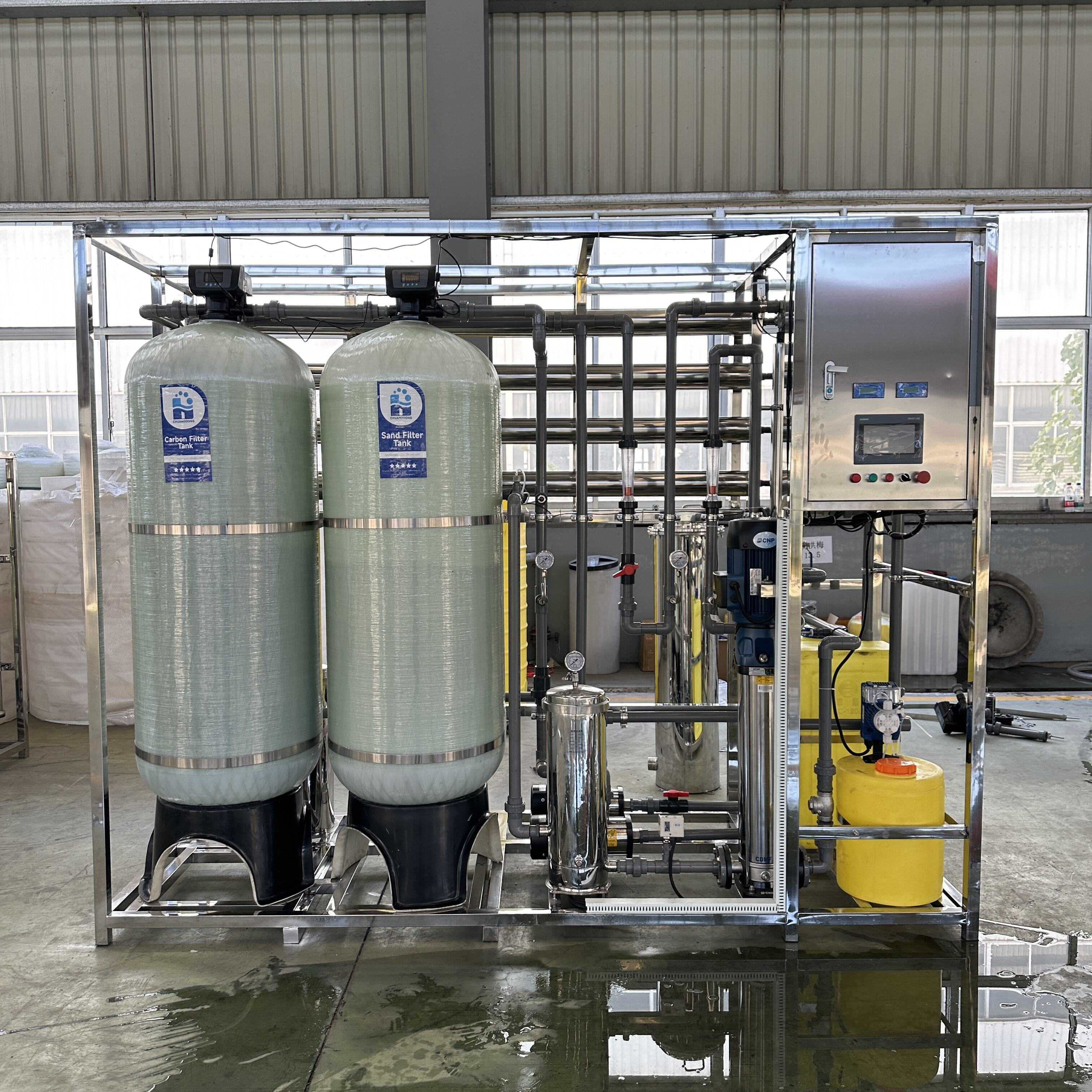
Ջրի սպառման գոտիներում ապրող տնային տնտեսությունների համար ջրի պակասը չի հանդիսանում վերացական խնդիր՝ դա ամենօրյա գործողության իրականություն է, որը ձևավորում է բոլոր որոշումները՝ սկսած տնային տնտեսության կառավարումից մինչև երկարաժամկետ սեփականության պլանավորումը: Քանի որ ստորերկրյա ջրերի պաշարները ստանում են, քաղաքային ջրի սահմանափակումները ստիպված են խիստ լինել, իսկ սեզոնային անձրևները ավելի ու ավելի անկանխատեսելի են դառնում, հավաստի ջրի մատակարարման հարցը վերածվում է ոչ թե հարմարավետության, այլ՝ գոյատևման հարցի: անձնական դեզալտերացիայի կայան ջրի սպառման գոտիներում սեփականատերերի կողմից կայացված ամենագործնական և ապագայա oriented որոշումներից մեկն է:
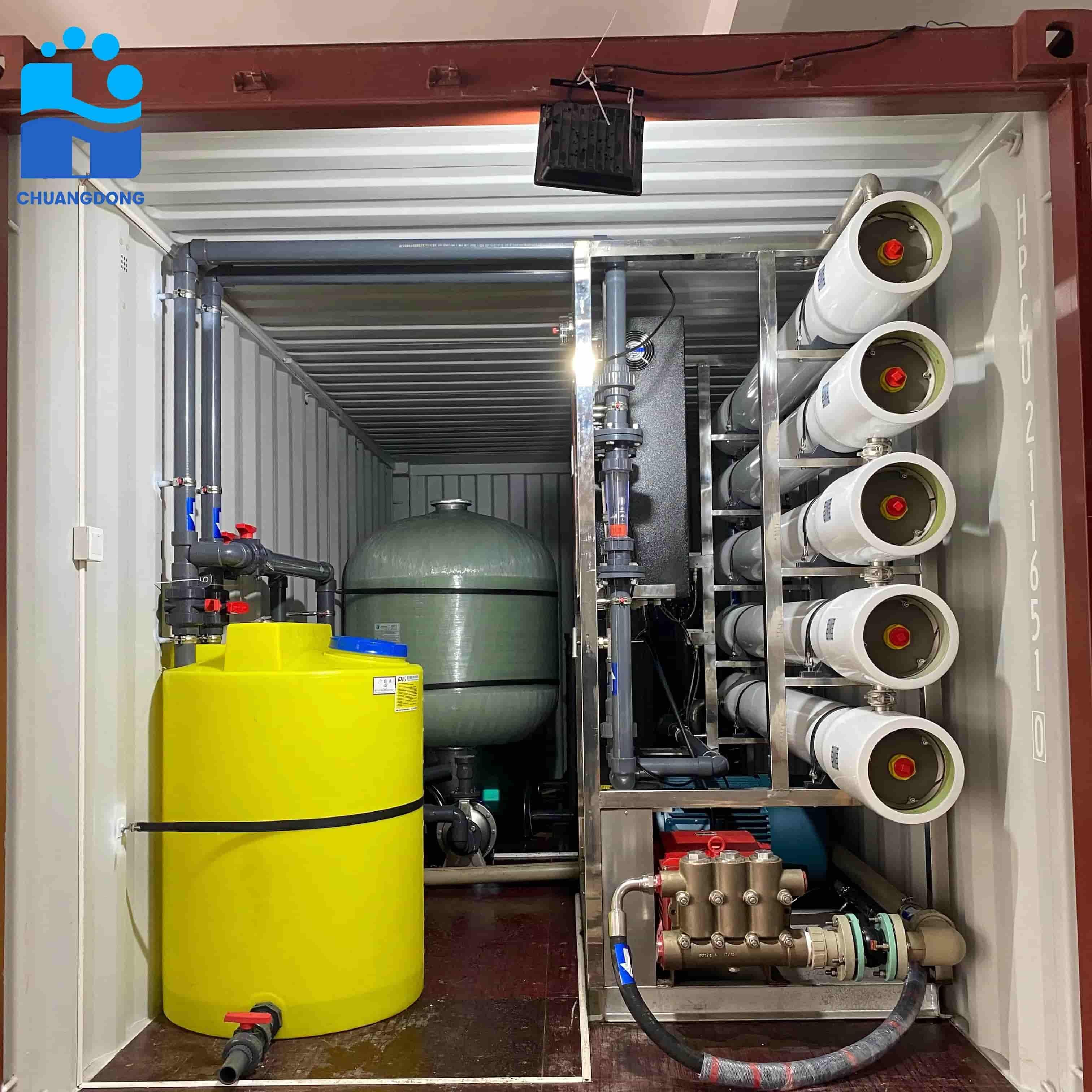
Անհատական ջրի աղազերծման կայանը գործում է՝ օգտագործելով հակադարձ օսմոսի թաղանթային տեխնոլոգիա՝ աղաջրային ստորերկրյա ջուրը, թեթև աղաջրային աղբյուրները կամ նույնիսկ ծովի ջուրը վերափոխելով մաքուր և անվտանգ խմելու ջուր: Ի տարբերություն ավանդական ջրի պահպանման մեթոդների, որոնք պարզապես նվազեցնում են սպառումը, անհատական ջրի աղազերծման կայանը ակտիվորեն ստեղծում է նոր, անկախ ջրամատակարարման աղբյուր: Այս տարբերակումը կարևորագույնն է այն տարածքներում գտնվող տնային տնտեսությունների համար, որտեղ ավանդական քաղցրահամ ջրի աղբյուրները այլևս չեն կարողանում տարեցտարի ապահովել տնային պահանջները:
Հիմնական խնդիրը. Ինչու՞ են չորային շրջանները պահանջում անկախ ջրային լուծումներ
Քաղցրահամ ջրի մատակարարման սրվող ճգնաժամը
Չորային երևույթները շատ երկրներում այլևս չեն հանդիսանում առանձին եղանակային երևույթներ: Դրանք վերածվել են կառուցվածքային պայմանների, որոնք ազդում են ամբողջ տարածաշրջանների վրա՝ Ամերիկյան հարավարևմտյան մասում, սահարայից հարավ գտնվող Աֆրիկայում, Մերձավոր Արևելքում, Հարավային Եվրոպայում և Ավստրալիայի մեծ մասում: Այդ տարածաշրջաններում քաղցրահամ ջրի պաշարները օգտագործվում են ավելի արագ, քան բնական վերականգնման ցիկլերը կարող են դրանք վերականգնել, ինչը ստեղծում է աճող պակասուրդ, որի հետ մետրոպոլիտենային ջրամատակարարման համակարգերը դժվարանում են արդյունավետ կերպով մեկնաբանել:
Սեփականատերերի համար այս պակասուրդի հետևանքները ուղղակի են: Ջրի քվոտավորումը, կոմունալ ծառայությունների վճարների բարձրացումը, նոր ջրհորների փորման սահմանափակումները և ամբողջովին արգելված արտաքին ջրի օգտագործումը արդեն ստանդարտ են շատ չորային գոտիներում: Կախված լինելը միայն մետրոպոլիտենային միացման կամ մեկ տնային ջրհորից սեփականատերերին ենթարկում է կարևոր ռիսկի, երբ այդ համակարգերը լարվում են կամ ամբողջովին ձախողվում են արտակարգ չոր շրջաններում:
Անձնական աղազրկման կայանը զգալի բուֆեր է ապահովում այս խոցելիությունների դեմ: Օգտագործելով աղի կամ աղի ստորգետնյա ջրերի աղբյուրները, որոնք սովորաբար շատ ավելի առատ են, քան քաղցրահամ ջրատար հորիզոնները, բնակելի տարածքների աղազրկման համակարգը տանտերերին հասանելիություն է տալիս ջրամատակարարման, որը չի ենթարկվում նույն ճնշմանը, ինչ մակերեսային քաղցրահամ ջրամբարները:
Ինչու՞ մունիցիպալ ջրամատակարարման համակարգերը չեն կարող մեկուսացված լրացնել այդ բացը
Մունիցիպալ ջրամատակարարման ենթակառուցվածքը նախագծվել է համեմատաբար հարուստ պայմանների համար: Երբ չորային պայմանները տևում են մի քանի տարի, ծառայությունները դիմանում են ծանր մարտահրավերների. ջրամբարների մակարդակի նվազում, մաքրման ծախսերի աճ, ավելացված բեռնվածության տակ հնացած ենթակառուցվածք և բոլոր օգտագործողների կատեգորիաների վրա կտրուկ նվազեցումներ սահմանելու կարգավորող ճնշում: Բնակարանային սպառողները հաճախ առաջիններն են, ովքեր դիմանում են սահմանափակումների, անկախ իրենց իրական պահանջներից:
Նույնիսկ երբ ջուրը մատակարարվում է քաղաքային ցանցի միջոցով, նրա որակը կարող է վատանալ չորացման շրջաններում: Հոսքի արագության նվազումը կենտրոնացնում է միներալները, նստվածքները և աղտոտիչները, որոնք սովորաբար թույլատրվում են քաղցրահամ ջրի ներգործությամբ: Անձնական ջրի աղազերծման կայանը լուծում է ոչ միայն մատակարարման խնդիրը, այլև ապահովում է հաստատուն որակի ստանդարտ՝ ֆիլտրելով ջուրը վերահսկվող հակադարձ օսմոսի գործընթացի միջոցով տնային օգտագործման կետում:
Մատակարարման անկախության և որակի վերահսկման այս երկակի առավելությունը հենց այն է, ինչ դարձնում է անձնական ջրի աղազերծման կայանը ոչ միայն արտակարգ համակարգ, այլև հիմնական ջրի արտադրության ակտիվ սերյոզ տնատերերի համար, ովքեր չեն կարող իրենց տնային ջրային անվտանգությունը վստահել այն ենթակառուցվածքին, որը երբեք չի ստեղծվել չորացման ժամանակաշրջանի պահանջների համար:
Ինչպես է աշխատում անձնական ջրի աղազերծման կայանը բնակելի շենքում
Հակադարձ օսմոսի տեխնոլոգիան տնային մասշտաբով
Ժամանակակից կոմպակտ հակադարձ օսմոսի սարքավորումները հնարավորություն են տվել առանձին տնային տնտեսությունների համար շահագործել անձնական ջրի աղազերծման կայան՝ առանց արդյունաբերական մասշտաբի ենթակառուցվածքի կամ տեխնիկական փորձառության: Հիմնական գործընթացը կայանում է սնման ջրի (որը կարող է լինել աղազերծված ստորերկրյա ջուր տնային ավզանից կամ ափամերձ աղի աղբյուրից) ճնշման տակ կիսաթափանց մեմբրանների միջով անցկացնելու մեջ: Այդ մեմբրանները կանխում են լուծված աղերի, ծանր մետաղների, բակտերիաների և այլ աղտոտիչների անցումը՝ թույլ տալով անցնել միայն մաքրված ջրի մոլեկուլներին:
Ստացված արդյունքը միշտ բարձրորակ ջուր է, որը համապատասխանում է խմելու, եփելու, լողանալու և ոռոգման նպատակներին: Ճիշտ կարգավորված անձնական ջրի աղազերծման կայանը կարող է չափավորվել ըստ տնային տնտեսության օրական ջրի պահանջի՝ սկսած 2-4 մարդկանց սպասարկող փոքր միավորներից մինչև ընդարձակ ընտանիքների կամ փոքր բնակելի համալիրների ջրամատակարարման համար նախատեսված մեծ համակարգեր:
Տեղադրումը սովորաբար ներառում է համակարգի միացումը գոյություն ունեցող ստորերկրյա ջրի շահագործման ավզանին, մոտակա աղի ջրի աղբյուրին կամ նույնիսկ պահեստավորված հում ջրի մատակարարմանը: Նախնական ֆիլտրացման փուլերը վերացնում են կախված մասնիկները և պաշտպանում են մեմբրանները, իսկ հետայնացման փուլերը ճշգրտում են միներալային հավասարակշռությունը և pH-ն՝ ապահովելու համար, որ ստացված ջուրը հաճելի և անվտանգ լինի օրական օգտագործման համար: Ժամանակակից սարքերի ավտոմատացված ղեկավարման համակարգերը սովորական սեփականատերերի համար ստանդարտ շահագործումը դարձնում են պարզ և հեշտ:
Սեփականատերերի համար չափսերի և արտադրողականության հաշվարկման հարցեր
Անհատական ջրի աղազերծման կայանի վրա ներդրում կատարելիս ամենակարևոր որոշումներից մեկը համակարգի արտադրողականության հզորության համապատասխանեցումն է տնային ջրի իրական պահանջարկին: Միջին տնային ջրի սպառումը կախված է կլիմայական պայմաններից, տնային տնտեսության չափսից և օգտագործման սովորույթներից, սակայն չափսերի հաշվարկման համար աշխատանքային գնահատականը սովորաբար կազմում է 50–150 լիտր մեկ մարդու համար օրական՝ հիմնական տնային օգտագործման համար:
Բնակարանային օգտագործման համար նախատեսված կոմպակտ դեզաղկալման համակարգերը հասանելի են տարբեր արտադրողականության ցուցանիշներով, և ճիշտ ընտրությունը կախված է ինչպես ընթացիկ, այնպես էլ ապագայում սպասվող պահանջարկի արդարացված գնահատականից: Չորային գոտիներում բնակվող սեփականատերերը պետք է հաշվի առնեն ոչ միայն օրական սպառումը, այլև սեզոնային այգեգործության պահանջները, կենդանիների ջրավազանների ապահովումը (եթե այդպիսին կան), ինչպես նաև արտակարգ պահեստավորման պահանջները:
Սահամանափակված, մոդուլային կոնֆիգուրացիաներ առաջարկող մատակարարի հետ աշխատելը կարևոր գործնական հարց է: Այն անձնական դեզաղկալման կայանը, որը կարող է ընդլայնվել լրացուցիչ մեմբրանային մոդուլներով կամ պահեստավորման հզորությամբ՝ ըստ տնտեսության կարիքների փոփոխման, երկարաժամկետ տեսանկյունից զգալիորեն ավելի լավ ներդրում է, քան ֆիքսված հզորությամբ սարքը, որը մի քանի տարվա ընթացքում կդառնա սահմանափակող գործոն:
Սեփականատերերի համար երկարաժամկետ արժեքի առաջարկը
Ջրի ինքնավարության մեջ ներդրման ֆինանսական տրամաբանությունը
Անձնական ջրի աղազերծման կայանի սկզբնական ծախսը կարող է թվալ զգալի, եթե դիտարկվի առանձին։ Սակայն, երբ այն համեմատվում է չորացման վտանգի ենթակա շրջանում ջրի կախվածության ամբողջական ֆինանսական պատկերի հետ, ներդրման հաշվարկը կտրուկ փոխվում է։ Ջրի սրբության խնդիրներ ունեցող տարածքներում համայնքային ջրի տարифները վերջին տասնամյակում կտրուկ բարձրացել են և հավանաբար կշարունակեն բարձրանալ՝ այն չափով, որքանով ջրի սրբության խնդիրը սրվում է և ենթակառուցվածքների ծախսերը աճում են։
Մեկ տնային մակարդակում մաքուր ջուր արտադրելով՝ անձնական ջրի աղազերծման կայանը արդյունավետորեն սահմանափակում է կամ կտրուկ նվազեցնում է նրա շահագործման ժամանակաշրջանում կրկնվող ջրի ծախսերը։ Բնակարանային հակադարձ օսմոսի սարքի շահագործման էներգետիկ ծախսերը նույնպես կտրուկ նվազել են՝ շնորհիվ պոմպերի արդյունավետության և մեմբրանային տեխնոլոգիայի բարելավման, ինչը լիտրի արտադրման ծախսերը ավելի մրցունակ է դարձնում շատ շրջաններում գնված ջրի համեմատ։
Ուղղակի ծախսերի նվազեցման վրա գերազանցելով՝ անձնական ջրի աղազերծման կայանը հատուկ արժեք է ավելացնում սեփականությանը: Այն շուկաներում, որտեղ ջրի ապահովվածությունը ճանաչված խնդիր է, անկախ ջրի արտադրության համակարգ ունեցող սեփականությունը բարձր գին է վայելում: Չորացման ազդակ տարածքներում հնարավոր գնորդները ավելի շատ սկսել են դիտարկել մասնավոր ջրի ենթակառուցվածքը որպես նյութական ակտիվ, քան որպես լքված լրացուցիչ հարմարավետություն:
Դիմացկունություն, ապահովվածություն և մխիթարություն
Ջրի սթրեսը սեփականատերերի համար ստեղծում է իրական հոգեբանական և գործնական բեռ: Ջրի սահմանափակումների վերահսկումը, օգտագործման ռացիոնավորումը, չոր ամառներին ավելի շատ մտահոգվելը հորատանցքի աշխատանքի վերաբերյալ, ինչպես նաև անսպասելի կոմունալ վճարների ստացումը՝ բոլորը մշտապես նվազեցնում են ուշադրությունը և կյանքի որակը: Անձնական ջրի աղազերծման կայանը վերացնում է այս անորոշության մեծ մասը՝ ստեղծելով անկախ և վերահսկելի ջրի աղբյուր:
Այս դիմացկունության գործոնը հատկապես արժեքավոր է հեռավոր կամ կիսագյուղական վայրերում բնակվող սեփականատերերի համար, որտեղ քաղաքային ջրամատակարարման համակարգը կամ անհուսալի է, կամ ընդհանրապես բացակայում է: Այս տնտեսությունների համար անհատական դեզալինացիայի կայանը լ допլեմենտար ենթակառուցվածք չէ՝ այն հիմնական և հաճախ միակ գործնական տարբերակն է տարվա ընթացքում կայուն ջրամատակարարման հասնելու համար՝ առանց ամբողջությամբ կախված լինելու մեքենաներով մատակարարվող ջրից:
Ժամանակակից կոմպակտ դեզալինացիայի սարքավորումների շահագործման հավաստիությունը զգալիորեն բարելավվել է: Բարձրորակ հակադարձ օսմոզի սարքավորումները նախատեսված են երկարատև անընդհատ շահագործման համար՝ համեմատաբար փոքր սպասարկման պահանջներով, ինչը սեփականատերերին տալիս է վստահելի գույք, այլ ոչ թե փխրուն փորձարարական համակարգ: Ճիշտ սպասարկման դեպքում անհատական դեզալինացիայի կայանը կարող է ապահովել հաստատուն ջրի արտադրություն տասնից տասնհինգ տարի կամ ավելի երկար:
Բնակարանային դեզալինացիայի համար էկոլոգիական և գործնական համատեքստ
Աղաջրի և թեթև աղաջրի ստորերկրյա ջրերի պատշաճ օգտագործում
Մեկը մտածող սեփականատերերի կողմից առաջադրվող հարցերից մեկը՝ անհատական դեզաղկալման կայանի մասին մտածելիս, աղի կամ թեթև աղի ջրի աղբյուրներից ջուր վերցնելու շրջակա միջավայրի վրա ունեցած ազդեցությունն է: Արժե հասկանալ, որ թեթև աղի ստորերկրյա ջուրը սովորաբար գտնվում է առանձին երկրաբանական շերտերում՝ քաղցրահամ ջրի ստորերկրյա պաշարներից առանձին, և ընդհանրապես չի կարող օգտագործվել այլ նպատակներով՝ մշակման առանց: Հետևաբար, այն օգտագործելը որպես տնային դեզաղկալման համակարգի մուտքային ջուր չի մրցում ուղղակիորեն քաղցրահամ ջրի պահպանման նպատակների հետ:
Ռեվերս օսմոսի համակարգերի կողմից առաջացվող աղի ջրի թափքը պահանջում է պատշաճ կառավարում: Տնային մասշտաբի համակարգերի համար հնարավոր տարբերակներն են՝ համապատասխան երկրաբանական ձևավորումների մեջ ստորերկրյա ներարկումը, համապատասխան կլիմայական պայմաններում գոլորշացման ջրամբարները կամ տեղական կարգավորող հրահանգներին համապատասխան վերահսկվող մակերեսային թափքը: Պատշաճ տեղադրումն ու շահագործումը անհատական դեզաղկալման կայանի համար ներառում է տեղական շրջակա միջավայրի վրա ազդող աղի թափքի վերաբերյալ կարգավորող միջոցառումների հասկացումն ու դրանց պահպանումը:
Ծովային տեղամասերում կամ ծովի ջրին մուտք ունեցող տարածքներում կերակրման ջրի աղբյուրը ներկայացնում է մի փոքր այլ համարձակումներ, սակայն հիմնարար շահագործման տրամաբանությունը մնում է նույնը: Ժամանակակից փոքր մասշտաբի ծովային ջրի հակադարձ օսմոզի սարքերը ավելի և ավելի հարմար են դառնում բնակելի օգտագործման համար, ինչը ծովափնյա չորացման տարածքներում գտնվող տնատերերին տալիս է գործնականում անսահմանափակ հում ջրի աղբյուր մշակման համար:
Այլ ջրի կառավարման ռազմավարությունների հետ ինտեգրում
Անձնական դեզաղաղացման կայանը լավագույնս աշխատում է որպես ինտեգրված տնային ջրի ռազմավարության մաս, այլ որպես ամբողջովին այլանձնված լուծում: Դեզաղաղացման արդյունքների հետ անձրևաջրի հավաքագրումը, մեղրաջրի վերամշակումը և ինտելեկտուալ ոռոգման ժամացույցի միավորումը հնարավորություն է տալիս տնատերերին մաքսիմալացնել արտադրված յուրաքանչյուր լիտրի արժեքը և նվազեցնել ցանկացած մեկ համակարգի բաղադրիչի վրա գործադրվող բեռը:
Պահեստավորման տարողությունը այս ինտեգրման կրիտիկական տարրն է: Անհատական ջրի աղազերծման կայանի հետ համապատասխան չափսի պահեստավորման տանկերի միացումը հնարավորություն է տալիս համակարգին աշխատել էներգիայի ոչ գագաթնային ժամերին, ինչը նվազեցնում է շահագործման ծախսերը, միաժամանակ պահպանելով պաշարային պաշար գագաթնային պահանջարկի օրերի կամ սովորական սպասարկման ժամանակահատվածների համար: Արտադրության և սպառման ժամանակահատվածների այս անջատումը զգալիորեն բարելավում է ջրի կառավարման համակարգի ընդհանուր գործնական արդյունավետությունը:
Այն սեփականատերերը, որոնք ջրի ապահովվածության հարցը դիտարկում են որպես բազմաշերտ համակարգի նախագծման մարտահրավեր, կհասկանան, որ անհատական ջրի աղազերծման կայանը հիմք է հանդիսանում ամբողջ ռազմավարության համար՝ ապահովելով հավաստի հիմնական մատակարարում: Մյուս բոլոր ջրի խնայողության և արդյունավետության միջոցառումները այդ ապահովված հիմքի վրա են կառուցվում, այլ ոչ թե հանդես են գալիս որպես վերջին միջոցառումներ՝ սահմանափակված մատակարարման ձգելու համար:
Հաճախադեպ տրվող հարցեր
Արդյոք անհատական ջրի աղազերծման կայանը հարմար է բոլոր սեփականատերերի համար չորացման ենթակա տարածքներում:
Անհատական ջրի աղազերծման կայանը ամենահարմարն է այն սեփականատերերի համար, ովքեր ունեն հասանելիություն աղի, բրաքիշ կամ ծովային ջրի աղբյուրներին՝ տնային ավզանի, մոտակա ափամերձ կամ գետաբերանային ջրային մարմնի կամ պահեստավորված հում ջրի միջոցով: Այն սեփականատերերը, ովքեր կախված են միայն մակերեսային քաղցրահամ ջրի ավզաններից կամ քաղաքային ջրամատակարարման ցանցից՝ առանց մոտակա աղի ջրի հասանելիության, պետք է գնման մինչև գնահատեն իրենց կոնկրետ մուտքային ջրի աղբյուրը: Որակյալ ջրի մշակման մասնագետի կողմից կատարված տեղամասի գնահատումը առաջարկվում է որպես առաջին քայլ:
Ինչքա՞ն էներգիա է օգտագործում տնային անհատական ջրի աղազերծման կայանը:
Էներգիայի սպառումը տատանվում է՝ կախված մուտքային ջրի աղի կոնցենտրացիայից և համակարգի ելքային հզորությունից: Բնակարանային օգտագործման համար նախատեսված կոմպակտ հակադարձ օսմոսի միավորները, ընդհանուր առմամբ, շատ ավելի էներգախնայող են, քան վաղեմի արդյունաբերական ջրի աղազերծման համակարգերը: Արեւոտ և չորային շրջաններում շատ սեփականատերեր հաջողությամբ իրենց անձնական ջրի աղազերծման կայանները աշխատեցնում են տան տանիքի արեւային համակարգերի միջոցով, որը ոչ միայն հատուցում է շահագործման ծախսերը, այլև ամրապնդում է տնային տնտեսության ընդհանուր էներգետիկ և ռեսուրսային անկախությունը:
Ինչքան հաճախ է անհրաժեշտ անձնական ջրի աղազերծման կայանի սպասարկում:
Սովորական սպասարկումը տնային անհատական ջրի աղազերծման կայանի համար սովորաբար ներառում է նախնական ֆիլտրի փոխարինման շրջանակների պարբերաբար փոխարինումը, թաղանթի ստուգման և մաքրման կանոնավոր իրականացումը, ինչպես նաև սեղման սարքի աշխատանքի և ճնշման մակարդակների պարբերաբար ստուգումը: Այդ հաճախականությունը կախված է մուտքային ջրի որակից և օրական շահագործման ժամերից, սակայն մեծամասնությունը տնային սեփականատերերը համոզվում են, որ կառուցված եռամսյակային սպասարկման գրաֆիկի և տարեկան մասնագիտական սպասարկման համադրումը հնարավորություն է տալիս համակարգը հուսալիորեն շահագործել: Թաղանթի կյանքի տևողության և համակարգի աշխատանքային ցուցանիշների պահպանման համար անհրաժեշտ է հետևել արտադրողի սպասարկման ցուցումներին:
Ի՞նչ է տնային օգտագործման համար նախատեսված անհատական ջրի աղազերծման կայանի սովորական ծառայության տևողությունը:
Ճիշտ սպասարկման և նախատեսված հզորության պարամետրերի սահմաններում պատասխանատու շահագործման դեպքում բարձրորակ անհատական ջրի աղազերծման կայանը կարող է ապահովել հուսալի ծառայություն տասնից մինչև տասնհինգ տարի կամ ավելի երկար ժամանակ: Մեմբրանները սովորաբար պետք է փոխարինվեն երեքից մինչև հինգ տարի անց՝ կախված մուտքային ջրի որակից և շահագործման պայմաններից, իսկ բարձր ճնշման պոմպերը կարող են պահանջել սպասարկում կամ փոխարինում նույն ժամանակահատվածում: Այս շարունակական ծախսերը պետք է հաշվի առնվեն ընդհանուր սեփականատիրային ծախսերի հաշվարկում, երբ վերլուծվում է բնակարանային ջրի աղազերծման ներդրման հիմնավորումը:
Բովանդակության ցուցակ
- Հիմնական խնդիրը. Ինչու՞ են չորային շրջանները պահանջում անկախ ջրային լուծումներ
- Ինչպես է աշխատում անձնական ջրի աղազերծման կայանը բնակելի շենքում
- Սեփականատերերի համար երկարաժամկետ արժեքի առաջարկը
- Բնակարանային դեզալինացիայի համար էկոլոգիական և գործնական համատեքստ
-
Հաճախադեպ տրվող հարցեր
- Արդյոք անհատական ջրի աղազերծման կայանը հարմար է բոլոր սեփականատերերի համար չորացման ենթակա տարածքներում:
- Ինչքա՞ն էներգիա է օգտագործում տնային անհատական ջրի աղազերծման կայանը:
- Ինչքան հաճախ է անհրաժեշտ անձնական ջրի աղազերծման կայանի սպասարկում:
- Ի՞նչ է տնային օգտագործման համար նախատեսված անհատական ջրի աղազերծման կայանի սովորական ծառայության տևողությունը: