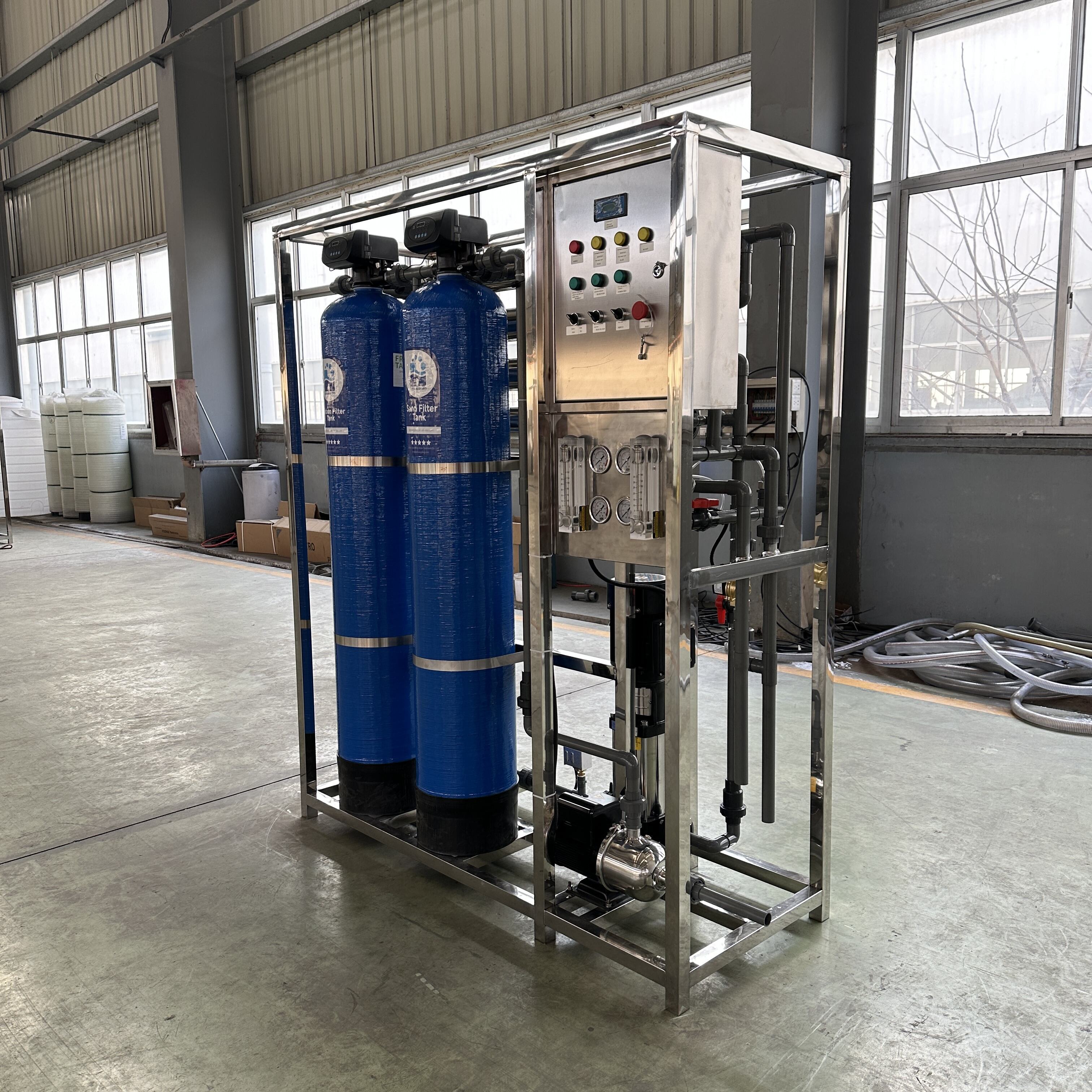
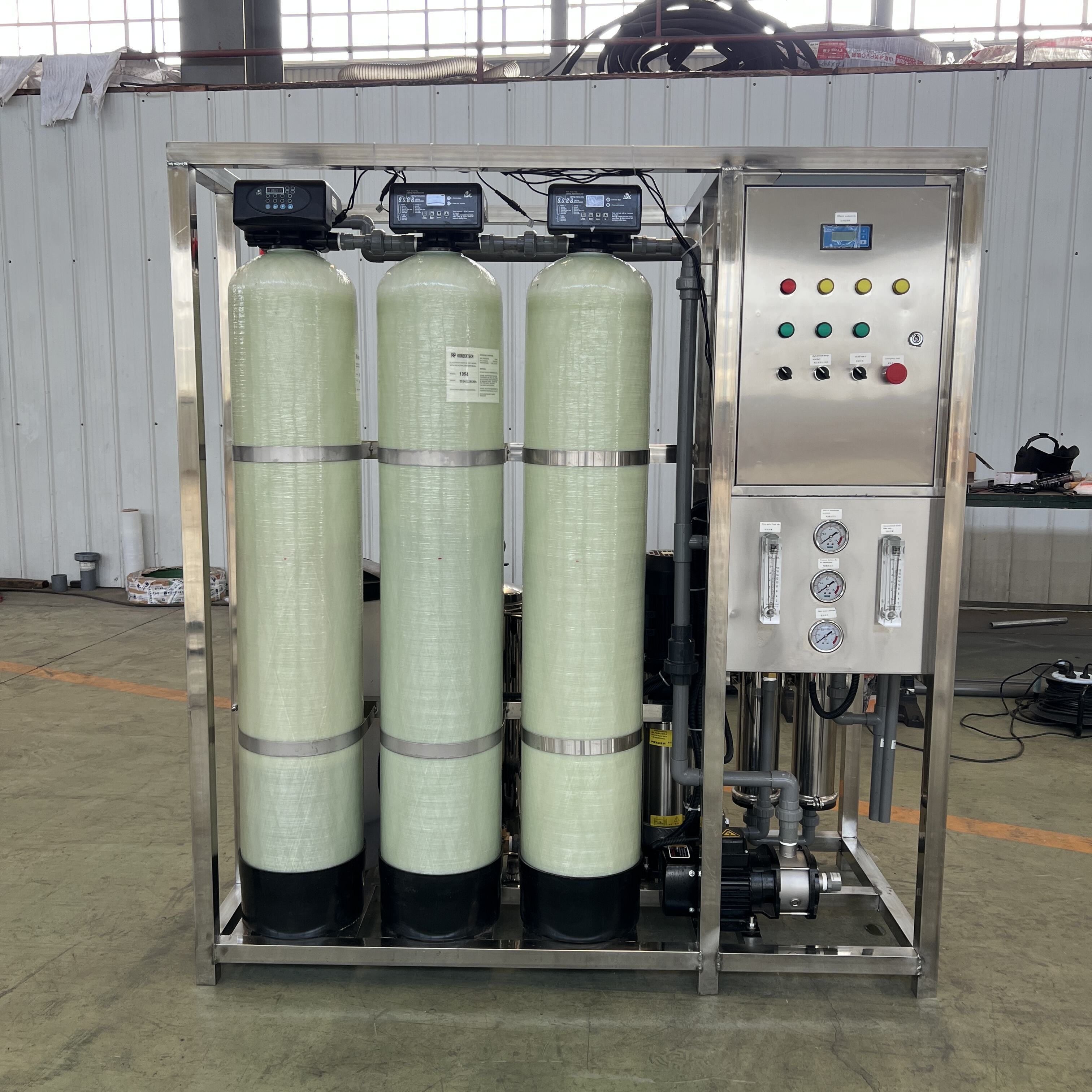
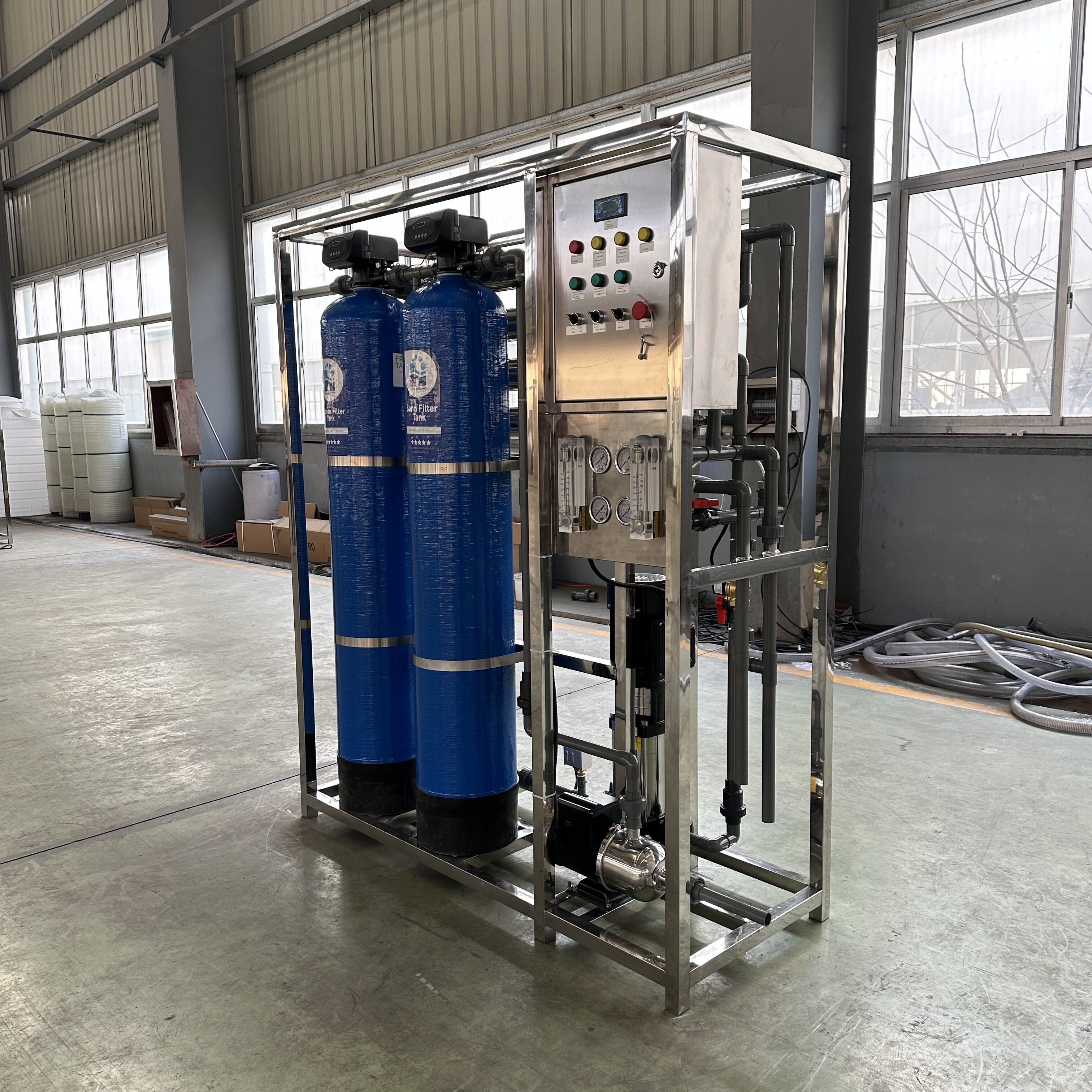
առևտրային մաքրված ջրի սարք
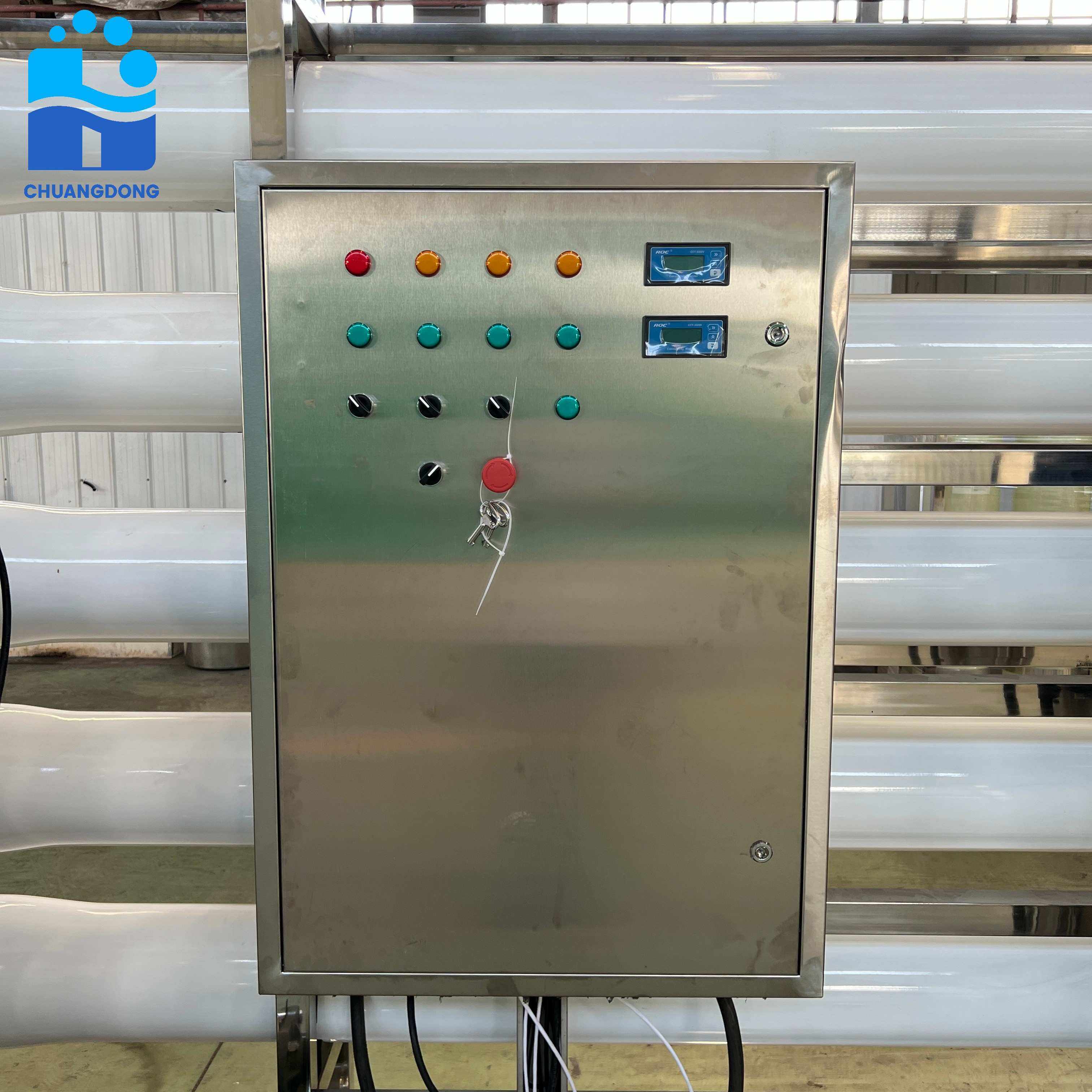
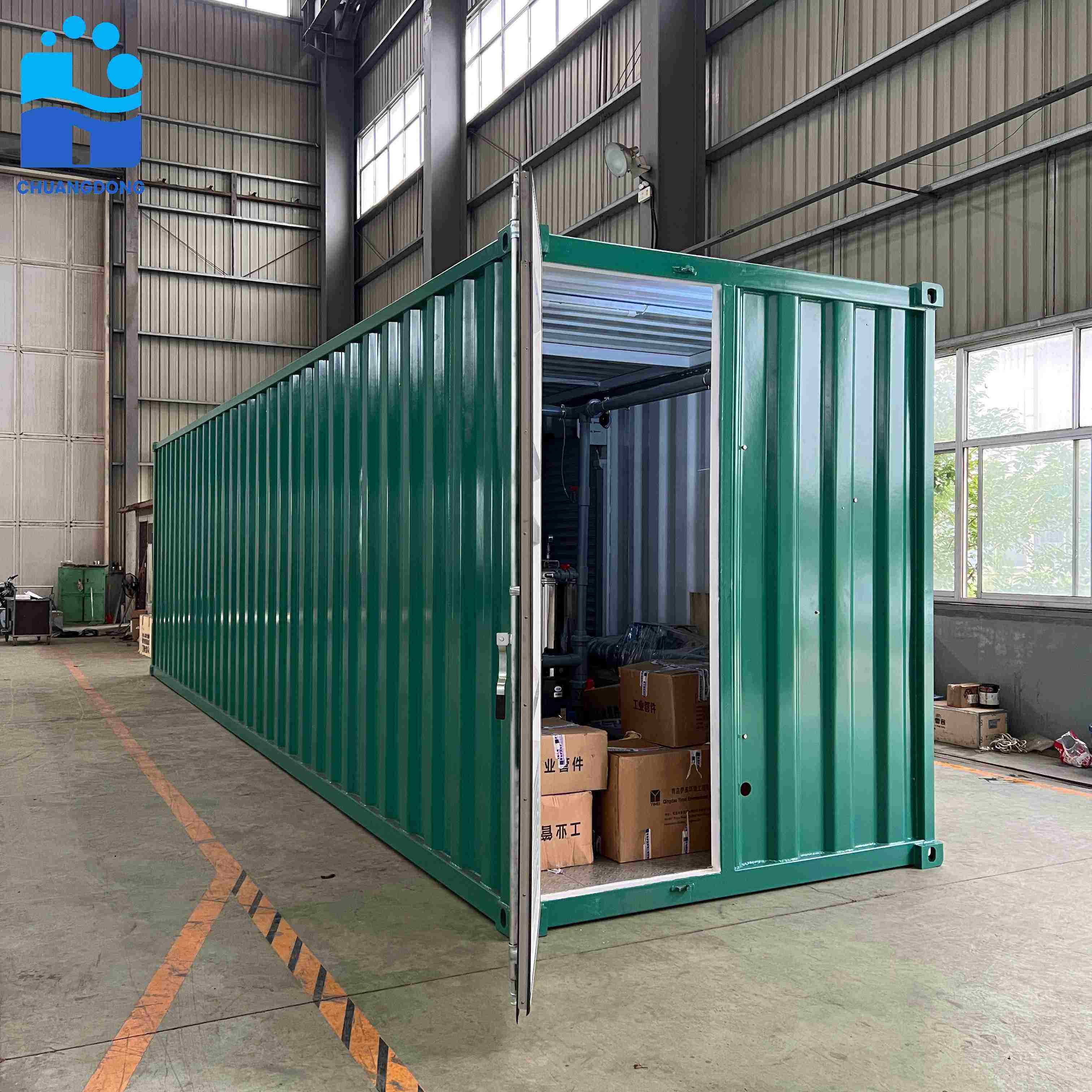
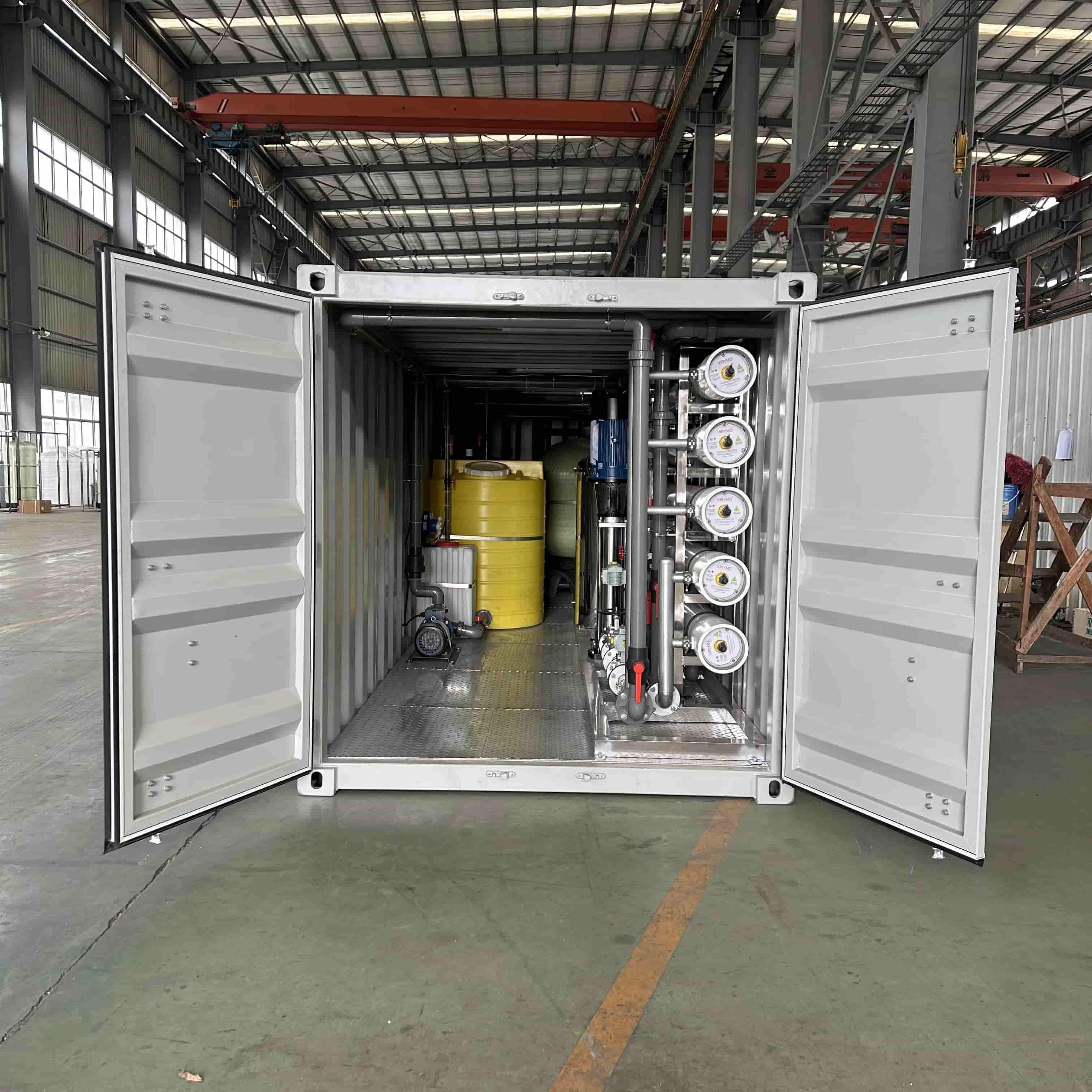
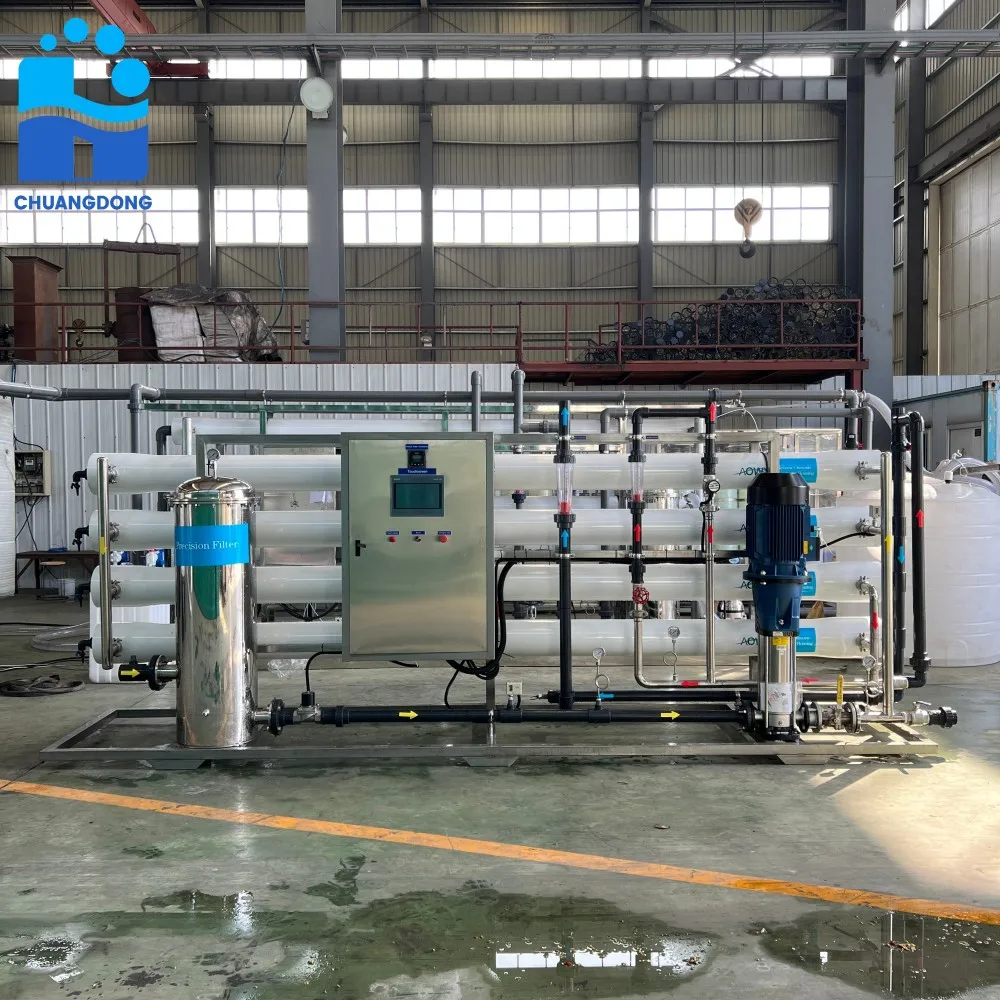
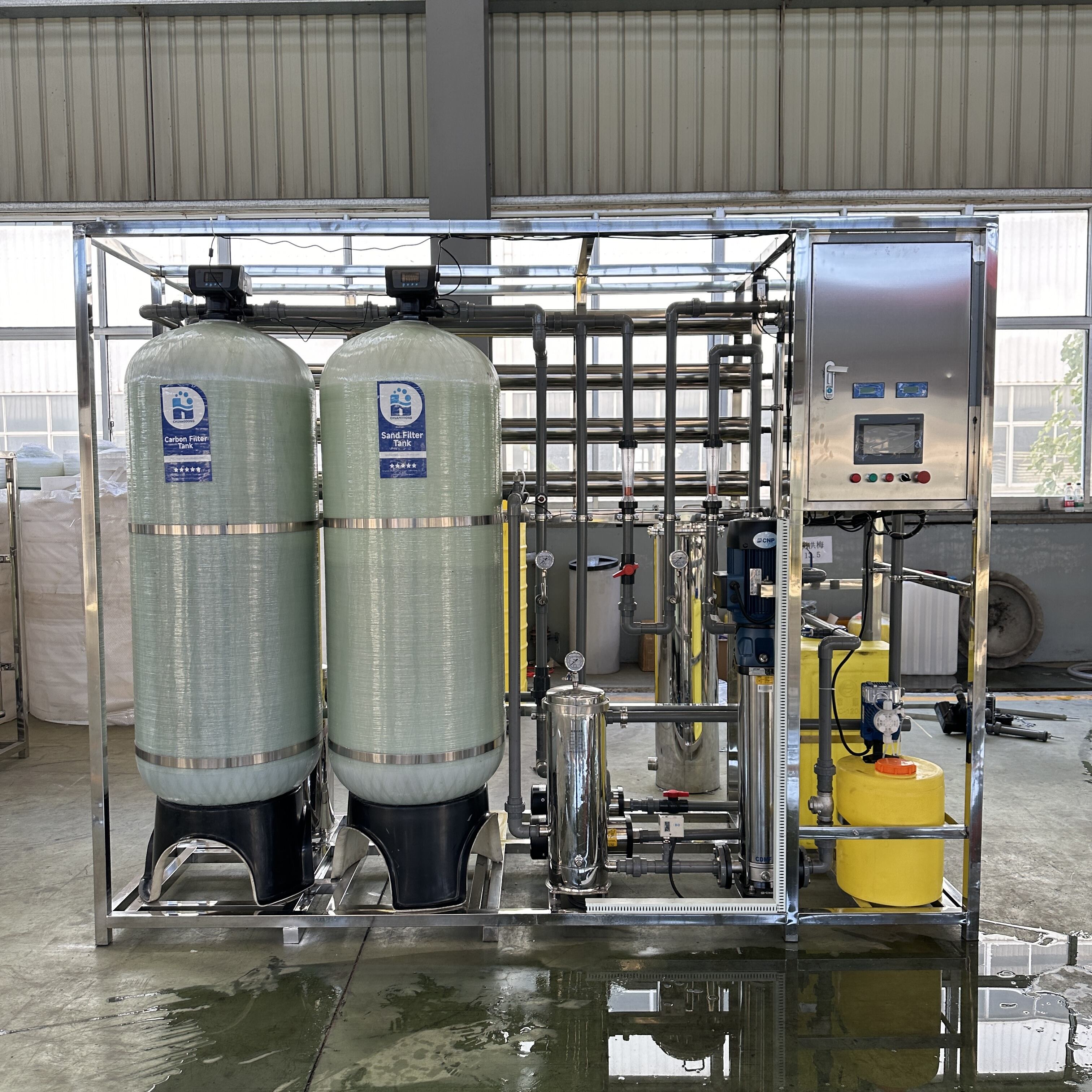
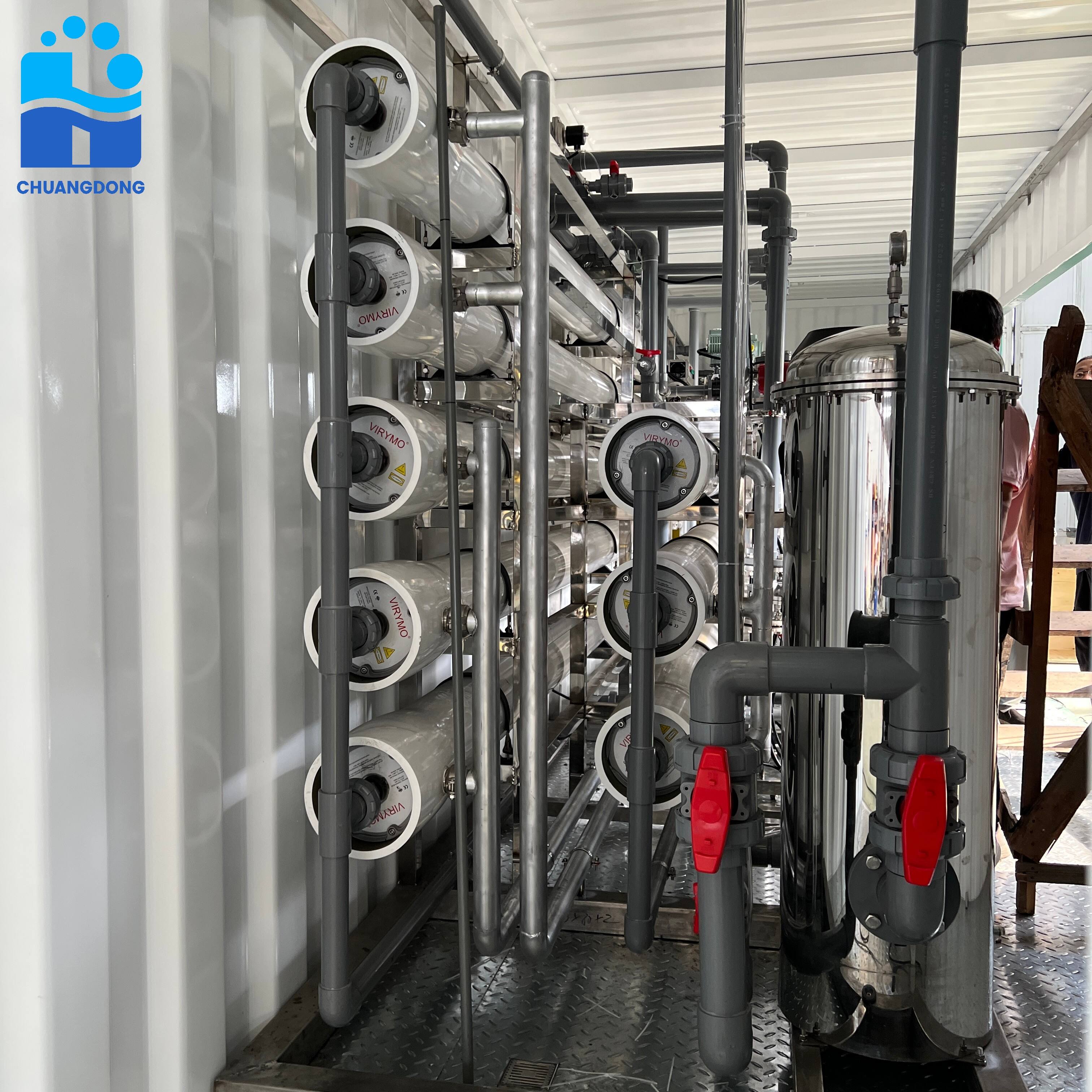
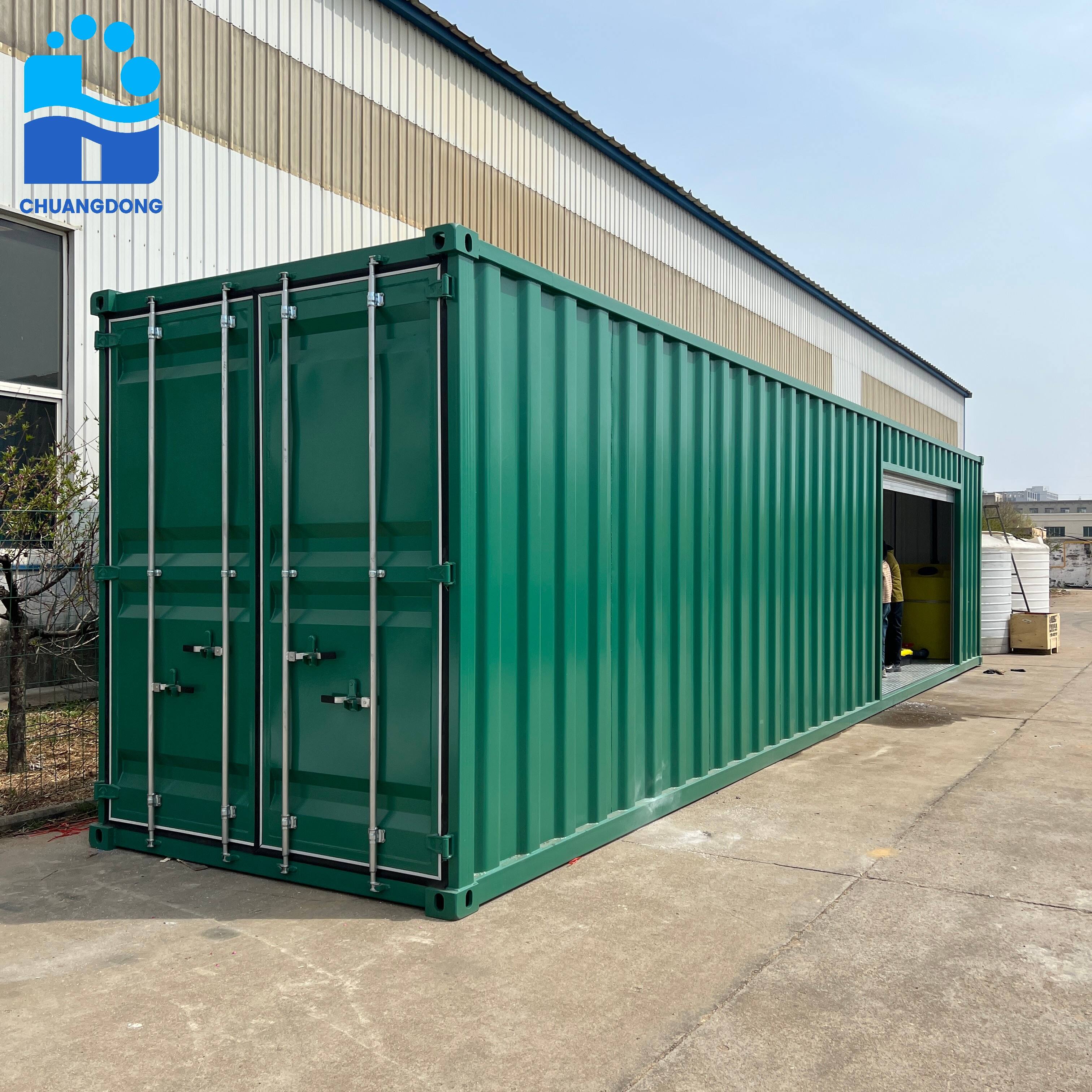
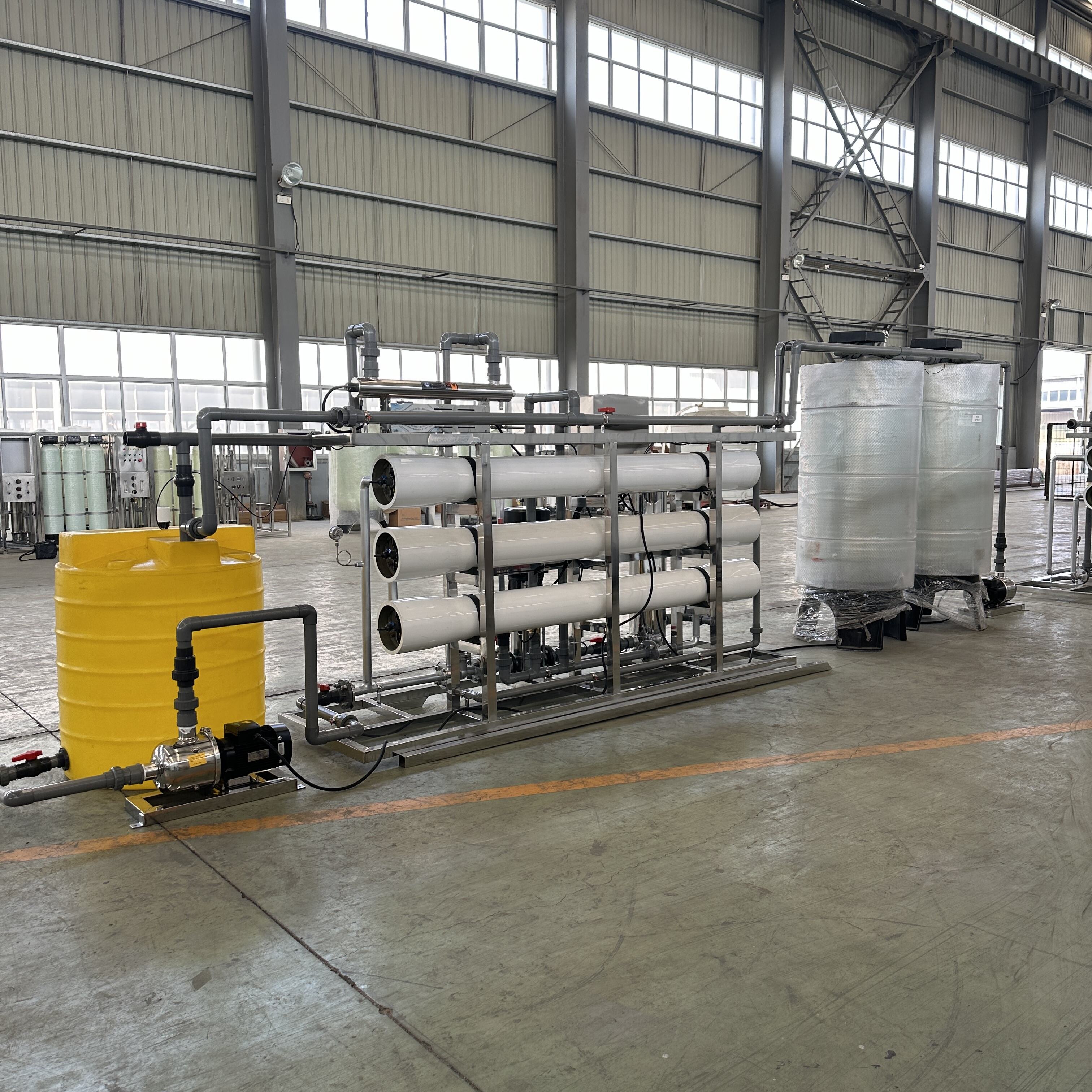
Առևտրային մաքրված ջրի սարքը ներկայացնում է անհրաժեշտ ներդրում այն ձեռնարկությունների համար, որոնք պետք է անընդհատ մատչելի ունենան բարձրորակ, աղտոտիչներից ազատ ջուր: Այս բարդ համակարգերը օգտագործում են առաջադեմ ֆիլտրացման տեխնոլոգիաներ՝ վերացնելու խառնուրդներ, քիմիական նյութեր, բակտերիաներ և այլ վնասակար նյութեր քաղաքային ջրամատակարարման համակարգերից՝ ապահովելով բյուրեղապես մաքուր ջուր, որը համապատասխանում է խիստ առևտրային ստանդարտներին: Առևտրային մաքրված ջրի սարքը աշխատում է մի քանի ֆիլտրացման փուլերով, որոնք սովորաբար ներառում են նստվածքի ֆիլտրներ, ակտիվացված ածխային բլոկներ, հակադարձ օսմոսի մեմբրաններ և ուլտրամանուշակագույն ստերիլիզացման բաղադրիչներ: Այս բազմաշերտ մոտեցումը ապահովում է համապարփակ ջրի մշակում՝ վերացնելով ինչպես տեսանելի, այնպես էլ միկրոսկոպիկ աղտոտիչները, որոնք կարող են վտանգել ջրի որակը: Ժամանակակից առևտրային մաքրված ջրի սարքերը սարքավորված են ավտոմատացված կառավարման համակարգերով, որոնք իրական ժամանակում հսկում են ջրի որակի ցուցանիշները և ճշգրտում են ֆիլտրացման գործընթացները՝ ապահովելու օպտիմալ աշխատանքային ցուցանիշներ: Այս ինտելեկտուալ համակարգերը հետևում են ֆիլտրների ծառայության ժամկետին, ջրի արտադրման արագությանը և համակարգի արդյունավետությանը՝ օպերատորներին տրամադրելով արժեքավոր տեղեկություններ համակարգի աշխատանքի մասին: Տեխնոլոգիական հիմքը ներառում է բարձր հզորությամբ պոմպեր, ճնշման կարգավորիչներ և հոսքի կառավարիչներ, որոնք ապահովում են ջրի հաստատուն մատակարարումը՝ նույնիսկ գագաթնակետային պահանջարկի ժամանակ: Առևտրային կիրառումները ընդգրկում են բազմաթիվ ոլորտներ, այդ թվում՝ ռեստորաններ, հյուրանոցներ, առողջապահական հաստատություններ, արտադրական ձեռնարկություններ և գրասենյակային շենքեր: Սննդի սպասարկման հաստատությունները հիմնվում են առևտրային մաքրված ջրի սարքերի վրա՝ բարելավելու ըմպելիքների որակը, բարելավելու եփման արդյունքները և պաշտպանելու թանկարժեք սարքավորումները մասնիկների կուտակումից: Առողջապահական հաստատությունները օգտագործում են այս համակարգերը՝ բավարարելու բժշկական միջամտությունների և հիվանդների խնամքի համար ստեղծված խիստ ջրի մաքրության պահանջները: Արտադրական գործողությունները օգտագործում են մաքրված ջուր արտադրական գործընթացներում, որտեղ ջրի որակը ուղղակիորեն ազդում է արտադրանքի ամբողջականության վրա: Առևտրային մաքրված ջրի սարքերի բազմակողմանիությունը դրանք հարմարեցնում է տարբեր չափսերի հաստատությունների համար՝ սկսած փոքր սրճարաններից մինչև մեծ արդյունաբերական համալիրներ: Տեղադրման ճկունությունը թույլ է տալիս ինտեգրել դրանք գոյություն ունեցող ջրատար համակարգերի մեջ, իսկ մոդուլային դիզայնը հարմարեցված է ապագայում ընդլայնման անհրաժեշտություններին: Այս համակարգերը կտրուկ նվազեցնում են շահագործման ծախսերը՝ վերացնելով շշալված ջրի գնման անհրաժեշտությունը և ապահովելով անսահմանափակ մատչելիություն բարձրորակ ջրի պահանջի դեպքում:
 EN
EN