 EN



Selecting the right industrial water filter for your plant is a critical decision that directly impacts production efficiency, equipment longevity, and regulatory compliance. An industrial water filter serves as the backbone of your water treatment infrastructure, removing contaminants, suspended solids, and impurities that could damage machinery or compromise product quality. Understanding how to evaluate and choose the appropriate industrial water filter requires knowledge of your specific water quality challenges, production volume, and operational requirements. This guide walks you through the essential factors to consider when making this investment.
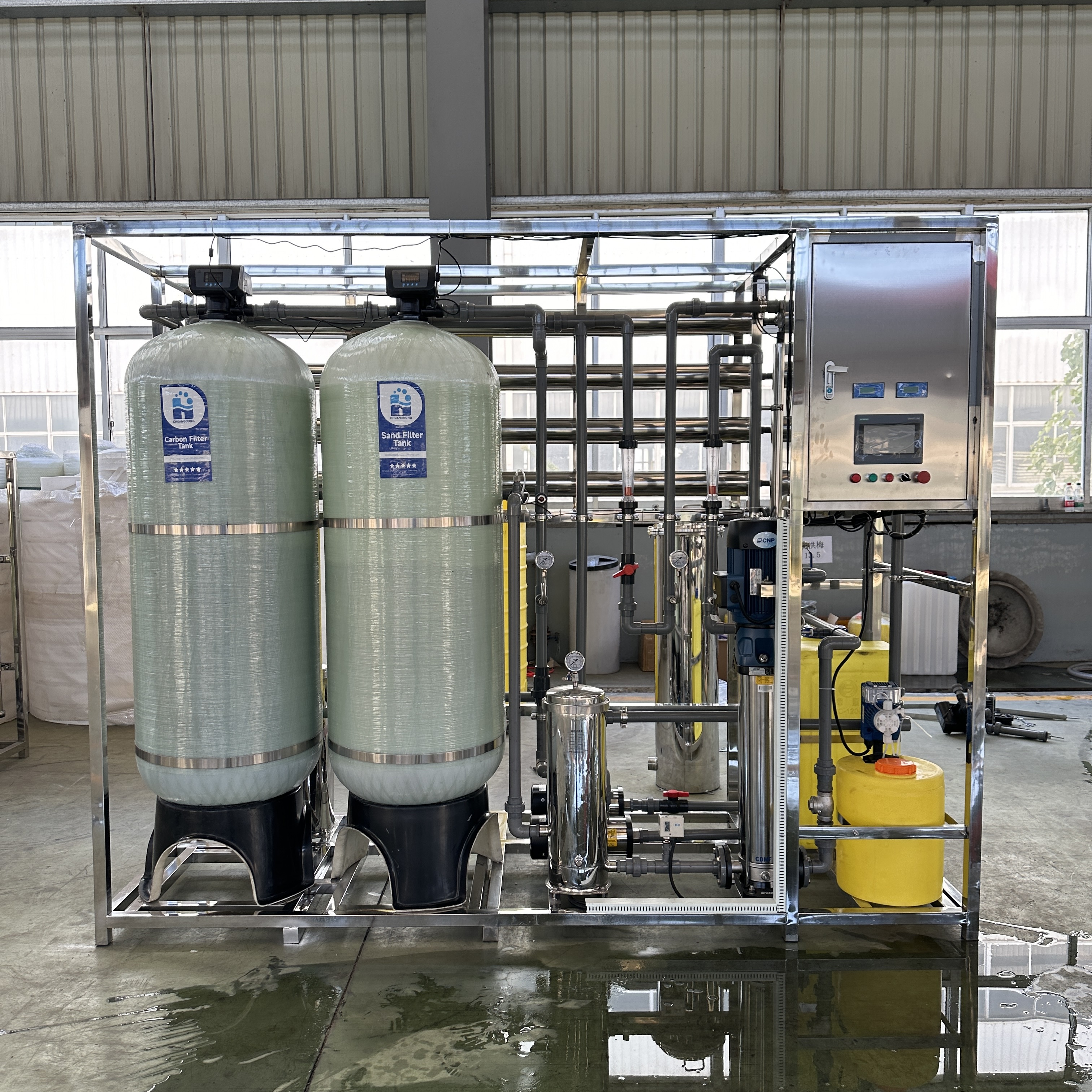
The industrial water filter selection process involves technical analysis, cost evaluation, and alignment with your plant's operational goals. Different industries—from food and beverage to pharmaceuticals, manufacturing, and power generation—have distinct water treatment demands that require tailored filtration solutions. By understanding the key selection criteria for an industrial water filter, you can avoid costly mistakes, reduce downtime, and ensure consistent water quality across your operations.
Assessing Your Water Quality and Filtration Needs
Analyzing Source Water Characteristics
Before selecting an industrial water filter, you must first understand what contaminants exist in your source water. Industrial facilities typically draw water from municipal supplies, wells, or recycled streams, each carrying different impurity profiles. Suspended solids, turbidity, dissolved minerals, microbial organisms, and chemical residues are common challenges addressed by an industrial water filter. Conducting a comprehensive water quality test will reveal the specific parameters you need to target, including sediment load, hardness, pH, bacterial count, and chemical concentration.
This baseline analysis determines the filtration capacity and technology your industrial water filter must deliver. A plant drawing highly turbid water requires higher-capacity sediment removal than a facility with relatively clean source water. Similarly, if your source water contains specific contaminants like iron, sulfur, or dissolved organics, your industrial water filter must be capable of addressing those particular challenges effectively.
Determining Production Volume and Flow Rate Requirements
The flow rate capacity of your industrial water filter must match or exceed your peak production water demand. Undersizing your industrial water filter leads to frequent maintenance, reduced throughput, and production bottlenecks, while oversizing increases capital and operational costs unnecessarily. Calculate your hourly and daily water consumption based on your production schedule, accounting for seasonal fluctuations and future growth projections when evaluating an industrial water filter.
Your industrial water filter selection should include a buffer capacity—typically 15 to 25 percent above peak demand—to accommodate unexpected surges or maintenance intervals without halting operations. This ensures continuity and prevents your industrial water filter from becoming a constraint on production capacity during high-demand periods.
Understanding Industrial Water Filter Technologies and Stages
Multi-Stage Filtration Architecture
Most effective industrial water filter systems employ multiple filtration stages, each targeting specific contaminant sizes and types. The typical industrial water filter begins with pre-filtration or sediment stages that capture coarse particles, sand, and debris before they reach secondary treatment. These coarse industrial water filter stages typically use sand or multimedia filters to remove particles larger than 5 to 20 microns. This pre-treatment protects downstream components of your industrial water filter and extends the life of subsequent filtration media.
The middle stages of an industrial water filter often employ carbon or specialized media to remove chlorine, taste, odor, and dissolved contaminants. Advanced industrial water filter configurations may include ion exchange, reverse osmosis, or ultrafiltration stages depending on your water quality requirements and end-use application. Understanding these stages helps you choose an industrial water filter that addresses your specific contamination profile comprehensively.
Membrane and Media Selection for Industrial Water Filter Systems
The filtration media or membrane type is central to your industrial water filter performance and lifespan. Sand filters, commonly used in industrial water filter applications, work well for high-turbidity water and offer cost-effective operation. Activated carbon media in an industrial water filter excels at removing organic compounds and improving water aesthetics. Membrane technologies—including microfiltration, ultrafiltration, nanofiltration, and reverse osmosis—represent advanced choices for an industrial water filter when extremely high purity is required.
Your choice of media for an industrial water filter should balance removal efficiency, pressure drop, throughput, and replacement frequency. Ceramic membranes in an industrial water filter offer durability and longer service life but higher upfront cost, while disposable cartridge filters reduce maintenance complexity but require ongoing cartridge supply chain management in your industrial water filter maintenance program.
Evaluating Operational and Economic Factors
Capital Investment and Total Cost of Ownership
The cost of an industrial water filter extends far beyond the initial purchase price. While comparing industrial water filter options, calculate the total cost of ownership including installation, spare parts inventory, replacement media or membranes, labor for maintenance and cleaning, energy consumption for pressurization, and potential downtime costs. A more expensive industrial water filter with longer service intervals and lower energy requirements may deliver better value than a cheaper system requiring frequent maintenance and higher operating costs.
Budget flexibility is important when selecting an industrial water filter. Some manufacturers offer modular industrial water filter designs that allow you to expand capacity or upgrade treatment stages as your needs evolve, spreading investment across multiple years. This staged approach to an industrial water filter investment reduces upfront capital requirements while maintaining system flexibility.
Maintenance Requirements and Operational Reliability
The operational burden of your industrial water filter directly impacts production continuity and staff workload. Some industrial water filter designs require frequent backflushing, media replacement, and cleaning cycles that demand scheduled downtime and trained technicians. Automatic industrial water filter systems with self-cleaning capabilities and remote monitoring reduce hands-on maintenance but typically command higher initial investment. Evaluate whether your facility has in-house expertise to maintain a complex industrial water filter or if you prefer a industrial water filter system with simplified operation and vendor-supported maintenance.
Redundancy and fail-safe design matter in critical applications where water supply interruption directly impacts production. Your industrial water filter selection should consider whether parallel filtration units, isolation valves, and bypass protection are necessary for your facility's risk tolerance and production schedule.
FAQ
What micron size should an industrial water filter achieve for my manufacturing plant?
The required micron rating for your industrial water filter depends entirely on your end-use application and equipment sensitivity. General manufacturing may tolerate a 20 to 50 micron industrial water filter, while food and beverage processing often requires 1 to 5 microns, and pharmaceutical or semiconductor manufacturing may demand 0.2 microns or better. Consult your equipment manufacturer's specifications and product quality standards to determine the appropriate industrial water filter micron rating for your process.
How often should an industrial water filter be replaced or cleaned?
Maintenance frequency for an industrial water filter depends on source water quality, flow rate, filtration media type, and system design. Sand-based industrial water filter media typically requires backflushing every 24 to 48 hours, while cartridge-style industrial water filter elements may need replacement every few weeks to several months. Automatic industrial water filter systems with pressure sensors trigger backflushing only when needed, optimizing water usage and filter life. Establish a maintenance log and monitor pressure differential across your industrial water filter to anticipate replacement schedules.
Can an industrial water filter improve water taste and odor for process applications?
Yes, an industrial water filter incorporating activated carbon media is highly effective at removing chlorine, odors, and taste-affecting compounds from your water supply. However, basic sediment or sand-based industrial water filter stages do not address taste and odor issues. If your manufacturing process is sensitive to water characteristics affecting final product quality, specify an industrial water filter system that includes carbon or similar media stages designed to improve sensory properties of treated water.