 EN
EN



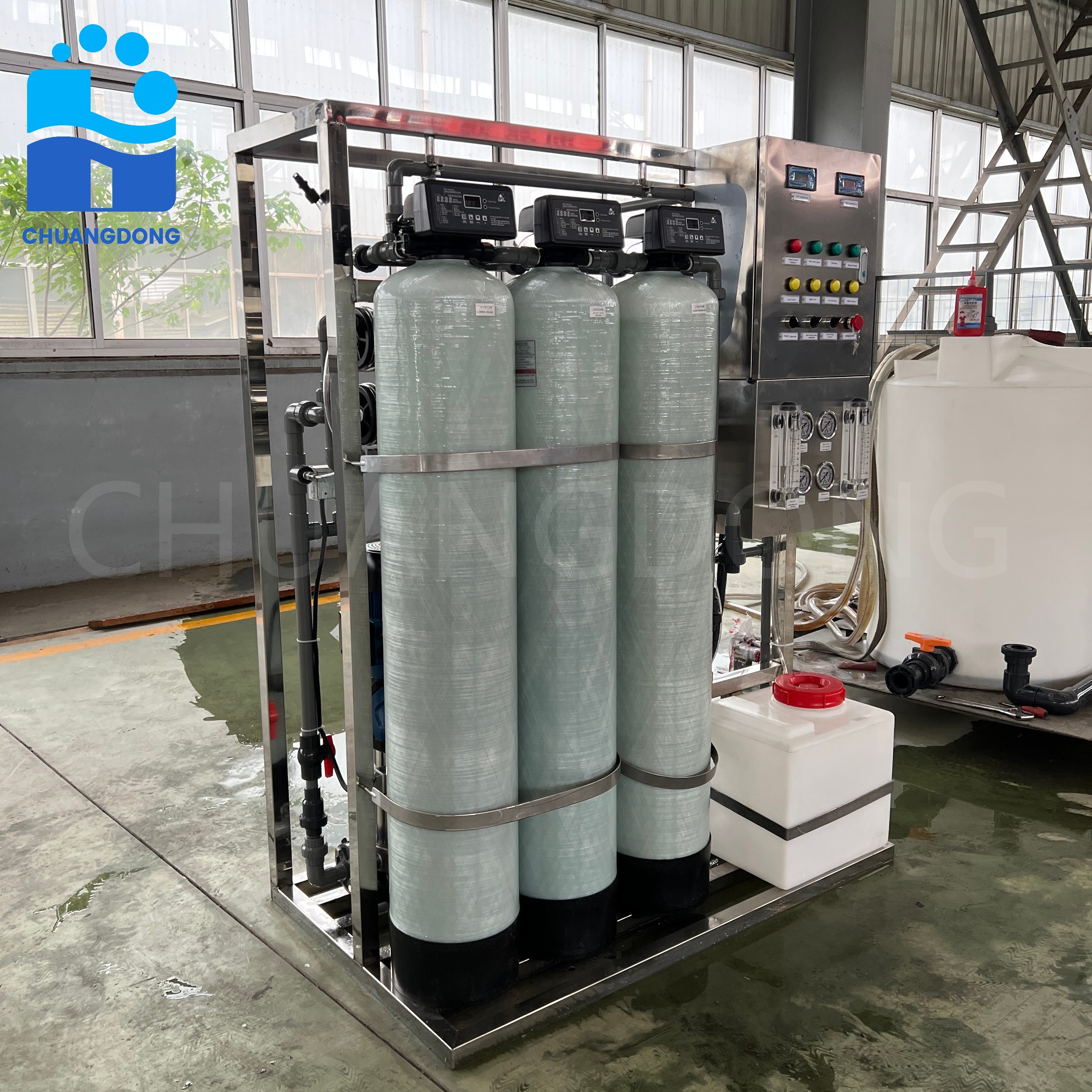
Daar is iets onmiskenbaar verskillend aan die smaak van water wat deur 'n omvormende Osmosestelsel . Dit is skerp, skoon en byna neutraal op die beste moontlike manier — 'n eienskap wat, sodra dit een keer ervaar is, gewone kraanwater swaar en onbevredigend laat voel deur vergelyking. Baie mense wat 'n omvormende Osmosestelsel in hul huise of industriële fasiliteite dadelik hierdie dramatiese verbetering opmerk, maar min verstaan die wetenskap wat dit dryf ten volle. Die antwoord lê nie in enige byvoegsel of kunsmatige proses nie, maar in die merkwaardige grondigheid waarmee ‘n omvormende Osmosestelsel die kontaminante, opgeloste vastowwe en chemiese residuë wat tradisioneel die smaak van die meeste waterbronne bepaal, verwyder.
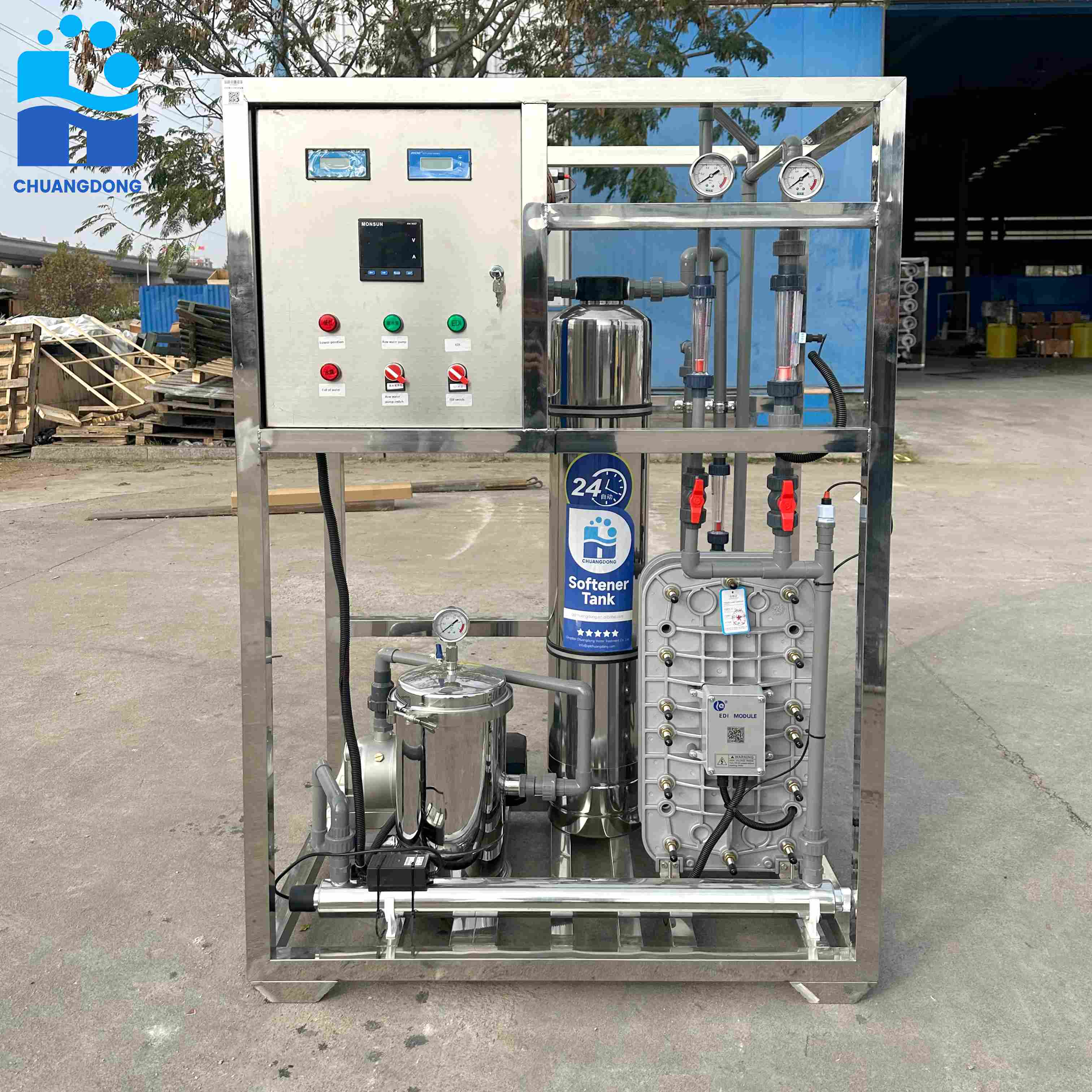
Verstaan hoekom omvormende Osmosestelsel water soos dit smaak, vereis ‘n nouer kyk na hoe hierdie stelsels werk, wat hulle verwyder, en hoekom hierdie verwyderings direk vertaal word na sensoriese gehalte. Of u nou waterbehandelingsoplossings vir industriële toepassings evalueer of net probeer verstaan hoekom u drinkwater so dramaties verbeter het, ondersoek hierdie artikel die meganismes, wetenskap en praktiese implikasies agter die skoon, verfrissende smaak van ultrapuur water wat deur ‘n hoëprestasie- omvormende Osmosestelsel .
Die Wetenskap Agter Ultrapuur Water en Smaksensasie
Hoe Kontaminante in Gewone Water die Smak Beïnvloed
Tapwater en onbehandelde bronne-water bevat 'n verrassende aantal opgeloste stowwe wat direk invloed uitoefen op hoe water smaak en ruik. Chloor, wat as 'n desinfeksie middel in munisipale watersuurstelsels gebruik word, is een van die mees herkenbare bydraers tot 'n onaangename chemiese nasmaak. Chlormiene, swawelverbindings, yster en magnesium kan almal afsonderlike en dikwels ongewensde sensoriese impresse laat. Selfs by konsentrasies wat te laag is om gevaarlik te wees, is hierdie verbindings deur die menslike gehemelte waarneembaar, wat sensitief genoeg is om smaakveranderinge op 'n vlak van dele-per-miljoen te registreer.
Totale opgeloste vastestowwe, algemeen bekend as TDS, verteenwoordig die kumulatiewe som van alle minerale, sout en organiese verbindings wat in water versprei is. Hoë TDS-vlakke word nou verbind met 'n harder, meer minerale-ryke smaak wat baie mense beskryf as plat of swaar. Wanneer 'n omvormende Osmosestelsel verlaag drasties die TDS — dikwels tot onder 10 dele per miljoen — wat lei tot water wat die gehemelte as ligter, meer neutraal en werklik verfrissend ervaar. Dit is nie 'n subjektiewe illusie nie; dit is 'n meetbare verandering in waterchemie wat direk ooreenstem met 'n sensoriese verbetering.
Vlugtige organiese verbindings, farmaseutiese residuë, spore van pesticiede en industriële afvalwater kan ook hul pad na waterbronne vind, veral dié wat van oppervlakwater afkomstig is. Selfs in spoortellings kan hierdie stowwe waterkwaliteit en smaak subtiel benadeel. 'n Goed onderhoude omvormende Osmosestelsel is hoogs effektief om hierdie verbindings te verwyder of drasties te verminder, wat bydra tot die skoon basiese smaak wat gebruikers konsekwent rapporteer.
Die Membraanfiltrasiemeganisme Verduidelik
In die hart van elke omvormende Osmosestelsel is 'n halfdeurlaatbare membraan met gate wat klein genoeg is om die deurgang van opgeloste sout, swaar metaal, bakterieë, virusse en die meeste organiese molekules te keer. Water word onder druk deur hierdie membraan gedruk, en slegs suiwer watermolekules gaan deur, terwyl besoedelings agtergelaat word in 'n gekonsentreerde verwerpingsstroom. Hierdie proses verskil fundamenteel van konvensionele koolstof- of sedimentfiltrasie, wat slegs sekere kategorieë van onreinhede kan verminder.
Die halfdeurlaatbare membraan in 'n omgekeerde osmose-stelsel keer gewoonlik 90 tot 99 persent van opgeloste vastestowwe weg, afhangende van die membraankwaliteit en bedryfsomstandighede. Hierdie buitengewoon hoë weieringskoers beteken dat die water wat aan die deurskynende kant uitkom, werklik nader aan suiwer H2O is as byna enige ander bekostigbare waterbehandelingsmetode kan bereik. Dit is hierdie suiwerheid — hierdie byna-afwesigheid van opgeloste stowwe — wat die water sy kenmerkende skoon en ligte smaak op die gehemelte gee.
Moderne gevorderde stelsels, insluitend elektrode-ionisasie-versterkte konfigurasies soos die omvormende Osmosestelsel gekombineer met EDI-tegnologie, dryf hierdie proses nog verder. Deur ioonruilharses wat deur 'n elektriese veld geaktiveer word, te gebruik om die oorblywende spoorione na die RO-fase te verwyder, kan hierdie stelsels water produseer met weerstandswaardes wat 10 mega-ohm-sentimeter oorskry — water wat so suiwer is dat dit in halfgeleiervervaardiging, farmaseutiese produksie en hoë-presisie laboratoriumtoepassings gebruik word.
Hoekom suiwerheid direk vertaal na 'n verfrissende smaak
Die rol van TDS-vermindering in sensoriese gehalte
Menslike smaakreceptors is opmerklik sensitief vir die ioniese inhoud van water. Wanneer opgeloste mineraaloute in beduidende konsentrasies teenwoordig is, tree hulle met smaakreceptors in interaksie en skep 'n waarneembare gevoel van gewig of mineraliteit. Dit is nie inherente onaangenaam in alle kontekste nie — entoesiaste van mineraalwater soek aktief sekere mineraalprofiele — maar in alledaagse drinkwaterkontekste stem 'n laer TDS gewoonlik ooreen met 'n skoner, ligter persepsie. omvormende Osmosestelsel verlaag stelselmatig die TDS na vlakke waar die water se primêre sensoriese eienskap bloot sy temperatuur en varsheid is, onbevlek deur minerale interferensie.
Navorsing oor water se sensoriese evaluasie het konsekwent bevind dat verbruikers water met 'n laer TDS en verminderde chloorinhoud as meer verfrissend en smaakvol beoordeel. Die afwesigheid van 'n chloorsmaak alleen — wat 'n gehalte- omvormende Osmosestelsel bereik effektief deur sy voor-koolstof filtersfase sowel as die membraan self — dra by tot 'n beduidende gedeelte van die waargenome kwaliteitsverbetering. Wanneer die chemiese nasmak wat baie mense onbewustelik gevestig het, skielik afwesig is, is die verskil dadelik en positief waarneembaar.
Die pH-van omgekeerde osmosewater is ook geneig om effens laer te wees as dié van harde kraanwater, en val dikwels binne die ligtelik suur reeks. Hoewel hierdie feit soms deur kritici van RO-water as 'n bekommernis aangehaal word, dra dit werklik by tot die knapperige, skoon sensasie wat baie mense met verfrissende drinkwater assosieer. Die afwesigheid van alkaliese mineraaloute verwyder die dof, effens kalkagtige gehalte wat harde water kan gee, sodat die water skerper en meer verkwikkend smaak.
Verwydering van geurveroorsakende verbindings en hul smaakimpak
Smaak en reuk is diep met mekaar verbind, en water wat selfs sagte geurveroorsakende verbindings bevat, sal as minder skoon en verfrissend ervaar word, ongeag sy werklike veiligheid. Waterstof-sulfied, sekere alge-afgeleide verbindings, chloor se af-gasse en organiese ontbindingsprodukte kan almal sagte maar waarneembare geure aan onbehandelde water bydra. Hierdie geure word as afwykende smaakwaarnemings geregistreer, selfs wanneer hulle onder formele opsporingsdrempels in beheerde toetse val, omdat die brein olfaktoriese en smaakgerigte inligting holisties integreer.
‘n Veelstadium omvormende Osmosestelsel sluit tipies geaktiveerde koolstofvoorfilters in wat spesifiek ontwerp is om chloor, chloramiene en vlugtige organiese verbindings te adsorbeer voordat water die RO-membraan bereik. Hierdie voorbehandelingsfase verseker dat die membraan optimaal funksioneer terwyl dit terselfdertyd die sensoriese verbindings aanspreek wat die watersmaak die meeste in gevaar stel. Die resultaat is water wat so neutraal ruik soos dit smaak - 'n skoon, reuklose basislyn wat baie mense as verfrissend beskryf bloot omdat dit geen negatiewe olfaktoriese assosiasies veroorsaak nie.
Industriële graad omvormende Osmosestelsel konfigurasies voeg verdere fases by, insluitend ultraviolet-sterilisasie en na-koolstofpolisering, om te verseker dat selfs spoororganiese stowwe wat na die RO-membraan oorbly, verwyder word. Alhoewel hierdie addisionele fases hoofsaaklik ontwerp is om streng suiwerheidspesifikasies vir industriële en farmaseutiese toepassings te bevredig, lei hulle ook tot water van uitstekende sensoriese gehalte. Die kumulatiewe effek van elke suiweringsfase is additief, met elkeen wat 'n ander kategorie moontlike kontaminante verwyder.
Industriële Toepassings en die Breër Betekenis van Ultr suiwer Water
Hoekom Industriële Gebruikers Prioriteit aan Suiwerheid Buite Smaking Gee
Terwyl die smaakvoordele van 'n omvormende Osmosestelsel is die mees onmiddellik relevante vir drinkwatertoepassings, maar die industriële wêreld waardeer ultr suiwer water vir heeltemal ander, maar ewe dwingende redes. In halfgeleiervervaardiging, farmaseutiese vervaardiging, kragopwekking en presisie-chemiese verwerking kan selfs spoorhoeveelhede opgeloste ione produkwaliteit katastrofies kompromitteer, toerusting beskadig of toetsresultate ongeldig maak. 'n omvormende Osmosestelsel gepaar met gevorderde elektrode-ionisasie lewer die konsekwente, herhaalbare suiwerheid wat hierdie nydye vereis.
Dieselfde fundamentele beginsel wat RO-water 'n skoner smaak gee, maak dit ook funksioneel superieur vir hierdie industriële toepassings: die byna-totale verwydering van opgeloste stowwe. In 'n kragstasie se ketel, byvoorbeeld, kan minerale afsettings wat deur opgeloste kalsium en magnesium veroorsaak word, hitte-oordragdoeltreffendheid verminder en uiteindelik katastrofiese toerustingfal veroorsaak. Die uitmuntende suiwerheid wat deur 'n moderne omvormende Osmosestelsel elimineer hierdie risiko deur die skaalvormende voorlopers te verwyder voordat hulle ooit die stelsel binnekom. suiwerheid, of dit nou gemeet word in smaak of in weerstand, weerspieël dieselfde onderliggende werklikheid van grondige kontaminantverwydering.
In farmaseutiese en laboratoriumtoepassings is die verband tussen suiwerheid en prestasie selfs direkter. Water wat gebruik word vir dwelmformulering, analitiese toetsing en steriele vervaardiging, moet farmakopeïese standaarde bevredig wat gedefinieer word deur spesifieke geleidingsvermoë, TOC-vlae en mikrobiese telling. 'n Nalewende omvormende Osmosestelsel diens as die ruggraat van water suiwerings in hierdie omgewings, en verseker dat die water wat in elke prosesstap ingevoer word, betroubaar vry is van interferensie. Die standaarde wat hier toegepas word, is bloot 'n geformaliseerde, gekwantifiseerde weergawe van dieselfde suiwerheidsbeginsel wat RO-water 'n skoon smaak gee.
Die Veelstadiumbehandelingsproses en sy kumulatiewe effek
Moderne ultr suiwer watersisteme is nie eenstapoplossings nie. 'n Hoogpresterende omvormende Osmosestelsel in 'n industriële omgewing sluit dit gewoonlik voorbehandelingsfase soos multimedia-filtrasie, sagte watermaak en koolstofadsorpsie in, gevolg deur die RO-membraanfase self, en dan ná-behandeling deur middel van EDI of gemengde-bed-deïonisering. Elke fase spreek 'n spesifieke kategorie verontreinigings aan wat die vorige fase nie selfstandig volledig kan hanteer nie. Die kumulatiewe resultaat is water van buitengewoon hoë suiwerheid wat geen enkele behandelingsmetode selfstandig kan bereik nie.
Voorbehandelingsfase beskerm die RO-membraan teen besoedeling, afsettingsvorming en chemiese afbreek, wat verseker dat die membraan sy gewaardeerde verwerpingseffektiwiteit behou gedurende sy ontwerpservislewe. Sonder doeltreffende voorbehandeling sou die membraan se prestasie vinnig agteruitgaan, en sou die gehandhaafde water se gehalte ooreenkomstig verswak. Hierdie stelseldenkbenadering — wat die volle spektrum van onreinhede deur 'n gekoördineerde reeks behandelingstappe aanspreek — is wat 'n professionele graad omvormende Osmosestelsel van 'n eenvoudige verbruikersgraad-filter onderskei.
Die ná-RO-polisfase is ewe belangrik vir die bereiking van werklike ultr suiwer waterkwaliteit. Selfs 'n RO-membraan met 'n hoë afkeuringskoers laat nog 'n paar spoorione deurgaan. EDI-tegnologie, wat ion-uitruilharses gebruik wat voortdurend deur 'n toegepaste elektriese stroom geregenereer word, vang hierdie resiverwe ionne op en verwyder dit sonder die behoefte aan chemiese regenerante. Hierdie voortdurende, chemie-vrye polisfase maak dit moontlik vir 'n volledig geïntegreerde omvormende Osmosestelsel om konsekwent water te lewer wat aan die strengste suiwerheidsspesifikasies ter wêreld voldoen.
Behoud van Waterkwaliteit met Tyd in 'n Omgekeerde Osmose-stelsel
Hoekom Membraanonderhoud Direk Invloed Uitoefen op Waterkwaliteit
Die skoon smaak en hoë suiwerheid wat 'n omvormende Osmosestelsel aanvanklik lewer nie selfonderhoudende bedryf sonder behoorlike onderhoud nie. RO-membraan is vatbaar vir besoedeling deur biologiese groei, kolloïdale deeltjies en organiese materiale, sowel as kalkafsettings deur swak oplosbare soutsoorte soos kaliumkarbonaat, bariumsulfaat en silika. Soos besoedeling of kalkafsettings op die membraanoppervlak versamel, verminder die effektiewe afskeiding van opgeloste stowwe, en verswak die gehalte van die behandelde water. Daar is gereelde monitering, skoonmaak en uiteindelik vervanging van die membraan nodig om piekprestasie te handhaaf.
Voorfiltervervanging is ewe belangrik. Gebruikte aktiwegroefkool-voorfilters verloor hul adsorpsievermoë en kan selfs begin om voorheen geadsorbeerde verbindings weer in die waterstroom vry te stel. Wanneer voorfilters nie volgens plan vervang word nie, bereik chloor en ander oksiderende middels die RO-membraan en veroorsaak onherstelbare oksidatiewe skade aan die membraanpolimeer. Hierdie skade verminder permanent die afskeidingseffektiwiteit en kan lei tot 'n beduidende agteruitgang in die behandelde waterkwaliteit — sowel as in die smaakwaarneming vir drinkwatertoepassings.
'n Goed ontwerp omvormende Osmosestelsel sluit moniteringsvermoëns in — soos kontinue TDS-meter, geleidingsvermoënsensors en vloeihoedte-indikators — wat bedrywers waarsku vir afnemende prestasie voordat dit 'n beduidende probleem word. In industriële stelsels kan outomatiese beheerstelsels skoonmaak-siklusse aktiveer, bedryfsdruk verander of onderhoudwaarskuwings uitreik gebaseer op werklike waterkwaliteitsdata. Vir gebruikers wat op konsekwente ultrapuur waterkwaliteit staat, is hierdie moniteringsinfrastruktuur net so belangrik as die behandelingsapparatuur self.
Stelselontwerpkeuses wat Langtermynsmaakgehalte Bewaar
Die ontwerp van 'n omvormende Osmosestelsel beïnvloed aansienlik nie net die aanvanklike waterkwaliteit nie, maar ook die volhoubaarheid van daardie kwaliteit met verloop van tyd. Stelsels wat toereikende voorbehandeling insluit, beskerm die omgekeerde osmose-membraan teen die toestande wat die mees waarskynlike oorsaak van besoedeling en afsettingsvorming is. Korrek grootte-drukhouers, toepaslike herwinningskoerse en geoptimaliseerde dwarsstromingsnelhede oor die membraanoppervlak dra almal by tot volgehoue hoë afskeiding en konsekwente uitsetkwaliteit. Om kortpaaie te loop met stelselontwerp om die aanvanklike kapitaalkoste te verminder, lei gewoonlik tot hoër bedryfskoste en ’n korter membraanlewe.
Nabehandelingsopslag is 'n ander faktor wat óf die gehalte van ultrapuur water kan bewaar óf kompromitteer. Ultrapuur water is aggressief — dit absorbeer gereed koolstofdioksied uit die atmosfeer, wat sy pH en geleidingsvermoë verlaag, en dit kan spoorstowwe uit ongeskikte materiaal van opbergvate uitspoel. Opslagtanks vir ultrapuur watersisteme moet van toepaslike materiale, soos polipropileen of roestvrystaal, vervaardig word en moet ontwerp wees om blootstelling aan die atmosfeer te minimeer. Hierdie materiaal- en ontwerpkeuses verseker dat die water wat by die gebruikspunt aankom, die suiwerheid behou wat tydens behandeling bereik is, en bewaar sowel die industriële bruikbaarheid as die verfrissende smaak wat gebruikers van 'n gehalteproduk verwag. omvormende Osmosestelsel .
VEE
Hoekom smaak water van 'n omgekeerde osmose-stelsel verskillend van bottelwater met minerale?
Mineraalwater word doelbewus van spruite afkomstig wat opgeloste minerale bevat, wat bydra tot sy kenmerkende smaakprofiel. 'n omvormende Osmosestelsel verwyder die meeste van hierdie opgeloste minerale saam met kontaminante, wat water tot gevolg het wat baie nader aan suiwer H2O is met 'n baie lae TDS. Die verskil in smaak weerspieël hierdie fundamentele verskil in mineraleinhoud — RO-water smaak skoon en neutraal omdat die opgeloste vastowwe wat die smaak van mineraalwater bepaal, doeltreffend verwyder is.
Is die skoon smaak van omgekeerde osmosestelselwater 'n teken van voedingsdefensie?
Weerspieël 'n lae mineraleinhoud, maar dit verteenwoordig nie 'n beduidende voedingskwessie vir die meeste mense nie. Voedingsminerale soos kalsium en magnesium word hoofsaaklik uit kos, nie water nie, verkry. Die bydrae van drinkwater tot die totale minerale-inname is relatief klein in die konteks van 'n gebalanseerde dieet. Die verbetering in smaak is 'n werklike voordeel, en kommer oor mineraleverlies in RO-water is gewoonlik deur normale dieetverskeidenheid hanteerbaar. omvormende Osmosestelsel omgekeerde osmosestelsel weerspieël 'n lae mineraleinhoud, maar dit verteenwoordig nie 'n beduidende voedingskwessie vir die meeste mense nie. Voedingsminerale soos kalsium en magnesium word hoofsaaklik uit kos, nie water nie, verkry. Die bydrae van drinkwater tot die totale minerale-inname is relatief klein in die konteks van 'n gebalanseerde dieet. Die verbetering in smaak is 'n werklike voordeel, en kommer oor mineraleverlies in RO-water is gewoonlik deur normale dieetverskeidenheid hanteerbaar.
Hoe vergelyk 'n omgekeerde osmosestelsel met eenvoudige koolstofilters vir smaakverbetering?
Koolstofilters is baie effektief in die verwydering van chloor, chloramiene en sekere organiese verbindings wat direk die smaak beïnvloed, maar dit verminder nie opgeloste sout, swaar metaal, nitrate of TDS (totale opgeloste vastestowwe) nie. 'n omvormende Osmosestelsel adres al hierdie kategorieë en bied 'n veel omvattender verbetering in beide waterchemie en waargenome smaak. Vir maksimum sensoriese verbetering, veral in gebiede met harde water of hoë TDS, bied 'n omgekeerde osmosestelsel duidelik beter resultate as slegs koolstoffilters.
Hoe dikwels moet filters en membrane vervang word om die watersmaakkwaliteit te handhaaf?
Vervangingsintervalle hang af van die brongwaterkwaliteit en stelselgebruik, maar algemene riglyne stel voor dat voorfilters elke 6 tot 12 maande vervang moet word, RO-membrane elke 2 tot 3 jaar, en ná-koolstofpolisfilter elke 12 maande. Die monitering van TDS-vlae in die behandelde water is die mees betroubare manier om te bepaal wanneer membraanprestasie agteruitgaan. 'n Konstante styging in die TDS-vlak van die behandelde water is 'n duidelike sein dat die omvormende Osmosestelsel membraan aandag vereis om die skoon, verfrissende waterkwaliteit wat gebruikers verwag, te handhaaf.
Tabel van inhoud
- Die Wetenskap Agter Ultrapuur Water en Smaksensasie
- Hoekom suiwerheid direk vertaal na 'n verfrissende smaak
- Industriële Toepassings en die Breër Betekenis van Ultr suiwer Water
- Behoud van Waterkwaliteit met Tyd in 'n Omgekeerde Osmose-stelsel
-
VEE
- Hoekom smaak water van 'n omgekeerde osmose-stelsel verskillend van bottelwater met minerale?
- Is die skoon smaak van omgekeerde osmosestelselwater 'n teken van voedingsdefensie?
- Hoe vergelyk 'n omgekeerde osmosestelsel met eenvoudige koolstofilters vir smaakverbetering?
- Hoe dikwels moet filters en membrane vervang word om die watersmaakkwaliteit te handhaaf?